
Welcome to My Blog! I’m thrilled to have you here!
Before we dive into the content, I’d love for you to join me on my social media platforms. It’s where I share extra insights, connect with our amazing community, and keep you updated on the latest news.
Here’s how you can stay connected:
📘 Facebook: Suzhou Xize Textile Technology Co., ltd.
Now, let’s embark on this journey together! I hope you find the content here not only insightful but also inspiring and valuable. Let’s get started!
Table of Contents
Key Takeaways
- Discover how custom textile manufacturing enhances fabric quality, versatility, and application-specific performance.
- Explore modern weaving, knitting, printing, and finishing techniques that maximize efficiency.
- Understand material selection strategies for home textiles, apparel, bath products, and industrial applications.
- Compare traditional and advanced textile production methods for cost, quality, and sustainability.
- Learn about quality control standards, batch consistency, and inspection methods in the industry.
- Review real-world case studies and data supporting innovation in custom textile manufacturing.
- Get answers to practical buyer and procurement questions in the FAQ section.
Introduction
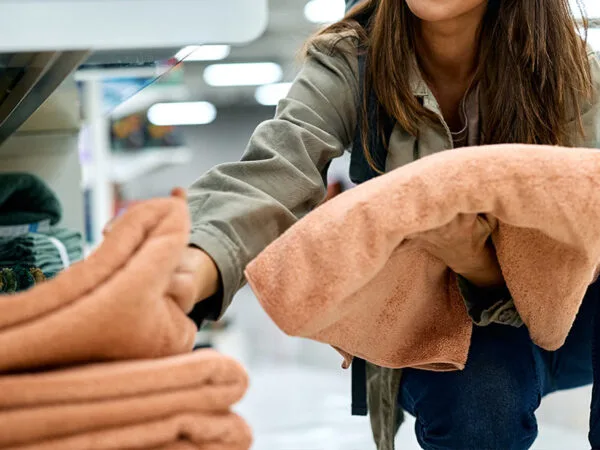
In today’s fast-paced global textile market, brands and manufacturers are moving toward highly personalized fabric solutions. Custom textile manufacturing has become essential for companies aiming to differentiate their products, improve consumer satisfaction, and maintain consistent quality across batches.
According to Textile World Industry Reports 2025, the global textile market is expected to reach USD 1.2 trillion, with personalized fabrics and custom solutions growing at 6.8% CAGR. The rise of e-commerce, home décor personalization, and sustainable product demand drives the need for versatile and high-performance fabrics.
Modern manufacturers now integrate:
- Advanced warp and weft knitting systems
- Digital printing and embossing technologies
- Robotic automation and AI-assisted quality inspection
- Eco-friendly materials and low-impact dyeing processes
This integration allows for consistent, scalable production while meeting increasingly strict consumer, regulatory, and sustainability standards.
Core Techniques in Custom Textile Manufacturing
Warp Knitting and Weft Knitting Techniques
Warp Knitting
Warp knitting creates structurally stable fabrics suitable for large-scale applications such as upholstery, insulation products, and industrial textiles.
- Applications: Bedding sets, curtain fabrics, plush toys
- Key Benefits: High tensile strength, dimensional stability, versatile surface finishing
Weft Knitting
Weft knitting provides soft, flexible, and stretchable fabrics, commonly used in apparel, loungewear, and plush toys.
- Applications: Pajamas, casual wear, stuffed toys
- Key Benefits: Comfortable texture, high elasticity, ideal for complex patterns
Comparative Table: Warp vs. Weft Knitting
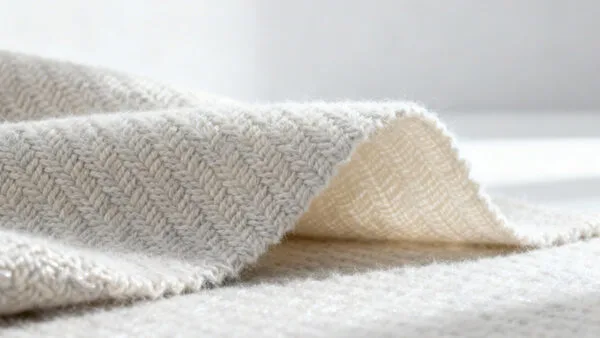
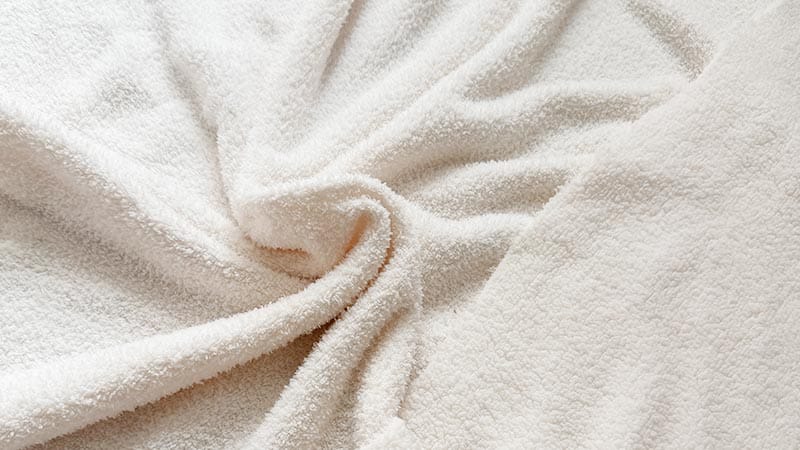
| Feature | Warp Knitting | Weft Knitting |
|---|---|---|
| Structural Stability | High | Medium |
| Stretchability | Low | High |
| Surface Customization | Embossing, jacquard | Printing, embroidery |
| Ideal Applications | Home textiles, insulation | Apparel, plush toys |
Advanced Fabric Finishing Techniques
Digital Printing and Foil Applications
Digital printing allows small-batch customization, enabling brands to produce unique patterns without expensive tooling. Foil applications add metallic accents to fabrics for luxury and seasonal collections.
Jacquard Weaving
Jacquard weaving embeds intricate patterns directly into the fabric, offering high durability and design flexibility. This method is widely used in premium home textiles and fashion apparel.
Embossing and Heat Press
- Adds texture and depth to fabrics
- Enhances visual appeal without affecting structural integrity
- Suitable for home décor, bedding, and promotional textiles
Material Selection in Custom Textile Manufacturing
Material choice directly impacts durability, texture, performance, and sustainability.
Common Material Categories
- Natural Fibers – Cotton, wool, linen
- Pros: Breathable, soft, sustainable
- Cons: Shrinkage, color fading
- Synthetic Fibers – Polyester, nylon, acrylic
- Pros: Durable, moisture-resistant, colorfast
- Cons: Less breathable, microplastic concerns
- Blended Fabrics – Cotton-polyester, cotton-lycra
- Balanced softness, durability, and elasticity
Industry-Specific Recommendations Table
| Industry | Material | Performance Benefit | Finishing Options |
|---|---|---|---|
| Home Textiles | Warp knitted polyester | Durable, easy care | Embossing, jacquard |
| Apparel | Cotton-polyester blend | Soft, flexible, breathable | Printing, embroidery |
| Bath & Towels | Terry cotton | High water absorption | Dyeing, cutting |
| Plush Toys | Microfiber polyester | Soft, child-safe | Sewing, tufting |
| Industrial | Technical textiles | High strength, chemical resistant | Coating, lamination |
Quality Control and Industry Standards
Ensuring consistency and reliability is critical for brand reputation and regulatory compliance.
International Standards
- ISO 105: Colorfastness
- ASTM D5034: Fabric tensile strength
- OEKO-TEX Standard 100: Textile safety and chemical compliance
Inspection Methods
- Visual inspection for weaving uniformity
- Optical scanning for pattern accuracy
- Thickness and density measurement
- Non-destructive testing for tensile and tear strength
Key Quality Metrics
- Weight consistency: ±2% variation per batch
- Colorfastness: ≥4 (ISO scale)
- Dimensional stability: shrinkage <3%
Sustainable Practices in Custom Textile Manufacturing
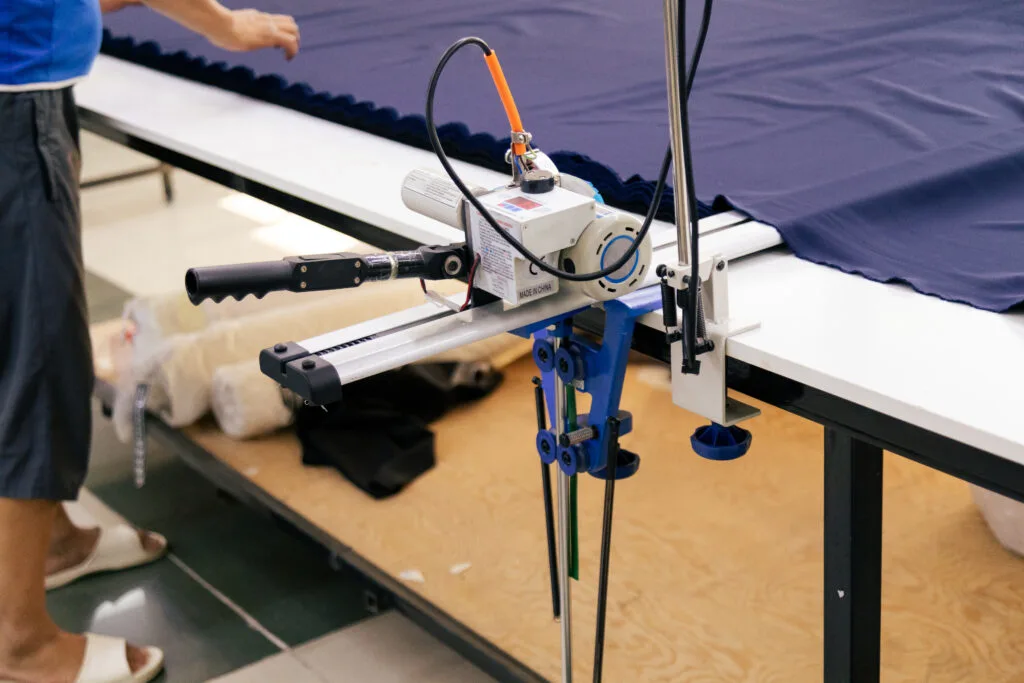
The industry is under growing pressure to adopt eco-friendly methods.
Material Innovation
- Organic cotton
- Recycled polyester from PET bottles
- Bamboo fiber
Production Sustainability
- Digital patterning reduces fabric waste
- Automated knitting optimizes yarn usage
- Water recycling and closed-loop dyeing systems
Case Study: Eco-Friendly Home Textiles
- A leading European home textile brand switched to 100% recycled polyester for their bedding line
- Result: 35% reduction in water usage, 28% decrease in CO2 emissions, and maintained premium fabric quality
Modern Automation and Technology Integration
Robotics and AI in Production
- Automated warp and weft machines reduce human error
- AI-assisted visual inspection detects weaving or knitting defects
- Robotics support high-volume consistency
Digital Twin Simulation
- Digital twins simulate production conditions before actual manufacturing
- Enables optimization of fabric tension, yarn feed, and finishing parameters
- Reduces scrap rates and shortens production cycles
Cost and Efficiency Comparisons
| Production Method | Cost | Batch Flexibility | Speed | Application |
|---|---|---|---|---|
| Traditional weaving | Medium | Low | Moderate | Industrial, basic fabrics |
| Jacquard & digital printing | High | High | Fast for small batches | Premium home, fashion |
| Warp knitting automation | Medium-High | Medium | Fast | Large-scale home textiles |
| Weft knitting blends | Medium | High | Moderate | Apparel, plush toys |
Case Study: Apparel Brand Launch
Objective: Launch a boutique pajama line using custom fabrics.
Solution:
- Selected cotton-polyester blend for softness and durability
- Applied digital printing for seasonal patterns
- Integrated quality inspections at every production stage
Outcome:
- Reduced defects by 20%
- Achieved 98% on-time delivery
- Positive customer feedback on fabric feel and print clarity
Conclusion
Custom textile manufacturing is no longer a luxury; it is a strategic approach for brands seeking quality, personalization, and sustainability. By combining advanced knitting and weaving, finishing techniques, AI-assisted inspection, and eco-friendly practices, manufacturers can produce high-performance fabrics tailored to diverse applications.
From home textiles and apparel to industrial and specialty fabrics, adopting modern techniques ensures consistent quality, reduces waste, and increases consumer satisfaction. Brands investing in these strategies will remain competitive in the evolving global textile market.
FAQ
Q: What is custom textile manufacturing?
A: It refers to producing fabrics tailored for specific applications, including texture, design, and performance.
Q: Which industries benefit most?
A: Home textiles, apparel, bath products, toys, and technical textiles.
Q: How does digital printing compare to traditional methods?
A: Digital printing allows high-quality, small-batch customization, while traditional methods are more suited for mass production.
Q: Can small businesses access these services?
A: Yes, manufacturers offer sample runs, small-batch production, and private labeling.
Q: How are quality and sustainability ensured?
A: Through ISO standards, batch inspections, eco-friendly materials, and closed-loop dyeing processes.
Q: What trends are shaping the future?
A: Robotics, AI inspection, digital twins, eco-material adoption, and on-demand production.