
مرحبا بكم في مدونتي! يسعدني وجودك هنا!
قبل أن نتعمق في المحتوى، أود أن تنضم إلي على منصات التواصل الاجتماعي الخاصة بي. إنه المكان الذي أشارك فيه رؤى إضافية، وأتواصل مع مجتمعنا المذهل، وأبقيك على اطلاع بآخر الأخبار.
إليك كيف يمكنك البقاء على اتصال:
📘 الفيسبوك: سوتشو Xize شركة تكنولوجيا النسيج المحدودة.
الآن، دعونا نبدأ هذه الرحلة معًا! أتمنى أن تجد المحتوى هنا ليس ثاقبًا فحسب، بل ملهمًا وقيمًا أيضًا. لنبدأ!
جدول المحتويات
الوجبات السريعة الرئيسية
- اكتشف كيف تصنيع المنسوجات المخصصة يعزز جودة القماش وتعدد الاستخدامات والأداء الخاص بالتطبيق.
- استكشف تقنيات النسيج والحياكة والطباعة والتشطيب الحديثة التي تزيد من الكفاءة.
- فهم استراتيجيات اختيار المواد للمنسوجات المنزلية والملابس ومنتجات الاستحمام والتطبيقات الصناعية.
- قارن بين طرق إنتاج المنسوجات التقليدية والمتقدمة من حيث التكلفة والجودة والاستدامة.
- تعرف على معايير مراقبة الجودة واتساق الدفعات وطرق الفحص في الصناعة.
- مراجعة دراسات الحالة والبيانات الواقعية التي تدعم الابتكار في تصنيع المنسوجات المخصصة.
- احصل على إجابات لأسئلة المشتري والمشتريات العملية في قسم الأسئلة الشائعة.
مقدمة
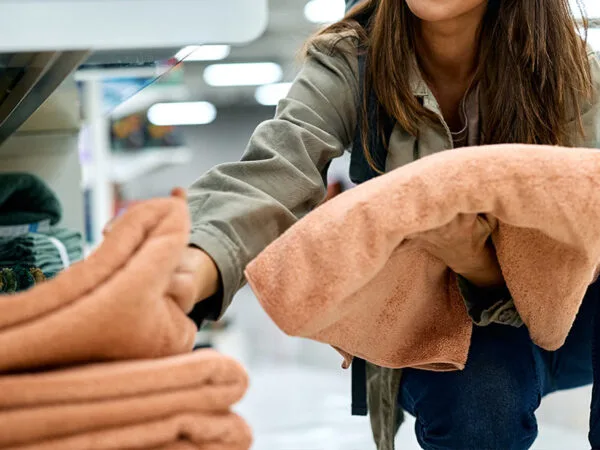
في سوق المنسوجات العالمية سريعة الخطى اليوم، تتجه العلامات التجارية والمصنعون نحو حلول أقمشة مخصصة للغاية. تصنيع المنسوجات المخصصة لقد أصبح ضروريًا للشركات التي تهدف إلى تمييز منتجاتها وتحسين رضا المستهلكين والحفاظ على جودة متسقة عبر الدفعات.
بحسب تقارير صناعة النسيج العالمية 2025, ومن المتوقع أن يصل سوق المنسوجات العالمية 1.2 تريليون دولار أمريكي, ، مع الأقمشة المخصصة والحلول المخصصة تنمو في 6.8% CAGR. إن ظهور التجارة الإلكترونية، وتخصيص الديكور المنزلي، والطلب المستدام على المنتجات يدفع الحاجة إلى أقمشة متعددة الاستخدامات وعالية الأداء.
تتكامل الشركات المصنعة الحديثة الآن:
- أنظمة الحياكة السداة واللحمة المتقدمة
- تقنيات الطباعة والنقش الرقمي
- الأتمتة الروبوتية وفحص الجودة بمساعدة الذكاء الاصطناعي
- مواد صديقة للبيئة وعمليات صباغة منخفضة التأثير
يسمح هذا التكامل بإنتاج متسق وقابل للتطوير مع تلبية معايير المستهلك والتنظيمية والاستدامة الصارمة بشكل متزايد.
التقنيات الأساسية في صناعة المنسوجات المخصصة
تقنيات حياكة السداة وحياكة اللحمة
حياكة الاعوجاج
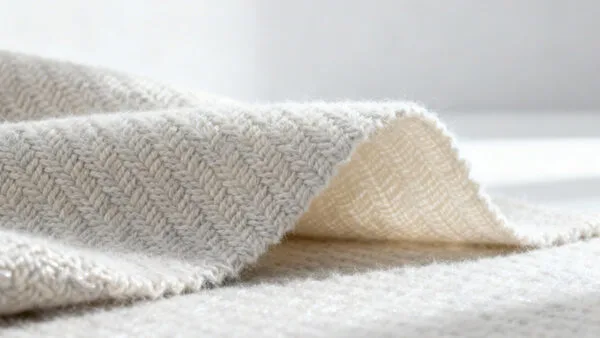
حياكة السداة تخلق أقمشة مستقرة هيكليًا ومناسبة لـ تطبيقات واسعة النطاق مثل المفروشات ومنتجات العزل والمنسوجات الصناعية.
- التطبيقات: أطقم الفراش، أقمشة الستائر، الألعاب القطيفة
- الفوائد الرئيسية: قوة شد عالية، ثبات الأبعاد، تشطيب سطحي متعدد الاستخدامات
حياكة اللحمة
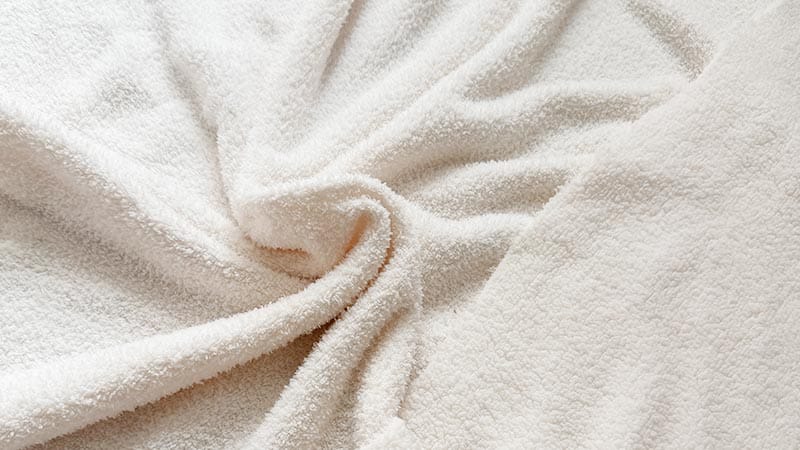
توفر حياكة اللحمة أقمشة ناعمة ومرنة وقابلة للتمدد, ، يشيع استخدامها في الملابس وملابس النوم والألعاب القطيفة.
- التطبيقات: بيجامة، ملابس غير رسمية، ألعاب محشوة
- الفوائد الرئيسية: ملمس مريح، مرونة عالية، مثالي للأنماط المعقدة
جدول مقارن: السداة مقابل حياكة اللحمة
| ميزة | حياكة الاعوجاج | حياكة اللحمة |
|---|---|---|
| الاستقرار الهيكلي | عالي | متوسط |
| قابلية التمدد | منخفض | عالي |
| تخصيص السطح | النقش، الجاكار | الطباعة والتطريز |
| التطبيقات المثالية | المنسوجات المنزلية والعزل | الملابس والألعاب القطيفة |
تقنيات تشطيب الأقمشة المتقدمة
تطبيقات الطباعة الرقمية والرقائق
تسمح الطباعة الرقمية تخصيص دفعة صغيرة, ، تمكين العلامات التجارية من الإنتاج أنماط فريدة بدون أدوات باهظة الثمن. تضيف تطبيقات الرقائق لمسات معدنية إلى الأقمشة للمجموعات الفاخرة والموسمية.
نسج الجاكار
يتضمن نسج الجاكار أنماط معقدة مباشرة في القماش, ، مما يوفر متانة عالية ومرونة في التصميم. تُستخدم هذه الطريقة على نطاق واسع في المنسوجات المنزلية الفاخرة وملابس الموضة.
النقش والضغط الحراري
- يضيف الملمس والعمق إلى الأقمشة
- يعزز الجاذبية البصرية دون التأثير على السلامة الهيكلية
- مناسبة للديكور المنزلي والفراش والمنسوجات الترويجية
اختيار المواد في تصنيع المنسوجات المخصصة
يؤثر اختيار المواد بشكل مباشر المتانة والملمس والأداء والاستدامة.
فئات المواد المشتركة
- الألياف الطبيعية 5 القطن والصوف والكتان
- الإيجابيات: مسامي، ناعم، مستدام
- السلبيات: الانكماش، وتلاشي اللون
- الألياف الاصطناعية 2 بوليستر، نايلون، أكريليك
- الإيجابيات: متين، مقاوم للرطوبة، سريع الألوان
- السلبيات: مخاوف أقل تنفسًا من البلاستيك الدقيق
- الأقمشة المخلوطة 2 قطن بوليستر، قطن ليكرا
- نعومة ومتانة ومرونة متوازنة
جدول التوصيات الخاصة بالصناعة
| صناعة | مادة | فائدة الأداء | خيارات التشطيب |
|---|---|---|---|
| المنسوجات المنزلية | السداة محبوكة البوليستر | متينة وسهلة العناية | النقش، الجاكار |
| ملابس | مزيج القطن والبوليستر | ناعمة ومرنة وجيدة التهوية | الطباعة والتطريز |
| الحمام والمناشف | تيري قطن | امتصاص عالي للماء | الصباغة والقطع |
| ألعاب قطيفة | البوليستر الميكروفايبر | ناعمة وآمنة للأطفال | الخياطة، الخصل |
| صناعي | المنسوجات التقنية | قوة عالية ومقاومة للمواد الكيميائية | الطلاء والتصفيح |
مراقبة الجودة ومعايير الصناعة
ضمان الاتساق والموثوقية أمر بالغ الأهمية لسمعة العلامة التجارية والامتثال التنظيمي.
المعايير الدولية
- ISO 105: ثبات اللون
- ASTM D5034: قوة شد القماش
- معيار OEKO-TEX 100: سلامة المنسوجات والامتثال الكيميائي
طرق التفتيش
- الفحص البصري لتوحيد النسيج
- المسح البصري لدقة النمط
- قياس السُمك والكثافة
- اختبار غير مدمر لقوة الشد والتمزق
مقاييس الجودة الرئيسية
- اتساق الوزن: تباين ±2% لكل دفعة
- ثبات اللون: ≥4 (مقياس ISO)
- استقرار الأبعاد: الانكماش <3%
الممارسات المستدامة في تصنيع المنسوجات المخصصة
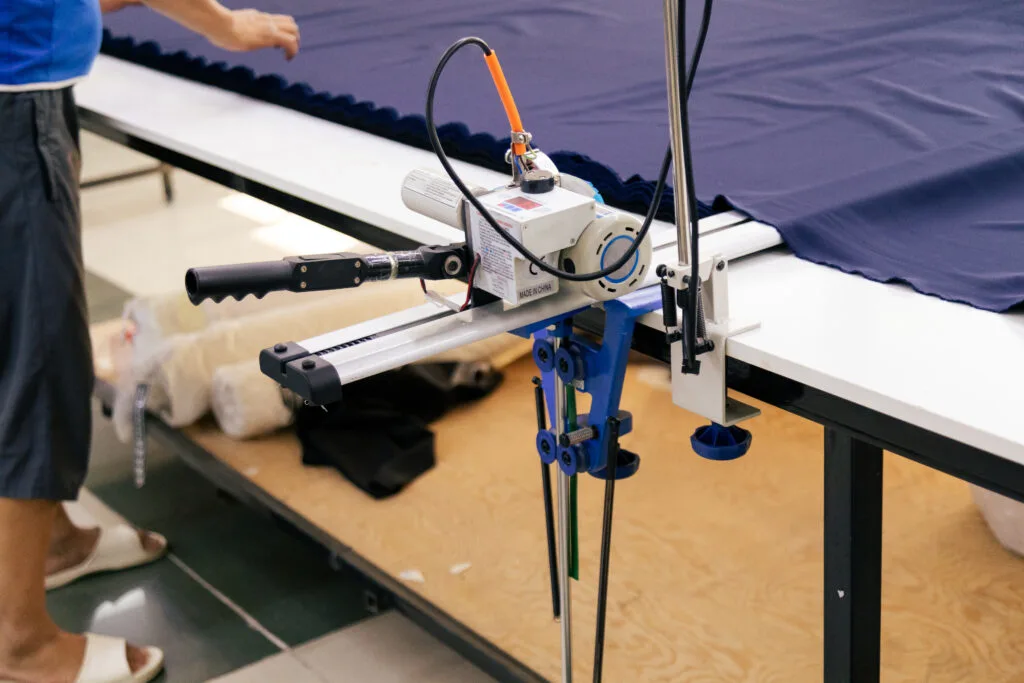
الصناعة تتعرض لضغوط متزايدة لتبنيها أساليب صديقة للبيئة.
الابتكار المادي
- القطن العضوي
- البوليستر المعاد تدويره من زجاجات PET
- ألياف الخيزران
استدامة الإنتاج
- الزخرفة الرقمية تقلل من نفايات القماش
- تعمل الحياكة الآلية على تحسين استخدام الخيوط
- أنظمة إعادة تدوير المياه والصباغة ذات الحلقة المغلقة
دراسة حالة: المنسوجات المنزلية الصديقة للبيئة
- تحولت إحدى العلامات التجارية الأوروبية الرائدة في مجال المنسوجات المنزلية إلى البوليستر المعاد تدويره 100% لخط الفراش الخاص بها
- نتيجة: 35% انخفاض في استخدام المياه، 28% انخفاض في انبعاثات ثاني أكسيد الكربون، والحفاظ على جودة النسيج المتميزة
الأتمتة الحديثة والتكامل التكنولوجي
الروبوتات والذكاء الاصطناعي في الإنتاج
- تعمل آلات السداة واللحمة الآلية على تقليل الأخطاء البشرية
- يكتشف الفحص البصري بمساعدة الذكاء الاصطناعي عيوب النسيج أو الحياكة
- تدعم الروبوتات الاتساق بكميات كبيرة
محاكاة التوأم الرقمي
- يحاكي التوائم الرقمية ظروف الإنتاج قبل التصنيع الفعلي
- يتيح تحسين شد القماش وتغذية الخيوط ومعلمات التشطيب
- يقلل من معدلات الخردة ويقصر دورات الإنتاج
مقارنات التكلفة والكفاءة
| طريقة الإنتاج | تكلفة | مرونة الدفعة | سرعة | طلب |
|---|---|---|---|---|
| النسيج التقليدي | متوسط | منخفض | معتدل | الأقمشة الصناعية والأساسية |
| الجاكار والطباعة الرقمية | عالي | عالي | سريع للدفعات الصغيرة | منزل ممتاز، الموضة |
| أتمتة الحياكة الاعوجاج | متوسط الارتفاع | متوسط | سريع | المنسوجات المنزلية واسعة النطاق |
| خلطات الحياكة اللحمة | متوسط | عالي | معتدل | الملابس والألعاب القطيفة |
دراسة حالة: إطلاق العلامة التجارية للملابس
هدف: أطلق خط بيجامة بوتيكي باستخدام أقمشة مخصصة.
حل:
- مزيج مختار من القطن والبوليستر لنعومة ومتانة
- الطباعة الرقمية التطبيقية للأنماط الموسمية
- عمليات فحص الجودة المتكاملة في كل مرحلة إنتاج
نتيجة:
- تقليل العيوب بحلول عام 20%
- تم تحقيق 98% التسليم في الوقت المحدد
- تعليقات العملاء الإيجابية حول ملمس القماش ووضوح الطباعة
خاتمة
تصنيع المنسوجات المخصصة لم يعد ترفا؛ إنه نهج استراتيجي للعلامات التجارية التي تبحث الجودة والتخصيص والاستدامة. من خلال الجمع بين الحياكة والنسيج المتقدمين، وتقنيات التشطيب، والفحص بمساعدة الذكاء الاصطناعي، والممارسات الصديقة للبيئة، يمكن للمصنعين إنتاج أقمشة عالية الأداء مصممة خصيصًا لتطبيقات متنوعة.
من المنسوجات المنزلية والملابس إلى الأقمشة الصناعية والمتخصصة، فإن اعتماد التقنيات الحديثة يضمن جودة متسقة، ويقلل من النفايات، ويزيد من رضا المستهلك. ستظل العلامات التجارية التي تستثمر في هذه الاستراتيجيات قادرة على المنافسة في سوق المنسوجات العالمية المتطورة.
الأسئلة الشائعة
س: ما هو تصنيع المنسوجات المخصصة?
ج: يشير إلى إنتاج أقمشة مصممة خصيصًا لتطبيقات محددة، بما في ذلك الملمس والتصميم والأداء.
س: ما هي الصناعات الأكثر فائدة؟
ج: المنسوجات المنزلية والملابس ومنتجات الحمامات ولعب الأطفال والمنسوجات التقنية.
س: كيف يمكن مقارنة الطباعة الرقمية بالطرق التقليدية؟
ج: تتيح الطباعة الرقمية تخصيصًا عالي الجودة على دفعات صغيرة، في حين أن الطرق التقليدية أكثر ملاءمة للإنتاج الضخم.
س: هل يمكن للشركات الصغيرة الوصول إلى هذه الخدمات؟
ج: نعم، تقدم الشركات المصنعة عينات من عمليات التشغيل، وإنتاج دفعات صغيرة، ووضع العلامات الخاصة.
س: كيف يتم ضمان الجودة والاستدامة؟
ج: من خلال معايير ISO، وعمليات فحص الدفعات، والمواد الصديقة للبيئة، وعمليات الصباغة ذات الحلقة المغلقة.
س: ما هي الاتجاهات التي تشكل المستقبل؟
ج: الروبوتات، وفحص الذكاء الاصطناعي، والتوائم الرقمية، واعتماد المواد البيئية، والإنتاج حسب الطلب.