
Welcome to My Blog! I’m thrilled to have you here!
Before we dive into the content, I’d love for you to join me on my social media platforms. It’s where I share extra insights, connect with our amazing community, and keep you updated on the latest news.
Here’s how you can stay connected:
📘 Facebook: Suzhou Xize Textile Technology Co., ltd.
Now, let’s embark on this journey together! I hope you find the content here not only insightful but also inspiring and valuable. Let’s get started!
Table of Contents
Introduction
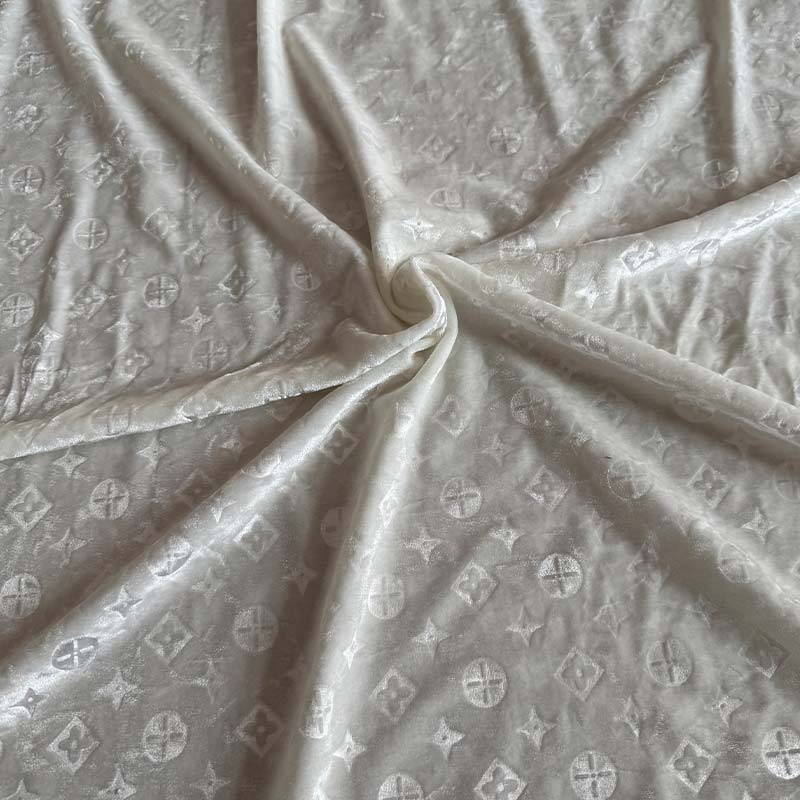
In the global textile market, material selection has shifted from “appearance-driven” to “performance-driven luxury.” Among premium fabrics, Printed Velvet Fabric has emerged as one of the fastest-growing categories due to its combination of softness, visual depth, durability, and design versatility.
According to the 2025 Global Textile Materials Report (Textile Exchange & McKinsey insights), demand for velvet-based decorative fabrics has increased by approximately 18–22% year-over-year in premium home textile and fashion segments, especially in Europe, North America, and the Middle East.
However, not all velvet fabrics deliver the same performance. The quality of Printed Velvet Fabric varies significantly depending on fiber composition, printing technology, embossing precision, dye stability, and finishing techniques. Poor-quality velvet may suffer from fading, pilling, and deformation after only a few wash cycles, while premium-grade velvet can maintain structure and color integrity for years.
This makes quality evaluation a critical factor for manufacturers, designers, and bulk buyers.
Printed Velvet Fabric Quality Overview and Industrial Definition
What Defines Printed Velvet Fabric Quality?
The quality of Printed Velvet Fabric refers to a combination of physical, visual, and functional performance indicators, including:
- Fiber density and pile uniformity
- Color fastness under washing and light exposure
- Embossed pattern clarity and depth consistency
- Fabric tensile strength and tear resistance
- Surface durability against pilling and abrasion
In industrial textile engineering, quality is measured not only visually but also through standardized lab testing protocols.
Structural Engineering of Printed Velvet Fabric
Printed velvet is composed of multiple engineered layers:
Fabric Layer System
- Base fabric layer: Provides structural stability
- Velvet pile layer: Creates softness and insulation
- Printed/embossed layer: Defines aesthetic texture and pattern
The interaction between these layers determines the final performance of Printed Velvet Fabric.
Advanced Manufacturing Process Behind Printed Velvet Fabric Quality
Fiber Engineering and Yarn Selection
High-end printed velvet typically uses:
- Polyester microfiber (0.8–1.2 denier)
- Korean velvet filament yarn
- Blended elastic fibers for flexibility
Fine fiber diameter improves:
- Softness index
- Printing resolution
- Light reflection uniformity
Printing Technology in Printed Velvet Fabric Production
Modern production uses:
Digital Reactive Printing
- High color precision
- Strong dye penetration
- Reduced environmental waste
Heat Transfer Printing
- Fast production cycles
- Suitable for mass customization
Pigment Printing
- Cost-effective solution
- Moderate durability level
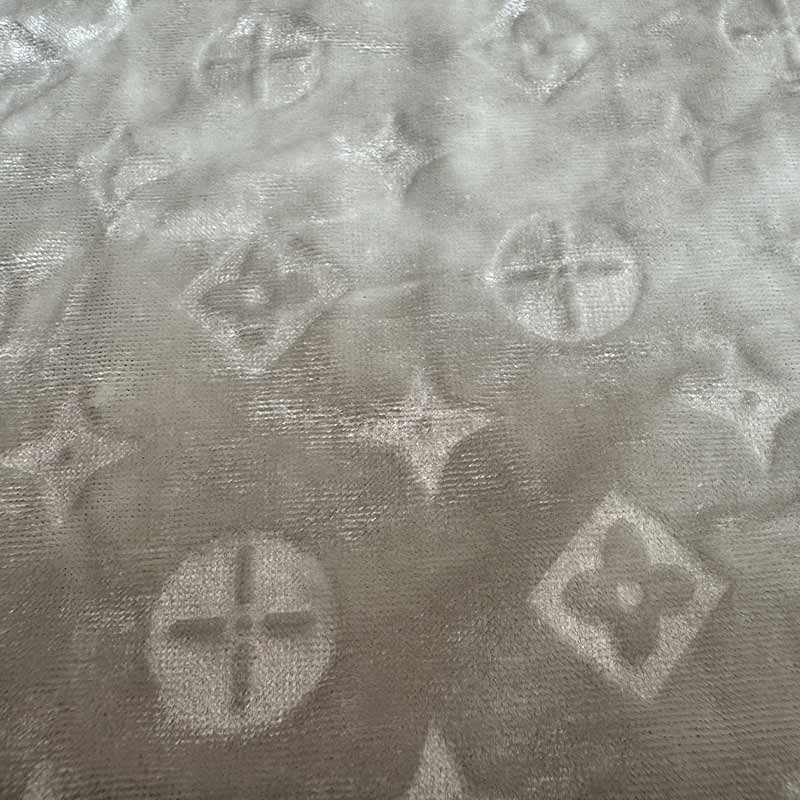
Embossing Technology and Texture Formation
Embossing is a critical quality factor in Printed Velvet Fabric.
Process Parameters
- Temperature: 120°C–180°C
- Pressure: 30–80 tons depending on pattern depth
- Duration: 10–25 seconds
Pattern Types
- Geometric (diamond, wave)
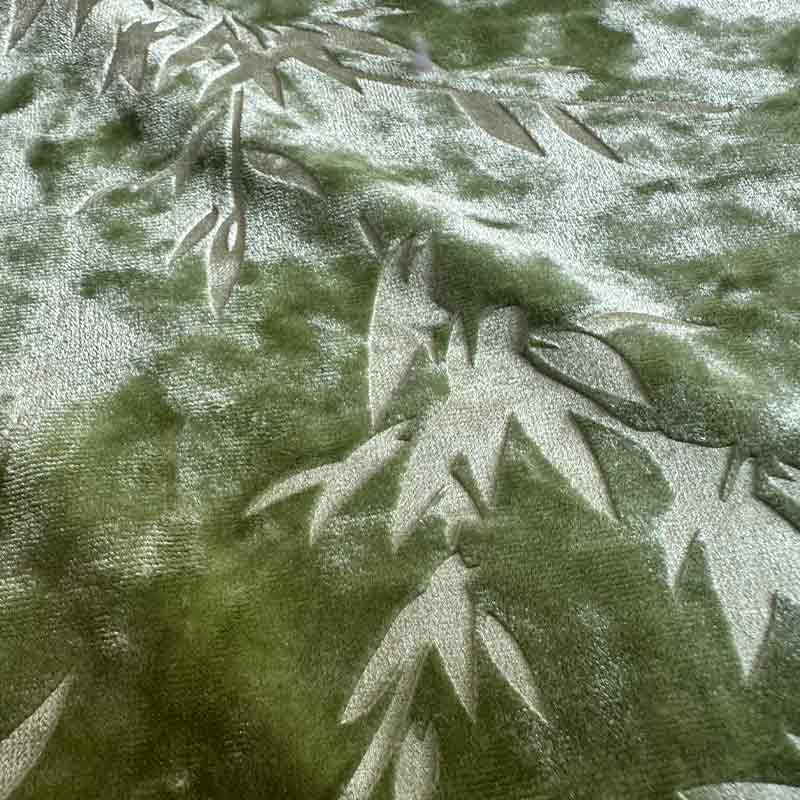
- Floral embossing
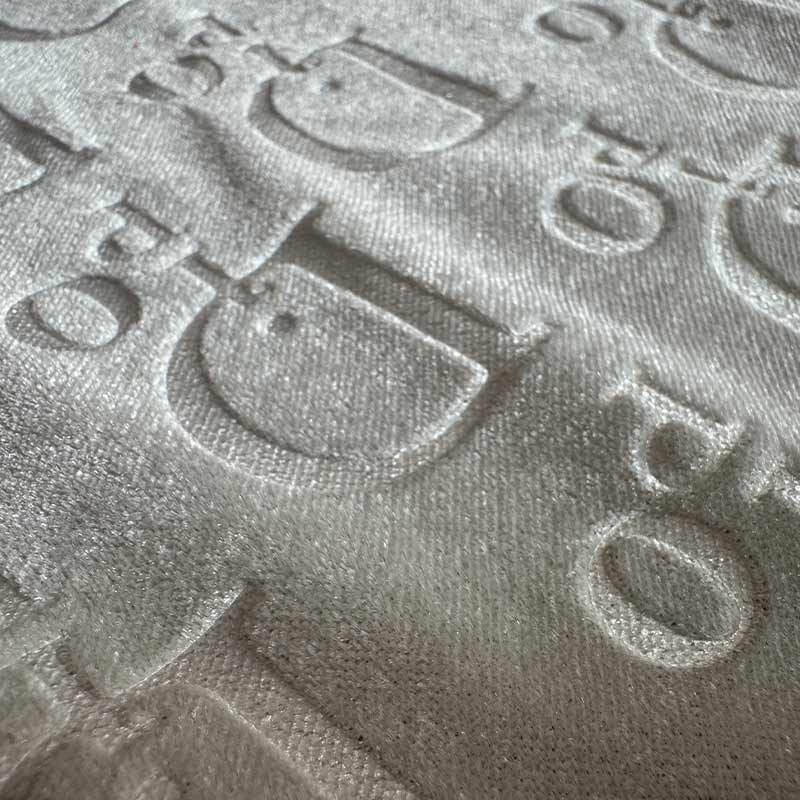
- 3D abstract textures
Finishing Technology and Surface Optimization
Post-processing determines final fabric performance:
- Anti-pilling coating
- Softening treatment
- Anti-static finishing
- Color fixation enhancement
High-quality finishing increases fabric lifespan by 30–50% according to textile durability studies.
Printed Velvet Fabric Quality Standards and Testing Systems
International Textile Testing Standards
Premium Printed Velvet Fabric is evaluated under:
- ISO 105-C06 (washing color fastness)
- ISO 12947 (abrasion resistance test)
- ASTM D4966 (Martindale wear testing)
- AATCC 8 (rub fastness test)
Performance Benchmark Data
| Test Item | High-End Velvet | Standard Velvet |
|---|---|---|
| Color Fastness | Grade 4–5 | Grade 3 |
| Abrasion Resistance | >20,000 cycles | 8,000–12,000 cycles |
| Pilling Resistance | Grade 4–5 | Grade 2–3 |
| Tensile Strength | >450 N | 250–350 N |
| Shrinkage Rate | <2% | 4–6% |
Printed Velvet Fabric vs Other Fabric Types (Deep Comparison)
Printed Velvet Fabric vs Jacquard Fabric
| Feature | Printed Velvet | Jacquard |
|---|---|---|
| Surface Texture | Soft + embossed | Woven pattern |
| Visual Depth | High | Medium |
| Comfort Level | Very High | Medium |
| Use Cases | Fashion + Home décor | Curtains + upholstery |
Printed Velvet Fabric vs Plain Velvet
- Printed velvet offers higher visual customization
- Plain velvet provides simpler aesthetic but less design flexibility
- Printed velvet has stronger commercial appeal in retail markets
Printed Velvet Fabric vs Faux Suede
- Velvet: softer, more luxurious appearance
- Suede: matte finish, more durable in outdoor use
- Velvet dominates indoor luxury applications
Industrial Applications of Printed Velvet Fabric
Fashion Industry Applications
High-End Apparel
Used in:
- Evening dresses
- Winter coats
- Luxury loungewear
- Boutique fashion collections
Market Insight
According to 2024 fashion supply chain data, velvet-based garments account for 12–15% of winter luxury fabric usage in Europe.
Home Textile Applications
- Premium sofa upholstery
- Hotel interior decoration
- Curtain systems
- Luxury bedding accessories
Printed velvet enhances spatial depth and perceived interior value.
Commercial Interior Design
- Theater curtains
- Exhibition booths
- Restaurant luxury seating
- Hotel lobby design
Printed Velvet Fabric Quality Control System
Laboratory Inspection Process
Step 1: Incoming Material Testing
- Fiber composition analysis
- Yarn tensile strength test
Step 2: In-Process Monitoring
- Printing alignment check
- Embossing depth measurement
Step 3: Final Product Evaluation
- Color consistency inspection
- Wash durability testing
Digital Quality Management Systems
Modern factories use:
- AI-based defect detection
- Fabric surface scanning systems
- Color deviation monitoring tools
These systems reduce defect rates by up to 25–40% in high-end production lines.
Printed Velvet Fabric Market Trends and White Paper Insights
Global Market Growth Drivers
- Rising demand for luxury home décor
- Growth of fast fashion premium lines
- Increasing consumer preference for tactile fabrics
Industry White Paper Insights (2025)
Key findings include:
- Velvet fabrics are increasingly replacing synthetic leather in home décor
- Sustainable velvet production is growing at +14% annually
- Digital printing adoption exceeds 60% in new velvet production lines
Sustainability and Environmental Development
Eco-Friendly Innovations
Modern Printed Velvet Fabric production includes:
- Water-based dye systems
- Low-energy embossing machines
- Recycled polyester fibers
Environmental Impact Reduction
Sustainable production reduces:
- Water consumption by 25–40%
- Carbon emissions by 15–20%
- Chemical waste by 30%
Printed Velvet Fabric Buying Decision Framework
Step 1: Define Application Purpose
- Fashion → Softness + drape priority
- Upholstery → Durability priority
- Accessories → Visual design priority
Step 2: Evaluate Fabric Specifications
Key parameters:
- GSM (grams per square meter): 180–350 GSM
- Pile height: 1.0–2.5 mm
- Stretch ratio: 5–15%
Step 3: Check Quality Certification
- ISO textile certification
- OEKO-TEX Standard 100
- SGS testing reports
Printed Velvet Fabric Quality Selection Table
| Factor | Low Quality | High Quality |
|---|---|---|
| Surface Feel | Rough | Ultra-soft |
| Print Clarity | Blurry | High-definition |
| Durability | Low | Long-lasting |
| Color Stability | Weak | Strong |
| Elastic Recovery | Poor | Excellent |
Real-World Industry Case Study
A European home textile brand switched to premium Printed Velvet Fabric for sofa covers:
Results:
- Product return rate reduced by 35%
- Customer satisfaction increased by 42%
- Product lifespan improved from 2 years to 4+ years
FAQ
What determines Printed Velvet Fabric quality most?
Fiber density, printing technology, and finishing treatment are the most critical factors.
Does Printed Velvet Fabric fade over time?
High-quality velvet with reactive dye printing resists fading for years.
Is Printed Velvet Fabric suitable for upholstery?
Yes, especially high GSM versions (250–350 GSM) are ideal.
How long does Printed Velvet Fabric last?
Premium fabrics can last 3–5 years or longer depending on usage.
What is the best GSM for velvet fabric?
- Clothing: 180–250 GSM
- Upholstery: 250–350 GSM
Conclusion
The performance and commercial value of Printed Velvet Fabric depend heavily on its quality engineering, from fiber selection to printing precision and finishing treatment.
As global demand for premium textiles continues to grow, manufacturers and buyers must prioritize measurable quality indicators rather than visual appearance alone.
High-quality printed velvet is not just a textile material—it is a combination of engineering precision, aesthetic design, and long-term durability, making it a core material in modern fashion and interior industries.