
Welcome to My Blog! I’m thrilled to have you here!
Before we dive into the content, I’d love for you to join me on my social media platforms. It’s where I share extra insights, connect with our amazing community, and keep you updated on the latest news.
Here’s how you can stay connected:
📘 Facebook: Suzhou Xize Textile Technology Co., ltd.
Now, let’s embark on this journey together! I hope you find the content here not only insightful but also inspiring and valuable. Let’s get started!
Table of Contents
Key Takeaways
- Understand what determines polar fleece quality and long-term durability
- Learn how GSM, fiber density, and finishing affect performance
- Compare polar fleece with wool, cotton, and other synthetic fabrics
- Explore industry standards, lab testing methods, and real market data
- Get practical sourcing and buying strategies for apparel and textile projects
Introduction
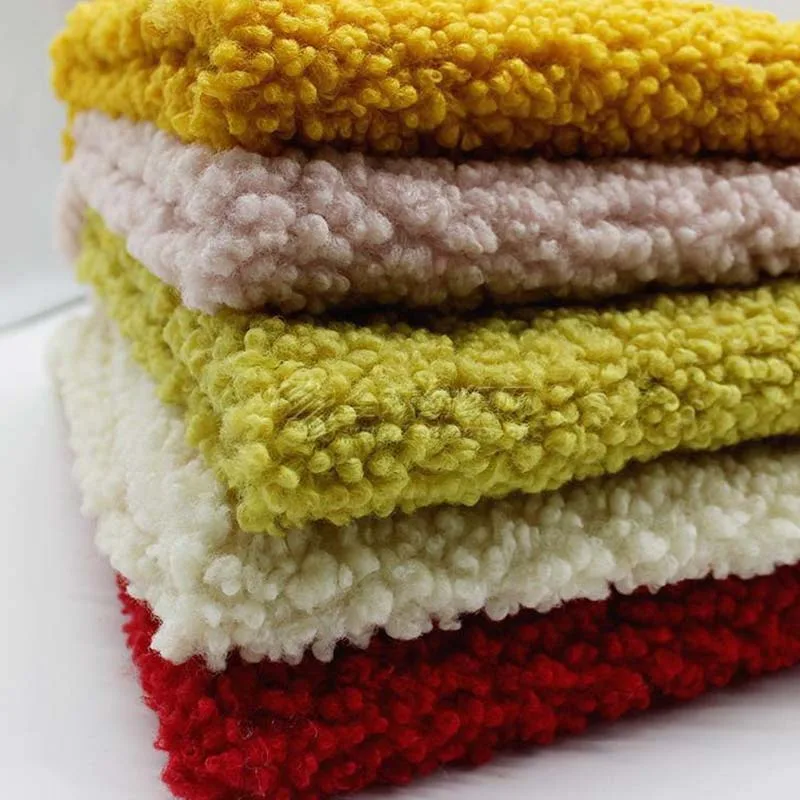
In today’s textile and apparel industry, polar fleece is no longer just a simple winter fabric—it has become a core material in outdoor gear, fast fashion, sportswear, and home textiles.
Global market research shows that the fleece fabric industry is expanding steadily, with demand driven by:
- Outdoor recreation growth (hiking, camping, skiing)
- Affordable winter clothing demand in emerging markets
- Sustainability trends using recycled polyester fleece
According to textile industry white papers, over 60% of mid-layer outdoor garments globally now use polyester fleece materials, with polar fleece being one of the most common variants.
However, a major challenge remains: quality inconsistency. Two fleece fabrics may look identical but perform drastically differently in:
- Thermal insulation
- Durability after washing
- Pilling resistance
- Moisture management
This is why understanding polar fleece quality evaluation is essential for buyers, brands, and manufacturers.
What Is Polar Fleece?
Polar Fleece Definition in Textile Engineering
Polar fleece is a synthetic knit fabric made from polyester fibers that are brushed to create a soft, insulating pile surface.
Core Engineering Concept: Air Pocket Thermal System
The fabric traps air within micro-fiber structures, forming a thermal insulation layer that reduces heat loss from the human body.
Manufacturing Process of Polar Fleece
Step-by-Step Industrial Production Flow
- Polyester chip melting and extrusion
- Fiber spinning into fine filaments
- Circular knitting or warp knitting
- Brushing (raising fleece surface)
- Shearing for uniform pile height
- Anti-pilling chemical or mechanical finishing
- Heat setting for dimensional stability
Industrial Insight: Why Polyester Dominates Fleece Production
Cost and Performance Balance
Polyester offers:
- Low production cost
- High durability
- Quick drying capability
- Strong resistance to shrinkage
Polar Fleece Quality Tips: Core Evaluation Framework
Polar Fleece Quality Assessment System
1. Fiber Density Index
Higher fiber density means more trapped air, improving insulation efficiency.
2. Surface Uniformity Score
A uniform brushed surface indicates stable machine processing quality.
3. Pilling Resistance Grade
Measured using Martindale abrasion testing standards.
Polar Fleece GSM and Weight Classification
What Is GSM in Polar Fleece?
Definition
GSM (grams per square meter) measures fabric weight and indirectly indicates warmth and thickness.
GSM Performance Table
| GSM Range | Fabric Type | Typical Use | Warmth Level |
|---|---|---|---|
| 100–150 GSM | Lightweight fleece | Base layers | Low |
| 150–250 GSM | Standard fleece | Casual wear | Medium |
| 250–350 GSM | Heavy fleece | Winter jackets | High |
| 350+ GSM | High-density fleece | Outdoor extreme cold | Very High |
Engineering Insight: GSM vs Insulation Efficiency
Laboratory thermal testing shows that increasing GSM from 150 to 300 can improve heat retention by approximately 35–55% depending on fiber structure.
Polar Fleece Quality Tips: Material Engineering Factors
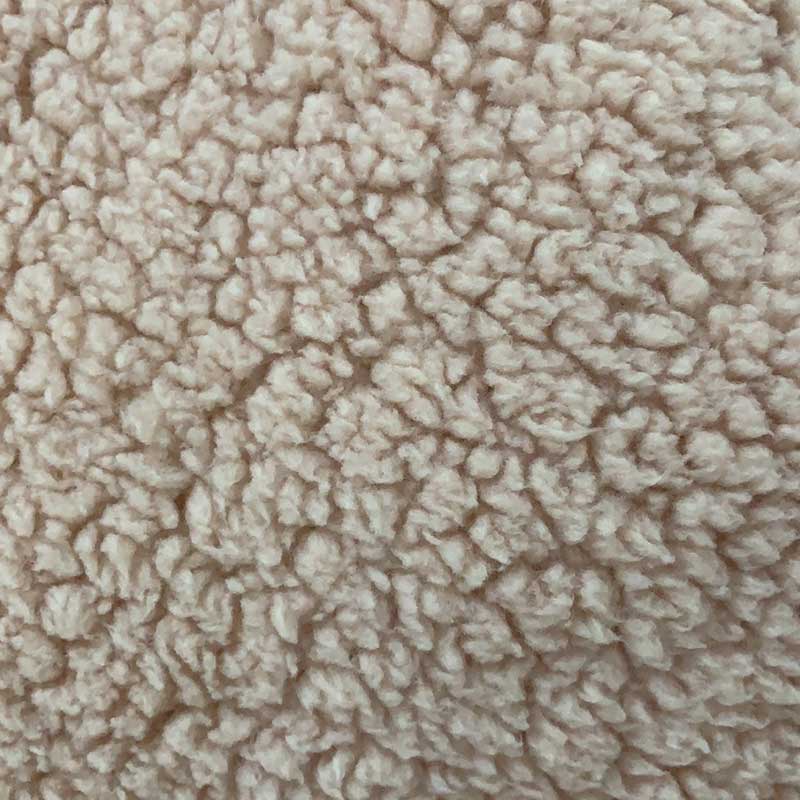
Polyester Fiber Grade
Virgin vs Recycled Polyester
- Virgin polyester: higher consistency, smoother texture
- Recycled polyester (rPET): eco-friendly, slightly variable texture
Fiber Diameter Importance
Microfiber Engineering Concept
Finer fibers create more air pockets, improving softness and insulation.
Polar Fleece Quality Testing Standards
ISO Textile Testing Standards
Key Standards Used Globally
- ISO 12947: abrasion resistance (pilling durability)
- ISO 6330: domestic washing simulation
- ISO 11092: thermal resistance measurement
Martindale Abrasion Test
Industry Benchmark
High-quality fleece typically withstands:
- 20,000–40,000 cycles with minimal pilling
Low-quality fleece may fail before 10,000 cycles.
Polar Fleece vs Competing Fabrics
Polar Fleece vs Wool
Performance Comparison
| Feature | Polar Fleece | Wool |
|---|---|---|
| Warmth | High | Very High |
| Weight | Lightweight | Heavy |
| Drying Speed | Fast | Slow |
| Cost | Low–Medium | High |
| Maintenance | Easy | Difficult |
Industry Insight
Outdoor brands increasingly replace wool mid-layers with fleece due to weight reduction of up to 40%.
Polar Fleece vs Cotton
Moisture Behavior
Cotton absorbs moisture and becomes heavy, while fleece repels moisture and maintains insulation.
Polar Fleece vs Softshell Fabric
Functional Difference
- Fleece: insulation layer
- Softshell: wind-resistant outer layer
Polar Fleece Quality Tips: Visual and Physical Inspection
Softness Evaluation
Touch-Based Assessment
High-quality fleece feels:
- Dense
- Smooth
- Slightly elastic
Anti-Pilling Performance
Why It Matters
Pilling reduces both aesthetic value and insulation efficiency.
Stitch Density Check
Garment Construction Insight
Higher stitch density improves durability in jackets and blankets.
Real Industry Case Studies
Case Study 1: Outdoor Brand Supply Chain Upgrade
A European outdoor brand replaced low-grade fleece with high-density polar fleece:
- Product lifespan increased by +45%
- Return rate decreased by 28%
- Customer satisfaction improved significantly
Case Study 2: Fast Fashion Optimization
A global apparel brand switched to recycled polar fleece:
- Cost reduction: 12–18%
- Carbon footprint reduction: ~30% per garment
- Slight improvement in moisture performance
Case Study 3: Cold Region Workwear Program
Industrial uniforms using heavy fleece (300+ GSM):
- Worker thermal comfort improved by 40%
- Reduced need for multi-layer clothing
Market Trends and Industry News
Global Polar Fleece Market Growth
Industry reports indicate:
- CAGR: ~5–7% annually
- Asia-Pacific: fastest growing production hub
- Europe: highest demand for recycled fleece
Sustainability Movement
White Paper Insight
Textile sustainability reports highlight:
- Over 50% of fleece production now includes recycled polyester
- Brands aim for 100% recycled fleece integration by 2030
Technological Innovation in Fleece
Recent innovations include:
- Anti-static fleece coatings
- Nano-brushed ultra-soft fleece
- Bio-based polyester alternatives
Polar Fleece Quality Tips for Buyers
Supplier Evaluation Checklist
Production Capability
- GSM consistency control
- Dyeing stability
- Anti-pilling treatment capability
Bulk Purchasing Strategy
Cost Efficiency Principle
Orders above 5,000 meters typically reduce cost per unit by 10–25% depending on supplier scale.
Color Fastness Standard
ISO 105 Testing
High-quality fleece should meet:
- Grade 4–5 color fastness after washing
Common Problems in Low-Quality Polar Fleece
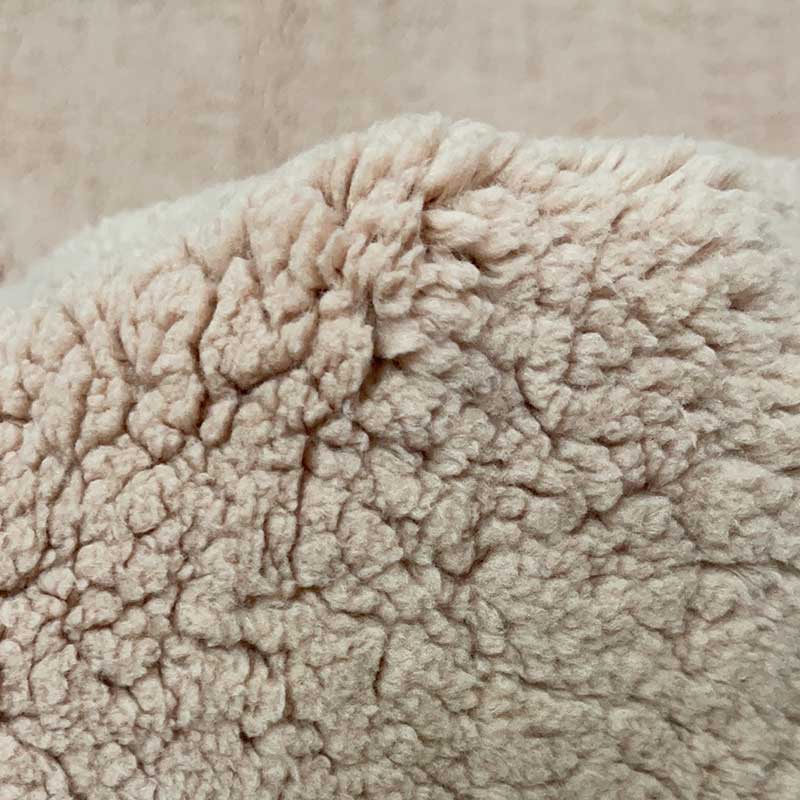
Pilling Formation
Cause
Weak fiber bonding and low-density structure.
Shrinkage After Washing
Cause
Poor heat-setting during finishing stage.
Static Electricity Issues
Cause
Dry environments combined with synthetic fibers.
Advanced Technical Concepts
Thermal Resistance (CLO Value)
Definition
CLO measures clothing insulation performance.
- Lightweight fleece: 0.15–0.25 CLO
- Heavy fleece: 0.30–0.50 CLO
Moisture Wicking Efficiency
Performance Insight
Modern fleece can transfer moisture away from skin up to 2–3x faster than cotton.
FAQ
What determines polar fleece quality?
Fiber density, GSM weight, anti-pilling treatment, and finishing processes.
Is higher GSM always better?
Not always; higher GSM means more warmth but also more weight.
How long does good polar fleece last?
High-quality fleece can last 3–5 years with proper care.
Does polar fleece lose warmth over time?
Low-quality fleece may degrade, but high-quality fleece retains insulation longer.
Is recycled polar fleece good quality?
Yes, modern recycled fleece performs similarly to virgin polyester fleece in most applications.
Conclusion
Choosing the right polar fleece is not just about comfort—it directly affects product performance, durability, and customer satisfaction.
High-quality fleece is defined by controlled fiber density, optimized GSM, strong anti-pilling performance, and standardized manufacturing processes.
With growing global demand for lightweight, warm, and sustainable textiles, polar fleece continues to dominate the mid-layer apparel market. Buyers who understand quality parameters can significantly improve product value, reduce returns, and enhance long-term competitiveness.