
Welcome to My Blog! I’m thrilled to have you here!
Before we dive into the content, I’d love for you to join me on my social media platforms. It’s where I share extra insights, connect with our amazing community, and keep you updated on the latest news.
Here’s how you can stay connected:
📘 Facebook: Suzhou Xize Textile Technology Co., ltd.
Now, let’s embark on this journey together! I hope you find the content here not only insightful but also inspiring and valuable. Let’s get started!
Table of Contents
- Suitable for Turkey’s diverse climate, from humid coasts to snowy inland regions
- Offers strong insulation while remaining lightweight and breathable
- Widely used in Turkish apparel, outdoor gear, and home textiles
- Cost-effective alternative to wool for manufacturers and wholesalers
- Flexible across seasons, making it ideal for layering and daily wear
- Growing demand driven by sportswear, e-commerce, and export markets
Introduction
Turkey sits at the intersection of Europe and Asia, and its climate reflects that diversity. From the windy shores of the Marmara region to the cold plateaus of Central Anatolia, consumers and manufacturers must carefully choose materials that perform well across changing environments.
In recent years, polar fabric has become a widely discussed textile option in Turkey. Whether you are a garment manufacturer, fabric wholesaler, or fashion brand, understanding whether this material truly fits the Turkish market is critical for both product performance and business success.
This article provides a comprehensive, data-driven answer to the question: Is polar fabric good for Turkey?
Understanding Polar Fabric in Turkey
What Is Polar Fabric?
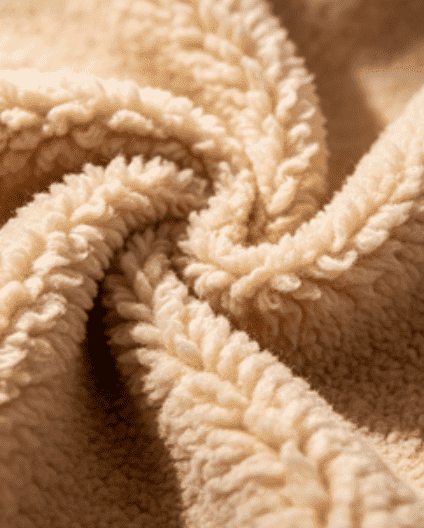
Polar fabric is a synthetic textile primarily made from polyester fibers. It is engineered to trap air within its structure, creating an insulating layer that retains body heat.
It is commonly known for its soft texture and fleece-like feel. Due to its structure, it provides warmth without the heaviness associated with traditional materials like wool.
How Polar Fabric Is Manufactured
Polar fabric is produced through a process that includes knitting, brushing, and finishing. The brushing stage raises fibers on the surface, creating the characteristic soft and fluffy texture.
Modern production techniques often include anti-pilling treatments. These treatments improve durability and make the fabric more suitable for long-term use.
Why Polar Fabric Is Popular Globally
Polar fabric has gained global popularity due to its performance-to-cost ratio. It delivers reliable insulation, easy maintenance, and adaptability across multiple applications.
In Turkey, this combination aligns well with both consumer expectations and manufacturing needs.
Is Polar Fabric Suitable for Turkey’s Climate?
Coastal Regions (Mild and Humid Conditions)
In cities like Istanbul and Antalya, winters are relatively mild but can be damp. Polar fabric works effectively as a mid-layer, offering warmth without causing overheating.
Its quick-drying properties also make it suitable for humid environments.
Inland Regions (Cold and Dry Winters)
Central Anatolia and Eastern Turkey experience harsh winters, with temperatures often dropping below freezing. In these regions, polar fabric is commonly used in outerwear and thermal clothing.
Its ability to retain heat while remaining breathable makes it a practical solution for daily wear.
Seasonal Transitions
Spring and autumn in Turkey can bring rapid temperature changes. Polar fabric provides flexibility during these periods, as it can be easily layered or removed.
Technical Advantages of Polar Fabric
Thermal Performance
Polar fabric has a high warmth-to-weight ratio. According to textile performance studies, fleece materials can retain up to 80% of body heat while remaining lightweight.
Breathability
Unlike some synthetic fabrics, polar fabric allows moisture vapor to escape. This helps regulate body temperature during physical activity.
Moisture Resistance
Polar fabric does not absorb water easily. This makes it ideal for outdoor use, especially in regions with variable weather conditions.
Durability
With anti-pilling treatment, polar fabric maintains its surface quality even after repeated washing. This is particularly important for commercial and industrial applications.
Types of Polar Fabric for Different Uses
| Type of Polar Fabric | Weight (GSM) | Key Features | Applications |
|---|---|---|---|
| Micro Polar Fabric | 100–200 GSM | Lightweight, breathable | Base layers, sportswear |
| Medium Polar Fabric | 200–300 GSM | Balanced warmth | Hoodies, casual wear |
| Heavy Polar Fabric | 300–400 GSM | High insulation | Jackets, winter coats |
| Anti-Pilling Polar | 200–350 GSM | Durable surface | Premium apparel |
| Printed Polar Fabric | 150–300 GSM | Custom designs | Fashion, branding |
Polar Fabric vs Other Materials
Polar Fabric vs Wool
Wool is a natural insulator but tends to be heavier and more expensive. Polar fabric offers a similar level of warmth at a lower cost and is easier to maintain.
Polar Fabric vs Cotton
Cotton is breathable but lacks insulation. In cold weather, cotton can retain moisture, making it less effective than polar fabric.
Polar Fabric vs Synthetic Alternatives
Compared to materials like nylon or polyester blends, polar fabric provides better softness and thermal comfort.
Industry Applications of Polar Fabric in Turkey
Apparel Manufacturing
Turkey is one of the world’s leading textile exporters. Polar fabric is widely used in sportswear, jackets, and casual clothing produced for both domestic and international markets.
Outdoor and Workwear
Polar fabric is commonly used in uniforms, safety clothing, and outdoor gear. Its durability and insulation make it suitable for demanding environments.
Home Textiles
Polar blankets and throws are popular in Turkish households, especially during winter. They offer comfort at an affordable price.
How to Choose the Right Polar Fabric
Fabric Weight Selection
The choice of weight depends on the intended use. Lightweight fabrics are ideal for layering, while heavier fabrics are better for outerwear.
Surface Quality
Anti-pilling finishes are essential for maintaining a clean and professional appearance over time.
Color and Design Options
For fashion brands, printed and dyed polar fabrics offer opportunities for customization and differentiation.
Compliance with Standards
Buyers should ensure that the fabric meets international standards such as OEKO-TEX certification, which guarantees safety and environmental compliance.
Market Trends of Polar Fabric in Turkey
Growth in Sportswear Demand
The global sportswear market is expanding, and Turkey is no exception. Polar fabric is widely used in activewear due to its comfort and performance.
Sustainability Trends
Recycled polar fabric made from PET bottles is gaining popularity. This aligns with global sustainability initiatives and consumer awareness.
E-commerce Expansion
Online clothing sales in Turkey have increased significantly. This has driven demand for versatile fabrics like polar fabric.
Case Study: Polar Fabric in Turkish Apparel Exports
A mid-sized Turkish garment manufacturer integrated polar fabric into its winter collection. By switching from wool to polar fabric, the company reduced production costs by approximately 20%.
At the same time, customer satisfaction increased due to improved comfort and easier maintenance. The company successfully expanded its exports to European markets.
Standards and Certifications for Polar Fabric
OEKO-TEX Standard 100
This certification ensures that the fabric is free from harmful substances. It is widely recognized in Turkey and Europe.
ISO Textile Standards
ISO standards cover quality, durability, and performance. Compliance with these standards enhances product credibility.
Recycling Certifications
Global Recycled Standard (GRS) certification is increasingly important for sustainable polar fabric products.
Polar Fabric Cost Analysis in Turkey
| Factor | Polar Fabric | Wool | Cotton |
|---|---|---|---|
| Cost per Meter | Low | High | Medium |
| Maintenance | Easy | Complex | Easy |
| Insulation | High | High | Low |
| Durability | High | Medium | Medium |
Future Outlook of Polar Fabric in Turkey
Increasing Demand in Export Markets
Turkey’s textile exports continue to grow. Polar fabric is expected to remain a key material in winter clothing production.
Innovation in Fabric Technology
New developments include improved breathability, anti-bacterial treatments, and eco-friendly production methods.
Integration with Smart Textiles
Polar fabric may be combined with smart textile technologies, such as temperature regulation systems.
FAQ
Is polar fabric good for Turkey’s weather?
Yes, polar fabric performs well across Turkey’s varied climate. It provides insulation in cold regions and works effectively as a layering material in milder areas.
What is polar fabric mainly used for in Turkey?
It is widely used in clothing, including jackets and sportswear, as well as home textiles like blankets.
Is polar fabric better than wool?
Polar fabric is more affordable and easier to maintain than wool, although both provide good insulation.
Does polar fabric meet international standards?
High-quality polar fabric can meet standards such as OEKO-TEX and ISO, ensuring safety and durability.
Is polar fabric suitable for export products?
Yes, polar fabric is commonly used in export-oriented apparel due to its cost efficiency and versatility.
Conclusion
Polar fabric is not only suitable for Turkey—it is highly advantageous. Its ability to adapt to different climates, combined with its affordability and performance, makes it an ideal choice for both consumers and manufacturers.
For businesses targeting the Turkish market, polar fabric offers a strategic opportunity to balance quality, cost, and customer satisfaction. As demand for functional and sustainable textiles continues to grow, polar fabric is expected to play an even more significant role in the future of Turkey’s textile industry.