
¡Bienvenidos a Mi Blog! ¡Estoy encantado de tenerte aquí!
Antes de sumergirnos en el contenido, me encantaría que te unieras a mí en mis plataformas de redes sociales. Es donde comparto ideas adicionales, me conecto con nuestra increíble comunidad y te mantengo actualizado sobre las últimas noticias.
Así es como puedes mantenerte conectado:
📘 Facebook: Suzhou Xize Tecnología Textil Co., ltd.
¡Ahora embarquémonos juntos en este viaje! Espero que el contenido aquí no sólo te resulte revelador sino también inspirador y valioso. ¡Empezemos!
Tabla de contenidos
Conclusiones clave
- Comprenda lo que determina la calidad del vellón polar y su durabilidad a largo plazo
- Descubra cómo GSM, la densidad de la fibra y el acabado afectan el rendimiento
- Compara el vellón polar con la lana, el algodón y otros tejidos sintéticos
- Explore los estándares de la industria, los métodos de prueba de laboratorio y los datos reales del mercado
- Obtenga estrategias prácticas de abastecimiento y compra para proyectos textiles y de indumentaria
Introducción
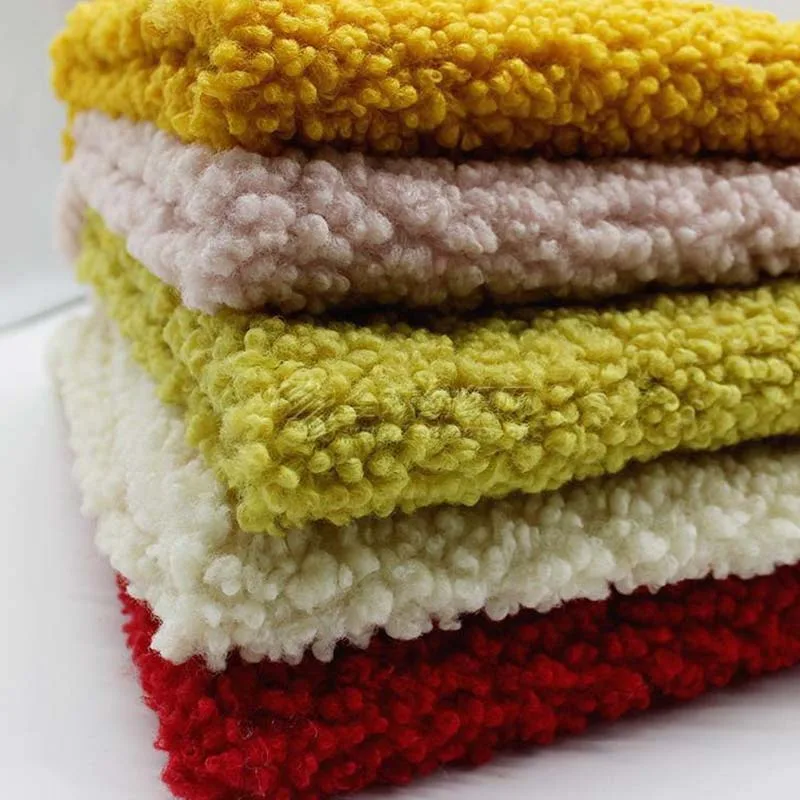
En la industria textil y de la confección actual, vellón polar ya no es sólo un simple tejido de invierno: se ha convertido en un material central en artículos para exteriores, moda rápida, ropa deportiva y textiles para el hogar.
La investigación de mercado global muestra que la industria de tejidos de lana se está expandiendo constantemente, con una demanda impulsada por:
- Crecimiento de la recreación al aire libre (senderismo, acampada, esquí)
- Demanda asequible de ropa de invierno en los mercados emergentes
- Tendencias de sostenibilidad utilizando forro polar de poliéster reciclado
Según los documentos técnicos de la industria textil, cambio 60% de prendas de exterior de capa media a nivel mundial ahora utilizan materiales de forro polar de poliéster, siendo el vellón polar una de las variantes más comunes.
Sin embargo, persiste un desafío importante: la inconsistencia de la calidad. Dos tejidos de forro polar pueden parecer idénticos pero funcionar de manera drásticamente diferente en:
- Aislamiento térmico
- Durabilidad después del lavado
- Resistencia a las píldoras
- Manejo de la humedad
Es por eso que comprender la evaluación de la calidad del vellón polar es esencial para compradores, marcas y fabricantes.
¿qué es el forro polar?
Definición de vellón polar en ingeniería textil
Polar polar es un tejido de punto sintético hecho de fibras de poliéster que se cepillan para crear una superficie de pelo suave y aislante.
Concepto central de ingeniería: sistema térmico de bolsa de aire
La tela atrapa el aire dentro de estructuras de microfibra, formando una capa de aislamiento térmico que reduce la pérdida de calor del cuerpo humano.
Proceso de Fabricación del Polar Polar
Flujo de producción industrial paso a paso
- Fusión y extrusión de virutas de poliéster
- Fibra que gira en finos filamentos
- Tejido circular o tejido por urdimbre
- Cepillado (elevación de la superficie del vellón)
- Corte para una altura uniforme del pilote
- Acabado químico o mecánico antipilling
- Ajuste de calor para estabilidad dimensional
Información industrial: por qué el poliéster domina la producción de forro polar
Balance de Costos y Desempeño
Oferte de poliéster:
- Bajo costo de producción
- Alta durabilidad
- Capacidad de secado rápido
- Fuerte resistencia a la contracción
Polar polar Consejos de calidad: marco de evaluación básico
Sistema de evaluación de la calidad del vellón polar
1. Índice de densidad de fibra
Una mayor densidad de fibra significa más aire atrapado, lo que mejora la eficiencia del aislamiento.
2. Puntuación de uniformidad de la superficie
Una superficie cepillada uniforme indica una calidad de procesamiento estable de la máquina.
3. Grado de resistencia a las pilling
Medido utilizando estándares de prueba de abrasión Martindale.
Polar Polar GSM y Clasificación de Peso
¿qué es GSM en el forro polar?
Definición
GSM (gramos por metro cuadrado) mide el peso de la tela e indica indirectamente calidez y grosor.
Tabla de rendimiento GSM
| Gama GSM | Tipo de tela | Uso típico | Nivel de calor |
|---|---|---|---|
| 100-150 GSM | Polar ligero | Capas base | Bajo |
| 150-250 GSM | Polar estándar | Ropa informal | Medio |
| 250-350 GSM | Polar pesado | Chaquetas de invierno | Alto |
| 350+ GSM | Polar de alta densidad | Frío extremo exterior | Muy alto |
Información de ingeniería: GSM frente a eficiencia de aislamiento
Las pruebas térmicas de laboratorio muestran que aumentar el GSM de 150 a 300 puede mejorar la retención de calor aproximadamente 35-55% dependiendo de la estructura de la fibra.
Consejos de calidad del vellón polar: factores de ingeniería de materiales
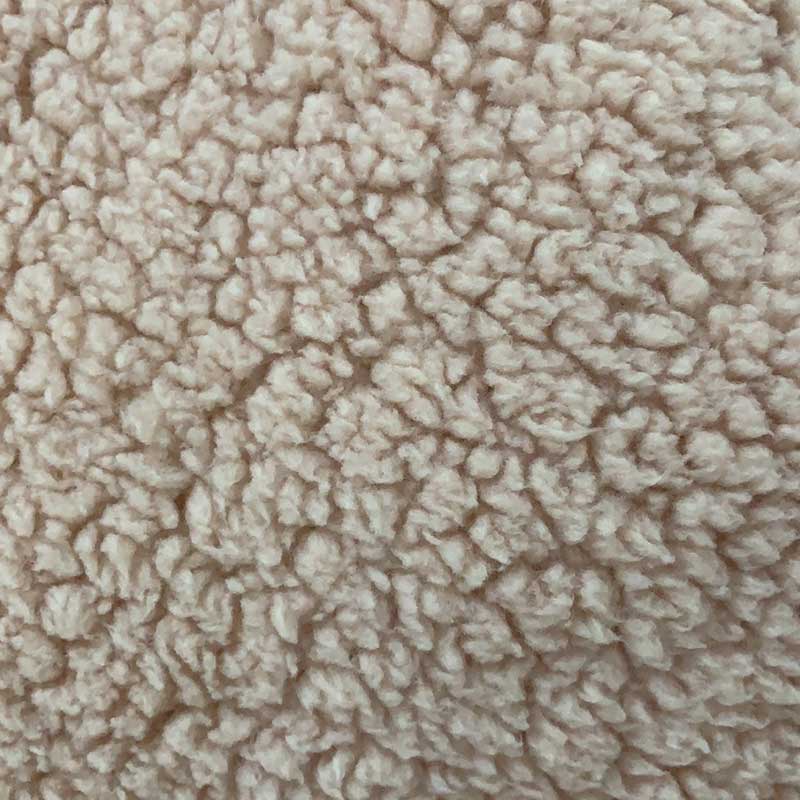
Grado de fibra de poliéster
Poliéster virgen vs reciclado
- Poliéster virgen: mayor consistencia, textura más suave
- Poliéster reciclado (rPET): ecológico, textura ligeramente variable
Importancia del diámetro de la fibra
Concepto de ingeniería de microfibras
Las fibras más finas crean más bolsas de aire, mejorando la suavidad y el aislamiento.
Estándares de pruebas de calidad del vellón polar
Normas ISO de pruebas textiles
Estándares clave utilizados a nivel mundial
- ISO 12947: resistencia a la abrasión (durabilidad de las pilling)
- ISO 6330: simulación de lavado doméstico
- ISO 11092: medición de resistencia térmica
Prueba de abrasión Martindale
Punto de referencia de la industria
El vellón de alta calidad suele resistir:
- 20.000-40.000 ciclos con mínimo picoteo
El vellón de baja calidad puede fallar antes de los 10.000 ciclos.
Polar polar frente a telas competidoras
Polar polar versus lana
Comparación de rendimiento
| Característica | Polar polar | Lana |
|---|---|---|
| Calidez | Alto | Muy alto |
| Peso | Ligero | Pesado |
| Velocidad de secado | Rápido | Lento |
| Costo | Medio bajo-bajo | Alto |
| Mantenimiento | Fácil | Difícil |
Perspectiva de la industria
Las marcas de exterior sustituyen cada vez más las capas medias de lana por vellón debido a la reducción de peso de hasta 40%.
Polar polar versus algodón
Comportamiento de humedad
El algodón absorbe la humedad y se vuelve pesado, mientras que el vellón repele la humedad y mantiene el aislamiento.
Polar polar versus tela Softshell
Diferencia funcional
- Forro polar: capa aislante
- Softshell: capa exterior resistente al viento
Consejos de calidad del vellón polar: inspección visual y física
Evaluación de suavidad
Evaluación táctil
Sensaciones de forro polar de alta calidad:
- Denso
- Suave
- Ligeramente elástico
Rendimiento antipilling
Por qué es importante
El pilling reduce tanto el valor estético como la eficiencia del aislamiento.
Verificación de densidad de puntada
Perspectiva de la construcción de prendas de vestir
Una mayor densidad de puntadas mejora la durabilidad en chaquetas y mantas.
Estudios de casos de la industria real
Estudio de caso 1: Actualización de la cadena de suministro de marcas al aire libre
Una marca europea de exteriores reemplazó el vellón de baja calidad por el vellón polar de alta densidad:
- La vida útil del producto aumentó en +45%
- La tasa de retorno disminuyó en 28%
- La satisfacción del cliente mejoró significativamente
Estudio de caso 2: Optimización rápida de la moda
Una marca mundial de ropa cambió al vellón polar reciclado:
- Reducción de costos: 12-18%
- Reducción de la huella de carbono: ~30% por prenda
- Ligera mejora en el rendimiento de la humedad
Estudio de caso 3: Programa de ropa de trabajo de la región fría
Uniformes industriales que utilizan vellón pesado (300+ GSM):
- El confort térmico del trabajador mejoró en 40%
- Reducción de la necesidad de ropa multicapa
Tendencias del mercado y noticias de la industria
Crecimiento del mercado mundial de forro polar
Informes de la industria indican:
- CAGR: ~5-7% anualmente
- Asia-Pacífico: centro de producción de más rápido crecimiento
- Europa: mayor demanda de vellón reciclado
Movimiento de Sostenibilidad
Información del libro blanco
Destacan los informes de sostenibilidad textil:
- Más de 50% de producción de vellón ahora incluyen poliéster reciclado
- Las marcas apuntan a una integración de vellón reciclado 100% para 2030
Innovación Tecnológica en Polar
Innovaciones recientes incluyen:
- Recubrimientos antiestáticos para vellón
- Polar ultrasuave nanocepillado
- Alternativas al poliéster de base biológica
Consejos de calidad del vellón polar para compradores
Lista de verificación de evaluación de proveedores
Capacidad de producción
- Control de consistencia GSM
- Estabilidad del teñido
- Capacidad de tratamiento antipilling
Estrategia de compras al por mayor
Principio de rentabilidad
Los pedidos superiores a 5.000 metros suelen reducir el coste por unidad en un 5.000 metros 10-25% dependiendo de la escala del proveedor.
Estándar de solidez del color
Pruebas ISO 105
El vellón de alta calidad debería cumplir:
- Solidez del color grado 4-15 después del lavado
Problemas comunes en el vellón polar de baja calidad
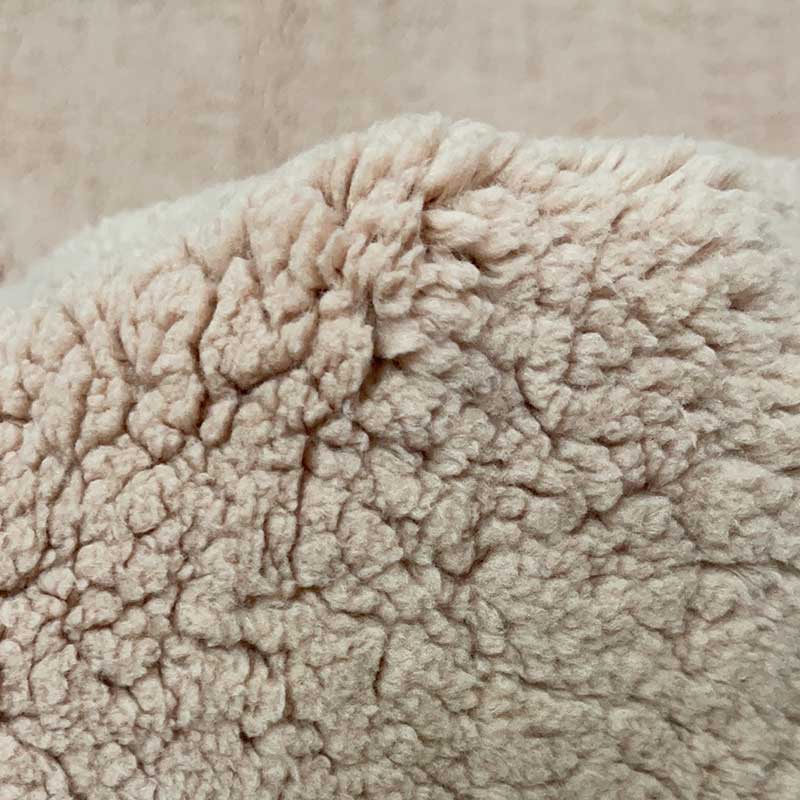
Formación de pilling
Causa
Unión de fibras débiles y estructura de baja densidad.
Contracción después del lavado
Causa
Mal ajuste térmico durante la etapa de acabado.
Problemas de electricidad estática
Causa
Ambientes secos combinados con fibras sintéticas.
Conceptos técnicos avanzados
Resistencia Térmica (Valor CLO)
Definición
CLO mide el rendimiento del aislamiento de la ropa.
- Polar ligero: 0,15-0,25 CLO
- Polar pesado: 0,30-0,50 CLO
Eficiencia de absorción de humedad
Perspectiva de rendimiento
El vellón moderno puede transferir la humedad lejos de la piel hasta 2-3 veces más rápido que el algodón.
Preguntas frecuentes
¿qué determina la calidad del vellón polar?
Densidad de fibra, peso GSM, tratamiento antipilling y procesos de acabado.
¿es siempre mejor un GSM más alto?
No siempre; un GSM más alto significa más calidez pero también más peso.
¿cuánto dura un buen vellón polar?
El vellón de alta calidad puede durar 3 a 5 años con el cuidado adecuado.
¿el vellón polar pierde calor con el tiempo?
El vellón de baja calidad puede degradarse, pero el vellón de alta calidad conserva el aislamiento por más tiempo.
¿es el vellón polar reciclado de buena calidad?
Sí, el vellón reciclado moderno funciona de manera similar al vellón de poliéster virgen en la mayoría de las aplicaciones.
Conclusión
Elegir el derecho vellón polar no se trata sólo de comodidad: afecta directamente al rendimiento del producto, la durabilidad y la satisfacción del cliente.
El vellón de alta calidad se define por una densidad de fibra controlada, GSM optimizado, un fuerte rendimiento antipilling y procesos de fabricación estandarizados.
Con la creciente demanda mundial de textiles ligeros, cálidos y sostenibles, el vellón polar sigue dominando el mercado de prendas de vestir de capa media. Los compradores que comprenden los parámetros de calidad pueden mejorar significativamente el valor del producto, reducir los rendimientos y mejorar la competitividad a largo plazo.