
مرحبا بكم في مدونتي! يسعدني وجودك هنا!
قبل أن نتعمق في المحتوى، أود أن تنضم إلي على منصات التواصل الاجتماعي الخاصة بي. إنه المكان الذي أشارك فيه رؤى إضافية، وأتواصل مع مجتمعنا المذهل، وأبقيك على اطلاع بآخر الأخبار.
إليك كيف يمكنك البقاء على اتصال:
📘 الفيسبوك: سوتشو Xize شركة تكنولوجيا النسيج المحدودة.
الآن، دعونا نبدأ هذه الرحلة معًا! أتمنى أن تجد المحتوى هنا ليس ثاقبًا فحسب، بل ملهمًا وقيمًا أيضًا. لنبدأ!
جدول المحتويات
- مناسبة لمناخ تركيا المتنوع، من السواحل الرطبة إلى المناطق الداخلية الثلجية
- يوفر عزلًا قويًا مع الحفاظ على خفة الوزن والتهوية
- يستخدم على نطاق واسع في الملابس التركية والمعدات الخارجية والمنسوجات المنزلية
- بديل فعال من حيث التكلفة للصوف للمصنعين وتجار الجملة
- مرنة عبر المواسم، مما يجعلها مثالية للطبقات والارتداء اليومي
- الطلب المتزايد مدفوعًا بالملابس الرياضية والتجارة الإلكترونية وأسواق التصدير
مقدمة
وتقع تركيا عند تقاطع أوروبا وآسيا، ويعكس مناخها هذا التنوع. ومن الشواطئ العاصفة لمنطقة مرمرة إلى الهضاب الباردة في وسط الأناضول، يجب على المستهلكين والمصنعين أن يختاروا بعناية المواد التي تعمل بشكل جيد عبر البيئات المتغيرة.
في السنوات الأخيرة،, النسيج القطبي لقد أصبح خيار المنسوجات الذي تمت مناقشته على نطاق واسع في تركيا. سواء كنت صانعًا للملابس، أو تاجر أقمشة بالجملة، أو علامة تجارية للأزياء، فإن فهم ما إذا كانت هذه المادة تناسب السوق التركية حقًا أمر بالغ الأهمية لأداء المنتج ونجاح الأعمال.
توفر هذه المقالة إجابة شاملة تعتمد على البيانات على السؤال: هل النسيج القطبي مفيد لتركيا؟
فهم النسيج القطبي في تركيا
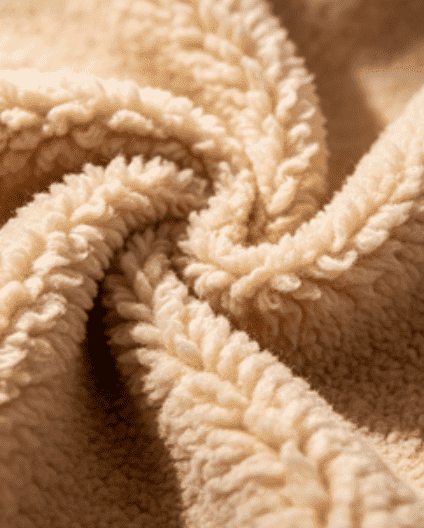
ما هو النسيج القطبي?
النسيج القطبي عبارة عن نسيج صناعي مصنوع بشكل أساسي من ألياف البوليستر. تم تصميمه لاحتجاز الهواء داخل هيكله، مما يخلق طبقة عازلة تحتفظ بحرارة الجسم.
ومن المعروف عادة بملمسه الناعم وملمسه الشبيه بالصوف. نظرًا لبنيته، فإنه يوفر الدفء دون الثقل المرتبط بالمواد التقليدية مثل الصوف.
كيف يتم تصنيع القماش القطبي
يتم إنتاج القماش القطبي من خلال عملية تشمل الحياكة والتنظيف والتشطيب. تعمل مرحلة التنظيف على رفع الألياف على السطح، مما يخلق ملمسًا ناعمًا ورقيقًا مميزًا.
غالبًا ما تشتمل تقنيات الإنتاج الحديثة على معالجات مضادة للتكدس. تعمل هذه المعالجات على تحسين المتانة وتجعل القماش أكثر ملاءمة للاستخدام على المدى الطويل.
لماذا يحظى النسيج القطبي بشعبية عالمية
اكتسب النسيج القطبي شعبية عالمية بسبب نسبة الأداء إلى التكلفة. فهو يوفر عزلًا موثوقًا به وسهولة الصيانة والقدرة على التكيف عبر تطبيقات متعددة.
وفي تركيا، يتوافق هذا المزيج بشكل جيد مع توقعات المستهلكين واحتياجات التصنيع.
هل النسيج القطبي مناسب لمناخ تركيا؟
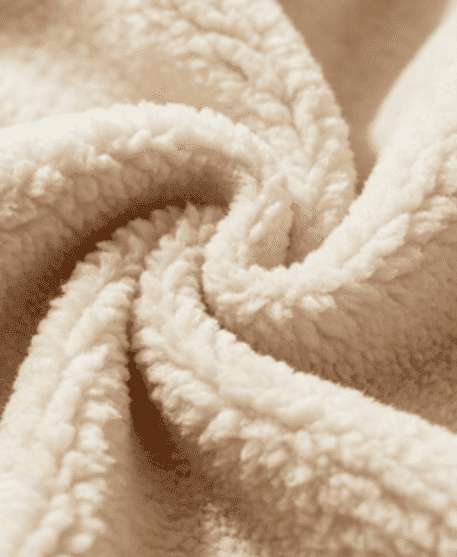
المناطق الساحلية (الظروف المعتدلة والرطبة)
في مدن مثل إسطنبول وأنطاليا، يكون الشتاء معتدلاً نسبيًا ولكنه قد يكون رطبًا. يعمل النسيج القطبي بشكل فعال كطبقة متوسطة، حيث يوفر الدفء دون التسبب في ارتفاع درجة الحرارة.
كما أن خصائصه سريعة الجفاف تجعله مناسبًا للبيئات الرطبة.
المناطق الداخلية (الشتاء البارد والجاف)
يواجه وسط الأناضول وشرق تركيا فصول شتاء قاسية، حيث تنخفض درجات الحرارة غالبًا إلى ما دون درجة التجمد. في هذه المناطق، يُستخدم القماش القطبي بشكل شائع في الملابس الخارجية والملابس الحرارية.
قدرته على الاحتفاظ بالحرارة مع الحفاظ على التهوية تجعله حلاً عمليًا للارتداء اليومي.
التحولات الموسمية
يمكن أن يؤدي الربيع والخريف في تركيا إلى تغيرات سريعة في درجات الحرارة. يوفر النسيج القطبي المرونة خلال هذه الفترات، حيث يمكن وضعه في طبقات أو إزالته بسهولة.
المزايا التقنية للنسيج القطبي
الأداء الحراري
يتميز القماش القطبي بنسبة دفء إلى وزن عالية. وفقًا لدراسات أداء المنسوجات، يمكن للمواد الصوفية الاحتفاظ بما يصل إلى 80% من حرارة الجسم مع الحفاظ على خفة الوزن.
التهوية
على عكس بعض الأقمشة الاصطناعية، يسمح القماش القطبي بخروج بخار الرطوبة. وهذا يساعد على تنظيم درجة حرارة الجسم أثناء النشاط البدني.
مقاومة الرطوبة
النسيج القطبي لا يمتص الماء بسهولة. وهذا يجعله مثاليًا للاستخدام الخارجي، خاصة في المناطق ذات الظروف الجوية المتغيرة.
متانة
مع المعالجة المضادة للتكدس، يحافظ النسيج القطبي على جودة سطحه حتى بعد الغسيل المتكرر. وهذا مهم بشكل خاص للتطبيقات التجارية والصناعية.
أنواع النسيج القطبي لاستخدامات مختلفة
| نوع القماش القطبي | الوزن (جي إس إم) | الميزات الرئيسية | التطبيقات |
|---|---|---|---|
| النسيج القطبي الصغير | 100 بوصة 200 جرام | خفيف الوزن، مسامي | طبقات القاعدة، الملابس الرياضية |
| النسيج القطبي المتوسط | 200 بوصة 300 جرام | الدفء المتوازن | هوديس، ملابس غير رسمية |
| النسيج القطبي الثقيل | 300400 جرام | عزل عالي | السترات والمعاطف الشتوية |
| مكافحة بيلينغ القطبية | 200 بوصة 350 جرامًا للمتر المربع | سطح متين | ملابس فاخرة |
| النسيج القطبي المطبوع | 150.300 جرام | تصاميم مخصصة | الموضة والعلامات التجارية |
النسيج القطبي مقابل المواد الأخرى
النسيج القطبي مقابل الصوف
الصوف عازل طبيعي ولكنه يميل إلى أن يكون أثقل وأكثر تكلفة. يوفر النسيج القطبي مستوى مماثلاً من الدفء بتكلفة أقل وأسهل في الصيانة.
النسيج القطبي مقابل القطن
القطن قابل للتنفس ولكنه يفتقر إلى العزل. في الطقس البارد، يمكن للقطن الاحتفاظ بالرطوبة، مما يجعله أقل فعالية من القماش القطبي.
النسيج القطبي مقابل البدائل الاصطناعية
بالمقارنة مع مواد مثل مزيج النايلون أو البوليستر، يوفر القماش القطبي نعومة أفضل وراحة حرارية.
تطبيقات صناعة النسيج القطبي في تركيا
تصنيع الملابس
تعد تركيا واحدة من أبرز مصدري المنسوجات في العالم. يستخدم القماش القطبي على نطاق واسع في الملابس الرياضية والسترات والملابس غير الرسمية المنتجة للأسواق المحلية والدولية.
الملابس الخارجية وملابس العمل
النسيج القطبي يستخدم بشكل شائع في الزي الرسمي وملابس السلامة والمعدات الخارجية. متانتها وعزلها يجعلها مناسبة للبيئات الصعبة.
المنسوجات المنزلية
تحظى البطانيات والأطباق القطبية بشعبية كبيرة في الأسر التركية، خاصة خلال فصل الشتاء. أنها توفر الراحة بسعر في متناول الجميع.
كيفية اختيار النسيج القطبي المناسب
اختيار وزن القماش
يعتمد اختيار الوزن على الاستخدام المقصود. تعتبر الأقمشة خفيفة الوزن مثالية للطبقات، في حين أن الأقمشة الأثقل أفضل للملابس الخارجية.
جودة السطح
تعتبر التشطيبات المضادة للتعبئة ضرورية للحفاظ على مظهر نظيف واحترافي بمرور الوقت.
خيارات اللون والتصميم
بالنسبة لماركات الأزياء، توفر الأقمشة القطبية المطبوعة والمصبوغة فرصًا للتخصيص والتمايز.
الامتثال للمعايير
يجب على المشترين التأكد من أن القماش يلبي المعايير الدولية مثل شهادة OEKO-TEX، التي تضمن السلامة والامتثال البيئي.
اتجاهات سوق النسيج القطبي في تركيا
النمو في الطلب على الملابس الرياضية
سوق الملابس الرياضية العالمية آخذ في التوسع، وتركيا ليست استثناءً. يستخدم القماش القطبي على نطاق واسع في الملابس الرياضية بسبب راحته وأدائه.
اتجاهات الاستدامة
المعاد تدويرها النسيج القطبي تكتسب الزجاجات المصنوعة من PET شعبية كبيرة. وهذا يتماشى مع مبادرات الاستدامة العالمية ووعي المستهلك.
توسيع التجارة الإلكترونية
زادت مبيعات الملابس عبر الإنترنت في تركيا بشكل ملحوظ. وقد أدى ذلك إلى زيادة الطلب على الأقمشة متعددة الاستخدامات مثل القماش القطبي.
دراسة حالة: النسيج القطبي في صادرات الملابس التركية
قامت شركة تصنيع ملابس تركية متوسطة الحجم بدمج القماش القطبي في مجموعتها الشتوية. ومن خلال التحول من الصوف إلى القماش القطبي، خفضت الشركة تكاليف الإنتاج بحوالي 20%.
وفي الوقت نفسه، زاد رضا العملاء بسبب تحسين الراحة وسهولة الصيانة. نجحت الشركة في توسيع صادراتها إلى الأسواق الأوروبية.
معايير وشهادات النسيج القطبي
أويكو-تكس ستاندرد 100
تضمن هذه الشهادة خلو القماش من المواد الضارة. وهو معترف به على نطاق واسع في تركيا وأوروبا.
معايير النسيج ISO
تغطي معايير ISO الجودة والمتانة والأداء. الامتثال لهذه المعايير يعزز مصداقية المنتج.
شهادات إعادة التدوير
أصبحت شهادة المعايير العالمية المعاد تدويرها (GRS) ذات أهمية متزايدة لمنتجات الأقمشة القطبية المستدامة.
تحليل تكلفة النسيج القطبي في تركيا
| عامل | النسيج القطبي | صوف | قطن |
|---|---|---|---|
| التكلفة لكل متر | منخفض | عالي | متوسط |
| صيانة | سهل | معقد | سهل |
| عزل | عالي | عالي | منخفض |
| متانة | عالي | متوسط | متوسط |
التوقعات المستقبلية النسيج القطبي في تركيا
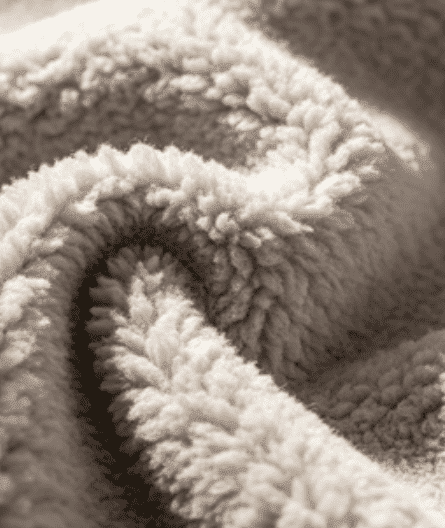
زيادة الطلب في أسواق التصدير
تستمر صادرات المنسوجات التركية في النمو. ومن المتوقع أن يظل النسيج القطبي مادة رئيسية في إنتاج الملابس الشتوية.
الابتكار في تكنولوجيا النسيج
وتشمل التطورات الجديدة تحسين التهوية، والعلاجات المضادة للبكتيريا، وطرق الإنتاج الصديقة للبيئة.
التكامل مع المنسوجات الذكية
يمكن دمج النسيج القطبي مع تقنيات النسيج الذكية، مثل أنظمة تنظيم درجة الحرارة.
الأسئلة الشائعة
هل النسيج القطبي مفيد للطقس التركي؟
نعم، يعمل النسيج القطبي بشكل جيد في جميع أنحاء مناخ تركيا المتنوع. فهو يوفر العزل في المناطق الباردة ويعمل بفعالية كمادة طبقات في المناطق الأكثر اعتدالًا.
ما هي استخدامات النسيج القطبي بشكل رئيسي في تركيا؟
ويستخدم على نطاق واسع في الملابس، بما في ذلك السترات والملابس الرياضية، وكذلك المنسوجات المنزلية مثل البطانيات.
هل النسيج القطبي أفضل من الصوف؟
يعتبر النسيج القطبي ميسور التكلفة وأسهل في الصيانة من الصوف، على الرغم من أن كلاهما يوفر عزلًا جيدًا.
هل يفي النسيج القطبي بالمعايير الدولية؟
يمكن للنسيج القطبي عالي الجودة أن يلبي معايير مثل OEKO-TEX وISO، مما يضمن السلامة والمتانة.
هل القماش القطبي مناسب لمنتجات التصدير؟
نعم، يُستخدم القماش القطبي بشكل شائع في الملابس الموجهة للتصدير نظرًا لكفاءته من حيث التكلفة وتعدد استخداماته.
خاتمة
النسيج القطبي ليست مناسبة لتركيا فحسب، بل إنها مفيدة للغاية. إن قدرتها على التكيف مع المناخات المختلفة، إلى جانب قدرتها على تحمل التكاليف وأدائها، تجعلها خيارًا مثاليًا لكل من المستهلكين والمصنعين.
بالنسبة للشركات التي تستهدف السوق التركية، يوفر النسيج القطبي فرصة استراتيجية لتحقيق التوازن بين الجودة والتكلفة ورضا العملاء. مع استمرار نمو الطلب على المنسوجات الوظيفية والمستدامة، من المتوقع أن يلعب النسيج القطبي دورًا أكثر أهمية في مستقبل صناعة النسيج في تركيا.