Welcome to My Blog! I’m thrilled to have you here!
Before we dive into the content, I’d love for you to join me on my social media platforms. It’s where I share extra insights, connect with our amazing community, and keep you updated on the latest news.
Here’s how you can stay connected:
📘 Facebook: Suzhou Xize Textile Technology Co., ltd.
Now, let’s embark on this journey together! I hope you find the content here not only insightful but also inspiring and valuable. Let’s get started!
Table of Contents
Key Takeaways:
- Jacquard fabric trends are shifting toward tactile surfaces, dimensional patterns, softened geometry, and nature-inspired motifs.
- Warm neutrals, mineral shades, aquatic greens, and controlled metallic accents are becoming more commercially relevant.
- Buyers increasingly evaluate durability, fiber traceability, chemical safety, and customization—not pattern alone.
- Cotton jacquard remains attractive for breathable apparel and home textiles, while polyester blends suit durable, easy-care applications.
- Recycled yarns are gaining attention, but buyers should verify composition claims and supporting documentation.
- Small trial orders and application-specific testing can reduce the risk of following short-lived trends.
- Choosing an experienced supplier with sampling and customization capabilities is essential for turning forecasts into commercially viable products.
Jacquard fabric is entering a period in which texture matters as much as color. Fashion labels, home-textile brands, wholesalers, and product developers are moving beyond flat visual decoration and looking for woven surfaces that customers can see, touch, and associate with lasting quality.
The strongest direction for 2026–2027 is not one single motif. It is the combination of dimensional construction, practical performance, responsible material choices, and designs that remain useful beyond one season.
This forecast explains the emerging directions and, more importantly, how buyers can translate them into informed sourcing decisions.
What Is Jacquard Fabric?
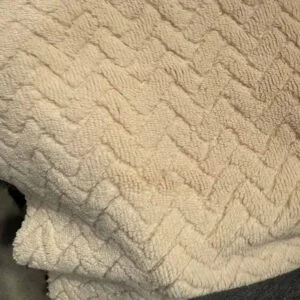
Jacquard fabric is a textile in which the pattern is formed within the fabric structure during weaving or knitting. Instead of placing a design only on the surface, the production system controls individual yarns or groups of yarns to create detailed motifs and textural effects.
This construction can produce florals, geometric repeats, damask-inspired patterns, abstract artwork, logos, or subtle tonal textures. Depending on the yarn and structure, the finished material may feel lightweight and flexible or dense and upholstery-ready.
Woven-In Pattern
A woven-in pattern forms part of the textile itself. It generally offers a more dimensional appearance than a basic surface print and can maintain its visual character through repeated use.
Surface Texture
Surface texture describes the raised, recessed, smooth, or contrasting areas created by the fabric structure. It affects perceived quality, drape, light reflection, and suitability for different products.
Pattern Repeat
The pattern repeat is the distance before a woven design begins again. Large repeats can create dramatic garments and furnishings, while smaller repeats are easier to position and may reduce cutting waste.
Why Buyers Should Check the Repeat Size
A visually attractive sample may become inefficient in production if the motif is too large for the finished product. Buyers should compare the repeat dimensions with garment panels, cushion sizes, or bedding components before confirming bulk orders.
Why Jacquard Fabric Is Trending Again
Consumers have spent several seasons surrounded by minimalist products and flat, digitally printed surfaces. Current design directions show renewed interest in materials that communicate depth, craftsmanship, and emotional character.
Industry coverage of Spring/Summer 2026 textiles also identifies jacquard among the tactile materials moving into contemporary apparel. This does not mean that every ornate pattern will succeed. Commercial growth is more likely to come from updated structures that combine visual distinction with comfortable handling and everyday usability.
A Return to Tactile Design
Tactile design uses surface variation to make a product feel more distinctive. Raised yarns, compact structures, brushed effects, and relief-like motifs can add value without relying on excessive decoration.
Visible Craftsmanship
Customers may not understand the technical weaving process, but they can recognize visual depth and construction detail. A thoughtfully developed jacquard fabric can therefore help a product appear more considered than one made from a plain base cloth.
Durability as Part of the Design
Because the motif is built into the textile, it is not simply a surface graphic. Actual durability still depends on yarn quality, weave density, abrasion resistance, colorfastness, and finishing, so buyers should never judge performance by appearance alone.
Jacquard Fabric Trend Forecast for 2026–2027
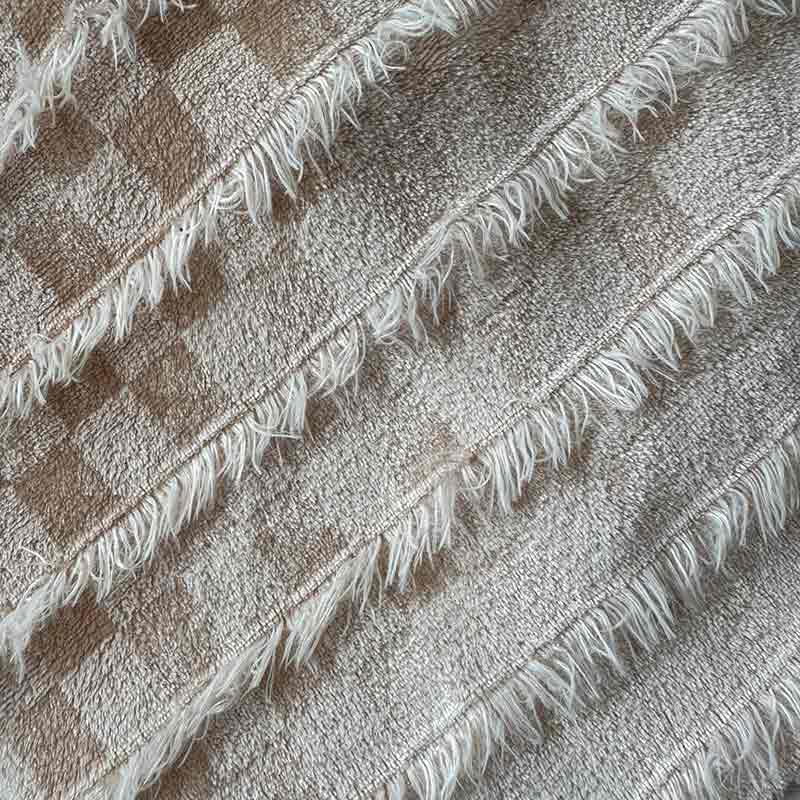
The next trend cycle favors materials that feel expressive without becoming difficult to use. Buyers should expect a mix of artistic motifs, natural references, quiet tonal surfaces, and selective shine.
1. Oversized Botanical Motifs
Large flowers, leaves, vines, and abstract botanical shapes are replacing tightly packed traditional florals in many applications. These motifs can create an immediate focal point on coats, occasionwear, cushion covers, curtains, and statement furniture.
For commercial development, scale is critical. Oversized designs work best when the finished product provides enough uninterrupted surface to display the motif properly.
Best Applications
Large botanical patterns are particularly suitable for outerwear, decorative bedding, curtains, accent chairs, and premium cushions. For small accessories, buyers may need a reduced repeat or a specially positioned design.
2. Softened Geometric Patterns
Geometric jacquard is becoming less rigid. Instead of perfectly sharp lines, upcoming designs may use curved grids, broken checks, blurred diamonds, irregular waves, and hand-drawn-looking shapes.
This direction allows manufacturers to retain the repeatability of geometric construction while creating a warmer, more handcrafted appearance.
3. Tonal and Low-Contrast Texture
Not every trending textile needs a bold pattern. Tonal jacquard fabric uses closely related shades to create a design that becomes more visible when light moves across the surface.
This is a commercially flexible option for hotels, bedding suppliers, loungewear brands, and minimalist fashion collections. It provides differentiation without limiting coordination with other products.
4. Heritage Designs with Modern Scale
Damask, tapestry, medallion, and archival floral references are returning in simplified or enlarged forms. The objective is not to reproduce historical textiles exactly but to reinterpret their richness for modern interiors and apparel.
A heritage-inspired pattern can support storytelling, but it should still match current expectations for softness, care, weight, and production consistency.
5. Controlled Metallic Accents
Metallic yarn is moving away from all-over shine toward smaller highlights woven into otherwise matte surfaces. Fine gold, silver, bronze, or pearlescent details can create dimension under changing light.
Buyers should test metallic yarn for skin comfort, snagging, wash performance, and oxidation before committing to volume production.
6. Reversible and Double-Face Effects
Reversible constructions can provide two coordinated appearances from one material. In some designs, the reverse shows an inverted color arrangement; in others, it offers a more subtle version of the main motif.
This direction is useful for blankets, scarves, jackets, decorative throws, and unlined products. Buyers must confirm whether the reverse is technically usable or merely the back of the fabric.
7. Lightweight Jacquard for Layering
Jacquard is often associated with heavy furnishing textiles, but lightweight constructions are expanding its use in shirts, dresses, skirts, pajamas, and transitional garments. Fine yarns and open or flexible structures can retain pattern definition without creating excessive bulk.
Lightweight does not automatically mean transparent or weak. Buyers should assess coverage, seam stability, tensile strength, and shrinkage for the intended application.
Leading Jacquard Fabric Colors
Color forecasts should be treated as development signals rather than strict purchasing rules. The right palette depends on the market, sales season, application, and customer profile.
Pantone’s 2026 color direction highlights Cloud Dancer, a balanced white that supports the wider movement toward calm and versatile palettes. Pantone’s Autumn/Winter 2026–2027 fashion report also includes grounded and aquatic shades, illustrating continued interest in natural-looking colors.
Warm Neutrals
Oatmeal, cream, sand, clay, mushroom, and warm gray make complex patterns easier to use. These shades are especially practical for bedding, loungewear, curtains, and upholstery collections intended to remain relevant for several seasons.
Aquatic Greens and Blues
Sea green, deep teal, mist blue, and mineral blue give geometric and botanical patterns a calm, contemporary appearance. They work well in wellness-oriented interiors, resort products, and relaxed apparel.
Earth-Inspired Reds
Muted terracotta, brick, wine, and brown-red shades bring warmth without the intensity of bright scarlet. These colors can refresh heritage designs and create strong autumn or hospitality collections.
Quiet Metallics
Champagne, pewter, antique gold, and soft bronze add light without overwhelming the base pattern. Small metallic areas usually offer greater versatility than highly reflective all-over designs.
Trend Comparison for Fabric Buyers
The following table compares major directions according to application, commercial life, and sourcing concerns.
| Trend direction | Suitable applications | Commercial advantage | Main sourcing concern |
|---|---|---|---|
| Oversized botanicals | Coats, curtains, bedding, cushions | Strong visual identity | Motif placement and cutting waste |
| Soft geometry | Apparel, upholstery, bags | Modern and widely adaptable | Pattern alignment |
| Tonal texture | Loungewear, bedding, hospitality | Easy coordination and longer relevance | Texture visibility under different light |
| Heritage revival | Furnishings, occasionwear, accessories | Premium storytelling | Avoiding an overly dated appearance |
| Metallic accents | Fashion, decorative textiles | Higher perceived value | Snagging and wash performance |
| Reversible effects | Throws, scarves, jackets | Two-sided product value | Usability and finish of the reverse |
| Lightweight structures | Shirts, dresses, pajamas | Broader seasonal use | Stability and seam strength |
| Recycled-yarn options | Apparel and home collections | Supports responsible sourcing goals | Documentation and batch consistency |
Jacquard Fabric for Fashion vs Home Textiles
The same pattern should not automatically be used for both apparel and interiors. Fashion buyers usually prioritize drape and comfort, while home-textile buyers may place more emphasis on stability, width, abrasion resistance, and dimensional consistency.
Fashion Jacquard
Fashion applications generally require a fabric that moves comfortably with the body. Weight, drape, breathability, lining requirements, and seam behavior should be evaluated before the design is finalized.
Questions for Apparel Development
Ask whether the cloth feels comfortable against the skin, whether the motif distorts over curved panels, and whether the material can handle the expected cleaning method. For fitted garments, confirm whether mechanical or yarn-based stretch is needed.
Home-Textile Jacquard
Home products often require wider fabric, stable repeats, and dependable color matching across large production runs. Curtains, upholstery, bedding, and decorative accessories also have different abrasion, lightfastness, and care requirements.
Buyers developing breathable home and apparel products can review XIZE’s cotton jacquard fabric to understand its potential for coats, loungewear, bedding, and decorative applications.
Cotton, Polyester, and Blended Jacquard Compared
Fiber selection affects comfort, price, appearance, maintenance, and performance. No single composition is automatically best for every project.
| Fiber option | Main advantages | Possible limitations | Common applications |
|---|---|---|---|
| Cotton jacquard | Breathable, soft, natural hand feel | May shrink or crease without suitable finishing | Apparel, bedding, covers |
| Polyester jacquard | Durable, stable, easy to maintain | May feel less breathable in dense structures | Upholstery, curtains, bags |
| Cotton-polyester blend | Balances comfort and stability | Performance varies by blend ratio | Uniforms, bedding, casual apparel |
| Viscose blend | Fluid drape and soft luster | May require careful washing | Dresses, skirts, decorative textiles |
| Recycled polyester option | Supports recycled-content strategies | Claims require reliable documentation | Apparel, accessories, home products |
When Cotton Jacquard Makes Sense
Cotton-based material is often appropriate when softness, moisture absorption, and breathability matter. However, purchasers should confirm shrinkage, colorfastness, and finishing specifications rather than relying on fiber composition alone.
When Polyester Is More Practical
Polyester may be a better choice when dimensional stability, fast drying, crease resistance, or intensive care is important. It is commonly considered for curtains, upholstery, luggage, and frequently washed products.
When a Blend Offers Better Balance
Blended constructions can combine the comfort of one fiber with the stability of another. The exact blend ratio should be selected according to measurable product requirements, not simply trend terminology.
Sustainability and Material Transparency
Sustainability is moving from a promotional phrase toward a documentation issue. Buyers increasingly need to know what fibers are used, where claims originate, and which tests or certificates support those claims.
The Textile Exchange Materials Market Report 2025 reported that recycled fibers represented approximately 7.6% of global fiber production in 2024. This suggests strong interest but also shows that recycled supply remains a limited part of the wider fiber market.
Recycled Content
Recycled content refers to material recovered from pre-consumer or post-consumer waste streams. Buyers should request the declared percentage, source type, transaction documentation where applicable, and rules for using any related claim.
Chemical Safety
Chemical safety concerns substances that may remain in yarn, dye, finish, or the completed product. The official OEKO-TEX Standard 100 provides a testing framework for harmful substances from yarn through finished textile products.
Certification Is Product-Specific
A supplier’s general certification statement does not necessarily cover every product, color, or production facility. Buyers should check the certificate number, scope, validity, and whether it applies to the ordered article.
Lower-Waste Pattern Development
Digital design systems and accurate repeat planning can reduce unnecessary sampling and production errors. They do not make a textile sustainable by themselves, but they can support a more controlled development process.
How to Choose a Trend That Will Still Sell
A forecast should guide product development without replacing market evidence. Buyers should connect each direction to customer needs, sales channels, target price, and production reality.
Begin with the End Product
Decide whether the material will become a jacket, pajama set, sofa cover, curtain, bag, or bedding item. The intended product determines the required weight, width, drape, strength, care method, and pattern scale.
Separate Lasting Trends from Short-Lived Effects
Tonal texture, natural palettes, and versatile geometry usually have broader commercial life than highly specific novelty designs. A dramatic motif can still succeed, but it may be safer as a limited collection rather than a core inventory item.
Use a Core-and-Accent Strategy
A core range may contain neutral colors and manageable repeats, while a smaller accent range introduces metallic yarns, oversized patterns, or trend-led shades. This structure gives buyers room to test demand without placing the entire collection at risk.
Request Physical Samples
Screen colors cannot fully represent yarn luster, relief, thickness, or hand feel. XIZE’s custom fabric solutions include sample and customization support for buyers evaluating jacquard patterns, colors, and finishing options.
Evaluate Samples Under Real Conditions
Inspect the fabric in daylight and retail lighting. Wash or clean it according to the intended care method, sew a trial product, and evaluate how the motif appears at the final product scale.
Jacquard Fabric Quality Checklist
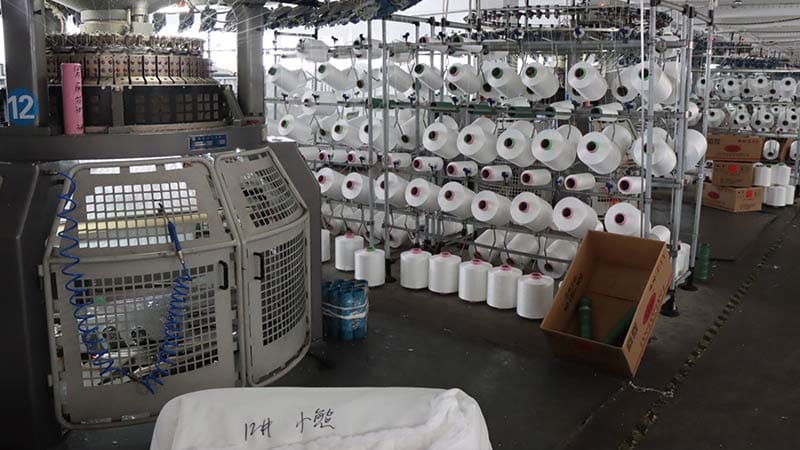
A trend-aligned design will not succeed if bulk quality is inconsistent. Buyers should include measurable criteria in the purchase specification.
Fiber Composition
Confirm the precise fiber percentages and the testing method used to verify them. If recycled content is claimed, request the appropriate supporting documents.
Fabric Weight
GSM influences coverage, drape, warmth, shipping cost, and final-product suitability. Ask for an acceptable tolerance rather than relying on one nominal figure.
Width and Usable Width
Total width may include selvedges or areas unsuitable for cutting. Confirm usable width because it directly affects marker planning and material consumption.
Pattern Repeat and Alignment
Record horizontal and vertical repeat sizes. For garments, paired cushions, or symmetrical products, establish acceptable alignment tolerances before bulk production.
Colorfastness
Relevant tests may include resistance to washing, rubbing, perspiration, water, and light. Test selection should reflect how the final product will actually be used.
Shrinkage and Dimensional Stability
A sample may look excellent before care but distort afterward. Buyers should define acceptable lengthwise and widthwise change based on the product category.
Pilling, Snagging, and Abrasion
Raised surfaces and floating yarns may require particular attention. The test method and performance target should match the intended market and level of use.
Batch Consistency
Color, weight, hand feel, repeat definition, and width should remain within agreed tolerances. Consider approving a production standard sample that both parties can use as the reference.
How to Source Custom Jacquard Fabric
Custom development should begin with a clear technical brief. A reference image is helpful, but it rarely provides enough information for accurate pricing or production.
Information to Include in an Inquiry
A useful sourcing brief should specify:
- Intended end product
- Preferred fiber composition
- Target GSM and width
- Pattern file or visual reference
- Repeat dimensions
- Required colors
- Order quantity
- Testing or certification requirements
- Finishing preferences
- Delivery destination and schedule
Ask About Development and Bulk MOQ
Sampling quantity and bulk minimum order quantity may differ. Ask whether the MOQ applies per design, per color, or per total order, as this can substantially affect collection planning.
Confirm Lab Dips and Strike-Offs
A lab dip is commonly used to evaluate color, while a strike-off or trial sample helps assess the pattern and construction. Approval procedures should be documented before bulk production begins.
Assess More Than Unit Price
The lowest price per meter may not produce the lowest finished-product cost. Width, defects, cutting efficiency, shrinkage, order accuracy, and lead-time reliability all influence the final result.
Buyers can explore XIZE’s broader fabric product portfolio when comparing jacquard options with other warp- and weft-knitted constructions for apparel, home, and plush applications.
Common Jacquard Fabric Buying Mistakes
Choosing by Image Alone
Photography may hide scale, stiffness, backing appearance, or metallic reflection. Always request a physical swatch for serious product development.
Ignoring Pattern Placement
A large repeat can increase waste or create inconsistent finished pieces. Placement planning should happen before the purchase quantity is finalized.
Using Fashion Standards for Upholstery
A material suitable for garments may not withstand repeated friction or long-term exposure in an interior. Tests must correspond to the intended application.
Treating Every Recycled Claim as Equal
Recycled content can vary in percentage, source, and verification. Buyers should obtain documentation before using environmental claims in marketing.
Ordering Bulk Before Trial Production
A short sewing or manufacturing test can reveal puckering, seam slippage, fraying, distortion, or care problems that are not visible in an uncut swatch.
Conclusion
The 2026–2027 jacquard fabric forecast points toward richer texture, more natural color stories, softened geometry, updated heritage motifs, and selective use of metallic or reversible effects. At the same time, professional buyers are paying closer attention to composition, traceability, chemical safety, repeat efficiency, and test performance.
The most successful collection will not simply copy the most visible trend. It will connect the right motif and construction with a specific application, customer group, price position, and quality standard.
XIZE supports brands, wholesalers, and product developers with fabric sampling and customized colors, patterns, textures, and finishing options. Buyers planning a new jacquard fabric collection can contact XIZE to discuss application requirements, sample availability, order quantities, and custom development.
FAQ
Is jacquard fabric still in style in 2026?
Yes. Its relevance is being supported by demand for tactile surfaces, woven detail, dimensional patterns, and materials with a crafted appearance. Current styles range from subtle tonal texture to oversized florals and modern geometry.
What jacquard patterns will be popular in 2026 and 2027?
Likely commercial directions include enlarged botanicals, softened geometry, modernized heritage patterns, abstract organic forms, and low-contrast textures. Actual demand will vary by region, season, and end-product category.
What colors should I choose for a new jacquard collection?
Warm neutrals, mineral tones, aquatic greens, muted blues, earthy reds, and restrained metallic accents offer useful development directions. A balanced collection should combine dependable core colors with a smaller number of trend-led shades.
Is cotton jacquard good for summer clothing?
It can be, provided the construction is lightweight, breathable, and suitable for the garment design. Fiber content alone does not determine comfort; density, weight, finishing, lining, and airflow also matter.
Is jacquard fabric better than printed fabric?
Neither option is universally better. Jacquard provides woven texture and structural pattern depth, whereas printed fabric can offer photographic detail, faster artwork changes, and potentially lower development barriers.
Does jacquard fabric fade after washing?
It can experience color change if the yarns or dyes have inadequate colorfastness. Because the motif is woven into the structure, it will not simply peel away like a poorly bonded surface decoration, but proper testing is still necessary.
Can I order jacquard fabric with my own pattern?
Yes, many manufacturers support custom motifs, repeats, colors, and compositions. The buyer should provide artwork, application details, target specifications, quantity, and performance requirements for an accurate assessment.
How do I know whether a jacquard supplier is reliable?
Review product specialization, sampling ability, communication quality, quality-control procedures, test support, production consistency, and export experience. A capable supplier should also explain technical limitations instead of approving every request without evaluation.
What should I ask for before placing a bulk order?
Request a physical sample, specification sheet, composition details, test results where required, approved color standard, pattern-repeat dimensions, MOQ, lead time, packing method, and written quality tolerances.
Which jacquard fabric trend is safest for wholesale buyers?
Tonal textures and medium-scale geometric designs are generally easier to coordinate across products and seasons. However, the safest choice is the one supported by the buyer’s own sales history, target customers, and sample feedback.