
Welcome to My Blog! I’m thrilled to have you here!
Before we dive into the content, I’d love for you to join me on my social media platforms. It’s where I share extra insights, connect with our amazing community, and keep you updated on the latest news.
Here’s how you can stay connected:
📘 Facebook: Suzhou Xize Textile Technology Co., ltd.
Now, let’s embark on this journey together! I hope you find the content here not only insightful but also inspiring and valuable. Let’s get started!
Table of Contents
Key takeaways from this guide:
- Recycled polyester and traceable sourcing are becoming more important in fabric procurement.
- Buyers are comparing softness with pilling resistance, wash durability, and dimensional stability.
- Medium-weight constructions remain versatile, while application-specific GSM selection is becoming more precise.
- Solid colors are still essential, but custom printing, embossing, and surface effects help brands differentiate their products.
- Product safety documentation and recognized certifications increasingly influence supplier selection.
- Flexible sampling, repeatable colors, and stable bulk delivery matter as much as the initial hand feel.
Coral fleece continues to be widely used in blankets, bathrobes, pajamas, bedding, cushions, pet products, and plush accessories. In 2026, however, buyers are looking beyond softness alone. They increasingly want a material that fits a defined price point, performs consistently after washing, supports attractive product design, and comes with clearer sourcing and quality information.
For manufacturers, importers, wholesalers, and private-label brands, the main question is no longer simply, “Is this fabric soft?” A more useful question is, “Will this coral fleece deliver the right performance, appearance, compliance, and cost for my target product?”
What Is Driving Coral Fleece Demand in 2026?
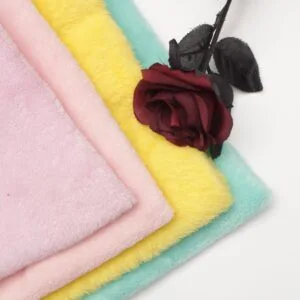
The market is shifting from general-purpose purchasing toward application-led sourcing. A fabric for a lightweight pajama set should not be specified in the same way as a winter blanket, bathrobe, baby item, or pet bed.
This change encourages buyers to evaluate pile structure, fabric weight, width, finishing, color consistency, pilling behavior, and order repeatability before confirming production.
Xize Textile’s coral fleece fabric is available in 100% polyester constructions, widths from 1.6 to 2.5 meters, weights from 200 to 300 GSM, single- or double-sided options, and solid or printed designs.
Comfort Is Becoming Measurable
Softness remains a major selling point, but professional buyers increasingly compare softness before and after washing. A very fluffy sample may feel impressive at first, yet pile flattening, shedding, or pilling can reduce the finished product’s value.
Initial Hand Feel
Initial hand feel describes the softness, smoothness, fullness, and warmth experienced when the fabric is first touched. It is important for showroom samples, retail presentation, and unboxing appeal, but it should not be the only purchasing standard.
Retained Softness
Retained softness describes how well the surface remains plush after repeated washing and use. Buyers should request wash-tested samples when developing blankets, robes, pajamas, or frequently cleaned hospitality products.
Buyers Want Better Warmth-to-Weight Balance
Consumers generally want warm products that do not feel unnecessarily heavy. This creates demand for balanced pile density and construction rather than simply choosing the highest available GSM.
For many products, carefully selected 200–300 GSM coral fleece can provide a practical combination of warmth, drape, packing efficiency, and cost. The ideal choice still depends on climate, product size, retail positioning, and whether the material is single-sided or double-sided.
Trend 1: Recycled Coral Fleece Moves Closer to Mainstream Sourcing
Recycled polyester is one of the most important material conversations affecting synthetic textiles. Textile Exchange’s recycled standards provide third-party criteria for recycled content and chain of custody, while the Global Recycled Standard adds environmental, social, and chemical-processing requirements.
This does not mean every 2026 order must use recycled yarn. It means buyers are more likely to ask whether a recycled coral fleece option is available, what percentage is recycled, which certification supports the claim, and whether performance differs from virgin polyester.
Recycled Content
Recycled content refers to the proportion of verified recycled material used in a textile. Buyers should avoid relying only on broad terms such as “eco-friendly” and instead request certification scope, transaction documents where applicable, and a clear fiber-content statement.
Chain of Custody
Chain of custody records how certified material moves through the supply chain. It helps purchasing teams distinguish a verified recycled product from an unsupported marketing claim.
Performance Parity
Performance parity means the recycled version should meet the required softness, color, strength, wash stability, and appearance of the intended product. Coral fleece sample approval should therefore cover both sustainability documentation and physical performance.
Trend 2: Safer Chemistry and Certification Become Buying Filters
Textile safety is becoming a sourcing requirement rather than a decorative badge. OEKO-TEX STANDARD 100 covers textiles tested for harmful substances, with stricter requirements for products involving closer or more sensitive skin contact.
This is particularly relevant when coral fleece is intended for baby blankets, bedding, bathrobes, sleepwear, toys, or other direct-contact products. Buyers should verify the actual certificate number, validity, product class, and product scope instead of assuming that one factory certificate automatically covers every fabric.
Product Class
A product class reflects the intended level of skin contact and user sensitivity. Baby products face stricter requirements than decorative textiles, so the end use should be identified before testing or certification is discussed.
Certificate Scope
Certificate scope defines which material, color, finish, component, or product is covered. A certificate may not apply to every printed design, finishing chemical, or final sewn product.
Chemical Transparency
Chemical transparency means the supplier can provide clear information about dyes, auxiliaries, finishing methods, and restricted-substance controls. In 2026, this capability can help B2B buyers reduce compliance risks and answer downstream customer questions more confidently.
Trend 3: Coral Fleece GSM Becomes More Application-Specific
GSM means grams per square meter and indicates fabric weight. It is useful, but it does not independently define warmth, softness, thickness, or overall quality.
Two coral fleece fabrics with the same GSM can feel different because of yarn fineness, knitting density, pile height, brushing, finishing, and single- or double-sided construction. Buyers should compare GSM together with hand feel, pile recovery, dimensional stability, and end-product requirements.
Lightweight Development
Lower-weight options can suit indoor loungewear, lightweight throws, travel blankets, promotional products, and markets with mild winters. They can also reduce shipping weight, but buyers must check whether the material becomes too thin or transparent for the intended design.
Midweight Versatility
Midweight coral fleece is commonly selected for blankets, pajamas, robes, cushion covers, and general home textiles. It usually offers a practical balance of softness, warmth, sewing performance, and cost.
Heavier Constructions
Heavier options can support premium winter blankets, thick robes, pet bedding, and cold-climate products. However, extra weight may increase material usage, freight cost, drying time, and bulk, so it should create a clear functional or commercial benefit.
Coral Fleece Weight Selection Table
| Intended Product | Suggested Buying Direction | Key Tests to Request | Main Purchasing Risk |
|---|---|---|---|
| Lightweight pajamas | Lower to midweight with soft drape | Colorfastness, pilling and shrinkage | Fabric feels bulky or traps too much heat |
| Bathrobes | Midweight with a suitable absorbency finish | Water uptake, drying time and wash appearance | Assuming polyester is automatically absorbent |
| Winter blankets | Midweight to heavier construction | Warmth, pile recovery and shedding | Excess weight increases freight and cost |
| Baby products | Soft, controlled pile and verified safety | Harmful-substance testing, shedding and wash durability | Certification scope does not match the end use |
| Pet beds and blankets | Dense, durable and easy-care surface | Abrasion, pilling, odor and wash testing | Surface mats quickly under repeated use |
| Cushions and throws | Stable structure with decorative finishing | Color consistency, seam behavior and appearance | Attractive samples cannot be repeated in bulk |
Trend 4: Custom Surfaces Create More Product Differentiation
Plain solid colors remain important because they are easy to coordinate across collections. Yet 2026 product development increasingly uses surface design to create clearer differences between entry-level, seasonal, premium, and private-label lines.
Xize Textile supports personalized dyeing and printing as well as processes such as spray printing, embossing, and brush printing across its fabric range. These options can help brands develop distinctive coral fleece blankets, sleepwear, accessories, soft furnishings, and plush products.
Custom Printing
Custom printing allows a buyer to introduce seasonal patterns, children’s themes, brand graphics, geometric designs, or lifestyle collections. Before bulk production, the buyer should confirm repeat size, color tolerance, print penetration, hand-feel changes, and wash fastness.
Embossed Texture
Embossing creates a raised or recessed surface pattern without relying only on printed color. It can increase visual depth and perceived value while preserving a soft, monochromatic appearance.
Branded Color Programs
A branded color program uses defined color standards across repeat orders. For long-running collections, consistent lab dips and bulk shade control are often more commercially important than offering hundreds of unverified color choices.
Trend 5: Calm Colors and Tactile Design Gain Commercial Value
Color trends move quickly, but comfort-focused textiles often perform best when their appearance reinforces warmth and relaxation. Soft neutrals, mineral-inspired shades, warm earth tones, misty blues, muted greens, and gentle pastels can support bedding, loungewear, nursery, and home-comfort collections.
Bold colors still work for children’s products, promotional blankets, festive ranges, and youth-oriented designs. The more important 2026 trend is not one universal color. It is building a controlled coral fleece palette around a clear customer, season, and retail channel.
Quiet Comfort
Quiet comfort uses restrained colors and soft texture to create a calm, premium mood. This direction suits modern bedding, throws, robes, and minimalist home collections.
Playful Softness
Playful softness combines bright colors, prints, or novelty patterns with a plush hand feel. It is suitable for children’s blankets, plush toys, pet accessories, and seasonal gift products.
Premium Surface Interest
Premium surface interest uses embossing, foil, jacquard-inspired texture, or coordinated pile effects to increase visual value. Buyers exploring more decorative products can also compare flannel print and warp knitting jacquard fabric with standard plush constructions.
Trend 6: Buyers Compare Coral Fleece With Alternative Fabrics
Choosing a fleece fabric is easier when materials are compared by application rather than by appearance alone. Coral fleece is known for its plush surface, easy care, warmth, color flexibility, and broad use in apparel and home textiles, but another construction may perform better for a specific project.
| Fabric Type | Typical Surface | Main Strength | Best-Fit Products | What Buyers Should Check |
| Coral fleece | Fine, plush, coral-like pile | Softness, warmth and versatility | Blankets, robes, pajamas, towels and cushions | Pilling, shedding and absorbency treatment |
| Lamb-like fleece | Thick, wool-inspired pile | Loft and winter warmth | Jackets, thermal items and winter accessories | Bulk, weight and pile durability |
| Flannel print | Smooth plush face with decorative effects | Visual customization | Blankets, décor and fashion accessories | Print or foil durability |
| Cationic polyester fleece | Soft surface with rich or mélange color effects | Color depth and anti-static potential | Loungewear, bedding and accessories | Dye consistency and finishing claims |
| Warp-knitted jacquard | Structured patterned surface | Dimensional stability and design | Home décor, apparel and specialty textiles | Pattern repeat and fabric recovery |
For buyers who need a wool-like surface and heavier winter character, Xize Textile’s fleece fabric may be a useful alternative. For products requiring distinctive color effects or anti-static positioning, cationic polyester fiber may also be considered.
Trend 7: Durability Becomes Part of Sustainability
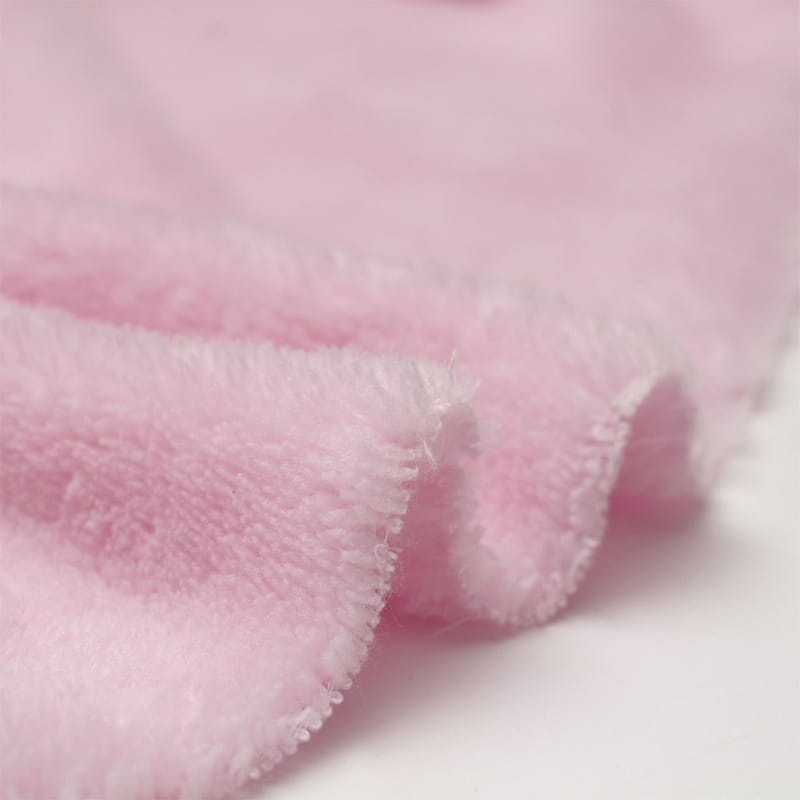
Sustainability is not limited to recycled fiber content. A product that pills quickly, loses shape, or becomes unattractive after washing may have a short usable life even when its raw material sounds environmentally preferable.
The European Commission’s textile strategy emphasizes textiles that are durable, repairable, recyclable, largely made with recycled fibers, and free from hazardous substances. The EU’s ecodesign framework also introduces the concept of digital product passports and broader product sustainability information.
Wash Durability
Wash durability measures changes in dimensions, surface appearance, softness, color, and pile structure. Buyers should define an expected care method and number of test cycles that reflect the real coral fleece product.
Pilling Resistance
Pilling resistance evaluates the tendency of loose fibers to form small balls on the surface. It is especially important for pajamas, blankets, cushions, pet products, and items exposed to repeated friction.
Repair and Replaceability
For sewn goods, durable edging, reliable seams, replaceable components, and clear care instructions can extend product use. Fabric selection should therefore be coordinated with product construction rather than treated as a separate decision.
Trend 8: Flexible Customization and Smaller Development Runs Matter More
Brands are launching more targeted collections and testing designs before committing to large inventories. This makes sampling speed, color development, print trials, and realistic minimum-order requirements important supplier-selection factors.
A supplier with multiple fabric categories can also help buyers build coordinated product families. Xize Textile’s full product collection includes warp- and weft-knitted options for home textiles, apparel, soft furnishings, bath products, plush toys, and related applications.
Sample-to-Bulk Consistency
Sample-to-bulk consistency means the approved softness, shade, width, weight, and finish are reproduced in production. Buyers should record measurable coral fleece specifications instead of approving only by visual impression.
Development MOQ
Development MOQ is the minimum quantity needed for sampling or customized production. It may differ by base fabric, color, printing process, recycled yarn requirement, and finishing method.
Repeat-Order Reliability
Repeat-order reliability describes the supplier’s ability to reproduce the approved fabric months later. For wholesale and private-label programs, stable repeat orders can be more valuable than the lowest first-order price.
How Should Buyers Source Coral Fleece in 2026?
A professional inquiry should communicate the finished product, target market, expected volume, desired hand feel, width, GSM, color or pattern, certification needs, testing requirements, and delivery schedule.
This information helps the supplier recommend a realistic construction instead of quoting a generic coral fleece fabric.
Step 1: Define the End Product
State whether the material will be used for blankets, robes, pajamas, baby items, towels, cushions, plush toys, or pet products. Include expected retail positioning and climate where relevant.
Step 2: Request the Right Sample
Ask for the closest available construction rather than any soft swatch. The sample should match the intended weight, surface, color, finish, and single- or double-sided structure.
Step 3: Set Approval Standards
Confirm width tolerance, GSM tolerance, shade control, pilling level, shrinkage, colorfastness, shedding, packaging, and inspection method.
When absorbency or quick drying is required, request test data for the specific coral fleece construction instead of assuming performance from the fiber name.
Step 4: Verify Documentation
Check fiber composition, safety certificates, recycled-content claims, test reports, and export documents. Make sure names, product codes, dates, and scopes match the fabric being purchased.
Step 5: Evaluate Total Cost
Compare fabric price together with cutting efficiency, usable width, defect rate, freight volume, processing loss, wash performance, and reorder reliability.
The cheapest coral fleece per kilogram may not produce the lowest finished-product cost.
Questions Buyers Are Asking About Coral Fleece
Is coral fleece still a good fabric for blankets in 2026?
Yes. It remains a practical option when buyers need warmth, softness, vivid colors, easy care, and scalable production.
The best construction depends on blanket size, climate, target price, packaging, and required wash durability.
What GSM should I choose for a coral fleece blanket?
There is no single correct GSM. A midweight fabric may suit general household blankets, while heavier constructions can support premium winter products.
The final decision should also consider pile density, single- or double-sided construction, finished-product size, and freight cost.
Is recycled coral fleece as soft as virgin polyester?
It can be, but performance depends on yarn quality, knitting, brushing, and finishing. Buyers should compare approved samples and wash-test results instead of assuming that recycled content automatically improves or reduces softness.
Can coral fleece be used for bathrobes and towels?
It can be developed for these applications, but water management must be evaluated on the finished construction.
Ask the supplier for absorbency, drying, and wash-performance information because polyester fiber content alone does not guarantee towel-like absorption.
How do I know whether a supplier’s certification is valid?
Request the certificate number and verify it through the certification body’s official database. Check the company name, product description, product class, scope, issue date, and expiration date.
Conclusion
The 2026 coral fleece market is moving toward products that combine comfort with clearer technical and sourcing value. Recycled options, verified safety, application-specific GSM, durable softness, custom surfaces, and consistent repeat production are becoming central purchasing considerations.
For buyers, the most effective strategy is to begin with the finished product and work backward to the fabric specification. By comparing samples, testing realistic performance, checking documentation, and evaluating total cost rather than unit price alone, brands can select coral fleece that supports both customer satisfaction and long-term commercial value.
FAQ About 2026 Coral Fleece Trends
What is the biggest coral fleece trend in 2026?
The biggest change is more disciplined sourcing. Buyers are combining softness and price with recycled-content verification, safer chemistry, wash durability, application-specific weight, and supply consistency.
Will printed coral fleece remain popular?
Yes. Printed designs continue to support children’s products, seasonal collections, gifts, pajamas, pet accessories, and home textiles.
Buyers are also using embossing and controlled solid-color programs to create more premium or minimalist collections.
What should I test before placing a bulk order?
At minimum, evaluate GSM, usable width, shade, hand feel, pilling, shedding, colorfastness, shrinkage, surface appearance after washing, and packaging.
Add absorbency, abrasion, harmful-substance, or recycled-content verification when required by the product.
Is heavier coral fleece always better quality?
No. Higher weight can increase warmth and fullness, but quality also depends on yarn, knitting stability, pile uniformity, finishing, color consistency, and durability.
Excess weight may make a product more expensive and harder to ship without improving customer value.
Which coral fleece option is best for private-label products?
The best option is the construction that matches the brand’s target customer and price point. Private-label buyers should prioritize repeatable colors, a clear specification sheet, approved samples, reliable custom processing, and consistent bulk production.
Where can I request custom coral fleece samples?
Buyers can send their product type, required GSM, width, color, print, finish, quantity, certification needs, and destination market through the Xize Textile contact page.
Providing a detailed application brief will help the supplier recommend a more accurate coral fleece option.