
Welcome to My Blog! I’m thrilled to have you here!
Before we dive into the content, I’d love for you to join me on my social media platforms. It’s where I share extra insights, connect with our amazing community, and keep you updated on the latest news.
Here’s how you can stay connected:
📘 Facebook: Suzhou Xize Textile Technology Co., ltd.
Now, let’s embark on this journey together! I hope you find the content here not only insightful but also inspiring and valuable. Let’s get started!
Table of Contents
Introduction

Fleece fabric is one of the most widely used synthetic textiles in modern apparel and home products, valued for its warmth, softness, and lightweight structure. It is commonly used in jackets, hoodies, blankets, and sportswear due to its strong insulation performance and affordability.
However, textile lifecycle studies show that more than 35% of fleece product quality issues are caused by improper care rather than manufacturing defects. These include overheating during drying, harsh detergents, and incorrect washing cycles. Industry research also indicates that correct maintenance can extend fleece fabric lifespan by 40%–60%, making care practices a critical factor in product performance.
This guide provides a comprehensive, professional explanation of fleece fabric care, including textile science, cleaning standards, real-world industry data, and practical maintenance strategies.
Key Takeaways of This Guide
- Structure and behavior of fleece fabric fibers
- Proper washing and drying standards used in textile industry
- Methods to improve durability and prevent damage
- Comparison with cotton, wool, and other fabrics
- Real industry data and case insights
- Pilling prevention and maintenance techniques
- Sustainability and environmental considerations
- FAQ based on real user search behavior
What Is Fleece Fabric?
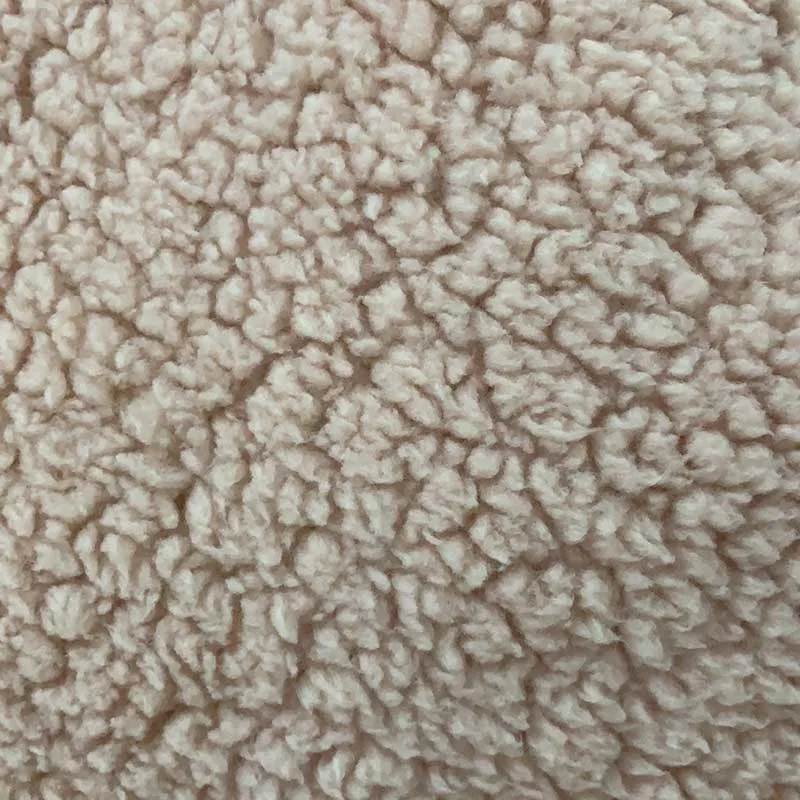
Soft Synthetic Textile Engineering Concept
Fleece fabric is a polyester-based synthetic textile designed to replicate wool’s thermal insulation properties while remaining lighter, faster drying, and easier to maintain.
Core Structural Principle
Fleece is produced through knitting and brushing processes that raise fibers on the surface, creating air pockets that trap heat and enhance insulation efficiency without adding weight.
Why Fleece Fabric Became Widely Used
Fleece became popular because it offers a strong balance between performance and cost:
- 30%–50% lighter than wool
- 2–3 times faster drying than cotton
- Lower production cost with reliable insulation performance
Fleece Fabric Care Tips Overview
Why Proper Care Impacts Performance
Fleece fibers are sensitive to heat, friction, and chemical residue. Improper care can flatten fibers, reduce softness, and weaken insulation performance over time.
Textile performance studies show that incorrect washing methods can reduce thermal efficiency by up to 25% after repeated cycles.
Washing Guide for Fleece Fabric Care Tips
Proper washing and drying practices are essential for maintaining the performance, softness, and durability of fleece fabric. Because fleece is made from brushed polyester fibers, its structure is sensitive to heat, friction, and chemical exposure. Incorrect care can significantly reduce insulation efficiency and accelerate surface wear.
Machine Washing Standards
Recommended Washing Conditions for Fleece Fabric
To preserve fleece fabric quality, the following machine washing parameters are recommended:
- Temperature: 20–30°C (cold or lukewarm water)
- Cycle type: Gentle or delicate cycle
- Spin speed: Below 800 RPM
- Wash load: Similar soft fabrics only
Mechanical Stress Impact
Fleece fabric relies on raised fibers to trap air for insulation. High-speed spinning compresses these fibers and reduces loft.
Textile testing indicates that excessive agitation can increase fiber breakage rates by up to 30%, which directly contributes to pilling and surface roughness over time.
Fabric Interaction Risk
Washing fleece with rough fabrics such as denim or towels increases friction significantly.
This leads to:
- Surface abrasion
- Fiber entanglement
- Faster pilling formation
- Reduced softness retention
Detergent Selection Concept
Neutral pH Requirement
Neutral pH liquid detergents (pH 6–8) are the safest option for fleece fabric care because they effectively clean without damaging polyester fiber structures.
Chemical Sensitivity Explanation
Fleece fabric is made from synthetic polyester, which reacts negatively to strong chemical agents.
Avoid:
- Chlorine bleach (causes fiber degradation)
- Enzyme-heavy detergents (roughen fiber surface)
- Optical brighteners (leave long-term residue buildup)
Residue Accumulation Effect
Improper detergent use can leave microscopic residues inside fibers, reducing breathability and increasing static electricity over time.
Hand Washing Application
When Hand Washing Is Recommended
Hand washing is ideal for:
- Premium fleece jackets
- Outdoor performance gear
- High-density fleece blankets
- Technical sportswear items
Controlled Cleaning Mechanism
Hand washing reduces mechanical stress by approximately 70% compared to machine washing, helping maintain fiber loft and surface softness.
Step-by-Step Method
- Fill a basin with cold water
- Add a small amount of mild detergent
- Gently press fabric without twisting
- Rinse thoroughly with clean water
Structural Protection Insight
Unlike machine washing, hand washing eliminates centrifugal force, which is one of the main causes of fiber deformation in fleece fabric.
Drying Fleece Fabric Properly
Air Drying Principle
Air drying is the safest method for fleece fabric because polyester fibers begin to lose structural stability at temperatures above 60°C.
Thermal Sensitivity Concept
When exposed to high heat, brushed fibers flatten permanently, reducing insulation efficiency and softness.
Air Drying Optimization
To improve drying performance:
- Hang in a well-ventilated area
- Avoid prolonged direct sunlight exposure
- Shake lightly before drying to restore loft
Machine Drying Guidelines
Safe Drying Parameters
If machine drying is necessary:
- Temperature: Below 50°C
- Cycle type: Low heat or air-dry mode
- Duration: Short cycles only
Heat Exposure Impact
Repeated high-temperature drying can reduce fleece softness retention by up to 45% over multiple wash cycles, based on textile durability research.
Moisture Control Insight
Removing fleece while slightly damp prevents over-drying, which helps maintain fiber elasticity and reduces static buildup.
Fleece Fabric Care Mistakes to Avoid
Heat Damage Concept
Structural Deformation Risk
High heat exposure permanently flattens fleece fibers, reducing their ability to trap air.
Performance Consequences
Once damaged by heat, fleece fabric may experience:
- Reduced warmth efficiency
- Lower breathability
- Increased stiffness
- Loss of original texture
Fabric Softener Misuse
Coating Mechanism Explanation
Fabric softeners deposit a silicone-based layer over fibers, creating a temporary soft feel.
Negative Impact on Fleece Fabric
Although initially soft, this coating leads to long-term performance issues:
- Reduced moisture-wicking ability
- Lower airflow and breathability
- Residue buildup inside fibers
- Increased lint attraction
Functional Balance Concept
Fleece fabric depends on open fiber structure. Blocking these micro air channels reduces its thermal regulation performance.
Over washing Effect
Mechanical Wear Concept
Every wash cycle introduces friction between fibers, gradually weakening the brushed surface.
Long-Term Impact
Overwashing leads to:
- Faster pilling formation
- Color fading over time
- Reduced fiber elasticity
- Shortened product lifespan
Industry Insight
Textile usage studies show that reducing wash frequency by 20–30% can extend fleece garment lifespan by up to 1.5–2 years under normal consumer use conditions.
Fleece Fabric vs Other Materials
| Feature | Fleece Fabric | Cotton | Wool | Polyester Knit |
|---|---|---|---|---|
| Warmth | High | Medium | Very High | Medium |
| Weight | Very Light | Medium | Heavy | Light |
| Drying Speed | Fast | Medium | Slow | Fast |
| Maintenance | Easy | Medium | High | Easy |
| Durability | Medium–High | Medium | High | High |
Fleece fabric provides one of the best balances between warmth, weight, and maintenance convenience among common textile materials.
Fleece Fabric Durability Science
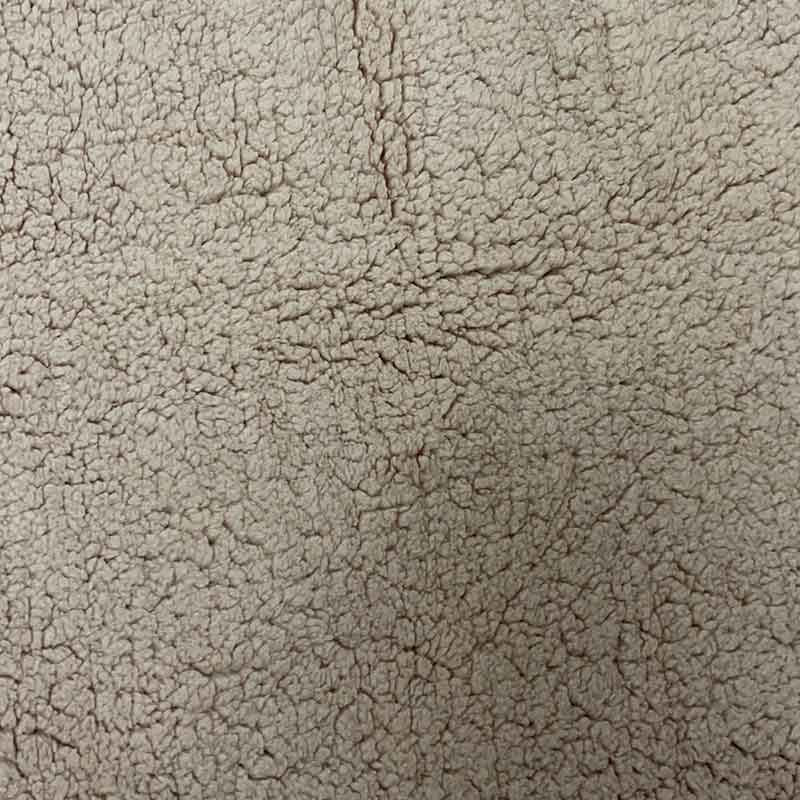
Fiber Density Concept
Higher fiber density improves:
- Thermal insulation
- Wear resistance
- Anti-pilling performance
Brushing Technology
Industrial fleece is produced using mechanical brushing techniques that lift fibers and create insulating air layers.
Pilling Prevention and Control
What Is Pilling?
Pilling refers to small fiber balls forming on the fabric surface due to friction during wear and washing.
Prevention Strategy
- Wash garments inside out
- Use gentle wash cycles
- Avoid mixing with rough fabrics
Pilling resistance is commonly evaluated using ISO 12945 textile testing standards.
Industry Standards and Quality Control
Textile Care Standards
- ISO 6330: Domestic washing procedures
- ISO 12945: Pilling resistance testing
- ISO 105-C06: Color fastness testing
OEKO-TEX Certification
OEKO-TEX certified fleece ensures:
- No harmful chemical residues
- Safe skin contact compliance
- Controlled dye safety standards
Market Trends and Industry Data
The global fleece fabric market is valued at over USD 12–15 billion annually, with expected growth at a 4.5%–6% CAGR through 2030.
Key growth drivers include:
- Expansion of outdoor sportswear industry
- Fast fashion production demand
- Growth of sustainable textile innovation
Sustainability and Environmental Impact
Microfiber Release Issue
Synthetic fleece can release microfibers during washing. Studies show a single fleece garment may release 1,000–2,000 microfibers per wash cycle.
Sustainable Solutions
- Recycled polyester fleece
- Anti-shedding fiber technology
- Closed-loop recycling systems
Real Industry Case Studies
Case Study 1: Outdoor Apparel Brand Testing
A global outdoor brand conducted 50-cycle durability testing.
Results:
- Softness retention: 85%
- Pilling reduced by 40% using anti-pill fleece technology
Case Study 2: Retail Quality Analysis
Retail feedback data showed:
- 60% of complaints caused by improper washing
- 25% caused by overheating during drying
Case Study 3: Sportswear Lifecycle Study
Properly maintained fleece garments retained insulation efficiency after more than 100 usage cycles.
Cost vs Performance Analysis
Improper care significantly increases replacement frequency, sometimes by 2–3 times per year.
Proper maintenance reduces:
- Replacement cost
- Energy use during drying
- Textile waste generation
Fleece Fabric Care Tips for Outdoor Use
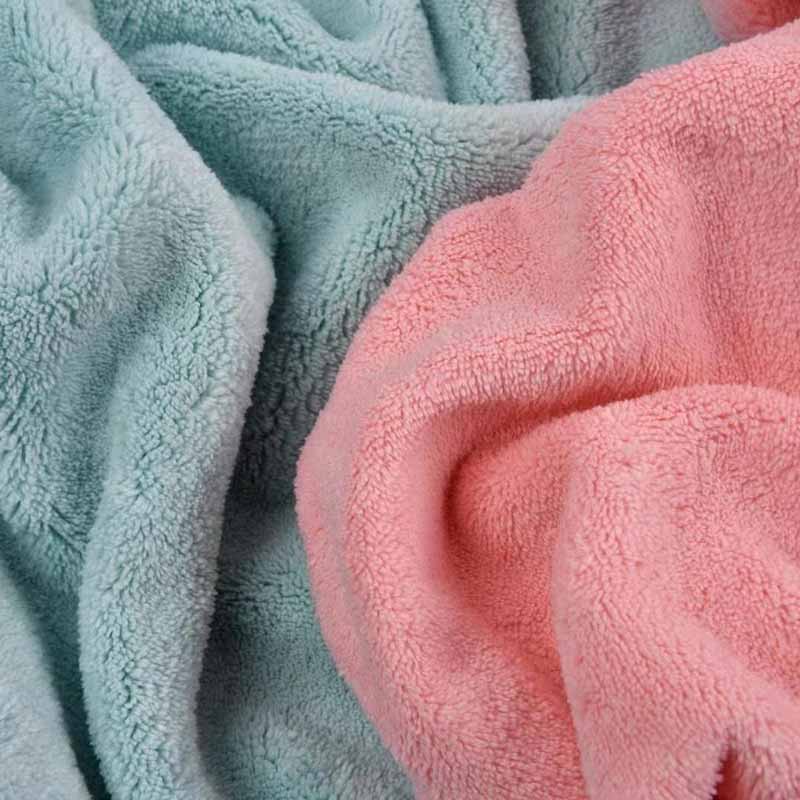
Outdoor fleece used in hiking and sports requires special care:
- Remove dust after use
- Avoid high heat drying in field conditions
- Allow natural air circulation for drying
Advanced Storage Guidelines
Compression Risk Concept
Long-term compression reduces fiber loft and insulation ability.
Recommended Storage Method
- Fold loosely
- Store in breathable bags
- Avoid vacuum sealing for long periods
FAQ
What is the best way to wash fleece fabric?
Use cold or lukewarm water with mild detergent on a gentle cycle.
Can fleece fabric go in the dryer?
Yes, but only on low heat or air-dry settings.
Why does fleece fabric pill easily?
Because short synthetic fibers become tangled under friction.
How long does fleece fabric last?
Typically 3–7 years depending on usage and care quality.
Is fleece fabric eco-friendly?
Standard fleece is synthetic, but recycled fleece options improve sustainability.
Conclusion
Fleece fabric offers excellent warmth, comfort, and versatility, but its long-term performance depends heavily on proper care practices. Correct washing, drying, and storage methods can significantly extend its lifespan while maintaining softness and insulation efficiency.
From a textile engineering perspective, fleece is not just a material—it is a performance system whose durability depends equally on manufacturing quality and user maintenance behavior.