
Welcome to My Blog! I’m thrilled to have you here!
Before we dive into the content, I’d love for you to join me on my social media platforms. It’s where I share extra insights, connect with our amazing community, and keep you updated on the latest news.
Here’s how you can stay connected:
📘 Facebook: Suzhou Xize Textile Technology Co., ltd.
Now, let’s embark on this journey together! I hope you find the content here not only insightful but also inspiring and valuable. Let’s get started!
Table of Contents
The world of home textile is undergoing a remarkable transformation. In 2026, homeowners, interior designers, and industry professionals are embracing innovations that blend sustainability, technology, and aesthetics. From eco-friendly fibers to smart fabrics that respond to temperature and moisture, the future of home textile promises to revolutionize how we experience comfort in our living spaces.
With global consumers spending over $50 billion annually on home textile products—including bedding, curtains, upholstery, and decorative fabrics—understanding the latest trends is crucial for anyone seeking to modernize, refresh, or invest wisely in their homes.
In this blog, we explore the top trends, expert insights, and practical guidance to navigate the evolving world of home textiles in 2026.
Key Areas Explored in This Guide
- Emerging materials and fabric innovations in home textile
- Sustainable and eco-conscious textile options
- Smart and functional textiles for modern living
- Popular color palettes, patterns, and textures
- Comparison of fabric types for durability, comfort, and style
- Expert recommendations and industry insights
- FAQs and practical tips for consumers
Emerging Materials in Home Textile 2026
Sustainable Fabrics Leading the Trend
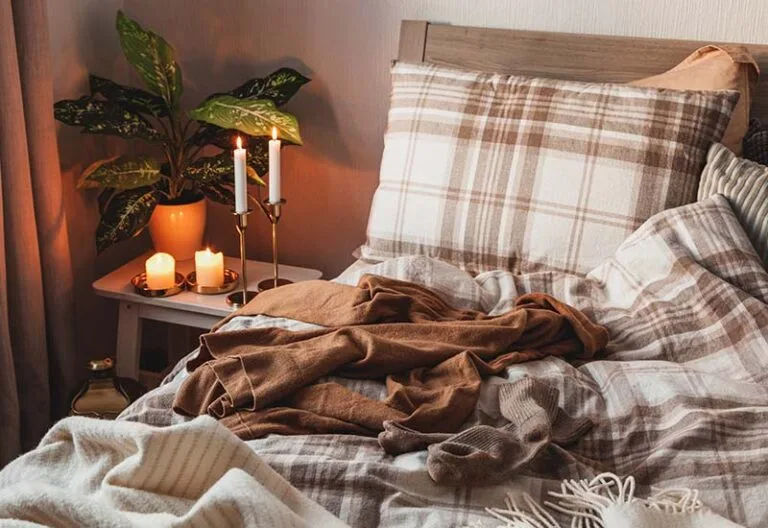
Eco-conscious consumers are driving the demand for sustainable home textile materials. Fabrics such as organic cotton, hemp, bamboo, and recycled polyester are not only environmentally friendly but also provide durability and comfort.
- Organic cotton: Grown without pesticides, softer on skin, and naturally breathable.
- Bamboo: Antibacterial, moisture-wicking, and hypoallergenic. Ideal for bedding and towels.
- Recycled polyester: Derived from post-consumer waste, such as plastic bottles, offering a durable and stain-resistant alternative.
According to a 2022 report by Textile World, eco-friendly fabrics are expected to account for 35% of the global home textile market by 2026, highlighting their growing importance.
High-Tech and Smart Textiles
The integration of technology into textiles is transforming home textile products. Smart fabrics can now:
- Regulate temperature in bedding
- Repel stains and reduce cleaning frequency
- Provide antibacterial protection for allergy-sensitive households
Experts like Dr. Laura Simons, a textile scientist at the International Home Textile Association, predict that smart textiles will become a standard feature in premium bedding and upholstery by 2026.
Innovative Fabric Blends
Blending natural and synthetic fibers creates textiles that combine the best properties of each.
- Linen-cotton blends: Soft, breathable, and slightly textured.
- Wool-silk mixes: Luxurious feel with added warmth and sheen.
- Cotton-recycled polyester: Combines eco-friendliness with durability and easy-care properties.
These blends allow designers to maintain aesthetic appeal while meeting functional requirements for high-traffic areas.
Design Trends in Home Textile
Color Palettes for 2026
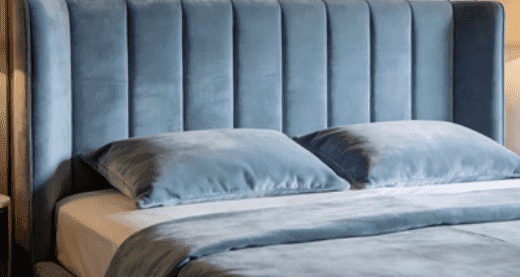
Color continues to play a crucial role in shaping the ambiance of living spaces. Experts predict a combination of soothing neutrals, bold accents, and metallic touches will dominate home textile design.
- Neutrals and Earth Tones: Shades like beige, sand, taupe, and olive create a calm, grounding environment. These colors are ideal for bedding, curtains, and sofas, providing versatility to match seasonal décor changes. According to the Pantone Color Institute 2026 forecast, warm earthy tones are increasingly popular in residential interiors for their timeless appeal.
- Bold Accent Colors: Deep blues, mustard yellows, and terracotta are used strategically to add vibrancy without overwhelming the room. Accent pillows, throws, and area rugs are effective ways to introduce these colors into a design. Studies show that accent colors can positively influence mood, increasing feelings of energy and creativity in the home.
- Metallic Touches: Subtle gold, copper, or bronze threads woven into cushions, drapery, or upholstery provide understated luxury. Metallic finishes are increasingly incorporated into home textile items to reflect light and add depth, especially in small or dimly lit spaces.
Patterns and Textures
Patterns and textures not only enhance aesthetic appeal but also improve the tactile experience of home textiles.
- Geometric Patterns: Clean lines, triangles, and hexagons suit modern minimalist interiors. They offer structure and rhythm, balancing neutral tones while giving a contemporary edge.
- Botanical and Natural Prints: Florals, leafy motifs, and nature-inspired designs continue to be popular, reflecting society’s growing desire to connect with nature indoors. These prints are often applied to bedding, curtains, and wall textiles, creating harmony between interior and exterior environments.
- Texture Layering: Layering different textures like velvet, knitted fabrics, woven cotton, and faux fur creates depth and a sense of luxury. Combining tactile fabrics allows homeowners to design visually engaging spaces while enhancing comfort. For example, pairing a knitted throw over a velvet sofa adds warmth, softness, and an upscale look.
- Three-Dimensional Textures: Quilted, tufted, or embossed fabrics are gaining traction. These textures not only enhance visual appeal but also provide functional cushioning and insulation. Manufacturers such as Kvadrat report that textured upholstery fabrics have seen a 20% sales increase in 2025 due to their premium feel and aesthetic versatility.
Functional Innovations in Home Textile
Durability vs. Aesthetic Appeal
Choosing home textile involves balancing visual appeal and longevity:
- Upholstery fabrics for living rooms must resist wear and fading.
- Bedding prioritizes softness and breathability.
Laboratory testing by The American Textile Testing Institute shows that high-quality woven fabrics can endure over 50,000 abrasion cycles, making them suitable for heavy-use furniture.
Allergen-Resistant Fabrics
Hypoallergenic textiles are increasingly sought after:
- Bamboo-derived fibers naturally inhibit bacterial growth.
- Dust-mite-resistant bedding prevents common allergic reactions.
These options are particularly valuable for families with children or pets.
Easy-Care and Low-Maintenance Fabrics
Machine-washable, wrinkle-free, and stain-resistant fabrics align with modern lifestyles. Features like anti-pilling technology and quick-dry properties enhance convenience without compromising comfort.
Comparing Popular Home Textile Options
| Fabric Type | Pros | Cons | Ideal Use |
|---|---|---|---|
| Organic Cotton | Soft, breathable, eco-friendly | Can shrink if not pre-treated | Bedding, cushions |
| Linen | Cool, textured, durable | Wrinkles easily | Curtains, throws |
| Bamboo Fiber | Hypoallergenic, moisture-wicking | Limited color options | Bedding, bath textiles |
| Velvet | Luxurious, soft, rich colors | High maintenance | Upholstery, decorative pillows |
| Recycled Polyester | Durable, eco-conscious, stain-resistant | Less breathable than natural fabrics | Rugs, upholstery |
| Wool | Warm, resilient, natural | Can be itchy for sensitive skin | Rugs, throws |
| Silk | Soft, lustrous, elegant | Expensive, delicate care | Decorative cushions, bedding |
This table allows homeowners to quickly compare fabrics by durability, maintenance, and design, making informed home textile decisions easier.
Expert Recommendations on Home Textile Usage
Mixing Patterns and Colors
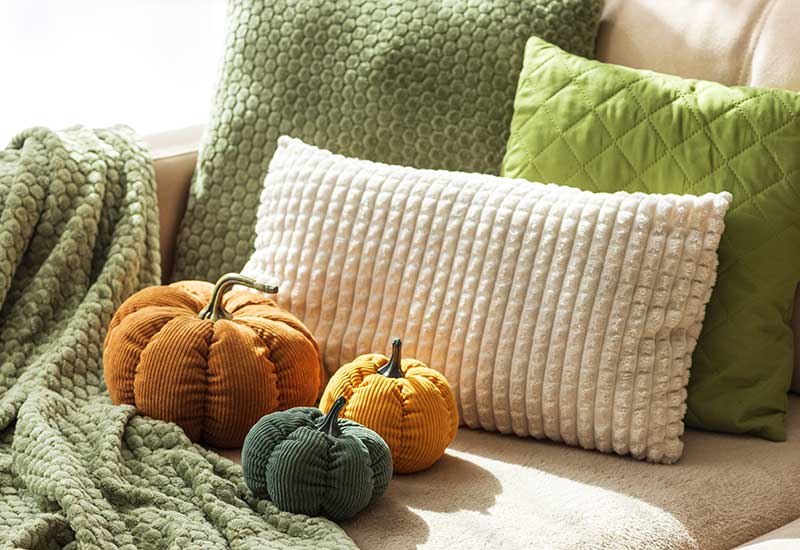
Design professionals advise combining neutral base fabrics with patterned accents to create visual interest without overwhelming the space.
Layering for Comfort
Layering throws, cushions, and rugs enhances both tactile comfort and aesthetic appeal, creating warm, inviting spaces.
Investing in Quality
High-quality textiles may carry a higher upfront cost but ensure:
- Durability over time
- Colorfastness and texture retention
- Reduced maintenance needs
According to Interior Design Weekly, consumers who invest in premium fabrics report 25% longer product lifespan and higher satisfaction.
Sustainability in Home Textile 2026
Eco-Friendly Certifications
Look for textiles certified by OEKO-TEX®, GOTS, or FSC, which indicate environmentally friendly sourcing and minimal chemical use.
Recycled and Upcycled Materials
Repurposing post-consumer polyester and upcycling older fabrics are rising trends, reducing landfill waste while producing stylish home textiles.
Consumer Awareness
By 2026, studies predict that over 60% of home textile buyers will actively seek eco-conscious options, influencing global production strategies.
Home Textile Innovations in Smart Homes
Temperature-Regulating Bedding
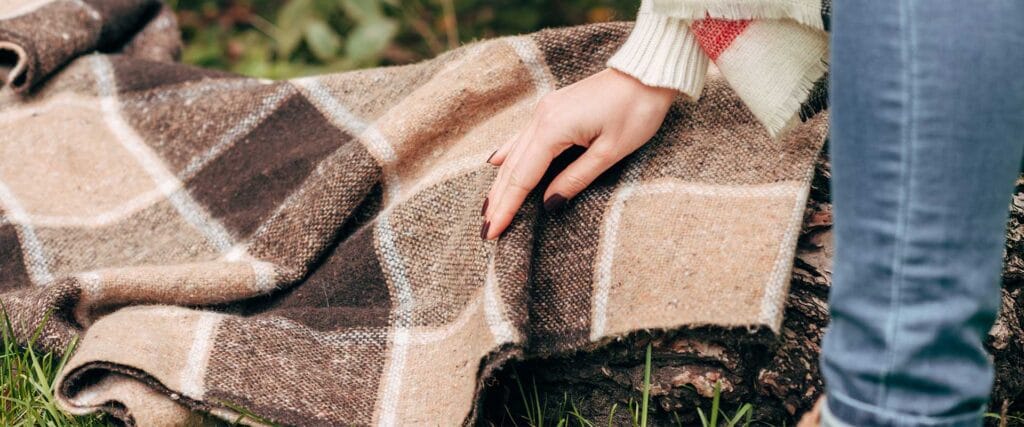
Fabrics with phase-change materials can absorb heat at night and release it during the day, enhancing sleep comfort.
Moisture-Wicking Curtains and Upholstery
Special coatings allow fabrics to repel moisture while remaining breathable, ideal for humid climates or kitchens.
Antimicrobial Fabrics
Advanced textiles reduce bacterial and fungal growth on high-contact surfaces, improving hygiene for children and the elderly.
Conclusion
The home textile trends of 2026 combine sustainability, functionality, and aesthetic appeal, offering homeowners unprecedented choices to create comfortable, stylish, and environmentally conscious living spaces. By understanding fabric properties, layering textures, and choosing eco-friendly and smart textiles, you can make informed decisions that enhance comfort, durability, and visual appeal for every room.
Whether upgrading to smart bedding, eco-conscious upholstery, or layering luxury textures, informed home textile choices ensure lasting performance and style.
FAQ
Q1: What are the top home textile trends for 2026?
A1: Sustainable fabrics, smart textiles, layered textures, neutral palettes with bold accents, and eco-friendly certifications are leading trends.
Q2: Are eco-friendly textiles as durable as traditional fabrics?
A2: Modern sustainable textiles like bamboo-cotton blends and recycled polyester are equally durable and often easier to maintain.
Q3: How can I mix patterns without clashing?
A3: Use neutral base fabrics and introduce one to two accent patterns with complementary colors for balance.
Q4: What maintenance should I expect for luxury fabrics like velvet or silk?
A4: Velvet may require vacuuming and spot cleaning; silk often needs handwashing or professional care. Consider daily-use practicality when selecting fabrics.
Q5: Can smart textiles be integrated into existing decor?
A5: Yes. Modern smart fabrics come in various colors and textures, making them suitable for bedding, cushions, and upholstery without compromising style.