
¡Bienvenidos a Mi Blog! ¡Estoy encantado de tenerte aquí!
Antes de sumergirnos en el contenido, me encantaría que te unieras a mí en mis plataformas de redes sociales. Es donde comparto ideas adicionales, me conecto con nuestra increíble comunidad y te mantengo actualizado sobre las últimas noticias.
Así es como puedes mantenerte conectado:
📘 Facebook: Suzhou Xize Tecnología Textil Co., ltd.
¡Ahora embarquémonos juntos en este viaje! Espero que el contenido aquí no sólo te resulte revelador sino también inspirador y valioso. ¡Empezemos!
Tabla de contenidos
El mundo de textil doméstico está experimentando una transformación notable. En 2026, propietarios de viviendas, diseñadores de interiores y profesionales de la industria están adoptando innovaciones que combinan sostenibilidad, tecnología y estética. Desde fibras ecológicas hasta tejidos inteligentes que responden a la temperatura y la humedad, el futuro de los textiles para el hogar promete revolucionar la forma en que experimentamos la comodidad en nuestros espacios habitables.
Con el gasto de los consumidores globales 700 mil millones de TP al año en productos textiles para el hogar“incluyendo ropa de cama, cortinas, tapizados y telas decorativas”, comprender las últimas tendencias es crucial para cualquiera que busque modernizarse, refrescarse o invertir sabiamente en sus hogares.
En este blog, exploramos el principales tendencias, conocimientos de expertos y orientación práctica navegar por el mundo en evolución de los textiles para el hogar en 2026.
Áreas clave exploradas en esta guía
- Innovaciones emergentes en materiales y tejidos textil doméstico
- Opciones textiles sostenibles y ecológicas
- Textiles inteligentes y funcionales para una vida moderna
- Paletas de colores, patrones y texturas populares
- Comparación de tipos de telas en cuanto a durabilidad, comodidad y estilo
- Recomendaciones de expertos y conocimientos de la industria
- Preguntas frecuentes y consejos prácticos para consumidores
Materiales emergentes en textiles para el hogar 2026
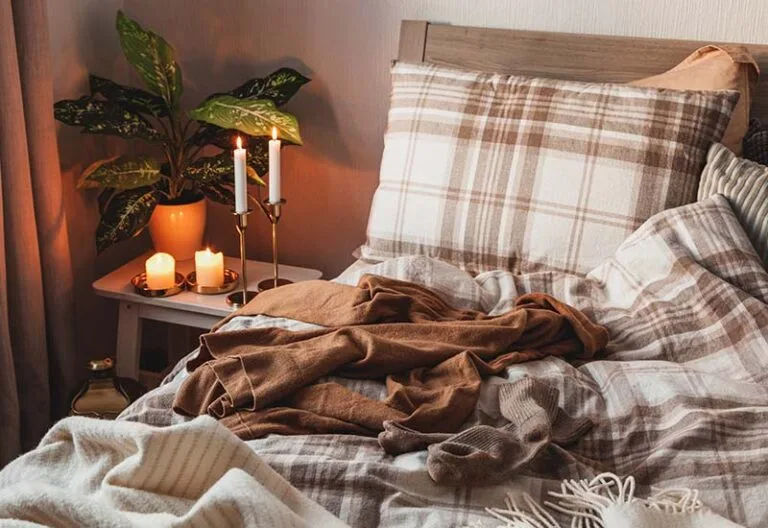
Tejidos Sostenibles Liderando la Tendencia
Los consumidores conscientes del medio ambiente están impulsando la demanda de sostenibilidad textil doméstico materiales. Telas como algodón orgánico, cáñamo, bambú y poliéster reciclado no sólo son respetuosos con el medio ambiente sino que también aportan durabilidad y confort.
- Algodón orgánico: Cultivado sin pesticidas, más suave para la piel y naturalmente transpirable.
- Bambú: Antibacteriano, absorbente de humedad e hipoalergénico. Ideal para ropa de cama y toallas.
- Poliéster reciclado: Derivado de residuos posconsumo, como botellas de plástico, ofreciendo una alternativa duradera y resistente a las manchas.
Según un informe de 2022 de Mundo textil, se espera que los tejidos ecológicos tengan en cuenta 35% del mercado textil doméstico mundial para 2026, destacando su creciente importancia.
Textiles inteligentes y de alta tecnología
La integración de la tecnología en los textiles se está transformando textil doméstico productos. Los tejidos inteligentes ahora pueden:
- Regular temperatura en ropa de cama
- Repelir manchas y reducir la frecuencia de limpieza
- Proporcionar protección antibacteriana para hogares sensibles a las alergias
Expertos como la Dra. Laura Simons, científica textil de la Asociación Internacional de Textiles para el Hogar, predice que los textiles inteligentes se convertirán en una característica estándar ropa de cama y tapicería premium para 2026.
Mezclas de telas innovadoras
La mezcla de fibras naturales y sintéticas crea textiles que combinan el las mejores propiedades de cada uno.
- Mezclas lino-algodón: Suave, transpirable y ligeramente texturizado.
- Mezclas lana-seda: Sensación de lujo con mayor calidez y brillo.
- Poliéster reciclado de algodón: Combina respeto al medio ambiente con durabilidad y propiedades de fácil cuidado.
Estas mezclas permiten a los diseñadores mantener el atractivo estético y al mismo tiempo cumplir con los requisitos funcionales para áreas de mucho tráfico.
Tendencias de diseño en textiles para el hogar
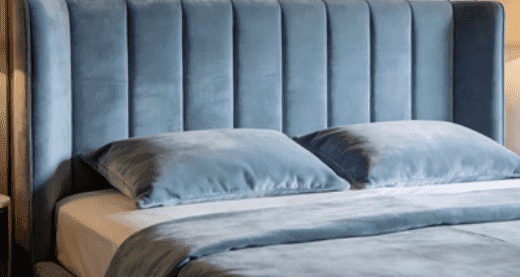
Paletas de colores para 2026
El color sigue desempeñando un papel crucial en la configuración del ambiente de los espacios habitables. Los expertos predicen que dominará una combinación de neutrales relajantes, acentos atrevidos y toques metálicos textil doméstico diseño.
- Neutrales y Tonos Terrestres: Tonos como beige, arena, topo y oliva crean un ambiente tranquilo y molido. Estos colores son ideales para ropa de cama, cortinas y sofás, brindando versatilidad para adaptarse a los cambios de decoración estacionales. Según el Pronóstico Pantone Color Institute 2026, los tonos cálidos y terrosos son cada vez más populares en los interiores residenciales por su atractivo atemporal.
- Colores decorativos atrevidos: Los azules profundos, los amarillos mostaza y la terracota se utilizan estratégicamente para agregar vitalidad sin abrumar la habitación. Las almohadas, mantas y alfombras decorativas son formas efectivas de introducir estos colores en un diseño. Los estudios demuestran que los colores decorativos pueden influir positivamente en el estado de ánimo, aumentando la sensación de energía y creatividad en el hogar.
- Toques Metálicos: Los sutiles hilos de oro, cobre o bronce tejidos en cojines, cortinas o tapizados brindan un lujo discreto. Los acabados metálicos se incorporan cada vez más textil doméstico elementos para reflejar la luz y agregar profundidad, especialmente en espacios pequeños o con poca luz.
Patrones y texturas
Los patrones y texturas no sólo mejoran el atractivo estético sino que también mejoran la experiencia táctil de los textiles para el hogar.
- Patrones geométricos: Las líneas, triángulos y hexágonos limpios se adaptan a interiores minimalistas modernos. Ofrecen estructura y ritmo, equilibrando tonos neutros y dando un toque contemporáneo.
- Impresiones botánicas y naturales: Las flores, los motivos frondosos y los diseños inspirados en la naturaleza siguen siendo populares, lo que refleja el creciente deseo de la sociedad de conectarse con la naturaleza en el interior. Estos estampados se aplican a menudo a ropa de cama, cortinas y textiles para paredes, creando armonía entre los entornos interiores y exteriores.
- Capas de textura: La superposición de diferentes texturas como terciopelo, telas de punto, algodón tejido y piel sintética crea profundidad y una sensación de lujo. La combinación de telas táctiles permite a los propietarios diseñar espacios visualmente atractivos y al mismo tiempo mejorar la comodidad. Por ejemplo, combinar una pieza de punto sobre un sofá de terciopelo agrega calidez, suavidad y una apariencia exclusiva.
- Texturas tridimensionales: Las telas acolchadas, con mechones o en relieve están ganando terreno. Estas texturas no sólo mejoran el atractivo visual sino que también proporcionan amortiguación y aislamiento funcionales. Fabricantes como Kvadrat informe que las telas de tapicería texturizadas han visto un 201Aumento de ventas de TP6T en 2025 debido a su sensación premium y versatilidad estética.
Innovaciones funcionales en Textil para el hogar
Durabilidad versus atractivo estético
Elegir textil doméstico implica equilibrar el atractivo visual y la longevidad:
- Los tejidos tapizados para salas de estar deben resiste el desgaste y la decoloración.
- La ropa de cama prioriza suavidad y transpirabilidad.
Pruebas de laboratorio por El Instituto Americano de Pruebas Textiles demuestra que los tejidos de alta calidad pueden perdurar 50.000 ciclos de abrasión, lo que los hace adecuados para muebles de uso intensivo.
Tejidos resistentes a alérgenos
Los textiles hipoalergénicos son cada vez más buscados:
- Fibras derivadas del bambú inhibe naturalmente el crecimiento bacteriano.
- Ropa de cama resistente a los ácaros del polvo previene reacciones alérgicas comunes.
Estas opciones son particularmente valiosas para familias con niños o mascotas.
Tejidos fáciles de cuidar y de bajo mantenimiento
Las telas lavables a máquina, sin arrugas y resistentes a las manchas se alinean con los estilos de vida modernos. Características como tecnología antipilling y propiedades de secado rápido mejore la comodidad sin comprometer la comodidad.
Comparación de opciones textiles para el hogar populares
| Tipo de tela | Pros | Contras | Uso ideal |
|---|---|---|---|
| Algodón Orgánico | Suave, transpirable, ecológico | Puede encogerse si no se trata previamente | Ropa de cama, cojines |
| Lino | Fresco, texturizado, duradero | Arrugas fácilmente | Cortinas, lanzamientos |
| Fibra de Bambú | Hipoalergénico, absorbente de humedad | Opciones de color limitadas | Ropa de cama, textiles de baño |
| Terciopelo | Colores lujosos, suaves y ricos | Alto mantenimiento | Tapicería, almohadas decorativas |
| Poliéster reciclado | Durable, ecológico y resistente a las manchas | Menos transpirable que los tejidos naturales | Alfombras, tapizados |
| Lana | Cálido, resistente, natural | Puede causar picazón en la piel sensible | Alfombras, lanzamientos |
| Seda | Suave, brillante, elegante | Cuidado caro y delicado | Cojines decorativos, ropa de cama |
Esta tabla permite a los propietarios compara telas rápidamente por durabilidad, mantenimiento y diseño, informándose textil doméstico decisiones más fáciles.
Recomendaciones de expertos sobre el uso de textiles en el hogar
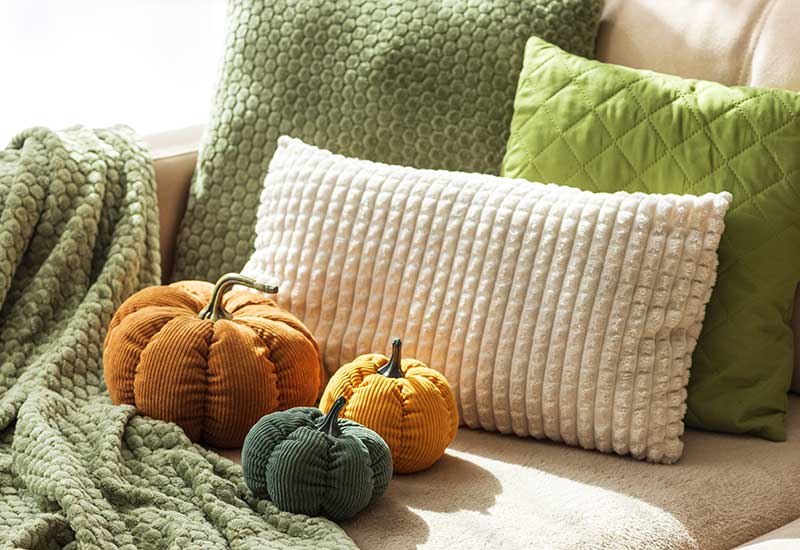
Mezcla de patrones y colores
Los profesionales del diseño aconsejan combinar tejidos de base neutra con detalles estampados crear interés visual sin abrumar el espacio.
Capas para mayor comodidad
Las capas de mantas, cojines y alfombras mejoran tanto la comodidad táctil como el atractivo estético, creando espacios cálidos y acogedores.
Invertir en calidad
Los textiles de alta calidad pueden tener un costo inicial más alto, pero garantizar:
- Durabilidad en el tiempo
- Solidez del color y retención de textura
- Reducerea necesarării de întreținere
Según Diseño de Interiores Semanal, informan los consumidores que invierten en tejidos premium 25% vida útil más larga del producto y mayor satisfacción.
Sostenibilidad en el Textil Doméstico 2026
Certificaciones ecológicas
Busque textiles certificados por OEKO-TEX®, GOTS o FSC, que indican un abastecimiento respetuoso con el medio ambiente y un uso químico mínimo.
Materiales Reciclados y Reciclados
Reutilización poliéster posconsumo y el reciclaje de telas más antiguas son tendencias crecientes, ya que reducen el desperdicio en los vertederos y al mismo tiempo producen textiles para el hogar elegantes.
Conciencia del consumidor
Para 2026, los estudios así lo predicen más de 60% de compradores de textiles para el hogar buscará activamente opciones ecológicas que influyan en las estrategias de producción global.
Innovaciones textiles para el hogar en hogares inteligentes
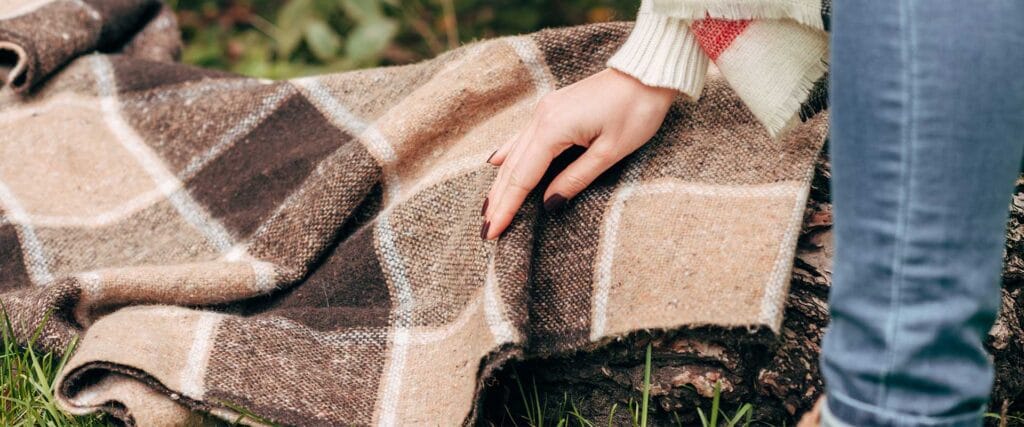
Ropa de cama reguladora de temperatura
Las telas con materiales de cambio de fase pueden hacerlo absorbe el calor por la noche y suéltalo durante el día, mejorando el confort del sueño.
Cortinas y tapizados que absorben la humedad
Los revestimientos especiales permiten que las telas repelan la humedad sin dejar de ser transpirables, ideales para climas húmedos o cocinas.
Tejidos antimicrobianos
Los textiles avanzados reducen el crecimiento de bacterias y hongos en superficies de alto contacto, mejorando la higiene de niños y ancianos.
Conclusión
El tendencias textiles para el hogar de 2026 combinar sostenibilidad, funcionalidad y atractivo estético, ofreciendo a los propietarios opciones sin precedentes para crear espacios de vida cómodos, elegantes y respetuosos con el medio ambiente. Por comprensión propiedades de la tela, capas de texturas y elección de textiles inteligentes y ecológicos, puedes tomar decisiones informadas que mejoren comodidad, durabilidad y atractivo visual para cada habitación.
Ya sea actualizando a ropa de cama inteligente, tapicería ecológica o capas de texturas de lujo, informado opciones textiles para el hogar garantice un rendimiento y un estilo duraderos.
Preguntas frecuentes
P1: ¿Cuáles son las cimas textil doméstico ¿tendencias para 2026?
R1: Tejidos sostenibles, textiles inteligentes, texturas en capas, paletas neutras con detalles atrevidos y certificaciones ecológicas son tendencias líderes.
P2: ¿Son los textiles ecológicos tan duraderos como los tejidos tradicionales?
R2: Los textiles modernos y sostenibles, como las mezclas de bambú y algodón y el poliéster reciclado, son igualmente duraderos y, a menudo, más fáciles de mantener.
P3: ¿Cómo puedo mezclar patrones sin chocar?
R3: Utilice telas de base neutra e introduzca uno o dos patrones de acento con colores complementarios para mantener el equilibrio.
P4: ¿Qué mantenimiento debo esperar de telas de lujo como terciopelo o seda?
R4: El terciopelo puede requerir aspirar y limpiar las manchas; La seda a menudo necesita lavarse las manos o cuidados profesionales. Considere la practicidad del uso diario al seleccionar telas.
P5: ¿Se pueden integrar textiles inteligentes en la decoración existente?
R5: Sí. Las telas inteligentes modernas vienen en varios colores y texturas, lo que las hace adecuadas para ropa de cama, cojines y tapizados sin comprometer el estilo.