
Welcome to My Blog! I’m thrilled to have you here!
Before we dive into the content, I’d love for you to join me on my social media platforms. It’s where I share extra insights, connect with our amazing community, and keep you updated on the latest news.
Here’s how you can stay connected:
📘 Facebook: Suzhou Xize Textile Technology Co., ltd.
Now, let’s embark on this journey together! I hope you find the content here not only insightful but also inspiring and valuable. Let’s get started!
Table of Contents
Introduction
Soft, luxurious, and increasingly popular in the textile market, coral fleece fabric has become a favorite for bedding, loungewear, and baby products. But what is coral fleece fabric, and why is it preferred over other synthetic or natural fabrics? Understanding its composition, properties, and proper care is crucial for anyone looking to maximize the lifespan and comfort of coral fleece products.
Coral fleece is a type of microfleece made from polyester fibers, distinguished by its soft, plush surface and exceptional warmth-to-weight ratio. While it mimics the coziness of natural fabrics, it also offers easy maintenance and durability, making it ideal for daily use. This article explores what is coral fleece fabric, its key benefits, common applications, proper care practices, and expert tips to keep your items looking and feeling like new.
What is Coral Fleece Fabric: Material and Properties
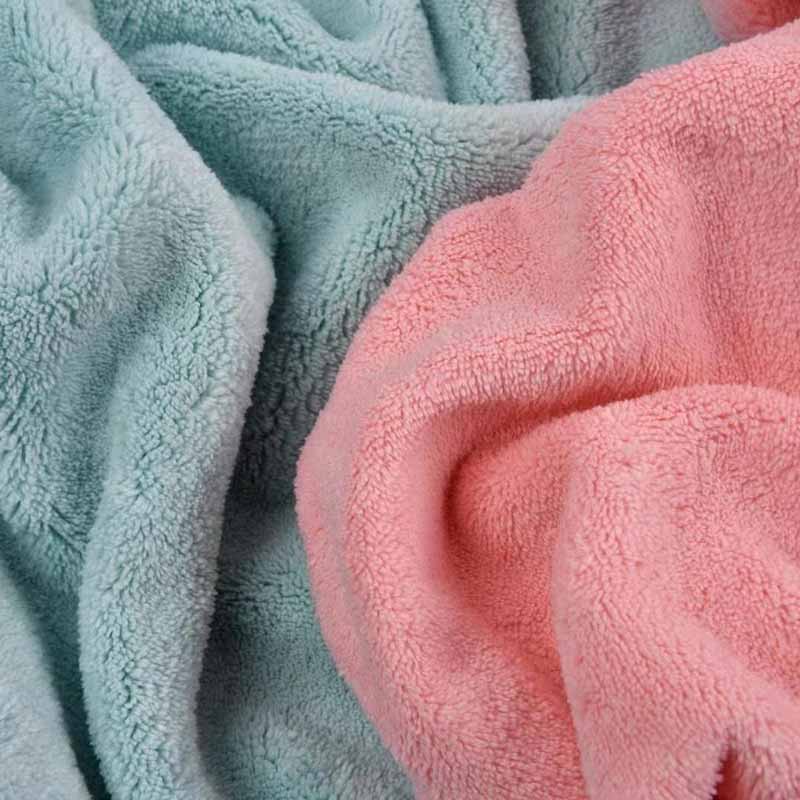
Composition of Coral Fleece Fabric
Coral fleece is primarily made of polyester, a synthetic polymer that provides excellent resilience and resistance to shrinking. The fibers are knitted and brushed, creating a dense, velvety pile that traps heat efficiently. Unlike traditional fleece, coral fleece features a thicker, more structured nap, giving it a soft “coral-like” texture that feels plush against the skin.
Key Properties
- Softness: The brushed surface creates a gentle touch ideal for sensitive skin.
- Warmth: Microfibers trap air, providing insulation without heavy weight.
- Durability: Polyester fibers resist tearing, stretching, and abrasion.
- Moisture Wicking: Coral fleece can absorb minor moisture, keeping users comfortable.
- Color Retention: Synthetic fibers hold dyes effectively, maintaining vibrant colors even after multiple washes.
Advantages over Other Fabrics
Compared to cotton or wool, coral fleece dries faster, is lighter in weight, and requires minimal ironing. Its synthetic nature also reduces the risk of mold and mildew, which is particularly important for baby blankets and indoor apparel. Understanding what is coral fleece fabric helps consumers make informed decisions for home textiles, activewear, and bedding.
Applications of Coral Fleece Fabric
Coral fleece fabric is versatile, serving a wide range of consumer and industrial purposes:
- Bedding: Blankets, bedspreads, pillow covers
- Apparel: Robes, jackets, pajamas, and loungewear
- Baby Products: Swaddles, mittens, booties
- Pet Accessories: Soft beds and blankets for pets
- Home Textiles: Sofa covers, throws, and curtains
Its combination of softness, insulation, and durability makes it a preferred choice for items requiring comfort and longevity. The fabric is lightweight yet dense, ideal for cold-weather use while remaining breathable enough for indoor wear.
How to Care for Coral Fleece Fabric
Coral fleece fabric is widely appreciated for its plush softness, warmth, and vibrant colors. However, without proper care, its luxurious texture can quickly deteriorate, leading to pilling, fading, or fiber distortion. Following expert-recommended guidelines helps preserve the quality, appearance, and longevity of coral fleece products, whether they are blankets, robes, clothing, or home accessories.
Washing Guidelines
Proper washing is the cornerstone of maintaining coral fleece quality. Incorrect techniques can damage the delicate fibers, flatten the plush pile, or cause permanent shrinkage.
Temperature: Cold or Lukewarm Water
Washing coral fleece in cold or lukewarm water helps maintain fiber structure and prevents shrinkage. Water temperatures above 40°C (104°F) can weaken the polyester fibers, cause matting of the pile, and reduce softness. Experts recommend 30–35°C (86–95°F) for optimal results.
Detergent: Mild and Non-Abrasive
Always use mild detergents free of bleach or optical brighteners. Harsh chemicals can strip the surface fibers, dull colors, and accelerate wear. For lightly soiled items, even a small amount of detergent is sufficient to clean effectively without overloading the fibers.
Cycle: Gentle or Delicate
Select gentle or delicate cycles on washing machines to reduce mechanical stress. Aggressive cycles with high agitation can twist, fray, or flatten the pile of coral fleece. If hand washing, soak items briefly and gently agitate without wringing.
Pre-Treatment of Stains
For stubborn stains, apply a mild stain remover before washing. Avoid scrubbing vigorously, as this can pull fibers out of the fabric. Spot-cleaning immediately after spills reduces the need for frequent full washes, preserving softness and color.
Drying Practices
Drying methods significantly affect the texture and lifespan of coral fleece fabric. Incorrect drying can lead to fiber damage, stiffness, or uneven pile formation.
Air Drying: Best for Softness
The preferred method is to hang or lay coral fleece items flat in a well-ventilated area. This allows fibers to dry naturally without tension, preventing shrinkage and flattening. Flat drying is particularly important for heavier items such as blankets or throws to avoid stretching.
Machine Drying: Low Heat Only
If a dryer is used, select the lowest heat setting. High temperatures can melt polyester fibers, causing stiffness and damaging the plush surface. Use a short drying cycle and remove items while slightly damp for air drying to finish.
Avoid Fabric Softeners
Fabric softeners may leave a coating on fibers, reducing the luxurious feel and flattening the pile. Instead, opt for gentle detergent formulas or occasional vinegar rinses to maintain softness naturally.
Tumble Dry with Dryer Balls
Adding dryer balls during low-heat drying can help lift fibers and restore the plush texture. This method reduces clumping, prevents static build-up, and enhances the overall fluffiness of the fabric.
Storage Tips
Proper storage ensures coral fleece items remain soft, odor-free, and in their original shape over time.
Folded Storage: Preserve Shape
Always fold coral fleece products neatly rather than hanging them. Hanging can stretch fibers, distort edges, and flatten the plush texture, especially for heavy blankets or robes.
Dry and Ventilated Space
Store items in a dry, well-ventilated area to prevent mold, mildew, or unpleasant odors. Avoid storing in damp closets or plastic containers without airflow.
Avoid Overcrowding
Ensure there is enough space between stored items. Overcrowding can crush fibers, lead to permanent matting, and make retrieval difficult without deforming the fabric.
Seasonal Storage Recommendations
For seasonal items such as winter blankets, consider storing in breathable cotton bags. Add moisture absorbers like silica gel packets to maintain a dry environment and prevent fiber damage during long-term storage.
Additional Expert Tips
- Rotate Items: Regularly rotating blankets, throws, or clothing helps distribute wear evenly and prevents certain areas from flattening or pilling.
- Use Gentle Brushing: Occasionally, lightly brush the surface of coral fleece with a soft-bristled brush to lift fibers and restore fluffiness.
- Minimize Direct Sunlight: Prolonged exposure to sunlight can fade colors and weaken fibers. Store or dry items away from direct sunlight for long-lasting vibrancy.
- Avoid Heavy Weight on Fabric: Do not stack excessively heavy items on top of coral fleece products, as compression can flatten fibers and damage pile integrity.
Table: Coral Fleece Care Recommendations and Effects
| Care Method | Recommended Practice | Effect on Coral Fleece | Notes |
|---|---|---|---|
| Washing Temperature | Cold or lukewarm | Maintains fiber structure | Avoid hot water |
| Detergent Choice | Mild, non-bleach | Preserves color and softness | Avoid harsh chemicals |
| Drying Method | Air dry or low-heat tumble | Prevents shrinking and pilling | High heat damages fibers |
| Fabric Softeners | Avoid | Maintains plush texture | Can coat fibers |
| Storage | Folded, dry, ventilated space | Prevents stretching and odor | Avoid damp or crowded areas |
| Frequency of Washing | As needed based on usage | Reduces wear over time | Overwashing may degrade fibers |
This table provides a concise guide for maintaining coral fleece fabrics, helping users extend the life and comfort of their products while understanding what is coral fleece fabric and how its care differs from other materials.
Common Mistakes in Caring for Coral Fleece Fabric
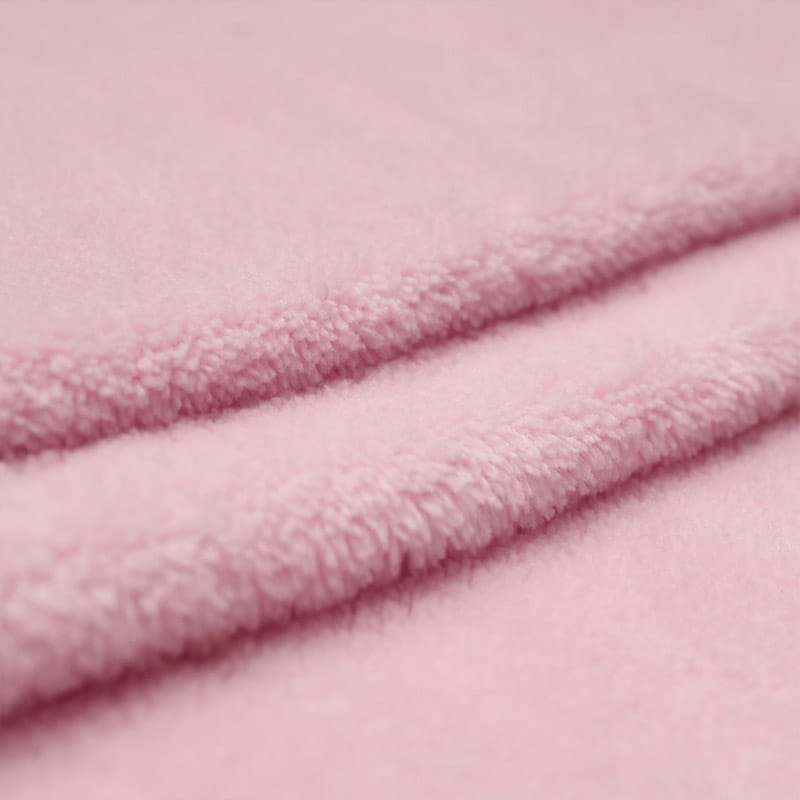
Using High Heat
Many users mistakenly dry coral fleece on high heat, believing it will speed up drying. In reality, high temperatures can melt the polyester fibers, reducing softness and creating matting.
Overwashing
Frequent washing with strong detergents or hot water can cause premature wear, color fading, and pilling. Understanding what is coral fleece fabric can help users adjust their washing frequency according to fabric density and use.
Ignoring Stains
Coral fleece fibers are prone to stain absorption. Prompt spot cleaning using mild solutions prevents permanent discoloration.
Storing in Damp Conditions
Improper storage in humid or damp environments can lead to mold, odors, and fiber weakening. Store products in ventilated, dry areas to maintain quality.
Expert Opinions on Coral Fleece Longevity
Dr. Susan Meyers, a textile scientist at the American Fabric Research Institute, notes, “Coral fleece fabrics are among the most user-friendly synthetics, but their lifespan relies heavily on proper care. Understanding what is coral fleece fabric is crucial to maximize its softness and durability. Regular washing with gentle detergents and air drying is ideal.”
A 2022 consumer study found that well-maintained coral fleece bedding lasted up to 4 years without significant loss of softness, compared to 2–3 years for poorly maintained items. This evidence highlights the importance of informed care practices.
Choosing the Right Coral Fleece Products
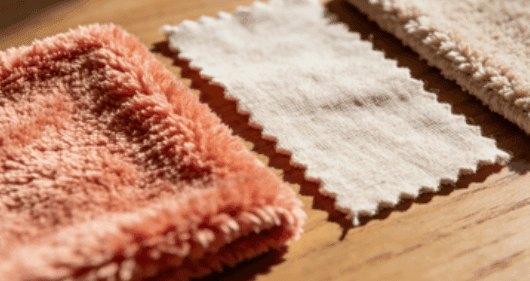
When shopping for coral fleece:
- Check Fiber Density: Higher density generally provides longer-lasting softness and warmth.
- Inspect Stitching: Well-stitched edges prevent fraying and prolong lifespan.
- Look for Brand Guidelines: Some brands include specific care instructions for optimal results.
Understanding what is coral fleece fabric helps consumers select products that are easier to maintain and will remain comfortable over time.
Conclusion
Coral fleece fabric combines the plush softness of natural fibers with the durability and ease of synthetics, making it an excellent choice for apparel, bedding, and baby products. Proper care—including gentle washing, low-heat drying, and correct storage—ensures that these products maintain their comfort and longevity. By understanding what is coral fleece fabric and following recommended practices, users can enjoy the luxurious feel and warmth of coral fleece for years.
FAQ
Q1: What is coral fleece fabric made of?
A1: Coral fleece is primarily polyester, brushed to create a thick, soft nap that provides warmth and comfort.
Q2: How often should I wash coral fleece items?
A2: Wash as needed, typically every 1–2 weeks for bedding and after 3–5 wears for clothing. Avoid over-washing to preserve softness.
Q3: Can I use a dryer for coral fleece?
A3: Yes, but only on low heat. High heat can damage fibers and reduce plushness.
Q4: Does coral fleece shrink?
A4: Minimal shrinkage occurs if washed and dried according to care instructions, but high heat or harsh detergents may cause distortion.
Q5: How can I prevent pilling on coral fleece?
A5: Wash gently, avoid fabric softeners, and air dry when possible. Using high-quality products with dense fibers also reduces pilling.