
Welcome to My Blog! I’m thrilled to have you here!
Before we dive into the content, I’d love for you to join me on my social media platforms. It’s where I share extra insights, connect with our amazing community, and keep you updated on the latest news.
Here’s how you can stay connected:
📘 Facebook: Suzhou Xize Textile Technology Co., ltd.
Now, let’s embark on this journey together! I hope you find the content here not only insightful but also inspiring and valuable. Let’s get started!
Table of Contents
Key Points of This Article
- Explore the latest Flannel trends for 2026 and understand how this classic textile material is evolving in the global market.
- Learn how sustainability, premium quality, advanced manufacturing, and customization are shaping the future of Flannel products.
- Understand the different types of Flannel fabrics and their applications in apparel, home textiles, hospitality, and commercial markets.
- Discover why brands, wholesalers, and manufacturers are investing in eco-friendly and high-performance Flannel solutions.
- Compare Flannel with other popular fabrics such as fleece, cotton, and wool to understand their advantages and limitations.
- Analyze important purchasing factors including fabric weight, fiber composition, production technology, and supplier capabilities.
- Find answers to common questions about Flannel materials, manufacturing processes, market trends, and future opportunities.
Introduction
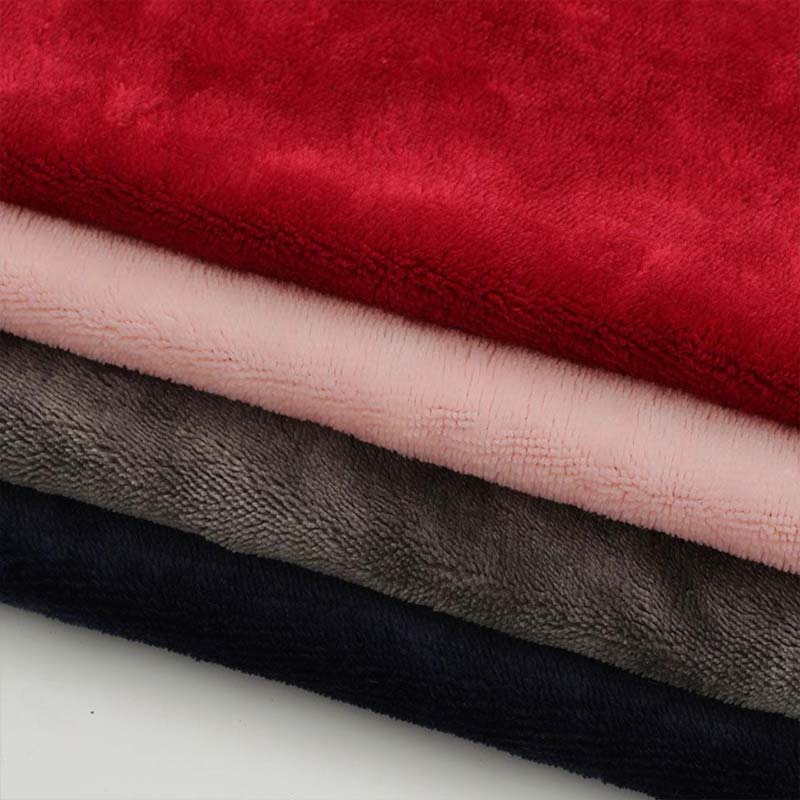
When people think about Flannel, many imagine a classic checked shirt, a warm winter blanket, or a comfortable home textile product. However, in 2026, this traditional fabric category is experiencing a significant transformation. Driven by changing consumer preferences, sustainability requirements, and technological improvements, Flannel is becoming a more diverse and innovative textile solution used across multiple industries.
The global textile market is entering a new stage where product value is no longer determined only by appearance and price. Buyers are increasingly evaluating materials based on environmental responsibility, durability, production transparency, comfort performance, and customization capability.
According to textile industry research organizations, sustainability-related textile products continue to gain market share as brands and consumers pay more attention to responsible sourcing and environmentally friendly manufacturing. At the same time, the global demand for comfortable home products, casual apparel, and personalized textile solutions is creating new growth opportunities for manufacturers and suppliers.
In this changing environment, Flannel is gaining renewed attention because it combines several important advantages:
- Soft and comfortable surface texture
- Excellent warmth retention
- Flexible design possibilities
- Wide application range
- Strong customization potential
From premium fashion collections and luxury bedding to sustainable home textile solutions, Flannel is evolving from a seasonal fabric into a year-round business opportunity.
This article provides an in-depth analysis of Flannel trends for 2026, including material innovation, market development, manufacturing technology, application expansion, and purchasing considerations for global buyers.
What Is Flannel? Understanding the Foundation of This Popular Textile
Flannel Fabric Definition and Basic Concept
Flannel is a soft woven textile material that is commonly produced using cotton, wool, blended fibers, or synthetic materials. The fabric surface is usually brushed during manufacturing to create a raised texture, which gives it a distinctive soft touch and improved insulation performance.
Unlike ordinary woven fabrics with a flat surface, Flannel contains fine raised fibers that create a warmer and more comfortable feeling against the skin.
The main production characteristics of Flannel include:
- Yarn preparation
- Weaving process
- Brushing treatment
- Dyeing and finishing
- Quality inspection
Each manufacturing stage influences the final fabric performance, including softness, thickness, durability, and appearance.
Main Features That Define Quality Flannel
High-quality Flannel is usually evaluated according to several important factors.
| Quality Factor | Description | Importance |
|---|---|---|
| Fiber Composition | Determines softness, durability, and comfort | Very High |
| Fabric Weight | Influences warmth and product usage | High |
| Brushing Quality | Creates softness and surface texture | Very High |
| Color Fastness | Ensures long-term appearance after washing | High |
| Shrinkage Control | Maintains product size stability | High |
For manufacturers and buyers, understanding these factors helps ensure better product selection and reduces quality risks.
The Evolution of Flannel in the Textile Industry
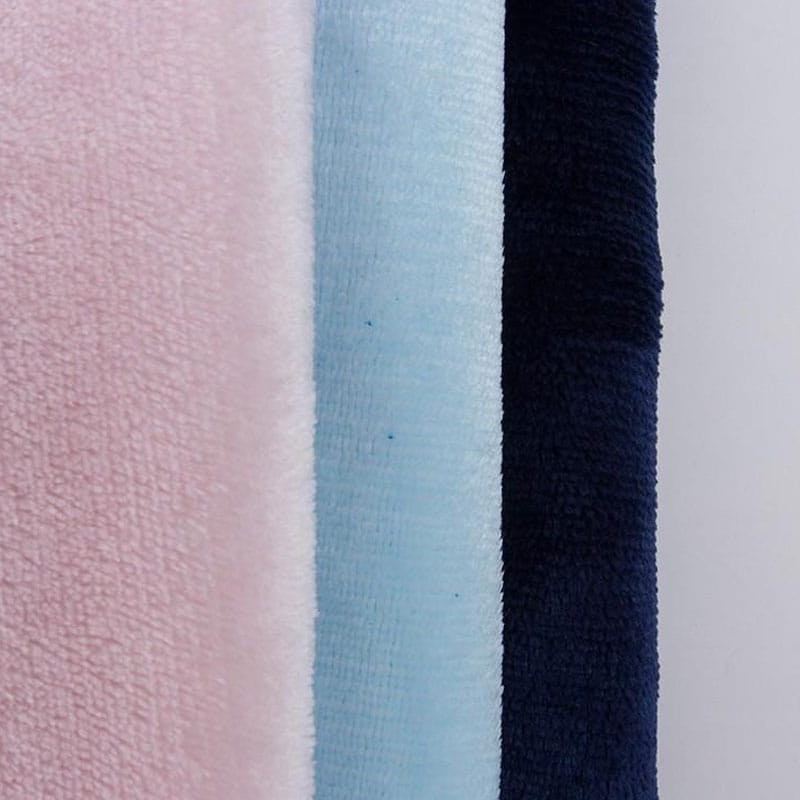
From Traditional Winter Fabric to Multi-Application Material
Historically, Flannel was mainly associated with cold-weather clothing because of its warmth and softness. Traditional applications included shirts, pajamas, blankets, and winter accessories.
However, market demand has expanded significantly. Modern Flannel products are now used in:
- Casual fashion
- Home decoration
- Bedding collections
- Hotel textiles
- Outdoor lifestyle products
- Promotional textile products
This expansion demonstrates that Flannel is no longer limited to winter consumption. Instead, it has become a flexible textile category suitable for different markets and consumer groups.
Why Is Flannel Still Popular in 2026?
The continued popularity of Flannel comes from its balance between comfort, appearance, and functionality.
Compared with many synthetic fabrics, Flannel provides a more natural textile feeling. Compared with lightweight cotton fabrics, it offers better warmth and seasonal versatility.
Consumers today are looking for products that provide emotional comfort as well as practical benefits, which creates long-term demand for soft and cozy textile materials.
Global Flannel Market Trends in 2026
Consumer Demand Shifts Toward Premium Textile Products
One of the most important changes in the textile market is the increasing demand for higher-quality products.
Modern consumers are becoming more selective. They are willing to consider premium products when those products provide:
- Better comfort
- Longer lifespan
- Sustainable materials
- Unique designs
- Improved functionality
This trend is encouraging textile companies to move from low-cost production toward value-added manufacturing.
The Growth of Lifestyle-Based Textile Consumption
The rise of remote work, home-focused lifestyles, and personal wellness trends has increased demand for comfortable household products.
Products such as:
- Flannel blankets
- Soft bedding sets
- Home lounge clothing
- Seasonal decorative textiles
are benefiting from consumers’ focus on creating comfortable living environments.
For textile brands, this creates opportunities to develop lifestyle-oriented Flannel collections rather than only traditional clothing products.
1. Sustainable Flannel Materials Become a Major Industry Direction
The Rise of Eco-Friendly Flannel Production
Sustainability is one of the strongest trends influencing textile manufacturing in 2026.
Governments, brands, and consumers are paying more attention to environmental impact throughout the entire product lifecycle, including:
- Raw material sourcing
- Manufacturing processes
- Chemical usage
- Energy consumption
- Packaging methods
As a result, sustainable Flannel solutions are becoming increasingly important for global textile suppliers.
Organic Cotton Flannel and Responsible Material Selection
Organic cotton Flannel is becoming one of the most attractive options for premium textile applications.
Compared with conventional cotton, organic cotton production focuses on more responsible agricultural practices and reduced chemical dependency.
Benefits of organic cotton Flannel include:
- Natural softness
- Comfortable skin contact
- Sustainable brand positioning
- Premium market appeal
For companies targeting environmentally conscious consumers, organic materials can become an important competitive advantage.
Sustainable Manufacturing Practices in Flannel Production
Modern manufacturers are improving sustainability through multiple approaches.
Low-Impact Dyeing Technology
Advanced dyeing systems help reduce water consumption and chemical waste while maintaining strong color performance.
Energy-Efficient Production
Modern textile factories are adopting improved equipment and production management systems to reduce energy usage.
Responsible Supply Chain Management
Many international buyers now require suppliers to provide clearer information about:
- Material sources
- Production conditions
- Quality control systems
These changes are pushing the Flannel industry toward more transparent and responsible development.
2. Premium Comfort Drives Flannel Product Innovation
Softness Becomes a Key Purchasing Factor
Among all textile characteristics, softness remains one of the strongest reasons customers choose Flannel products.
However, the definition of softness has changed. Modern buyers expect more than a soft first impression.
They want fabrics that:
- Remain comfortable after repeated washing
- Maintain surface quality over time
- Provide balanced warmth
- Feel pleasant during long-term use
This encourages manufacturers to improve fiber selection and finishing technologies.
Advanced Brushing Technology Improves Fabric Performance
Brushing is one of the most important processes in Flannel manufacturing.
During this process, the fabric surface is treated to create fine raised fibers. The quality of brushing directly affects:
- Touch feeling
- Appearance
- Warmth retention
- Product durability
Different brushing levels are designed for different applications.
| Brushing Type | Main Features | Recommended Applications |
|---|---|---|
| Light Brushed Flannel | Soft surface with lighter weight | Shirts, fashion garments |
| Medium Brushed Flannel | Balanced comfort and warmth | Pajamas, bedding |
| Heavy Brushed Flannel | Maximum softness and insulation | Blankets, winter products |
Choosing the correct brushing level helps manufacturers create products that match specific market requirements.
3. Customized Flannel Products Create New Business Opportunities
Growing Demand for OEM and ODM Flannel Solutions
Customization is becoming a major competitive factor in the global textile industry.
Many brands and distributors no longer want standard products that are identical to competitors. Instead, they prefer customized Flannel solutions that reflect their own market positioning.
OEM and ODM services allow companies to customize:
- Fabric composition
- Colors
- Patterns
- Product dimensions
- Labels
- Packaging
Why Are Businesses Investing in Custom Flannel?
Customized Flannel products provide several advantages.
Stronger Brand Identity
Unique designs allow companies to create recognizable product collections.
Higher Market Differentiation
Customized products reduce direct competition based only on price.
Flexible Product Development
Brands can create seasonal collections and targeted products based on customer demand.
Popular Industries Using Customized Flannel Products
| Industry | Common Customized Products |
|---|---|
| Apparel Brands | Shirts, jackets, casual clothing |
| Home Textile Companies | Blankets, bedding, pillow covers |
| Hospitality Industry | Guest blankets and comfort products |
| Promotional Market | Branded textile gifts |
The increasing demand for customization is expected to remain one of the strongest opportunities in the Flannel industry after 2026.
4. Functional Flannel Fabrics Become a Key Development Direction in 2026
The Rise of Performance-Oriented Flannel Materials
Traditional Flannel has always been valued for softness and warmth. However, modern buyers are increasingly looking for fabrics that provide additional performance benefits.
In 2026, functional textile development is becoming an important direction because customers expect products to deliver more than basic comfort.
Modern functional Flannel focuses on improving:
- Moisture management
- Durability
- Thermal regulation
- Anti-pilling performance
- Color stability
- Easy-care properties
These improvements allow Flannel products to expand into more professional and specialized markets.
Temperature-Regulating Flannel Improves Comfort
Temperature regulation is becoming a major consideration in premium textile development.
Consumers want fabrics that can maintain comfort in different environments instead of simply providing maximum warmth.
Advanced Flannel materials achieve better comfort through:
- Optimized fiber blending
- Improved fabric structures
- Moisture control technology
- Lightweight thermal designs
This development is particularly valuable for:
- Sleepwear
- Travel blankets
- Premium bedding
- Outdoor lifestyle products
Anti-Pilling Technology Extends Product Lifespan
One common challenge for textile products is maintaining appearance after long-term use.
Pilling can negatively affect the visual quality and customer experience of fabrics. Therefore, manufacturers are improving Flannel durability through advanced production methods.
Anti-pilling improvements include:
- Higher-quality yarn selection
- Better fiber control
- Improved brushing techniques
- Advanced finishing processes
For commercial buyers, durable products can reduce customer complaints and increase brand loyalty.
5. Digital Manufacturing Technology Improves Flannel Production
Smart Textile Manufacturing Becomes More Important
The textile manufacturing industry is experiencing rapid digital transformation.
In 2026, advanced technologies are helping Flannel manufacturers improve production efficiency, quality consistency, and customization capabilities.
Modern textile factories are increasingly adopting:
- Automated production monitoring
- Digital fabric inspection
- Intelligent dyeing systems
- Manufacturing data management
- Automated quality tracking
These technologies help suppliers provide more stable products for international customers.
Digital Printing Expands Flannel Design Possibilities
Traditional Flannel designs are often associated with classic patterns such as:
- Plaid designs
- Solid colors
- Seasonal styles
However, digital printing technology is creating more opportunities for creative product development.
Digital printing provides advantages including:
- More complex patterns
- Faster sampling processes
- Lower minimum order quantities
- Reduced material waste
- Greater design flexibility
This is especially valuable for fashion brands and online textile businesses that need faster product updates.
Traditional Production vs Modern Flannel Manufacturing
| Traditional Manufacturing | Modern Manufacturing |
|---|---|
| Limited design options | Flexible digital designs |
| Longer sample development time | Faster prototype production |
| Manual inspection processes | Digital quality monitoring |
| Large production requirements | More flexible customization |
The combination of traditional textile craftsmanship and modern technology is creating a new generation of Flannel products.
6. Flannel Applications Expand Across Multiple Industries
Flannel in the Apparel Industry
Apparel remains one of the most recognizable application areas for Flannel products.
The popularity of casual lifestyles continues to support demand for comfortable and practical clothing.
Common Flannel apparel includes:
- Flannel shirts
- Overshirts
- Jackets
- Pajamas
- Casual trousers
- Winter accessories
Why Do Consumers Prefer Flannel Clothing?
Flannel clothing remains popular because it offers a combination of comfort and style.
Key advantages include:
- Soft touch
- Warm feeling
- Classic appearance
- Easy matching with other clothing
- Suitable seasonal performance
Compared with heavier winter materials, Flannel provides warmth without excessive weight, making it suitable for everyday wear.
Flannel in Home Textile Applications
Home textiles represent one of the fastest-growing application areas for Flannel.
As consumers focus more on home comfort and personal wellness, demand for soft and cozy household products continues increasing.
Popular applications include:
| Product Category | Main Benefits |
|---|---|
| Flannel Blankets | Warmth and softness |
| Bedding Sets | Comfortable sleeping environment |
| Pillow Covers | Decorative and functional value |
| Sofa Covers | Protection and home styling |
| Throws | Seasonal lifestyle products |
For home textile brands, Flannel provides opportunities to create premium comfort collections with strong emotional appeal.
7. Hospitality Industry Creates New Opportunities for Flannel Products
Growing Demand from Hotels and Accommodation Businesses
The hospitality industry is increasingly focused on improving guest experiences.
Hotels, resorts, and boutique accommodations are investing in high-quality textile products because comfort has become an important part of customer satisfaction.
Flannel products can be used in hospitality environments for:
- Seasonal blankets
- Guest room accessories
- Lounge textiles
- Gift collections
- Premium comfort products
Why Do Hotels Choose Premium Flannel Products?
When selecting textile suppliers, hospitality businesses usually consider:
- Fabric comfort
- Durability
- Maintenance requirements
- Appearance consistency
- Supply reliability
High-quality Flannel products can help hotels create a warmer and more personalized guest experience.
Hospitality Trend Case: The Growth of Home-Like Guest Experiences
Many boutique hotels are moving toward a “home comfort” concept.
Instead of creating spaces that only focus on functionality, modern accommodation brands emphasize:
- Natural materials
- Comfortable textures
- Warm interior design
- Personalized experiences
This trend is increasing demand for soft textile products such as premium blankets, throws, and decorative Flannel fabrics.
8. Regional Market Trends for Flannel in 2026
North America: Strong Demand for Casual and Comfort Products
North America remains one of the most important markets for Flannel products.
The demand is supported by:
- Strong casual fashion culture
- Seasonal clothing demand
- Home comfort trends
- Outdoor lifestyle products
Popular products include:
- Plaid Flannel shirts
- Winter blankets
- Bedding products
- Lifestyle textiles
Europe: Sustainability Shapes Purchasing Decisions
European textile buyers are placing increasing importance on sustainability and responsible manufacturing.
Important purchasing factors include:
- Organic materials
- Environmental certifications
- Transparent supply chains
- Sustainable packaging
For suppliers targeting European markets, sustainability is becoming a key competitive advantage.
Asia-Pacific: Manufacturing Strength and Market Expansion
The Asia-Pacific region plays an important role in both Flannel manufacturing and consumption.
The region benefits from:
- Strong textile production capabilities
- Experienced manufacturers
- Advanced supply chain networks
- Growing domestic markets
Many global buyers cooperate with Asian suppliers because of their ability to provide customized production and competitive manufacturing solutions.
9. Important Flannel Quality Standards for Global Buyers
Why Quality Standards Matter in Flannel Purchasing
For international buyers, quality control is one of the most important factors when selecting Flannel suppliers. Although different markets may have different requirements, professional textile buyers usually evaluate products based on fabric composition, physical performance, safety requirements, and long-term durability.
A reliable Flannel supplier should not only provide attractive designs but also ensure stable quality through standardized production and testing procedures.
Important quality evaluation factors include:
- Fiber composition accuracy
- Fabric weight consistency
- Color fastness
- Shrinkage control
- Tensile strength
- Pilling resistance
- Chemical safety
These indicators directly influence customer satisfaction and product reputation.
Fabric Composition and Fiber Selection
The fiber composition of Flannel determines many of its core characteristics.
Common material options include:
| Material Type | Features | Typical Applications |
|---|---|---|
| 100% Cotton Flannel | Natural softness, breathable, comfortable | Premium shirts, bedding, home textiles |
| Cotton Blend Flannel | Balanced cost and performance | Commercial textile products |
| Wool Flannel | Excellent warmth retention | Premium winter products |
| Synthetic Blend Flannel | Easy maintenance and durability | Functional textile applications |
For premium markets, cotton-based Flannel remains one of the most popular choices because of its natural touch and consumer acceptance.
GSM Selection: Choosing the Right Flannel Weight
GSM (grams per square meter) is an important measurement used to evaluate fabric weight and thickness.
Different applications require different GSM ranges.
| GSM Range | Fabric Characteristics | Recommended Products |
|---|---|---|
| 120-180 GSM | Lightweight and breathable | Shirts, lightweight apparel |
| 180-280 GSM | Balanced softness and warmth | Pajamas, bedding, home textiles |
| 280-400 GSM | Thick and warm | Blankets, winter products |
| 400+ GSM | Heavy and premium | Luxury textile products |
Selecting the correct GSM helps buyers achieve the right balance between comfort, cost, and market positioning.
For example:
A lightweight Flannel shirt for spring and autumn markets may require a lower GSM, while a winter blanket designed for cold regions requires a higher GSM.
Color Fastness Requirements
Color performance is another important quality factor.
Poor color fastness can lead to:
- Color fading
- Customer complaints
- Reduced product lifespan
- Brand reputation damage
Professional manufacturers usually test:
- Washing color fastness
- Dry and wet rubbing color fastness
- Light resistance
- Perspiration resistance
Stable color performance is especially important for large-scale commercial orders.
Shrinkage Control and Fabric Stability
Natural fiber fabrics may experience dimensional changes after washing.
High-quality Flannel production uses processes such as:
- Pre-shrinking treatment
- Fabric stabilization
- Controlled finishing processes
These methods help maintain product size and improve customer satisfaction.
For businesses selling bedding, apparel, and hospitality textiles, shrinkage control is a critical quality requirement.
Flannel Manufacturing Process: From Fiber Selection to Finished Products
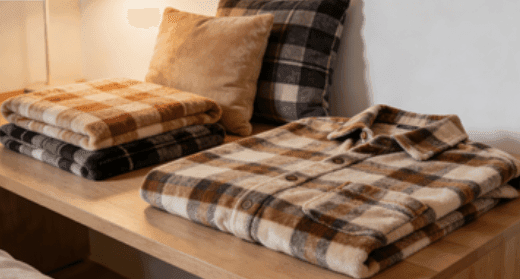
Step 1: Raw Material Selection
The manufacturing process begins with selecting suitable fibers.
Manufacturers evaluate:
- Fiber quality
- Yarn strength
- Softness requirements
- Target application
For premium Flannel products, higher-quality cotton fibers are often selected to achieve better softness and durability.
Step 2: Yarn Spinning and Preparation
After selecting raw materials, fibers are processed into yarn.
The yarn quality influences:
- Fabric strength
- Surface appearance
- Comfort level
- Final product performance
Uniform yarn production helps create consistent Flannel fabrics.
Step 3: Weaving Process
The prepared yarns are woven into fabric structures.
During weaving, manufacturers control:
- Fabric density
- Width
- Structure stability
Proper weaving technology ensures the fabric can withstand later brushing and finishing processes.
Step 4: Brushing Treatment
Brushing is one of the most important steps in Flannel production.
During this process, special machines raise fine fibers on the fabric surface.
The brushing process determines:
- Softness level
- Warmth performance
- Surface appearance
Different applications require different brushing levels.
For example:
- Apparel products usually require balanced softness and flexibility.
- Blankets often require deeper brushing for maximum comfort.
Step 5: Dyeing and Printing
After brushing, the fabric undergoes coloring processes.
Modern Flannel production may use:
- Reactive dyeing
- Digital printing
- Pigment printing
Manufacturers must control:
- Color accuracy
- Dye penetration
- Color fastness
Step 6: Finishing and Quality Inspection
The final stage focuses on improving fabric performance and ensuring quality.
Common finishing processes include:
- Softening treatment
- Anti-pilling treatment
- Shrinkage control
- Surface inspection
Before shipment, professional suppliers usually conduct quality checks to ensure products meet buyer requirements.
How to Choose a Reliable Flannel Supplier in 2026
Evaluate Manufacturing Experience
Experience is one of the most important factors when choosing a textile supplier.
Experienced manufacturers usually have better capabilities in:
- Material selection
- Production management
- Quality control
- Customization support
A supplier with years of Flannel production experience can often provide more stable solutions.
Check Production Capacity and Quality Control Systems
A professional supplier should have clear quality management procedures.
Important considerations include:
- Factory production capability
- Inspection process
- Equipment condition
- Quality documentation
For large-volume buyers, stable production capacity is essential to avoid delivery delays.
Review Customization Capabilities
A strong Flannel supplier should support different customization requirements.
Key capabilities include:
- Custom colors
- Custom patterns
- Different fabric weights
- OEM labeling
- Packaging solutions
Flexible customization helps businesses respond quickly to market changes.
Consider Sustainability Practices
As sustainability becomes increasingly important, buyers should evaluate supplier environmental practices.
Important questions include:
- Where do raw materials come from?
- Does the factory control waste?
- Are environmentally friendly processes used?
- Can sustainability documents be provided?
Responsible suppliers are becoming more valuable partners in global textile supply chains.
Flannel vs Other Popular Fabrics: A Detailed Comparison
Flannel vs Fleece: Which Fabric Is Better?
Flannel and fleece are often compared because both are used for warm products. However, they provide different user experiences.
| Comparison Factor | Flannel | Fleece |
|---|---|---|
| Material Feel | Natural and soft | Smooth synthetic feel |
| Warmth | Moderate to high | High |
| Breathability | Better airflow | Lower breathability |
| Appearance | Classic textile texture | Sport-oriented appearance |
| Maintenance | Requires normal care | Usually easy care |
| Best Applications | Shirts, bedding, lifestyle products | Outdoor clothing, blankets |
Which One Should Businesses Choose?
Choose Flannel when customers value:
- Natural texture
- Classic appearance
- Premium comfort
- Home lifestyle products
Choose fleece when customers need:
- Lightweight warmth
- Quick drying
- Outdoor performance
The best choice depends on the target market and product positioning.
Flannel vs Cotton: Understanding the Difference
Cotton and Flannel are closely related because many Flannel products are made from cotton fibers.
| Feature | Flannel | Cotton |
|---|---|---|
| Surface | Brushed texture | Smooth surface |
| Warmth | Higher | Moderate |
| Softness | Very soft | Naturally comfortable |
| Season | Autumn and winter | Year-round |
| Main Advantage | Warm comfort | Breathability |
Cotton is ideal for consumers who prioritize airflow and lightweight comfort, while Flannel is preferred when softness and warmth are more important.
Flannel vs Wool: Comparing Natural Warm Fabrics
| Feature | Flannel | Wool |
|---|---|---|
| Touch | Soft and comfortable | Can vary by quality |
| Weight | Medium | Often heavier |
| Care | Easier maintenance | Requires more care |
| Price | More affordable | Usually premium |
For everyday consumer products, Flannel often provides a better balance between comfort, usability, and cost.
How Businesses Can Benefit From Flannel Trends in 2026
Developing Premium Flannel Product Lines
As competition increases in the textile market, businesses need to focus on creating products with stronger added value. Instead of relying only on price competition, brands and manufacturers can use premium Flannel solutions to build differentiated product lines.
Premium product strategies may include:
- Higher-quality fiber selection
- Sustainable material options
- Functional finishing technologies
- Unique patterns and designs
- Customized packaging solutions
For example, a home textile brand can develop a premium winter collection using organic cotton Flannel blankets, while a fashion company can create exclusive seasonal clothing lines with customized patterns.
These approaches help businesses improve brand positioning and attract customers who are willing to pay more for quality products.
Building Long-Term Supplier Partnerships
In global textile purchasing, supplier relationships are becoming more important.
A reliable Flannel supplier is not only a manufacturer but also a long-term business partner that can support:
- Product development
- Market adaptation
- Quality improvement
- Production planning
- Cost optimization
Long-term cooperation allows buyers to achieve more stable supply chains and faster responses to market changes.
Flannel Purchasing Guide for Global Buyers
Understanding Your Product Requirements Before Purchasing
Before selecting a Flannel supplier, buyers should clearly define their product requirements.
Important considerations include:
- Final product application
- Target customer group
- Required fabric weight
- Material preference
- Color and design requirements
- Order quantity
- Delivery schedule
Different applications require different fabric solutions.
For example:
A luxury bedding brand may prioritize softness and high GSM, while a fashion brand may focus more on lightweight structure and design flexibility.
Key Factors to Consider When Buying Flannel Fabric
| Purchasing Factor | Why It Matters |
|---|---|
| Fiber Composition | Determines comfort, durability, and market positioning |
| GSM | Affects thickness, warmth, and product use |
| Color Quality | Influences appearance and customer satisfaction |
| Shrinkage Control | Ensures product stability |
| Supplier Experience | Reduces production and quality risks |
| Customization Ability | Supports brand differentiation |
A complete evaluation helps businesses avoid quality problems and improve purchasing efficiency.
Common Mistakes Buyers Should Avoid When Purchasing Flannel
Choosing Only Based on Low Price
Price is an important factor, but it should not be the only consideration.
Low-cost products may involve:
- Lower-quality fibers
- Poor color performance
- Inconsistent fabric weight
- Limited quality control
For businesses building long-term brands, product reliability is usually more valuable than short-term cost savings.
Ignoring Fabric Testing
Some buyers focus heavily on appearance but overlook performance testing.
Important testing areas include:
- Washing durability
- Color fastness
- Fabric strength
- Shrinkage rate
- Surface quality
Professional testing helps ensure the final products meet customer expectations.
Not Considering Market-Specific Needs
Different markets have different preferences.
For example:
North American customers may prefer classic plaid designs and warm winter products.
European customers may pay more attention to sustainability and material certifications.
Asian markets may have stronger demand for lightweight and multifunctional textile products.
Understanding market differences helps businesses develop more successful Flannel products.
Flannel Industry Case Studies and Market Applications
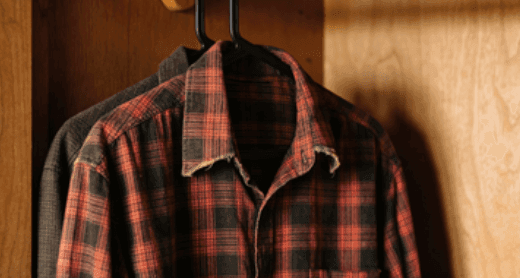
Case Study 1: Sustainable Home Textile Brand Development
A growing number of home textile companies are developing sustainable product collections using environmentally responsible materials.
A typical product strategy includes:
- Organic cotton Flannel fabric
- Natural color designs
- Sustainable packaging
- Long-lasting product quality
This approach allows brands to appeal to environmentally conscious consumers while creating premium product positioning.
Case Study 2: Fashion Brands Expanding Seasonal Collections
Fashion companies are increasingly using Flannel because it combines casual style with functional comfort.
Common strategies include:
- Limited seasonal collections
- Custom patterns
- Oversized shirt designs
- Mixed-material clothing
Flannel provides designers with flexibility because it can support both traditional and modern fashion styles.
Case Study 3: Hospitality Brands Improving Guest Comfort
Hotels and resorts are focusing more on creating memorable guest experiences.
Premium Flannel products can support this strategy through:
- Comfortable room textiles
- Seasonal blankets
- Luxury lounge products
By improving textile quality, hospitality businesses can create a warmer and more personalized environment.
Flannel and Sustainability: Future Environmental Considerations
The Importance of Responsible Textile Production
Environmental responsibility is becoming a major factor in global textile purchasing.
Future Flannel production will likely focus more on:
- Sustainable raw materials
- Reduced water consumption
- Cleaner manufacturing processes
- Improved recycling solutions
Companies that invest in sustainable production can better meet future market expectations.
Certifications and Sustainability Verification
For international buyers, certifications can help verify product responsibility.
Common textile-related certifications and standards may include:
- Organic textile certifications
- Chemical safety standards
- Environmental management systems
- Social responsibility standards
These certifications help buyers evaluate suppliers and improve market trust.
The Future of Flannel After 2026
More Functional Textile Development
Future Flannel products are expected to combine traditional comfort with advanced performance.
Possible development directions include:
- Temperature-adaptive fabrics
- Enhanced moisture control
- Improved durability
- Smart textile integration
The goal is to create fabrics that provide better experiences in different environments.
Greater Customization and Small-Batch Production
Consumer demand is becoming increasingly personalized.
In the future, manufacturers may provide more flexible production solutions, including:
- Lower minimum order quantities
- Faster sampling
- Digital customization
- Personalized designs
This will create more opportunities for small brands and niche markets.
Integration of Sustainability and Technology
The future development of Flannel will depend on balancing environmental responsibility with technological innovation.
Successful manufacturers will focus on:
- Better materials
- Cleaner production
- Advanced equipment
- Transparent supply chains
This combination will help Flannel maintain its market value in the evolving textile industry.
Conclusion
The future of Flannel is not limited to traditional winter clothing. In 2026, this classic textile material is entering a new stage driven by sustainability, technology, customization, and changing consumer expectations.
From eco-friendly fabrics and functional improvements to advanced manufacturing and global market expansion, Flannel continues to demonstrate strong adaptability.
For textile brands, wholesalers, and manufacturers, understanding these trends provides valuable opportunities to develop better products and build stronger market competitiveness.
As consumers continue to prioritize comfort, quality, and responsible production, Flannel will remain an important textile category with long-term growth potential in the global market.
FAQ
What are the biggest Flannel trends in 2026?
The biggest trends include sustainable materials, premium comfort, functional performance, customization, and advanced manufacturing technology.
Businesses are increasingly developing Flannel products that combine environmental responsibility with improved user experience.
Is Flannel still popular in 2026?
Yes. Flannel remains an important textile material because of its softness, warmth, versatility, and wide range of applications.
Although it is traditionally associated with winter products, modern Flannel is expanding into fashion, home textiles, hospitality, and customized products.
What is the best material for high-quality Flannel?
Cotton is one of the most popular choices for premium Flannel because it provides natural softness, breathability, and comfort.
However, the best material depends on the application. Different markets may require cotton blends, wool options, or functional fiber combinations.
How can I choose a good Flannel supplier?
A reliable supplier should have:
- Manufacturing experience
- Stable quality control
- Customization capabilities
- Sustainable production practices
- Good communication and delivery management
Buyers should evaluate both product quality and supplier reliability.
Is Flannel better than fleece?
Neither fabric is universally better. The right choice depends on the application.
Flannel is better for customers who prefer:
- Natural texture
- Classic appearance
- Comfortable lifestyle products
Fleece is better for:
- Outdoor performance
- Lightweight warmth
- Quick-drying applications
What Flannel products have the highest market demand?
Currently popular categories include:
- Flannel shirts
- Blankets
- Bedding products
- Pajamas
- Home textile accessories
- Customized textile products
Demand is especially strong for premium and sustainable product categories.
Can Flannel products be customized for businesses?
Yes. Many manufacturers provide OEM and ODM services.
Businesses can customize:
- Fabric composition
- Colors
- Patterns
- Sizes
- Labels
- Packaging
Customization helps companies create unique products and strengthen their market position.