
Welcome to My Blog! I’m thrilled to have you here!
Before we dive into the content, I’d love for you to join me on my social media platforms. It’s where I share extra insights, connect with our amazing community, and keep you updated on the latest news.
Here’s how you can stay connected:
📘 Facebook: Suzhou Xize Textile Technology Co., ltd.
Now, let’s embark on this journey together! I hope you find the content here not only insightful but also inspiring and valuable. Let’s get started!
Table of Contents
Introduction
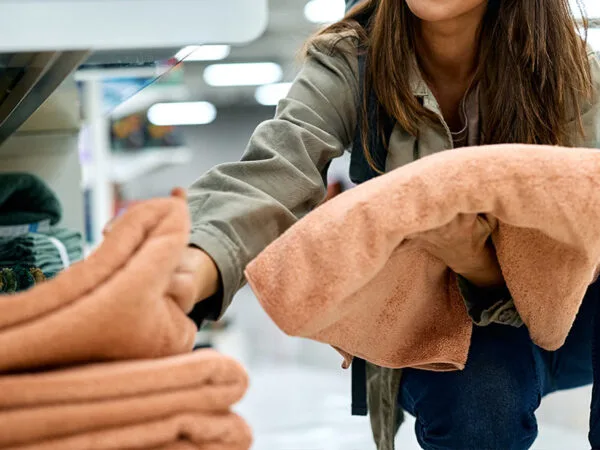
The global textile industry is entering a structural transformation phase driven by digital manufacturing, sustainability regulations, and fast-moving consumer demand cycles. In this new environment, custom textile fabric has shifted from a niche service to a core production strategy for global brands.
According to multiple textile industry whitepapers, the global customized textile market is expected to grow at a CAGR of 6.8%–8.2% between 2024 and 2030, driven mainly by fashion personalization, e-commerce expansion, and smart manufacturing systems.
Unlike traditional mass production, modern textile customization integrates:
- Digital weaving systems
- On-demand dyeing technologies
- AI-driven design prediction
- Low-MOQ flexible production models
This evolution is redefining how fabrics are designed, manufactured, and distributed worldwide.
Global Market Structure of Custom Textile Fabric Industry
Market Segmentation Overview (2026 Forecast)
The custom textile fabric industry can be segmented into four major categories, each representing a different demand structure and production logic in the global supply chain:
1. Apparel Fabrics
- Velvet fabric
- Stretch velvet fabric
- Cotton print fabric
- Soft spandex fabric
Apparel fabrics dominate high-frequency consumption markets, especially in fast fashion and seasonal collections. These fabrics prioritize visual appeal, softness, and adaptability to design changes, making customization essential for brand differentiation.
2. Home Textile Fabrics
- Coral fleece fabric
- Flannel fabric
- Bubble blanket materials
Home textiles focus on comfort-driven performance, where thermal insulation, softness, and durability are key purchasing factors. Demand growth is strongly linked to e-commerce home furnishing expansion and lifestyle branding trends.
3. Industrial Functional Fabrics
- High-density polyester
- Cationic polyester fiber
- Ribbed technical fabrics
This category emphasizes performance metrics such as tensile strength, abrasion resistance, moisture control, and structural stability. Industrial buyers increasingly require customized specifications for automotive interiors, protective coverings, and technical applications.
4. Decorative & Luxury Fabrics
- Jacquard fabric
- Faux fur rabbit fabric
- Pearl velvet fabric
Luxury textiles are driven by aesthetic innovation and premium positioning. These materials are widely used in high-end interior design, fashion collections, and boutique retail environments.
Industry Value Chain Structure
The textile value chain has evolved into a multi-layer digital ecosystem:
- Fiber production (upstream)
- Fabric weaving & knitting (midstream)
- Digital customization (integration layer)
- Brand distribution (downstream)
Custom textile fabric now sits at the center of this value chain as a flexible production layer.
International Standards Driving Custom Textile Fabric Quality
OEKO-TEX Standard 100 (Detailed Compliance Layer)
This certification ensures that textile products are free from harmful substances across all production stages.
Key evaluation dimensions include:
- Restricted substance lists (RSL compliance)
- Skin-contact safety classification (Class I–IV)
- Formaldehyde and chemical residue limits
- pH balance testing for skin compatibility
This is especially important for fabrics used in home textiles and apparel products with direct skin contact.
GRS (Global Recycled Standard) – Extended Scope
GRS certification is increasingly required for export-oriented textile manufacturers.
Requirements include:
- Minimum recycled content threshold (typically ≥20%)
- Full traceability across supply chain
- Social and environmental compliance audits
- Chemical usage control documentation
GRS-certified custom textile fabric products are gaining strong demand in EU and North American markets due to sustainability regulations.
ISO 9001 Textile Manufacturing Standard (Operational Control Layer)
ISO 9001 ensures production consistency and quality control through structured systems.
Key control systems:
- Incoming raw material inspection
- In-process quality monitoring
- Final batch sampling verification
- Continuous improvement feedback loops
Factories with ISO certification are more likely to secure long-term B2B contracts.
Advanced Fabric Engineering in Custom Textile Fabric Systems
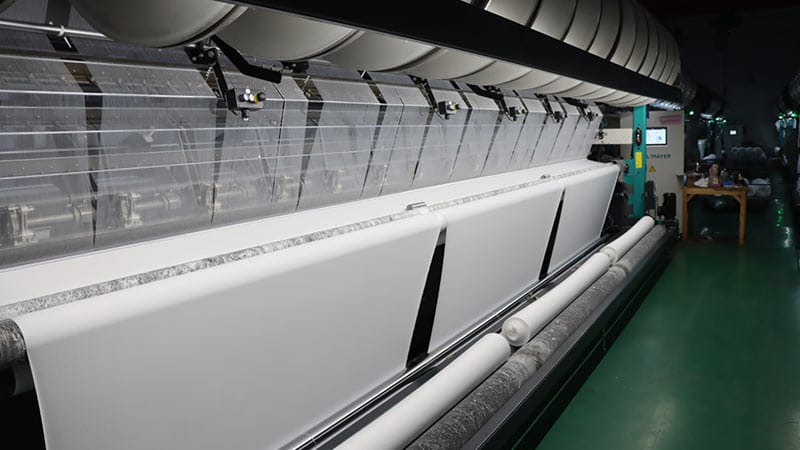
Warp Knitting vs Weft Knitting Evolution
Warp Knitting Systems
Warp knitting provides:
- High dimensional stability
- Anti-deformation structure
- Industrial-grade durability
It is widely used in velvet and performance fabrics.
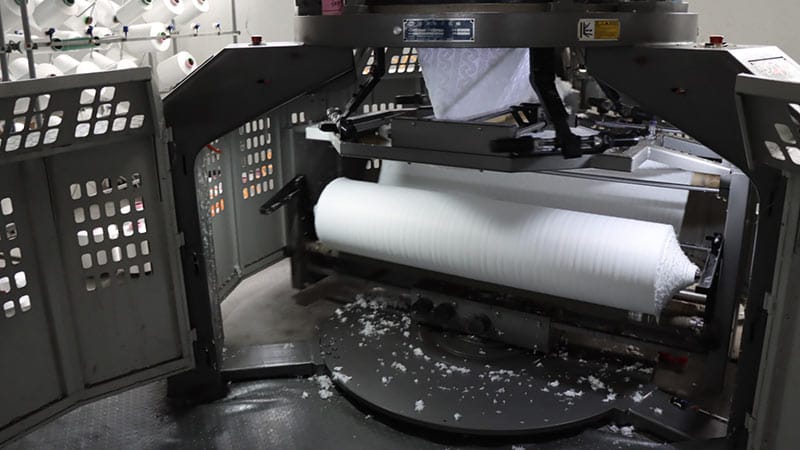
Weft Knitting Systems
Weft knitting focuses on:
- Elasticity
- Soft texture formation
- Comfort-based applications
Used heavily in fleece and cotton-based textiles.
Hybrid Fabric Technology
Modern factories now combine:
- Warp + weft hybrid weaving
- Multi-layer composite structures
- Functional coating integration
This enables performance-enhanced custom textile fabric for advanced markets.
Material Science Expansion in Custom Textile Fabric
Velvet Fabric Evolution
Modern velvet includes:
- Printed velvet fabric
- Stretch velvet fabric
- High-density velvet
Performance improvements include:
- Increased abrasion resistance
- Improved color retention
- Enhanced softness durability
Fleece Fabric Development
Fleece categories are evolving rapidly:
- Coral fleece (lightweight warmth)
- Curly fleece (texture depth)
- Super soft fleece (premium touch)
Industry tests show fleece materials retain over 85% thermal efficiency after 30 washes.
Functional Polyester Innovations
Polyester fabrics now include:
- Cationic dyeable polyester
- Moisture-wicking blends
- Anti-pilling treated surfaces
These improvements significantly enhance performance in sportswear and industrial textiles.
Case Studies in Custom Textile Fabric Applications
Case Study 1: European Fashion Brand Customization
A mid-sized EU fashion brand shifted 70% of production to custom textile sourcing.
Results:
- 35% faster design-to-market cycle
- 28% reduction in inventory waste
- Higher seasonal adaptability
Case Study 2: Home Textile Manufacturer Upgrade
A bedding manufacturer adopted digital printing on flannel and fleece materials.
Outcomes:
- Production efficiency increased by 42%
- Customer return rate reduced by 18%
- Design variation increased by 3x
Case Study 3: E-commerce Textile Brand Expansion
An online brand using custom velvet and jacquard fabrics achieved:
- 60% increase in product differentiation
- Stronger brand premium positioning
- Higher repeat purchase rate
Cost Structure Analysis of Custom Textile Fabric Production
Key Cost Components
- Raw fiber materials (35–45%)
- Weaving/knitting processes (20–25%)
- Dyeing & finishing (15–20%)
- Customization & design (10–15%)
- Logistics & packaging (5–10%)
Why Customization Changes Cost Logic
Unlike mass production, custom textile fabric reduces:
- Inventory holding cost
- Unsold stock risk
- Overproduction waste
This makes it economically efficient for flexible supply chains.
Sustainability Transformation in Custom Textile Fabric Industry
Circular Textile Economy
The industry is shifting toward:
- Fiber recycling systems
- Fabric reuse loops
- Closed-loop dyeing processes
Water Reduction Technologies
Modern dyeing systems reduce:
- Water usage by up to 60%
- Chemical discharge by 40%
- Energy consumption by 25%
Eco Material Innovation
Popular sustainable fabrics include:
- Recycled polyester fleece
- Bio-based cotton blends
- Low-impact dyed jacquard
Digital Transformation in Custom Textile Fabric Manufacturing
Industry 4.0 Textile Factories
Modern factories now include:
- IoT-based machine monitoring
- AI-driven production scheduling
- Digital twin fabric simulation
AI Fabric Design Systems
AI systems can predict:
- Seasonal fabric demand
- Color trend cycles
- Texture preference patterns
Smart Sampling Systems
Traditional sampling cycles take 7–15 days.
Digital sampling reduces it to:
- 24–48 hours in advanced factories
Comparison: Traditional vs Custom Textile Fabric Manufacturing
| Feature | Traditional Textile | Custom Textile Fabric |
|---|---|---|
| Production model | Mass production | On-demand production |
| Flexibility | Low | High |
| Waste level | High | Low |
| Design cycles | Slow | Fast |
| MOQ requirement | High | Low |
Advanced Product Ecosystem in Custom Textile Fabric
Velvet Product Line
- Printed velvet fabric
- Stretch velvet fabric
- Pearl velvet fabric
Fleece Product Line
- Coral fleece fabric
- Curly fleece fabric
- Bubble blanket materials
Functional Fabric Line
- High-density polyester
- Ribbed fabric systems
- Soft spandex blends
FAQ
What is custom textile fabric used for today?
It is used in fashion, home textiles, industrial applications, and functional performance materials.
Is custom textile fabric more expensive than standard fabric?
Not necessarily. It reduces waste and inventory cost, making it efficient for flexible production.
What fabrics are trending in 2026?
Velvet, fleece, jacquard, and functional polyester fabrics are leading global demand.
Can custom textile fabric be eco-friendly?
Yes, especially when using recycled fibers, low-water dyeing, and GRS-certified materials.
What industries benefit most from custom textile fabric?
Fashion brands, home textile manufacturers, automotive suppliers, and e-commerce retailers.
Conclusion
The evolution of custom textile fabric represents a fundamental shift in global textile manufacturing—from rigid mass production to intelligent, flexible, and data-driven customization.
As Industry 4.0 technologies continue to mature, textile production is becoming:
- More automated
- More sustainable
- More responsive to market demand
- More design-driven
Brands that adopt customization strategies will gain competitive advantages in speed, cost efficiency, and product differentiation.
In the future, textile success will no longer depend on volume—it will depend on adaptability, precision, and intelligent design integration.