
Welcome to My Blog! I’m thrilled to have you here!
Before we dive into the content, I’d love for you to join me on my social media platforms. It’s where I share extra insights, connect with our amazing community, and keep you updated on the latest news.
Here’s how you can stay connected:
📘 Facebook: Suzhou Xize Textile Technology Co., ltd.
Now, let’s embark on this journey together! I hope you find the content here not only insightful but also inspiring and valuable. Let’s get started!
Table of Contents
Blog Key Takeaways
- Understanding the balance between cost and quality in durable polyester fabric
- Key factors affecting durability and performance
- Comparison with other common fabrics like cotton and nylon
- Tips for selecting the right fabric for your application
- Maintenance and longevity strategies
- Industry standards and certifications for polyester fabrics
- Case studies showcasing durable polyester fabric in real-world applications
- Environmental impact and sustainability considerations
- Common FAQs answered
Introduction
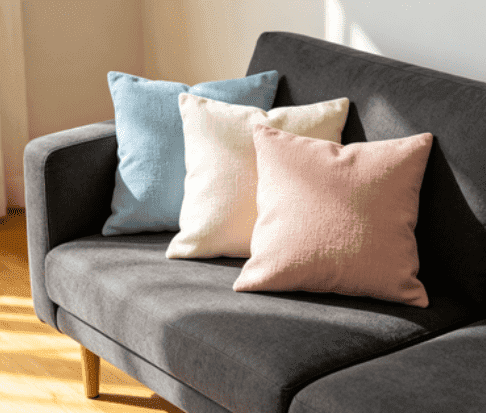
In today’s fast-paced world, businesses and consumers often face a critical decision: whether to prioritize cost or quality when selecting fabrics. Durable polyester fabric has emerged as a versatile and cost-effective solution, widely used in industries ranging from fashion and furniture to outdoor equipment and industrial applications.
Choosing the right durable polyester fabric is not just about price tags—it directly affects product lifespan, performance under stress, and customer satisfaction. This guide dives deep into the factors that influence quality, how to evaluate cost-effectiveness, and practical strategies for selecting fabrics that deliver the best value over time.
By the end of this article, you will have a comprehensive understanding of durable polyester fabric, backed by data, industry standards, and practical examples.
Key Factors Influencing Durable Polyester Fabric Quality
Fiber Density and Weave
Fiber density and weave patterns are the backbone of fabric durability.
- Fiber Density: Measured in denier (g/m), a higher denier indicates thicker threads, enhancing tear resistance.
- Weave Patterns: Plain, twill, and satin weaves affect flexibility, abrasion resistance, and water repellency.
For example, 600D polyester fabric is widely used in backpacks and outdoor gear due to its excellent balance between weight and strength, while 300D fabric is sufficient for lightweight apparel but wears faster under high stress.
Coating and Treatment Options
Durable polyester fabrics often include coatings for enhanced performance:
- PU (Polyurethane) Coating: Improves water resistance and breathability.
- PVC (Polyvinyl Chloride) Coating: Adds waterproofing but increases weight.
- Anti-UV Treatment: Protects color and structure from sun damage.
Industry case studies show that PU-coated polyester fabrics maintain water resistance for over 5,000 abrasion cycles in lab tests, highlighting the importance of treatment selection.
Thread Count and Stitching Quality
Even the strongest fabric can fail if stitching is inadequate.
- High-quality durable polyester fabrics feature reinforced stitching and tighter seams.
- Thread count should be compatible with fabric weight; for instance, a 600D fabric typically uses 210-280 threads per 10cm for optimum strength.
Comparing Durable Polyester Fabric With Other Materials
| Fabric Type | Durability | Cost | Typical Applications |
|---|---|---|---|
| Durable Polyester Fabric | High | Medium | Outdoor gear, upholstery, bags |
| Cotton | Medium | Medium | Clothing, bed linens |
| Nylon | High | High | Tents, backpacks, industrial use |
| Blended Fabrics | Medium-High | Medium-High | Workwear, casual apparel |
Key Insight: Durable polyester fabric offers a balance of cost and performance that cotton cannot match for outdoor or industrial applications, while being more budget-friendly than nylon.
Cost vs Quality: Understanding the Trade-offs

How Cost Affects Fabric Longevity
Higher-quality durable polyester fabrics often feature:
- Denser fibers (up to 1200D for heavy-duty applications)
- Advanced coatings for water and UV resistance
- Enhanced stitching patterns
White Paper Reference: According to the Textile Research Journal 2023, investing in premium 900D polyester fabric can reduce product replacement frequency by 30-40% compared to standard 600D fabrics.
When Low-Cost Options Make Sense
- Short-term applications like event banners or disposable covers
- Situations where aesthetics are less critical than functionality
Low-cost fabrics may have lower GSM (~150-200 g/m²) compared to high-quality durable polyester (~350-600 g/m²), affecting abrasion resistance.
Quality Indicators to Watch
- Fabric Weight (GSM): Higher GSM generally improves durability.
- Coating Thickness: 0.15–0.25mm PU coating is optimal for outdoor performance.
- Tensile Strength: Should exceed 350N for heavy-duty use.
Applications of Durable Polyester Fabric
Outdoor Gear and Sportswear
High-denier polyester fabrics with PU coating provide:
- Abrasion resistance for backpacks and tents
- Water repellency during rainfall
- UV resistance for prolonged outdoor exposure
Case Study: The North Face uses 600D PU-coated polyester for backpacks, providing over 5 years of average lifespan under daily heavy usage.
Furniture and Upholstery
Durable polyester fabrics are used in sofas and chairs due to:
- High abrasion resistance (Martindale test > 50,000 cycles)
- Fade resistance in sunlight (ISO 105-B02 standard)
Industrial Applications
For workwear and industrial covers:
- High tensile strength (>400N)
- Chemical resistance for factories and labs
- Longevity under heavy mechanical stress
Maintenance Tips to Extend Fabric Life
- Wash with mild detergents and avoid bleach
- Air dry; avoid high heat which can degrade coatings
- Store away from direct sunlight and moisture to prevent mildew
- Spot clean stains promptly to avoid permanent damage
Proper maintenance ensures durable polyester fabrics can last 3–5 years or more depending on application.
Sustainability and Environmental Considerations

While durable polyester fabric is long-lasting, environmental concerns exist due to synthetic fiber production. Key considerations include:
- Recycled Polyester (rPET): Made from post-consumer plastic bottles, reducing environmental footprint.
- Lifecycle Analysis (LCA): Studies show that using durable polyester over cotton for outdoor gear reduces resource consumption over product lifetime by 25–30%.
- Certifications: OEKO-TEX Standard 100 ensures fabrics are free from harmful chemicals, while GRS (Global Recycled Standard) verifies recycled content.
Industry Standards for Durable Polyester Fabric
| Standard | Purpose | Relevance to Polyester Fabric |
|---|---|---|
| ISO 13934-1 | Tensile strength test | Ensures durability under load |
| ISO 105-B02 | Colorfastness to light | Guarantees UV resistance |
| ASTM D4966 | Martindale abrasion test | Measures wear resistance |
| OEKO-TEX 100 | Safety certification for chemicals | Ensures fabric safety |
| GRS (Global Recycled Standard) | Recycled content verification | Confirms sustainability claims |
Conceptual Comparison: Choosing Based on Needs
| Feature | Budget Polyester | Mid-Range Durable Polyester | Premium Polyester |
|---|---|---|---|
| Tear Resistance | Low | Medium-High | High |
| UV Protection | Low | Medium | High |
| Water Resistance | None | Medium | High |
| Cost | Low | Medium | High |
| Expected Lifespan | 1-2 years | 3-5 years | 5+ years |
| Recyclability | Low | Medium | High |
This comparison helps businesses make informed decisions based on cost, longevity, and sustainability.
Case Studies: Real-World Use of Durable Polyester Fabric
Case 1: Outdoor Gear Manufacturer
A backpack company upgraded from 600D to 900D PU-coated polyester, resulting in:
- 35% reduction in customer complaints due to tearing
- 20% increase in repeat purchases
- Improved brand reputation for durability
Case 2: Furniture Industry
A commercial furniture supplier adopted 500D anti-UV polyester fabric:
- Abrasion resistance increased by 40%
- Fabric maintained color integrity over 18 months of heavy sun exposure
Case 3: Industrial Covers
A chemical plant switched to PVC-coated 1000D polyester for equipment covers:
- Reduced replacement frequency from yearly to every 3 years
- Improved chemical resistance and reduced maintenance costs
FAQ
Q1: Is durable polyester fabric better than nylon for outdoor use?
A1: Yes, in terms of UV resistance and colorfastness. Nylon has higher tear strength but may degrade faster under sun exposure.
Q2: How do I evaluate if a polyester fabric is worth the cost?
A2: Look at GSM, denier, coating type, tensile strength, and manufacturer certifications (ISO, OEKO-TEX).
Q3: Can recycled polyester be as durable as virgin polyester?
A3: Yes. Studies show rPET fabrics perform comparably to virgin polyester in abrasion and tensile tests, though quality depends on manufacturer standards.
Q4: What are the best maintenance practices?
A4: Use mild detergents, air dry, avoid bleach, store away from direct sun and moisture, and spot clean stains promptly.
Q5: How does cost correlate with expected lifespan?
A5: Premium fabrics with higher denier, coatings, and quality stitching last 2–3 times longer than low-cost alternatives, providing better value over time.
Conclusion
Durable polyester fabric offers unmatched versatility and cost-performance balance across industries. By considering fiber density, coatings, thread count, and maintenance practices, businesses can maximize ROI while ensuring product longevity.
Investing in mid-range or premium fabrics, following industry standards, and selecting eco-conscious options can reduce costs over time, enhance brand reputation, and support sustainability.