
Welcome to My Blog! I’m thrilled to have you here!
Before we dive into the content, I’d love for you to join me on my social media platforms. It’s where I share extra insights, connect with our amazing community, and keep you updated on the latest news.
Here’s how you can stay connected:
📘 Facebook: Suzhou Xize Textile Technology Co., ltd.
Now, let’s embark on this journey together! I hope you find the content here not only insightful but also inspiring and valuable. Let’s get started!
Table of Contents
In today’s fast-paced textile industry, sourcing high-quality Fleece Fabric in bulk has become a strategic decision for manufacturers, designers, and retailers. From winter apparel to outdoor gear, promotional merchandise, and sustainable fashion lines, fleece fabric plays a critical role in both comfort and performance. Whether you are a seasoned bulk buyer or a newcomer planning your first large order, understanding types, quality standards, supplier reliability, and sustainability considerations can make the difference between a successful product launch and costly delays.
This comprehensive guide is designed to walk you through every aspect of bulk fleece fabric procurement, helping you make informed decisions that balance cost, quality, and environmental responsibility.
Key Takeaways From This Guide
- Comprehensive overview of fleece fabric types and applications
- Key performance metrics and quality standards for bulk purchasing
- Comparing synthetic vs natural fleece: cost, durability, and sustainability
- How to evaluate and select reliable fleece fabric manufacturers
- Best practices for bulk order planning, packaging, and logistics
- Real-world case studies and industry benchmarks
- Answers to frequently asked buyer questions in the FAQ section
Understanding Fleece Fabric: Materials and Structures
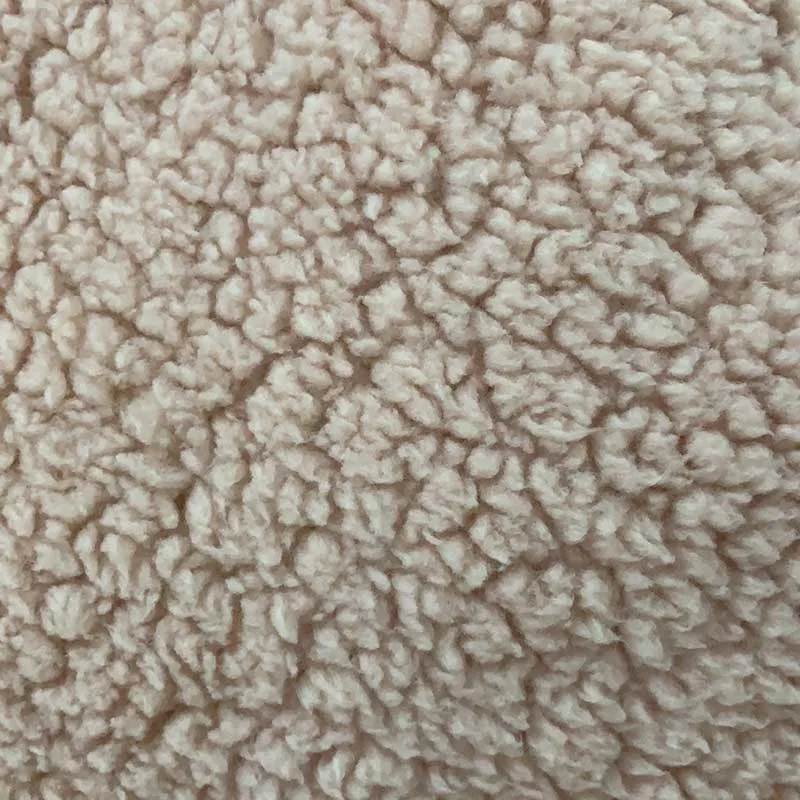
Fleece fabric is a soft, insulating textile widely used in clothing and home textiles. It is traditionally made from polyester, but blends with natural fibers such as cotton, wool, or bamboo are increasingly popular.
Polyester Fleece Fabric
Polyester fleece is the most widely used type due to its high durability, lightweight nature, and cost-effectiveness. It offers excellent warmth-to-weight ratio and retains its insulating properties even when wet. Industrial-grade polyester fleece often undergoes anti-pilling finishes and brushing processes to enhance surface softness.
Microfleece
Microfleece is a lightweight, fine-knit variant, ideal for layering and activewear. Its high surface area improves insulation and breathability, making it popular among outdoor apparel brands. For bulk orders, microfleece typically has a GSM (grams per square meter) ranging from 120 to 200, which influences thickness and warmth.
Natural Fiber Fleece
Blends incorporating wool, organic cotton, or bamboo charcoal fibers offer eco-friendly options. While natural fleece is more expensive, it provides superior moisture absorption, hypoallergenic properties, and lower environmental impact compared to synthetic alternatives.
Bulk Fleece Fabric Performance Metrics
GSM (Fabric Weight)
GSM is a critical metric for fleece fabric selection. It determines the density, warmth, and durability of the fabric:
- Lightweight fleece (120–200 GSM): Suitable for activewear, inner layers, or lightweight jackets
- Medium fleece (200–300 GSM): Common in casual hoodies, sweatshirts, and blankets
- Heavy fleece (300–450 GSM): Designed for outerwear, heavy blankets, and premium winter gear
Shrinkage and Dimensional Stability
Fleece fabrics may shrink after washing. ISO 5077 standard provides guidance for measuring shrinkage in woven and knit fabrics. Bulk buyers should request pre-shrunk fabric or test samples to ensure consistent sizing across large orders.
Thermal Insulation
Thermal performance can be measured via TOG ratings (Thermal Overall Grade). Fleece with higher TOG ratings provides better insulation, essential for winter clothing or outdoor equipment.
Durability and Pilling
Durability and resistance to pilling are crucial for long-lasting products. Industry benchmarks often reference Martindale abrasion tests (ISO 12947) to quantify wear resistance. Fabric treated with anti-pilling finishes improves longevity and appearance after repeated use.
Comparing Synthetic vs Natural Fleece for Bulk Orders
| Feature | Synthetic Fleece | Natural Fleece (Wool/Cotton Blends) |
|---|---|---|
| Cost | Low to Medium | Medium to High |
| Warmth | High | Medium-High |
| Durability | Excellent | Moderate |
| Eco-Friendliness | Low (non-biodegradable) | High (biodegradable) |
| Moisture Absorption | Moderate | High |
| Best Applications | Jackets, hoodies, outdoor gear | Luxury apparel, sustainable lines |
Insights:
Synthetic fleece dominates large-scale production due to affordability and performance, while natural fleece caters to eco-conscious brands targeting premium markets. Increasingly, hybrid blends (e.g., recycled polyester + cotton) are trending in sustainable fashion.
Industry Standards and Certifications
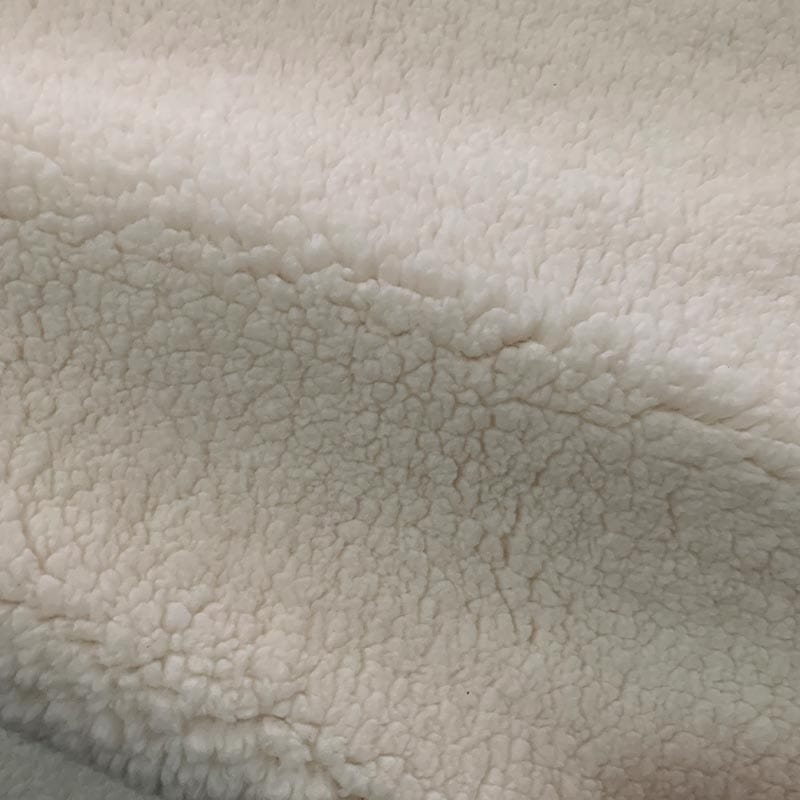
When purchasing bulk Fleece Fabric, understanding and adhering to industry standards and certifications is essential to guarantee quality, safety, and compliance—especially for international trade. Certifications not only assure buyers of product safety but also demonstrate corporate responsibility in terms of environmental sustainability and labor standards.
OEKO-TEX Standard 100
OEKO-TEX Standard 100 is a globally recognized certification that ensures textiles are free from harmful chemicals and substances. For bulk fleece fabric buyers, this is crucial because untreated fabrics can release volatile organic compounds (VOCs) or heavy metals, posing health risks to consumers. OEKO-TEX testing evaluates substances such as:
- Formaldehyde
- Pesticide residues
- Phthalates
- Heavy metals (lead, cadmium, mercury)
Case in point: A European outdoor apparel brand avoided costly recalls by sourcing OEKO-TEX certified fleece, ensuring safe products for sensitive skin applications.
ISO 9001: Quality Management Systems
ISO 9001 is the international standard for quality management systems. Suppliers certified under ISO 9001 demonstrate the ability to consistently provide products that meet customer and regulatory requirements. For bulk fleece fabric buyers, ISO 9001 compliance ensures:
- Standardized production processes
- Continuous quality improvement
- Reduced variability in fabric properties, such as GSM and pilling resistance
GOTS: Global Organic Textile Standard
For brands targeting eco-conscious consumers, GOTS-certified fleece fabric provides assurance that organic fibers are used and processed according to strict environmental and social criteria. This includes:
- Sustainable farming practices for cotton or wool
- Limited use of synthetic chemicals in dyeing
- Compliance with fair labor standards in the supply chain
Example: An eco-fashion startup importing bamboo charcoal fleece ensured GOTS compliance, enabling marketing as a 100% sustainable product line in North America and Europe.
REACH Compliance
REACH (Registration, Evaluation, Authorization, and Restriction of Chemicals) is a regulation of the European Union that governs the safe use of chemicals in textiles. Bulk fleece fabric suppliers compliant with REACH reduce buyer liability for toxic residues, particularly in fabrics intended for children’s clothing or indoor use.
Other Certifications Worth Noting
- ISO 14001: Environmental management certification for sustainable production practices
- BSCI (Business Social Compliance Initiative): Social compliance and ethical labor standards in the supply chain
- FDA Compliance: Essential for fleece products intended for healthcare or food-contact textiles
Tip for Buyers: Always request certificates of compliance and validate them with independent testing labs when placing large bulk orders to mitigate potential regulatory issues. risks, especially for export-oriented bulk purchases.
Sourcing Bulk Fleece Fabric: Key Considerations
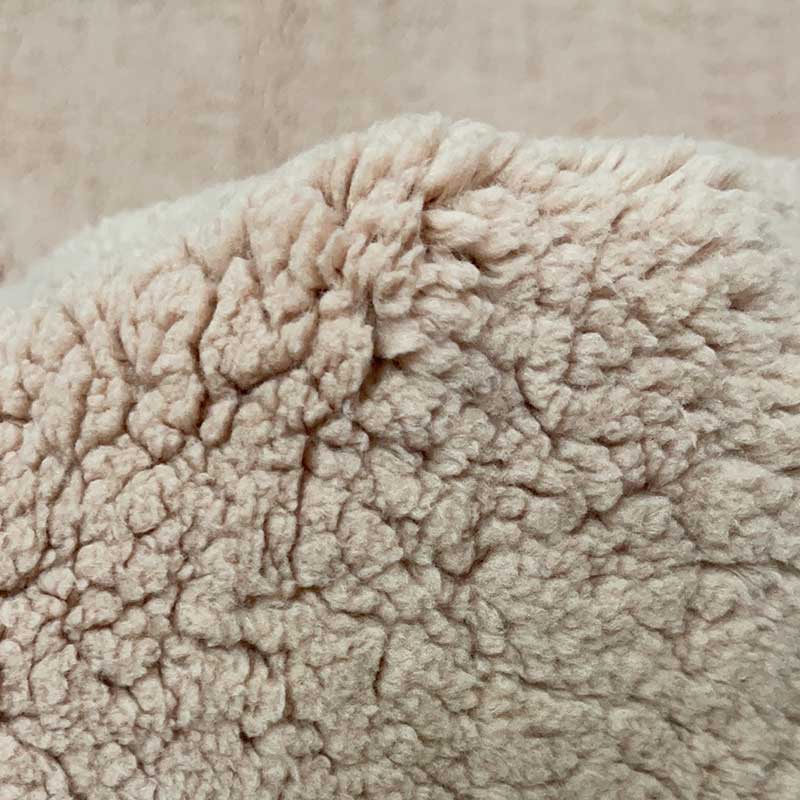
Manufacturer Reliability
Selecting the right supplier is one of the most important factors in ensuring product quality and timely delivery. Buyers should evaluate suppliers based on:
- Years of Production Experience: Manufacturers with 10–20+ years in fleece production have refined processes that reduce defects and optimize fabric properties.
- Production Capacity and Scalability: Verify the supplier can handle large orders while maintaining consistent quality. For instance, a 10,000-meter fleece order should not compromise GSM or dye consistency.
- Track Record with International Shipping: Efficient logistics and customs compliance are crucial for avoiding delays. Suppliers experienced in exporting to EU, North America, and Japan often provide better documentation and packaging solutions.
- Compliance with Environmental and Safety Standards: Certified suppliers reduce risks related to REACH, OEKO-TEX, and other regulations.
Industry Insight: According to Textile World (2023), suppliers with ISO and OEKO-TEX certifications are 35% more likely to maintain consistent quality in large-scale fleece fabric orders.
Minimum Order Quantity (MOQ) and Flexibility
Bulk fleece fabric MOQs vary widely:
- Standard polyester fleece: 500–2,000 meters per color/design
- Premium microfleece or blended natural fibers: 1,000–5,000 meters per design
Modern manufacturers, including Richsource, offer OEM/ODM flexibility, such as:
- Custom colors, patterns, or prints
- Private label packaging
- Adjustable batch sizes to suit seasonal demands
Pro Tip: Negotiate MOQs based on your projected sales and storage capacity to avoid excess inventory while maintaining cost efficiency.
Sample Evaluation
Before committing to bulk orders, evaluating samples is essential. Key considerations include:
- Color Accuracy and Consistency: Colors can shift between dye lots; request Pantone-matched samples or small batch trials.
- Fabric Hand Feel and Thickness: Verify GSM and surface softness; heavy fleece (>350 GSM) provides better insulation, while lightweight fleece (<200 GSM) is ideal for layering.
- Pilling Resistance: Conduct Martindale abrasion tests or request supplier-provided test reports to confirm durability.
- Thermal Performance: For outdoor apparel, check TOG or clo ratings to ensure warmth meets design requirements.
Case Study: A North American hoodie manufacturer avoided returns by testing microfleece samples for shrinkage and thermal insulation before finalizing a 15,000-meter order.
Logistics, Packaging, and Storage
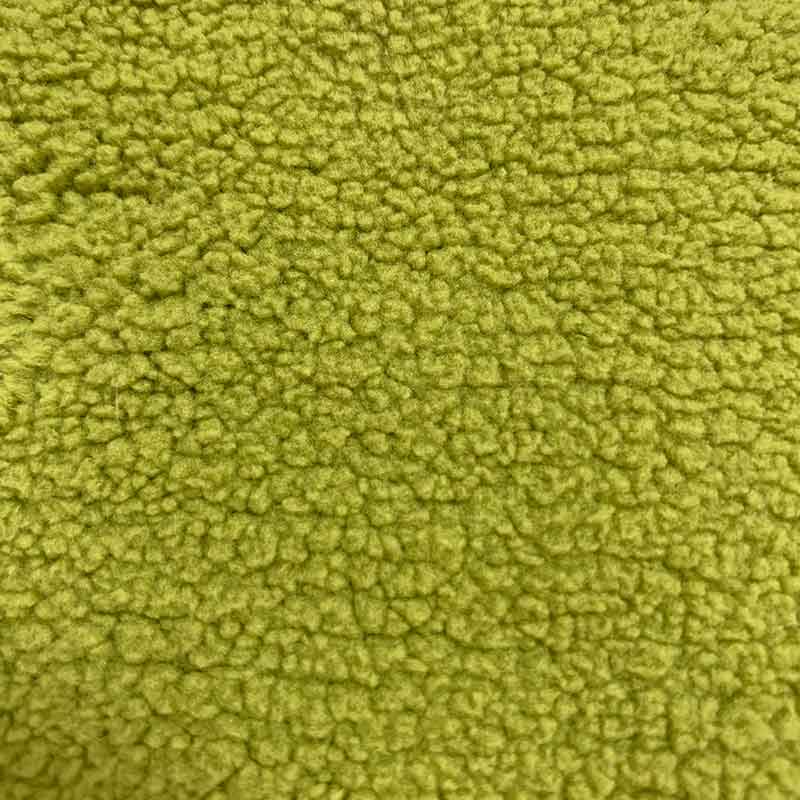
Proper logistics, packaging, and storage are critical for preserving bulk fleece fabric quality. Improper handling can lead to:
- Mold and mildew from moisture exposure
- Color bleeding due to humidity
- Creases or flattening in brushed or microfleece
Best Practices:
- Storage: Maintain temperature-controlled, dry environments (18–22°C, 50–60% relative humidity).
- Packaging: Use rolls wrapped in polyethylene or woven protective sleeves; for custom orders, private-label packaging can add brand value.
- Shipping: Ensure packaging complies with international import/export standards. CE or FDA documentation may be required for specialized markets, such as healthcare or children’s apparel.
- Inventory Management: Rotate stock based on production dates; implement FIFO (First In, First Out) to avoid long-term storage damage.
Industry Benchmark: According to Fibre2Fashion (2022), large-scale textile buyers who follow proper storage and packaging protocols reduce waste and returns by up to 20%.
Real-World Case Studies
- Outdoor Apparel Brand – Europe: Ordered 10,000 meters of recycled polyester fleece for winter jackets. Implemented pre-shrinking and anti-pilling treatments. Result: Reduced returns and improved customer satisfaction.
- Promotional Products Supplier – USA: Bulk ordered 5,000 fleece blankets for corporate gifting. Custom embroidery and eco-friendly packaging increased brand visibility.
- Eco-Fashion Startup – Japan: Purchased bamboo charcoal fleece in small batches with OEM/ODM support. Launched sustainable hoodie line, gaining traction in eco-conscious markets.
FAQ
Q: What is the best fleece fabric type for winter jackets?
A: Medium to heavy polyester fleece (250–350 GSM) is ideal for insulation and durability. For premium lines, wool-blend fleece can be considered.
Q: How do I reduce pilling in bulk fleece orders?
A: Select fabrics with anti-pilling finishes, pre-brushed surfaces, and verify through sample testing.
Q: Can I customize fleece fabric for branding?
A: Yes, many suppliers provide OEM/ODM services including custom colors, patterns, and private label packaging.
Q: How long is the typical lead time for bulk fleece orders?
A: Standard lead times are 2–6 weeks, depending on order size, customization, and shipping location.
Q: Are recycled or eco-friendly fleece fabrics more expensive?
A: Usually 10–30% more, but they offer brand value and appeal to sustainability-conscious consumers.
Conclusion
Bulk sourcing Fleece Fabric requires more than price comparison—it demands an understanding of material types, GSM, quality standards, certifications, supplier reliability, and logistics. By carefully evaluating synthetic and natural options, testing samples, and partnering with experienced manufacturers, buyers can optimize product performance, cost-efficiency, and market appeal.
Pro Tip: Work with suppliers offering OEM/ODM customization and sustainable options to differentiate your product line, reduce environmental impact, and meet global regulatory requirements.
Whether you are producing hoodies, blankets, or outdoor gear, proper bulk fleece procurement strategies ensure long-term success and customer satisfaction. Investing time in understanding fabric specifications and supplier capabilities today can save costs, reduce returns, and elevate your brand reputation tomorrow.