
Welcome to My Blog! I’m thrilled to have you here!
Before we dive into the content, I’d love for you to join me on my social media platforms. It’s where I share extra insights, connect with our amazing community, and keep you updated on the latest news.
Here’s how you can stay connected:
📘 Facebook: Suzhou Xize Textile Technology Co., ltd.
Now, let’s embark on this journey together! I hope you find the content here not only insightful but also inspiring and valuable. Let’s get started!
Table of Contents
Blog Overview: Key Takeaways
This comprehensive guide will cover:
- What polyester fabric is and why it matters for workwear
- Key advantages and limitations of polyester for work clothes
- Comparing polyester with cotton, nylon, and blended fabrics
- Factors to consider when choosing polyester workwear
- Industry standards, certifications, and compliance
- Care, maintenance, and longevity tips
- Real-world case studies from multiple industries
- Cost and sustainability considerations
- FAQs for employees, managers, and uniform suppliers
Introduction

For any workplace, the right fabric in uniforms and workwear impacts employee comfort, safety, productivity, and even company branding. Work clothes must withstand daily wear, frequent washing, and exposure to environmental elements.
Polyester is one of the most widely used synthetic fabrics in industrial and corporate uniforms. But is it the right choice for your team? Understanding its properties, pros, cons, and alternatives can save costs, reduce turnover of worn-out uniforms, and improve employee satisfaction.
In this guide, we explore polyester for work clothes in depth, supported by industry standards, usage data, and case examples, helping employers and employees make informed decisions.
Understanding Polyester Fabric
What is Polyester?
Polyester is a synthetic polymer fiber derived from petrochemical sources, invented in the 1940s. It is durable, lightweight, wrinkle-resistant, and relatively low-cost.
Key Physical Properties
Strength and Durability
- Polyester fibers can withstand tensile strength of 4–7 g/denier, making them stronger than cotton (2–3 g/denier).
- Resistant to abrasion, stretching, and tearing, ideal for heavy-duty work environments.
Moisture and Stain Resistance
- Hydrophobic by nature → repels water and most liquid stains
- Quick-drying → reduces bacterial growth in uniforms
Thermal and Chemical Resistance
- Polyester can tolerate temperatures up to 150°C (302°F) before melting
- Resistant to most acids, alkalis, and solvents, making it suitable for industrial environments
Aesthetic Advantages
- Retains color vibrancy, resists wrinkling, and holds shape after repeated washes
Advantages of Polyester for Work Clothes

Longevity and Cost Efficiency
Polyester workwear can last 2–3 times longer than cotton under similar conditions. For example:
- Factory uniforms used 5 days/week → 100% polyester shirts last 2 years
- Equivalent cotton shirts wear out in 6–8 months
- Cost per wear is 30–50% lower for polyester
Comfort and Flexibility
- Modern polyester blends (poly-cotton or poly-spandex) provide breathability and stretch
- Lightweight fibers allow freedom of movement for industrial or retail staff
Low Maintenance
- Polyester does not shrink or wrinkle → minimal ironing
- Colorfast and resistant to fading from sunlight or frequent washing
Safety Features
- Can be treated with flame retardant finishes (compliant with NFPA 701 standards)
- Resistant to chemical splashes, oils, and dirt
Limitations and Considerations
Breathability Concerns
- Pure polyester is less breathable than cotton, which can cause discomfort in hot environments
- Recommended solution: polyester-cotton blends (50/50 or 65/35) for heat management
Static Electricity
- Tends to accumulate static charge → may attract dust or be unsafe in electronics or flammable environments
- Mitigation: anti-static finishing or blended fabrics
Sensory Discomfort
- Some employees report synthetic “cling” or scratchiness”, particularly in sensitive skin areas
- Solution: use brushed polyester or poly-cotton blends
Comparing Polyester with Other Fabrics
| Feature | Polyester | Cotton | Nylon | Poly-Cotton Blend |
|---|---|---|---|---|
| Strength | High | Medium | High | Medium-High |
| Moisture Wicking | High | Low | Medium | Medium |
| Breathability | Medium | High | Medium | Medium-High |
| Durability | High | Medium | High | Medium-High |
| Wrinkle Resistance | High | Low | Medium | Medium |
| Heat Resistance | Medium | Low | High | Medium |
| Cost | Low | Medium | Medium-High | Medium |
Insight:
- Polyester excels in high-use, low-maintenance settings
- Cotton excels in comfort and breathability
- Blends balance durability and comfort, ideal for all-day wear
Factors to Consider When Choosing Work Clothes
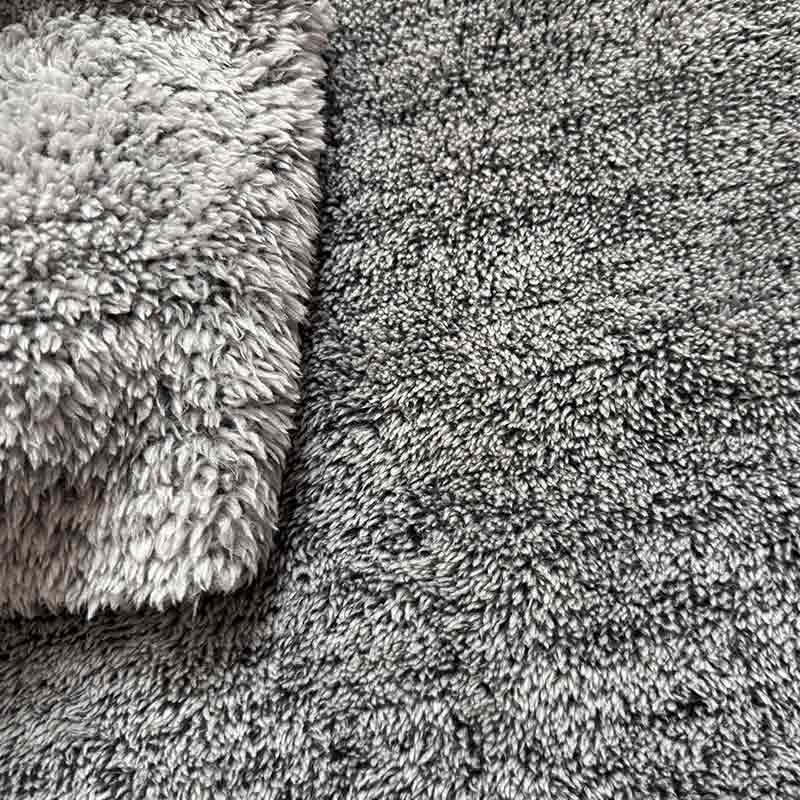
Work Environment
- Hot and humid → Polyester-cotton blends for comfort
- Industrial or chemical → High-quality polyester for resistance
Job Intensity
- Physical labor → Durable polyester or nylon for abrasion resistance
- Desk jobs → Polyester blends for low-maintenance and professional appearance
Frequency of Laundering
- Daily washes → Polyester maintains shape, color, and durability
- Less frequent → Cotton may suffice
Employee Preferences
- Survey employees for comfort, fabric feel, and breathability
- Blends or treated polyester can address comfort concerns
Industry Standards and Certifications
Safety and Quality Standards
- ISO 9001: Quality management for uniform production
- NFPA 701: Flame resistance compliance for protective wear
- OEKO-TEX Standard 100: Safety for human use, chemical-free
Laboratory Test Metrics
- Tensile Strength Test (ASTM D5034)
- Colorfastness Test (AATCC 61)
- Shrinkage & Dimensional Stability (ASTM D1204)
Example: A 100% polyester industrial shirt passed ASTM D5034 tear strength test with 35 lbs force, compared to cotton at 18 lbs.
Real-World Case Studies
Case 1: Automotive Manufacturing
- 150 workers in high-oil, hot environments
- 100% polyester uniforms reduced replacement frequency by 50%, lowered laundry costs
Case 2: Hospital Staff Uniforms
- Poly-cotton blend scrubs
- Resulted in high employee satisfaction: low wrinkling, quick drying, durable for daily sterilization
Case 3: Construction Site Workwear
- Polyester blended with 5% spandex for flexibility
- Workers reported greater comfort during heavy lifting, no color fading after 6 months
Care and Maintenance of Polyester Work Clothes
Washing Guidelines
- Wash at 30–40°C (86–104°F) with mild detergent
- Avoid bleach unless colorfast and approved
Drying and Ironing
- Air dry preferred or low-heat dryer setting
- Iron at maximum 150°C (302°F)
Longevity Tips
- Rotate uniforms to even wear
- Avoid prolonged UV exposure
- Store in cool, dry, ventilated space
Cost and Sustainability Considerations
Cost Analysis
- Polyester uniforms are 30–50% cheaper per wear compared to cotton
- Reduced replacement frequency → lower total operational costs
Environmental Factors
- Polyester is recyclable; some brands offer PET-based recycled fabrics
- Blends with organic cotton can balance performance with sustainability goals
FAQ
Is polyester comfortable for all-day wear?
Polyester is lightweight but less breathable; blends with cotton improve comfort in hot environments.
Can polyester withstand industrial washing?
Yes, high-quality polyester maintains color, shape, and durability through frequent machine washing.
Is polyester safe near high heat or chemicals?
Polyester can melt under extreme heat but resists most chemicals; choose treated or blended fabrics for added safety.
How long will polyester work clothes last?
With proper care, 2–3 years is typical for daily-use uniforms.
Should I choose polyester or a blend for uniforms?
Polyester offers durability and low maintenance; blends balance comfort and breathability for long shifts.
Conclusion
Polyester remains one of the most practical, durable, and cost-effective fabrics for work clothes. While pure polyester excels in longevity and low maintenance, blending it with cotton or spandex can address breathability and comfort concerns.
For employers, selecting polyester workwear involves evaluating employee needs, work environment, maintenance frequency, and safety requirements. The right fabric choice improves productivity, employee satisfaction, and long-term cost savings, making polyester a top choice for professional uniforms across industries.