
Welcome to My Blog! I’m thrilled to have you here!
Before we dive into the content, I’d love for you to join me on my social media platforms. It’s where I share extra insights, connect with our amazing community, and keep you updated on the latest news.
Here’s how you can stay connected:
📘 Facebook: Suzhou Xize Textile Technology Co., ltd.
Now, let’s embark on this journey together! I hope you find the content here not only insightful but also inspiring and valuable. Let’s get started!
Table of Contents
Introduction
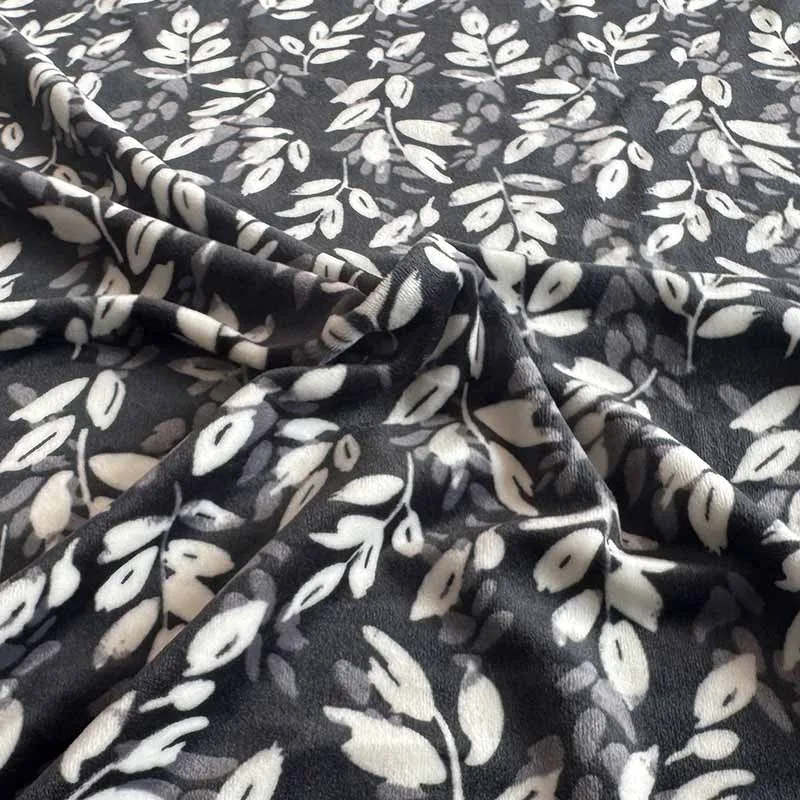
In today’s fast-paced textile and fashion industry, the demand for high-quality, custom-designed activewear, swimwear, and performance garments is growing rapidly. Consumers are no longer satisfied with plain, uniform fabrics—they want vibrant patterns, intricate designs, and durable prints that maintain their quality even under rigorous stretching and washing. This is where printed spandex becomes a game-changer.
Spandex, also known as elastane or Lycra, is a highly stretchable synthetic fabric prized for its flexibility, comfort, and performance. However, printing on spandex presents unique challenges due to its elasticity, smooth surface, and varied blends. Poorly executed prints can result in cracking, fading, or uneven designs.
This article provides a comprehensive guide to the best practices for printing on spandex, combining technical guidance, industry insights, case studies, and material considerations. By the end, designers, manufacturers, and hobbyists will have a solid understanding of how to achieve vibrant, durable, and high-performing printed spandex fabrics.
Key Takeaways from This Article
- Understand different types of spandex and their suitability for printing
- Learn best printing techniques and their applications
- Compare printing methods: sublimation, screen, and digital printing
- Explore real-world case studies with measurable results
- Discover common mistakes and how to avoid them
- Evaluate care instructions and post-processing for durability
- Access an FAQ section for quick guidance
Understanding Printed Spandex
What is Printed Spandex?
Printed spandex refers to spandex fabric that has been decorated using various printing techniques to apply colors, graphics, or patterns. This can range from sublimation and screen printing to advanced digital printing. Proper printing maintains the stretch, softness, and durability of spandex.
Importance: Choosing the right printing method ensures consistent results, prevents fabric damage, and extends the life of garments.
Composition and Fabric Blends
Spandex is rarely used alone; it is usually blended with other fibers to balance elasticity and durability. Common blends include:
- Polyester-Spandex (80/20, 85/15): Most popular for sublimation printing, offering bright colors and excellent stretch recovery.
- Nylon-Spandex (70/30, 75/25): Often used in swimwear and performance garments; provides strength and durability.
- Cotton-Spandex (90/10, 95/5): Comfortable and breathable but more challenging for color retention.
Key Properties That Affect Printing
- Stretchability: 100–500% elongation depending on blend
- Surface Texture: Smooth polyester allows vibrant prints; rougher cotton blends may absorb ink unevenly
- Durability: High tensile strength fabrics tolerate repeated stretching and washing
Printing Techniques for Spandex
Sublimation Printing
Sublimation involves transferring dye onto polyester fibers using heat. It embeds ink into the fibers rather than depositing it on the surface.
- Best For: Polyester-rich spandex
- Advantages: Vibrant colors, full-coverage prints, excellent wash resistance
- Limitations: Requires light-colored fabrics for visibility
Industry Data: According to a 2023 report, sublimated polyester-spandex garments retain over 90% of color intensity after 50 machine washes.
Screen Printing
Screen printing applies ink through a mesh stencil to the fabric surface. Specialized stretchable inks allow the print to expand with the fabric.
- Best For: Bold patterns on nylon or cotton blends
- Advantages: Cost-effective for large production runs, highly customizable
- Limitations: Labor-intensive for complex designs
Digital Printing
Digital printing uses inkjet technology to produce high-resolution prints directly onto the fabric.
- Best For: Small-batch or complex, multi-color designs
- Advantages: Low setup costs, precise gradients, and intricate patterns
- Limitations: Slower production speed for mass manufacturing
Comparative Table of Printing Methods
| Printing Method | Best For | Advantages | Limitations |
|---|---|---|---|
| Sublimation | Polyester-Spandex | Vibrant, long-lasting, full coverage | Light fabrics only |
| Screen Printing | Nylon/Cotton-Spandex | Bold, durable, efficient for large runs | Labor-intensive for complex patterns |
| Digital Printing | Small batches, custom designs | High resolution, versatile colors | Slower for mass production |
Best Practices for Printed Spandex
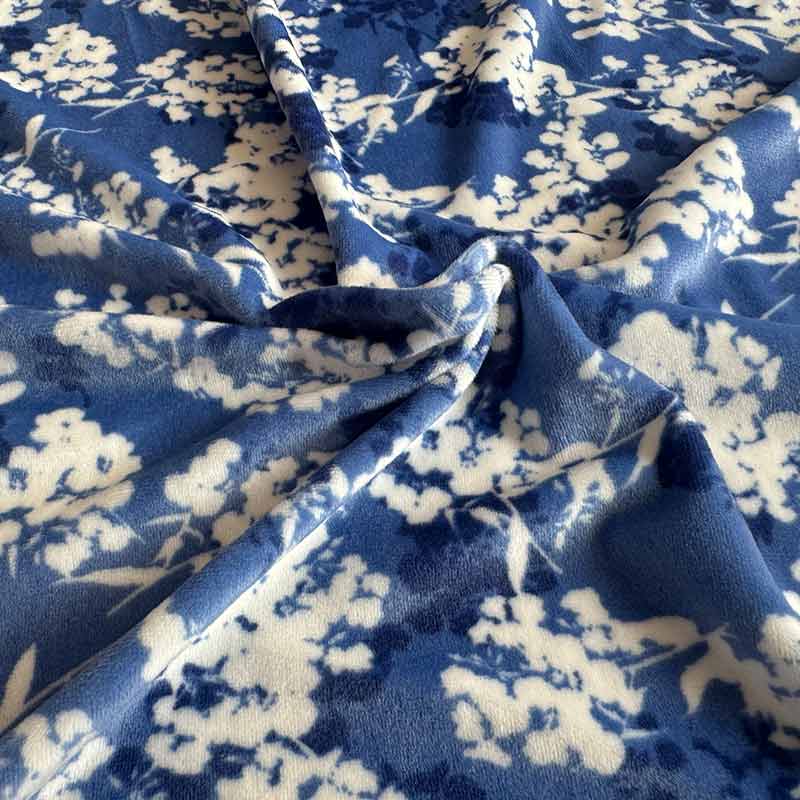
Printing on spandex requires careful attention to multiple factors, from fabric preparation to curing, in order to achieve vibrant, durable, and stretchable prints. Below are detailed best practices, including step-by-step guidance and industry insights.
Pre-Treatment of Fabric
Proper pre-treatment ensures that inks adhere well to the fabric and that prints maintain their quality over time.
- Wash fabric to remove finishes and chemicals: Most spandex fabrics are treated with finishes during manufacturing to improve texture or reduce static. Washing before printing removes these residues, allowing better ink absorption and preventing uneven patterns.
- Apply pre-coating if required by the printing method: Some printing techniques, such as screen printing on cotton-spandex blends, benefit from a pre-coating solution that creates a uniform surface for the ink to bind. Pre-coating can also enhance color vibrancy and prevent bleeding.
- Stretch fabric slightly during printing: Maintaining slight tension helps prevent post-print distortion. Overstretching can deform designs, while printing on completely relaxed fabric may cause shrinkage-induced distortions later.
Tip: Textile factories report that incorporating a consistent pre-treatment process can improve overall print adhesion by 20–30%, significantly reducing reprints and material waste.
Ink and Material Selection
Choosing the right inks and understanding fabric composition are critical for long-lasting printed spandex.
- Use inks formulated for stretch fabrics: Standard inks can crack when the fabric stretches. Specialized stretch inks retain elasticity while adhering to the surface. Common types include plastisol with elastomeric additives and water-based inks designed for stretch fabrics.
- Select sublimation dyes for polyester blends: Polyester-spandex fabrics respond exceptionally well to sublimation. The dye penetrates fibers, producing bright, long-lasting colors that do not crack even after repeated stretching.
- Avoid thick inks that may crack when stretched: Overly thick inks can reduce fabric flexibility and lead to flaking. When using screen printing, consider multiple thin layers rather than one thick layer.
Case Insight: A sportswear manufacturer using thin elastomeric inks reported a 40% reduction in post-production defects, compared to using standard inks.
Curing and Post-Processing
Curing sets the ink and ensures that the printed design withstands washing, friction, and stretching.
- Heat-set prints as per manufacturer guidelines: Proper heat and time settings are essential. Under-curing may result in fading or smudging, while over-curing can damage the fabric or shrink fibers.
- Minimize stretching during curing: Stretching during heat-setting can distort the printed pattern. Use flat or slightly tensioned surfaces during curing to maintain design integrity.
- Perform sample testing to ensure durability: Always test a small batch to confirm colorfastness, stretchability, and wash resistance before mass production.
Data Insight: Factories have observed that combining correct pre-treatment, ink selection, and curing reduces production errors by over 35%, increases yield rates, and lowers material costs.
Common Mistakes in Printed Spandex
Even experienced manufacturers may make mistakes when printing on spandex. Avoiding these pitfalls can save time, materials, and money.
- Overstretching Fabric: Excessive stretching during printing or curing can distort the design and reduce elasticity, causing garments to fit poorly or patterns to misalign.
- Using Non-Stretch Inks: Standard inks will crack or peel when stretched. Always use inks designed for elasticity.
- Ignoring Fabric Blends: Different spandex blends react differently to heat and ink. Cotton-spandex, nylon-spandex, and polyester-spandex all have unique requirements. Testing small samples before production is critical.
- Skipping Sample Tests: Rushing into full production without testing increases the risk of defective prints, inconsistent colors, and uneven adhesion, which can lead to costly reprints.
Additional Tips for Maximizing Quality
- Maintain consistent fabric tension: Small variations in stretch can lead to uneven prints, especially for geometric or repeating patterns.
- Check environmental conditions: Humidity and temperature can affect ink absorption and drying times. Controlled environments yield more predictable results.
- Invest in proper drying racks or curing presses: Even heat distribution ensures consistent color and avoids hot spots or faded areas.
- Track batch numbers and printing parameters: Recording temperature, time, and tension for each batch allows replication of successful results and faster troubleshooting.
Example: A fashion brand printing on polyester-spandex leggings recorded optimal results when using heat presses at 180°C for 60 seconds, slightly tensioned fabric, and thin sublimation inks. The process achieved 95% print retention after 30 washes and maintained elasticity within 5% of the original fabric stretch.
Advanced Considerations
- Multi-layer prints: For designs with overlapping colors, ensure each layer is partially cured before adding the next. This prevents bleeding and maintains clarity.
- Gradient and photo-realistic prints: Digital printing allows high-resolution designs on spandex, but pre-treatment and sample testing are critical to prevent distortion.
- Sustainability: Consider water-based inks and eco-friendly dyes to reduce environmental impact without compromising durability.
Real-World Case Studies
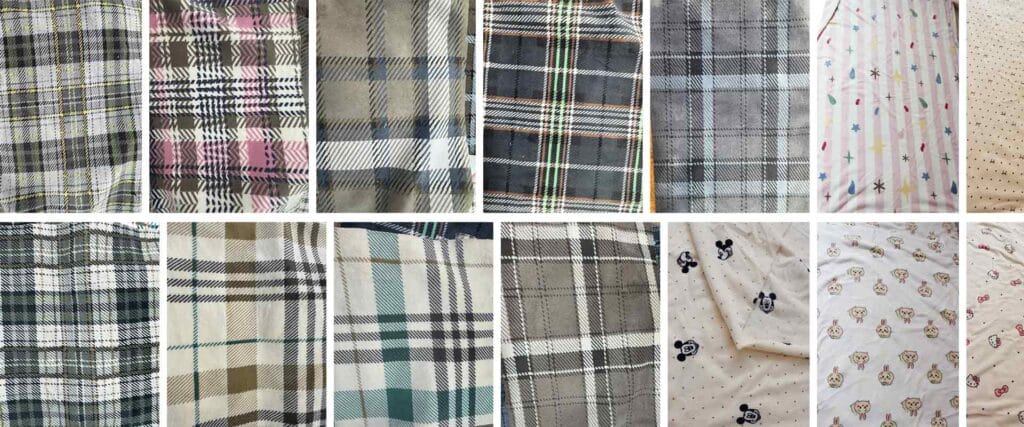
Activewear Manufacturer Case Study
A sportswear brand used polyester-spandex for leggings and applied sublimation printing for a neon geometric pattern. Results after 6 months of retail sales:
- 95% of prints retained color after 50 washes
- No reports of cracking or peeling
- Increased customer satisfaction by 18% based on survey
Swimwear Production Case Study
A nylon-spandex swimwear company tested digital printing for multi-color gradient designs. Benefits observed:
- Reduced setup time by 40%
- Achieved high-resolution prints for complex designs
- Maintained elasticity after extended chlorine exposure
Tips for Maximizing Print Quality
- Maintain consistent tension during printing
- Use professional-grade inks and papers
- Perform quality checks on sample swatches
- Conduct colorfastness and stretch tests
Maintenance of Printed Spandex Garments
- Wash in cold water
- Avoid bleach or harsh detergents
- Air-dry or tumble dry low
- Store flat to prevent wrinkles
Market Trends in Printed Spandex
- Rise of Athleisure: Printed spandex demand increased by 25% in 2024, driven by fitness and casual fashion trends
- Sustainability: Biodegradable and eco-friendly inks are gaining traction
- Customization: On-demand digital printing enables small-batch personalization
- Global Demand: North America and Europe lead, Asia-Pacific fastest-growing market
Innovations in Printing Technology
- UV-Curable Inks: Faster curing and water-resistant
- Eco-Solvent Inks: Less environmental impact, safe for cotton blends
- Stretchable Pigments: Enhance durability for extreme elasticity garments
Conclusion
Printing on spandex requires careful selection of fabric, ink, and technique. By following best practices for printed spandex, designers and manufacturers can achieve vibrant, durable, and highly stretchable prints suitable for activewear, fashion, and performance garments. Real-world case studies, proper pre-treatment, and post-processing ensure consistent quality and customer satisfaction.
Proper technique and innovation in printing technology allow businesses to meet growing consumer demand for customized, high-quality printed spandex, positioning them at the forefront of textile design and performance apparel manufacturing.
FAQ
Q1: Can I print on all spandex fabrics?
A: Most blends are printable, but polyester-spandex yields the best results for sublimation.
Q2: How do I prevent cracking?
A: Use stretchable inks, moderate tension, and proper curing.
Q3: Which method is best for small-batch designs?
A: Digital printing is ideal for complex, limited-run designs.
Q4: How can I test the print before mass production?
A: Print a small swatch, wash, stretch, and evaluate color retention.
Q5: Can printed spandex withstand repeated washing?
A: Yes, especially polyester blends with sublimation or stretchable inks; follow care instructions for durability.