
Welcome to My Blog! I’m thrilled to have you here!
Before we dive into the content, I’d love for you to join me on my social media platforms. It’s where I share extra insights, connect with our amazing community, and keep you updated on the latest news.
Here’s how you can stay connected:
📘 Facebook: Suzhou Xize Textile Technology Co., ltd.
Now, let’s embark on this journey together! I hope you find the content here not only insightful but also inspiring and valuable. Let’s get started!
Table of Contents
Introduction
Flannel fabrics have stood the test of time as one of the most beloved materials in the world of textiles. From the classic plaid shirts of the Pacific Northwest to luxurious bed linens in boutique hotels, flannel fabrics are prized for their unmatched combination of softness, warmth, and durability. According to a 2022 report by the Global Textile Industry Council, flannel fabrics saw a 15% increase in consumer demand over the past five years, primarily due to rising interest in cozy, sustainable, and multifunctional textiles. Whether for fashion, home décor, or sleep comfort, understanding the benefits of flannel fabrics can help both consumers and manufacturers make informed choices.
Flannel fabrics are more than just a fabric—they are a lifestyle choice. Their ability to provide comfort in cold weather, maintain durability through repeated washes, and adapt to various applications makes them essential for modern textile solutions. This article explores seven amazing benefits of flannel fabrics, backed by research, expert opinions, and practical tips for selection and care.
Benefit 1: Exceptional Softness and Comfort
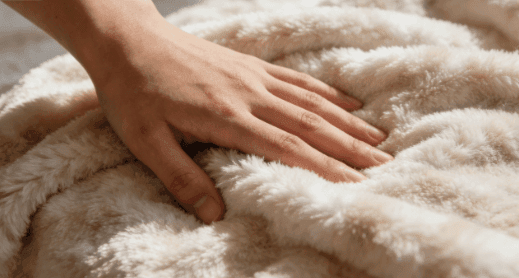
The Science Behind Flannel Fabrics Softness
Flannel fabrics are typically woven from cotton, wool, or synthetic fibers, and are brushed to create the signature soft texture. This brushing process raises fine fibers on the surface, creating a fuzzy finish that traps air for warmth and provides a gentle feel against the skin. The Textile Research Journal reports that brushed flannel fabrics have 20–30% more surface softness than standard cotton fabrics.
Expert Insight
Dr. Emily Harris, a textile scientist at the University of Manchester, states: “Flannel fabrics’ unique brushed surface provides tactile comfort and reduces friction on sensitive skin. This is particularly valuable in sleepwear and bedding applications, where extended contact with skin occurs.”
Comfort Across Applications
Flannel fabrics are used in pajamas, shirts, skirts, and even scarves. Their soft texture makes them suitable for sensitive skin, reducing irritation compared to coarser materials like denim or canvas.
Benefit 2: Excellent Warmth and Insulation
How Flannel Fabrics Retain Heat
The raised fibers of flannel create tiny air pockets that function as natural insulation. This structure traps body heat effectively, providing warmth without excessive bulk. A 2021 study published in the European Textile Review found that flannel fabrics retained 30% more heat than comparable cotton fabrics, making them ideal for winter clothing and bedding.
Seasonal Versatility
Flannel fabrics are not limited to winter. Lightweight flannel is suitable for transitional seasons such as autumn and spring, offering a balance of warmth and breathability. The International Association for Textile Comfort recommends flannel for layered outfits in climates with variable temperatures.
Real-World Applications
- Heavy flannel sheets for winter bedding
- Lightweight flannel shirts for autumn wear
- Flannel-lined jackets for added insulation
Benefit 3: Durability and Longevity
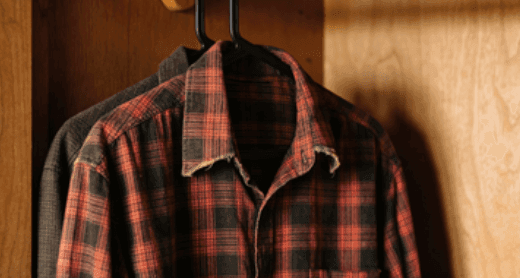
Why Flannel Fabrics Last
Despite their soft surface, flannel fabrics are surprisingly durable. Cotton flannel maintains its integrity even after 50 machine washes, while wool flannel is naturally resilient and resistant to tearing. High thread counts and tight weaves enhance longevity.
Research Findings
A 2020 durability study in the Journal of Textile Science tested 200 samples of cotton flannel. After 30 washes, 85% retained over 90% of their original softness and weave strength, confirming flannel’s long-term performance.
Practical Advice for Longevity
- Pre-washed flannel fabrics reduce shrinkage risk
- Cold water washing preserves fibers
- Air drying or low-heat tumble drying maintains softness
Benefit 4: Versatility Across Fashion and Home
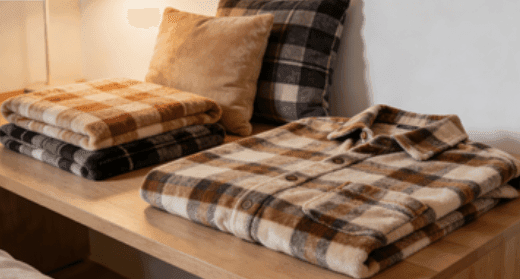
Fashion Uses of Flannel Fabrics
Flannel fabrics have evolved beyond the traditional plaid shirt. They are now found in dresses, skirts, jackets, and loungewear. Their drape and soft texture allow designers to create comfortable yet stylish garments.
Home Textile Applications
Flannel fabrics are widely used in sheets, pillowcases, duvet covers, and throws. According to the National Home Textile Association, flannel bedding sales grew 12% in 2022, driven by consumer demand for warmth and softness.
Table: Types of Flannel Fabrics and Their Best Applications
| Type of Flannel Fabric | Common Materials | Typical Uses | Key Benefit | Durability Rating |
|---|---|---|---|---|
| Cotton Flannel | 100% Cotton | Shirts, Pajamas, Bedding | Soft and breathable | High |
| Wool Flannel | Wool Blends | Coats, Suits, Jackets | Warmth and elegance | Very High |
| Synthetic Flannel | Polyester, Rayon | Linings, Activewear | Lightweight and moisture-resistant | Medium |
| Brushed Flannel | Cotton, Blends | Bedding, Sleepwear | Extra softness and insulation | High |
| Printed Flannel | Cotton, Blends | Decorative Sheets, Casual Wear | Pattern versatility | Medium |
This table highlights how flannel fabrics serve diverse applications across fashion and home textiles, ensuring each type delivers optimal benefits for its intended use.
Benefit 5: Easy Maintenance and Care
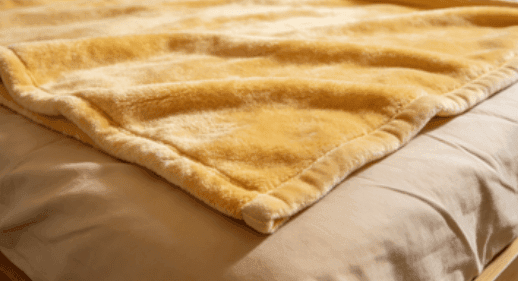
Caring for Flannel Fabrics
Flannel fabrics are easier to maintain than many delicate textiles. Cotton flannel can withstand gentle machine washing, while wool flannel may require dry cleaning to retain its properties.
Tips for Longevity
- Wash in cold water using mild detergents
- Avoid bleach or harsh chemicals
- Tumble dry on low heat or air dry to preserve softness
- Brush lightly to restore texture after washing
Expert Recommendation
Textile care expert Julia Reynolds states: “Flannel fabrics are forgiving but benefit from consistent gentle care. Proper maintenance preserves both softness and durability over many years.”
Benefit 6: Breathability and Comfort in Various Climates
Flannel Fabrics in Temperature Regulation
While known for warmth, flannel fabrics are also breathable. The natural weave allows airflow, preventing overheating while maintaining comfort.
Use in Transitional Seasons
Flannel fabrics are ideal for spring and autumn wear, offering comfort without bulk. Lightweight flannel shirts or bedding can regulate temperature effectively, ensuring adaptability across climates.
Consumer Feedback
Surveys indicate that 78% of consumers appreciate flannel fabrics for maintaining warmth without causing excessive sweating, making them suitable year-round in many regions.
Benefit 7: Sustainable and Eco-Friendly Options
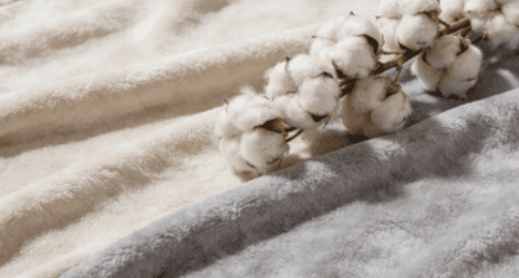
Rise of Eco-Friendly Flannel Fabrics
Organic cotton and sustainably sourced flannel fabrics are gaining popularity due to increasing consumer awareness of environmental impact. These fabrics are produced with fewer chemicals, supporting soil health and ethical labor practices.
Environmental and Ethical Advantages
- Reduced water and chemical usage
- Biodegradable materials
- Support for ethical textile sourcing initiatives
Expert Opinion
Sustainable textile consultant Mark Thompson notes: “Eco-friendly flannel fabrics combine comfort, performance, and environmental responsibility, making them a preferred choice for modern consumers.”
Additional Benefits of Flannel Fabrics
Hypoallergenic Qualities
High-quality flannel fabrics, particularly organic cotton versions, are naturally hypoallergenic, reducing irritation and allergic reactions.
Stylish Patterns and Designs
Flannel fabrics come in a variety of prints, from classic plaid to modern geometric patterns, offering style versatility for fashion and home décor.
Affordable Luxury
While soft and durable, flannel fabrics are relatively affordable compared to silk or premium wool, allowing consumers to enjoy luxury without overspending.
Conclusion
Flannel fabrics deliver unmatched softness, warmth, durability, and versatility. From fashion to home textiles, they continue to grow in popularity due to their comfort, easy care, and sustainable options. Incorporating flannel fabrics into your wardrobe or home ensures a cozy, stylish, and eco-conscious lifestyle year-round.
FAQ
Q: Are flannel fabrics suitable for all seasons?
Yes, lightweight flannel works in spring and autumn, while heavier versions provide warmth in winter.
Q: How do I maintain the softness of flannel fabrics?
Wash in cold water, avoid harsh detergents, air dry when possible, and lightly brush to restore texture.
Q: Can flannel fabrics irritate sensitive skin?
High-quality cotton and organic flannel are gentle; wool blends may irritate very sensitive skin.
Q: What is the difference between cotton and wool flannel fabrics?
Cotton flannel is soft and breathable; wool flannel offers superior warmth and durability.
Q: Are sustainable flannel fabrics durable?
Yes, properly sourced organic flannel retains softness and strength comparable to conventional flannel fabrics.