
Welcome to My Blog! I’m thrilled to have you here!
Before we dive into the content, I’d love for you to join me on my social media platforms. It’s where I share extra insights, connect with our amazing community, and keep you updated on the latest news.
Here’s how you can stay connected:
📘 Facebook: Suzhou Xize Textile Technology Co., ltd.
Now, let’s embark on this journey together! I hope you find the content here not only insightful but also inspiring and valuable. Let’s get started!
Table of Contents
Introduction
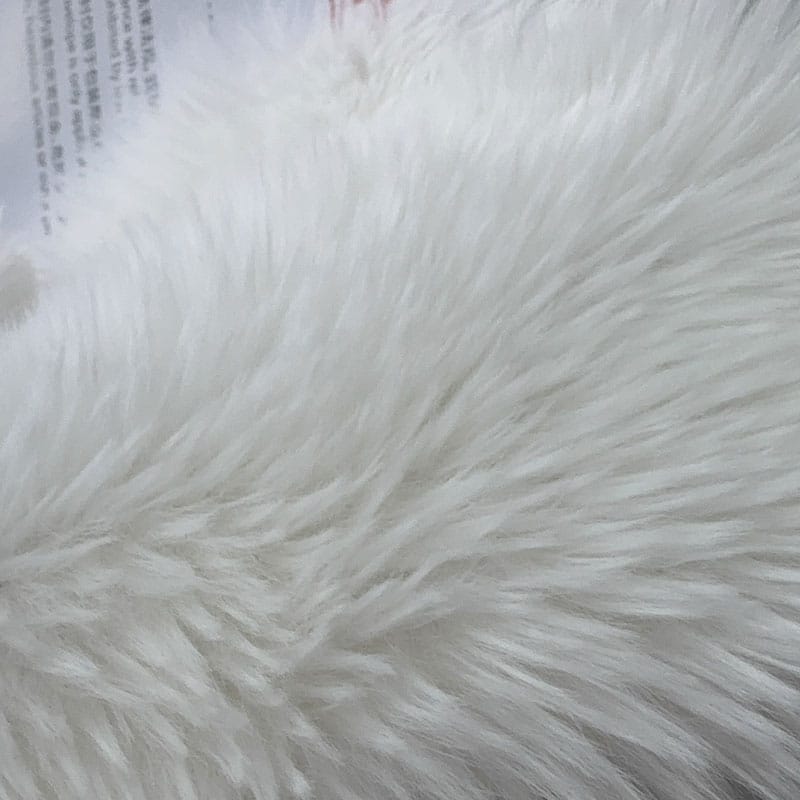
Velvet fabric has always been a symbol of luxury, elegance, and sophistication. Its soft texture, vibrant colors, and reflective sheen make it a versatile choice for interior designers and homeowners alike. Unlike other fabrics, velvet fabric has the ability to instantly elevate any space, making it appear more opulent and inviting. Whether you are looking to redesign your living room, bedroom, or even a home office, incorporating velvet can transform the overall aesthetic and tactile experience of the space.
Many homeowners overlook velvet fabric because they associate it solely with high-end furniture. However, modern velvet is available in various fibers, including cotton, polyester, rayon, and silk blends, making it accessible and practical for everyday use. By learning how to choose, maintain, and creatively use velvet fabric, you can bring both luxury and comfort into your home without breaking the bank.
This guide explores five stunning ways to use velvet fabric in home decor, providing practical tips, cleaning instructions, cost considerations, and styling advice. A detailed table will also help you compare the best types of velvet fabric for different uses.
What Is Velvet Fabric?
Velvet fabric is a type of woven tufted fabric known for its dense, soft pile and luxurious feel. Historically, velvet was made from silk and reserved for royalty and the wealthy. Today, velvet is produced using a variety of fibers that make it durable, more affordable, and suitable for both decorative and functional uses.
Origins and Material Composition
The unique texture of velvet is created by weaving two layers of fabric together and then cutting them apart to form the pile. The type of fiber used significantly affects durability, sheen, and softness:
Silk Velvet
Silk velvet is exceptionally smooth and shiny, offering the ultimate luxury. It is ideal for high-end accent pieces like decorative cushions or elegant throws. Due to its delicate nature, professional dry cleaning is required to maintain its appearance.
Cotton Velvet
Cotton velvet is strong, breathable, and durable. It works well for furniture, curtains, and everyday home items. Machine washing on gentle cycles is generally safe, making it practical for high-use areas.
Polyester Velvet
Polyester velvet is an affordable and durable alternative. It resists wrinkles and wear, making it perfect for high-traffic spaces like living rooms or family rooms. Its resilience ensures long-lasting use without sacrificing softness.
Rayon and Blended Velvet
Velvet blends, often combining rayon with cotton or polyester, offer a balance of softness and durability. These types are ideal for drapery, decorative accents, and upholstered furniture, providing a luxurious feel with practical longevity.
Key Characteristics of Velvet Fabric
Velvet fabric stands out due to its:
Soft, Plush Texture
Velvet fabric is incredibly soft to the touch, providing a comfortable and tactile experience. Its pile adds depth and dimension, making furniture and accessories feel more inviting.
Reflective Sheen
The reflective surface of velvet changes slightly depending on light and the direction of the pile. This subtle variation adds a dynamic and sophisticated look to any space.
Durability
Durability varies by fiber. Polyester and blended velvet are excellent for furniture and high-traffic areas, while silk velvet is better suited for delicate decorative pieces.
Versatility
Velvet fabric is highly versatile. It can be used for furniture, curtains, pillows, throws, and even wall panels. Its luxurious texture enhances both modern and classic interior designs and pairs beautifully with materials like leather, linen, wood, and metallic accents.
Using Velvet Fabric on Sofas and Chairs
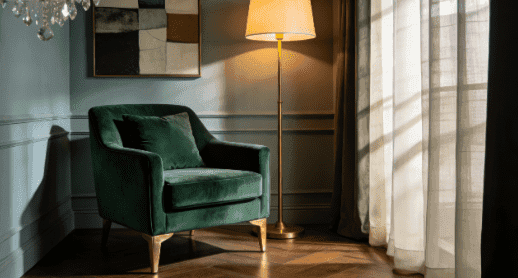
Why Velvet Fabric Elevates Furniture
Furniture upholstered in velvet fabric instantly becomes a statement piece. The softness invites relaxation, while the subtle sheen adds elegance to living rooms, lounges, and home offices. Interior designers often select velvet for sofas, armchairs, and ottomans because it creates a sophisticated contrast with other materials.
Color Choices for Velvet Furniture
Jewel Tones
Rich jewel tones such as emerald, sapphire, ruby, and amethyst bring sophistication and a sense of luxury. These shades are ideal for creating a focal point in a room.
Neutral Tones
Beige, taupe, grey, and navy allow velvet furniture to blend seamlessly with existing decor. Neutral velvet works well in minimalist or modern interior styles, providing elegance without overwhelming the space.
Pattern and Texture Enhancements
Diamond Tufting
Diamond tufting adds a classic, structured look to velvet sofas and chairs, giving them a timeless appeal.
Patterned Velvet
Patterned velvet, whether floral or geometric, adds visual interest and depth. It is perfect for accent chairs or smaller furniture pieces, enhancing style without overpowering the room.
Maintenance Tips for Velvet Furniture
Rotate Cushions Regularly
Regularly rotating cushions prevents uneven wear and helps maintain the plush look of the furniture.
Avoid Direct Sunlight
Exposure to direct sunlight can cause fading. Position furniture away from harsh sunlight or use curtains to protect velvet surfaces.
Maintain the Pile
Use a soft brush or lint roller to lift the pile and remove dust or pet hair. This simple step keeps the fabric looking fresh and soft.
Restore Texture with Steam
Occasional steaming can restore crushed or flattened areas of velvet. Always use a gentle approach to avoid damaging delicate fibers.
Incorporating Velvet Fabric in Curtains and Drapery
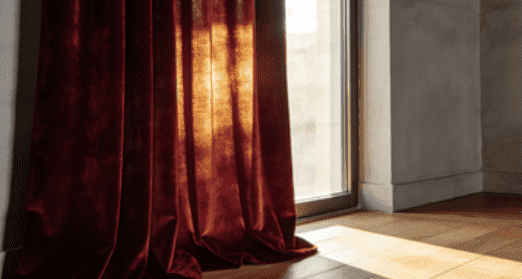
Enhancing Ambiance
Velvet drapes add warmth, texture, and acoustic benefits. Heavy velvet fabric helps insulate windows, keeping rooms cozy while reducing external noise. This is particularly beneficial in bedrooms, libraries, or home theaters.
Selecting the Right Velvet Fabric
- Cotton velvet: Lightweight and breathable, suitable for casual living spaces
- Polyester or silk velvet: Luxurious, heavier drapes ideal for formal rooms
- Consider lining: Blackout or thermal linings improve functionality for bedrooms or media rooms
How to Clean Velvet Fabric Curtains
- Regular vacuuming with a soft brush prevents dust accumulation
- Spot cleaning: Mild detergent mixed with water can remove minor stains
- Steam cleaning: Restores pile and removes wrinkles
- Avoid harsh chemicals or excessive scrubbing that may damage the fabric
Decorative Accessories with Velvet Fabric
Pillows, Throws, and Rugs
Small accents of velvet fabric can dramatically improve a room’s aesthetic. Velvet pillows or throws on a neutral sofa create texture contrast, while velvet rugs add tactile interest underfoot.
Combining Colors and Patterns
- Pair jewel-toned velvet pillows with neutral sofas
- Combine different textures like velvet, linen, or leather for depth
- Layering patterns creates visual interest without overwhelming the space
Decorative items are a low-commitment way to experiment with velvet fabric before investing in larger furniture pieces.
Table: Comparison of Velvet Fabric Types for Home Decor
| Velvet Type | Durability | Best Use Case | Price Range (USD) | Cleaning Method |
|---|---|---|---|---|
| Silk Velvet | Low | Accents, cushions | $50–$150 per yard | Dry clean only |
| Cotton Velvet | Medium | Sofas, chairs, curtains | $20–$60 per yard | Machine wash cold, gentle |
| Polyester Velvet | High | Everyday furniture | $10–$30 per yard | Spot clean, vacuum |
| Rayon Velvet | Medium-Low | Drapes, decorative use | $15–$40 per yard | Dry clean recommended |
| Blended Velvet | High | Furniture & decor | $25–$70 per yard | Spot clean, mild wash |
This table helps homeowners and designers select the most appropriate velvet fabric based on durability, cost, and intended use.
Bedroom Applications of Velvet Fabric
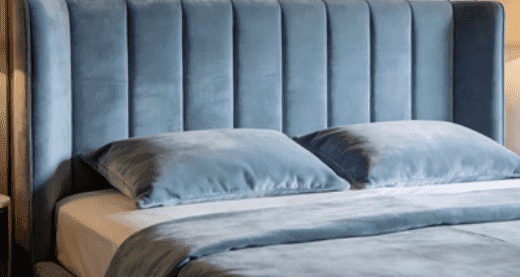
Bedding and Headboards
Velvet fabric can elevate a bedroom when used for headboards, bedspreads, or decorative pillows. Dark shades like navy, charcoal, and deep burgundy create a cozy, intimate environment.
Pairing Velvet with Other Fabrics
- Linen or cotton bedding balances the richness of velvet
- Silk or satin accents add luxury and shine
- Layer textures to prevent a heavy or overwhelming look
Cleaning Velvet Fabric in Bedrooms
- Spot clean stains immediately with a damp cloth and mild detergent
- Avoid rubbing aggressively to maintain pile integrity
- Professional dry cleaning is recommended for silk or high-end velvet
Velvet Fabric for Wall Panels and Upholstery
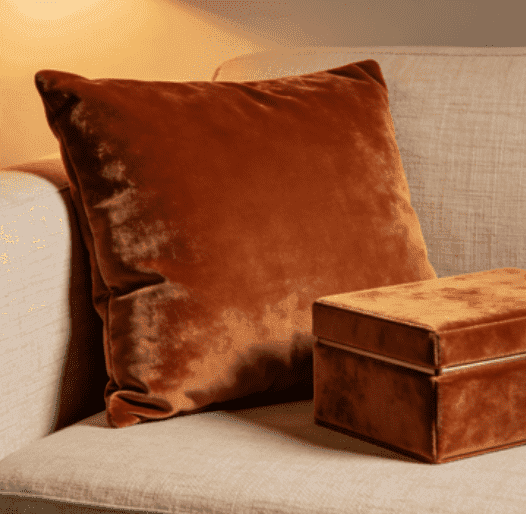
Adding Texture and Visual Interest
Velvet wall panels or upholstered accent walls create drama and sophistication. This technique is commonly used in home theaters, lounges, and luxury living rooms.
Acoustic and Insulation Benefits
- Velvet fabric absorbs sound, reducing echo
- Adds thermal insulation, contributing to energy efficiency
Maintenance Recommendations
- Vacuum walls regularly to remove dust
- Spot clean spills as soon as possible
- Use steam to lift the pile and maintain texture
DIY and Creative Projects with Velvet Fabric
Velvet fabric is perfect for DIY projects including:
- Velvet-covered lampshades
- Velvet photo frames or decorative boxes
- Custom velvet cushions with embroidered designs
By experimenting with small projects, you can test color combinations and textures before committing to larger investments in furniture or drapes.
Cost Considerations for Velvet Fabric
- Silk velvet: $50–$150 per yard, requires professional cleaning
- Cotton velvet: $20–$60 per yard, more affordable and durable
- Polyester velvet: $10–$30 per yard, highly durable and budget-friendly
- Blended velvet: $25–$70 per yard, balances durability and luxury
Purchasing in bulk for home decor or DIY projects can reduce cost per yard and ensure color consistency.
Conclusion
Incorporating velvet fabric into your home decor transforms spaces with elegance, warmth, and texture. Whether used in furniture, curtains, accessories, bedrooms, or walls, velvet fabric adds a luxurious touch that is timeless and versatile. By understanding what velvet fabric is, selecting the right type, and learning how to clean velvet fabric properly, you can maintain its beauty and enhance your home for years to come.
Velvet fabric is more than a decorative material—it is a statement of sophistication, comfort, and personal style. Even small accents like pillows or throws can make a dramatic impact, while larger applications in furniture or wall panels create a bold, luxurious atmosphere.
FAQ
Q1: What is velvet fabric made of?
A: Velvet fabric is a tufted woven textile characterized by its soft, dense pile. Traditionally, it was made from pure silk, giving it an ultra-luxurious feel and sheen, often reserved for royalty and high-end fashion. Today, velvet is manufactured using a variety of fibers to meet different needs:
- Silk velvet: Extremely smooth and shiny, ideal for decorative accents and high-end furniture. Requires professional dry cleaning due to its delicate nature.
- Cotton velvet: Durable, breathable, and comfortable, suitable for sofas, chairs, and curtains. Can generally be machine washed on gentle cycles.
- Polyester velvet: Affordable and resistant to wrinkles, fading, and wear. Perfect for high-traffic areas or homes with pets and children.
- Rayon and blended velvet: Combines softness and durability, often used in drapery, decorative pillows, and other functional home textiles.
Each type of velvet offers a different combination of texture, sheen, durability, and maintenance requirements, making it important to choose the right one based on the intended use.
Q2: How do I clean velvet fabric at home?
A: Velvet requires careful maintenance to preserve its luxurious texture and sheen. The cleaning method depends on the fiber type:
- Regular maintenance: Vacuum with a soft brush attachment to remove dust and prevent dirt buildup. Brushing in the direction of the pile can help maintain its softness.
- Spot cleaning: For small stains, use a mild soap or detergent diluted in water. Apply gently with a soft cloth and blot rather than rub to avoid crushing fibers. Avoid soaking the fabric.
- Steam cleaning: Light steaming can lift the pile and remove minor wrinkles. Keep the steamer at a safe distance to prevent water spots.
- Professional care: Silk velvet and delicate blends should be professionally dry cleaned to avoid damage.
- Additional tips: Avoid direct sunlight to prevent fading, and rotate cushions or fabric surfaces regularly to maintain an even appearance.
Following these steps ensures velvet fabric maintains its softness, reflective sheen, and overall beauty for years, whether used on furniture, curtains, or decorative accessories.
Q3: Can velvet fabric be used in high-traffic areas?
A: Yes, polyester and blended velvet are durable and ideal for furniture or areas with frequent use.
Q4: Which colors are best for beginners?
A: Neutral shades like beige, grey, and taupe are versatile and easy to coordinate with other decor elements.
Q5: How can I maintain the pile of velvet fabric?
A: Rotate cushions, avoid direct sunlight, gently brush or steam, and treat stains immediately to preserve texture.
Q6: Is velvet fabric suitable for DIY projects?
A: Absolutely. Velvet fabric is excellent for small home accessories like pillows, throws, and decorative boxes.
Q7: Are there eco-friendly velvet options?
A: Yes, recycled polyester and organic cotton velvet are increasingly available and sustainable for home decor projects.