
Welcome to My Blog! I’m thrilled to have you here!
Before we dive into the content, I’d love for you to join me on my social media platforms. It’s where I share extra insights, connect with our amazing community, and keep you updated on the latest news.
Here’s how you can stay connected:
📘 Facebook: Suzhou Xize Textile Technology Co., ltd.
Now, let’s embark on this journey together! I hope you find the content here not only insightful but also inspiring and valuable. Let’s get started!
Table of Contents
Why You Should Read This Blog
- Discover what flannel fabrics are and their historical evolution.
- Learn about different fibers used and how they affect texture and performance.
- Understand weaving, brushing, and finishing processes in detail.
- Compare flannel fabrics with other soft textiles like fleece, velvet, and poplin.
- Explore practical applications in clothing, bedding, and home décor.
- Get expert care, maintenance, and sustainability tips.
- Understand cost, ROI, and how to choose the right flannel for your needs.
Introduction
Flannel fabrics have been a beloved textile for centuries, valued for their soft touch, warmth, and versatility. From cozy winter shirts to luxurious bedding, flannel is everywhere—but what exactly makes it unique? In this guide, we’ll explore the composition, production, performance, and applications of flannel fabrics, providing a deep understanding for consumers, designers, and industry professionals.
What Are Flannel Fabrics?
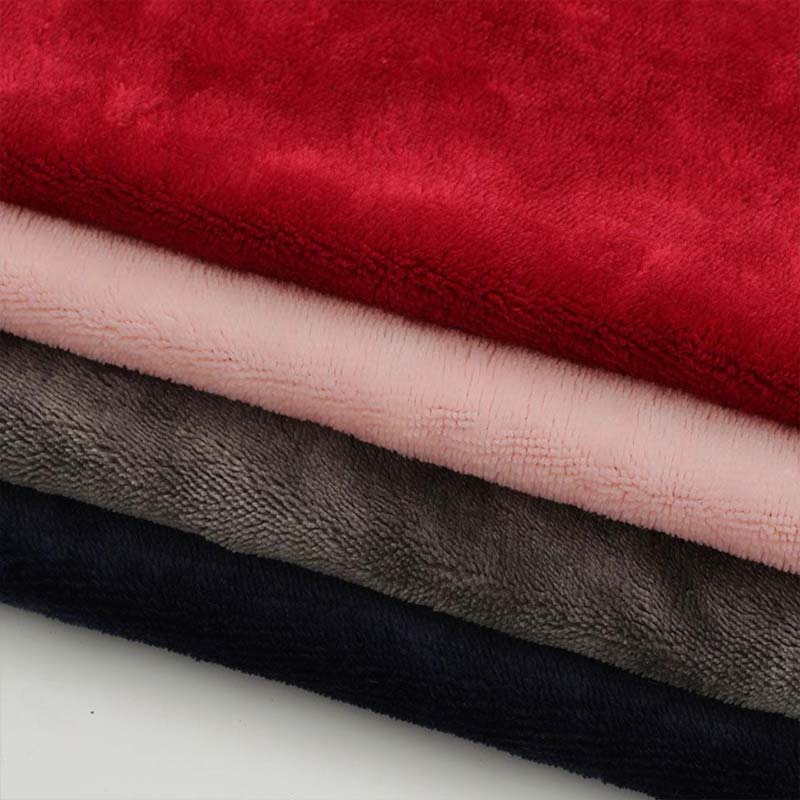
Flannel fabrics are soft, warm textiles with a characteristic fuzzy surface, created through specialized weaving and brushing techniques. They are widely used in clothing, bedding, and home textiles. Originally made from wool, modern flannel often incorporates cotton or synthetic blends, each influencing softness, durability, and thermal properties.
Historical Background
Flannel originated in 17th-century Wales as a wool-based fabric. It quickly gained popularity in Europe and North America for its warmth and comfort. Over time, cotton and blends became common, offering affordability and versatility while maintaining the desirable soft texture.
Core Functionality
- Softness: Brushed surfaces create a cozy feel.
- Warmth: Natural fibers and raised textures trap air for insulation.
- Versatility: Available in various weights and finishes for diverse applications.
Materials Used in Flannel Fabrics
Cotton Flannel
Cotton flannel is the most common type today. It is soft, breathable, and lightweight, making it ideal for shirts, pajamas, and bedding.
- Advantages: Affordable, hypoallergenic, comfortable.
- Limitations: Can shrink if not washed properly; less insulating than wool.
Wool Flannel
Wool flannel offers exceptional warmth, elasticity, and durability. Ideal for suits, jackets, and premium blankets.
- Advantages: High insulation, moisture-wicking, long-lasting.
- Limitations: Requires careful washing, higher cost.
Synthetic Blends
Blends of polyester or acrylic with cotton or wool enhance durability, wrinkle resistance, and reduce shrinkage.
- Advantages: Strong, easy to maintain, cost-effective for mass production.
- Limitations: Less breathable, lower eco-friendliness (though recycled synthetics are emerging).
Natural vs Synthetic Fiber Comparison
| Feature | Cotton Flannel | Wool Flannel | Synthetic Blends |
|---|---|---|---|
| Softness | High | Medium-High | Medium |
| Warmth | Medium | High | Medium |
| Breathability | High | Medium | Low |
| Durability | Medium | High | High |
| Cost | Low-Medium | High | Medium |
Weaving and Finishing Processes
Weaving Techniques
Flannel fabrics are woven in plain, twill, or satin weaves. Twill is favored for clothing due to its softness and drape, while plain weave is common in bedding.
Brushing and Napping
The fuzzy texture comes from brushing or napping, which raises fibers on one or both sides of the fabric. Double-brushed flannel provides maximum softness and warmth.
Dyeing and Printing
Flannel can be dyed in solid colors or printed with patterns like plaid, stripes, or checks. High-quality flannel maintains colorfastness without compromising softness.
Comparison: Flannel vs Other Soft Fabrics
| Feature | Flannel | Fleece | Velvet | Cotton Poplin |
|---|---|---|---|---|
| Softness | High | Medium-High | Very High | Medium |
| Warmth | High | High | Medium | Low |
| Durability | Medium-High | Medium | Medium | High |
| Breathability | Medium | Low-Medium | Low | High |
| Applications | Shirts, bedding | Sweatshirts, blankets | Dresses, upholstery | Shirts, dresses |
| Maintenance | Gentle wash | Machine wash | Dry clean | Easy care |
Expert Insight: Dr. Emily Chen, Textile Scientist:
“Flannel’s unique combination of softness, thermal performance, and versatility makes it superior to most other soft fabrics in both comfort and long-term usability.”
Applications of Flannel Fabrics
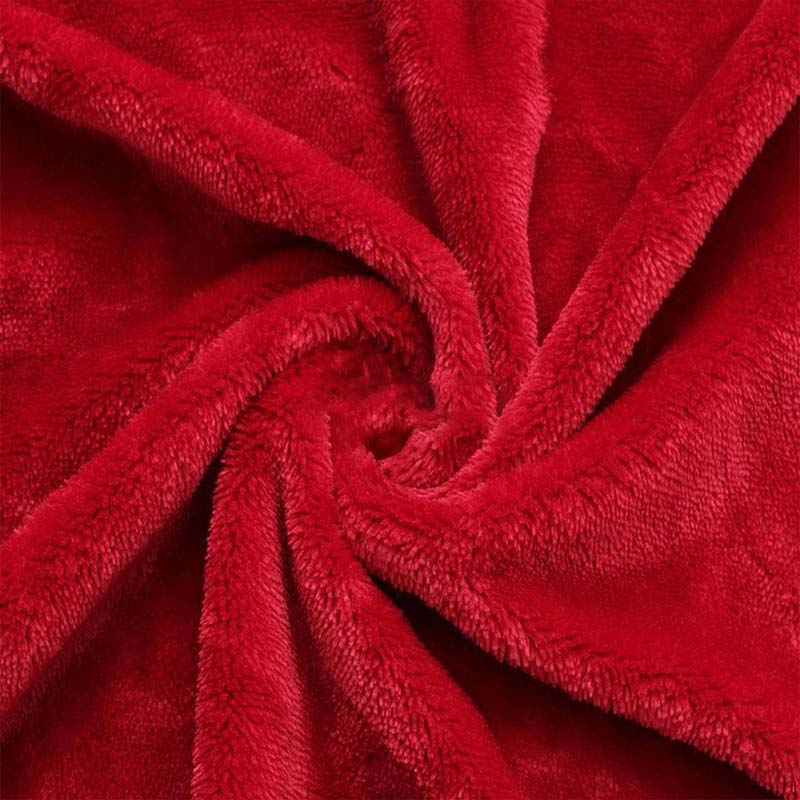
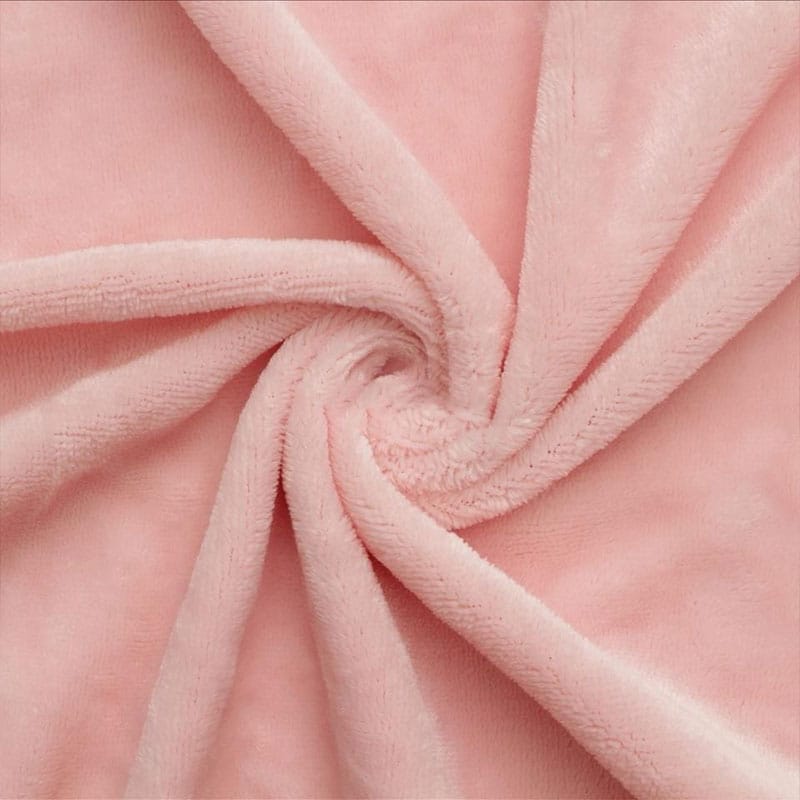
Clothing
Flannel is ideal for shirts, pajamas, coats, and jackets due to its comfort and warmth. Cotton flannel dominates casual wear, while wool flannel suits premium outerwear.
Bedding
Sheets, pillowcases, and blankets made from flannel offer cozy insulation, making them perfect for cold climates. Double-brushed cotton flannel sheets are particularly favored in winter.
Home Textiles
Flannel throws, curtains, and cushion covers provide both tactile comfort and aesthetic appeal, blending functionality and style.
Global Flannel Fabrics Trends and Regional Preferences
North America
In the United States and Canada, cotton flannel is extremely popular for casual wear, pajamas, and bedding, especially in regions with cold winters like the Midwest, Northeast, and Canadian provinces. Plaid patterns are iconic, reflecting cultural heritage from lumberjack and outdoor traditions.
- Consumer Insight: According to a 2024 survey by the North American Textile Association, 68% of consumers prefer cotton flannel for bedding during winter.
- Manufacturing Hotspots: Pennsylvania, North Carolina, and Quebec are known for high-quality cotton flannel mills.
Europe
European countries like Germany, Italy, and the UK favor wool flannel for tailored suits, jackets, and luxury bedding. Wool blends are common in Northern Europe, where insulation and durability are critical for cold climates.
- Cultural Insight: In Scotland, tartan wool flannel remains a traditional staple, combining heritage with modern fashion.
- Market Insight: The European textile market values sustainable wool flannel, with 45% of consumers prioritizing eco-friendly materials.
Asia-Pacific
In Japan, South Korea, and China, lightweight cotton flannel is popular for home textiles and casual shirts. The preference is for bright colors, soft textures, and innovative patterns that combine comfort with design.
- Consumer Trend: Japanese consumers favor double-brushed cotton flannel sheets for winter, citing comfort and warmth.
- Production Insight: China is a leading manufacturer and exporter of cotton flannel, supplying global markets with competitive pricing.
Latin America
In Brazil, Argentina, and Chile, flannel is widely used for bed sheets, shirts, and blankets, especially in southern regions with cooler climates. Local textile companies often produce colorful cotton flannel with regional patterns.
Middle East
Flannel is less common in extremely hot regions but is gaining popularity in air-conditioned urban spaces, hotels, and luxury bedding markets. Lightweight flannel sheets and blankets cater to international hotels and expatriates seeking comfort.
Regional Material and Pattern Preferences
| Region | Preferred Material | Common Patterns | Typical Usage |
|---|---|---|---|
| North America | Cotton | Plaid, checks | Bedding, casual wear |
| Europe | Wool | Tartan, solid colors | Suits, jackets, luxury bedding |
| Asia-Pacific | Cotton, Cotton-Poly blends | Prints, stripes | Shirts, bedding, home décor |
| Latin America | Cotton | Bright patterns | Shirts, blankets, sheets |
| Middle East | Lightweight Cotton | Solids, subtle prints | Hotels, bedding, indoor clothing |
Expert Insight: Dr. Laura Thompson, International Textile Consultant:
“Flannel fabric preferences are highly regional. Climate, cultural heritage, and interior design trends all influence which types of flannel are favored.”
Sourcing Flannel Fabrics by Region
- North America: High-quality cotton flannel, available from Pennsylvania and North Carolina mills.
- Europe: Premium wool flannel sourced from Scotland and Germany.
- Asia-Pacific: Cost-effective cotton flannel, often produced in China and India, suitable for mass-market bedding and apparel.
- Latin America: Locally produced vibrant cotton flannel, emphasizing design and cultural relevance.
- Middle East: Lightweight cotton flannel for indoor comfort in urban and hotel environments.
Regional Care Recommendations
- Cold climates: Prioritize wool flannel with gentle washing and air drying.
- Hot climates: Use lightweight cotton flannel to avoid overheating; machine wash at low temperatures.
- Humid areas: Store flannel in dry, ventilated spaces to prevent mold or mildew.
Care and Maintenance of Flannel Fabrics
Washing and Drying Tips
- Wash in cold or warm water to prevent shrinkage.
- Use a gentle cycle and mild detergent.
- Avoid high heat drying; air drying preserves texture.
Ironing and Storage
- Use low heat ironing for wrinkles.
- Store in dry, ventilated areas to avoid mildew or discoloration.
Longevity
Proper maintenance can extend cotton flannel lifespan to 5–10 years and wool flannel to 15+ years.
Environmental and Sustainability Considerations
- Cotton flannel: Biodegradable; organic cotton reduces pesticides.
- Wool flannel: Renewable and long-lasting; sustainable when sourced responsibly.
- Synthetic blends: Less eco-friendly; recycled polyester options are improving sustainability.
Data Insight: According to the Textile Exchange 2023 report, using organic cotton flannel reduces carbon footprint by 25–30% compared to conventional cotton.
Advanced Design Considerations
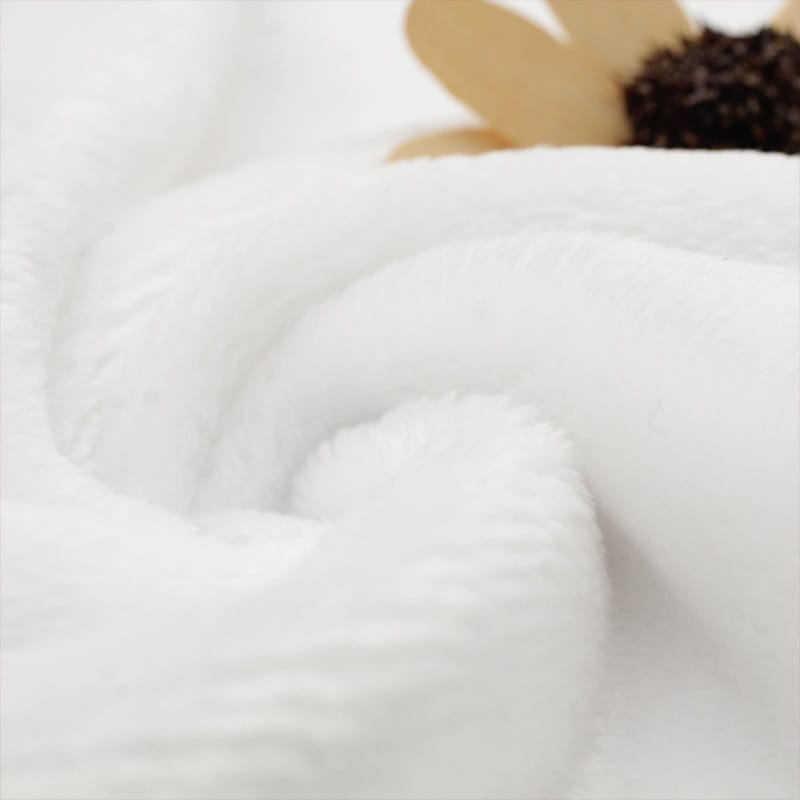
Thickness and Weight Selection
- Lightweight: Shirts, pajamas.
- Medium-weight: Bedding and casual home textiles.
- Heavy-weight: Outerwear, blankets.
Surface Finish and Brushing Level
- Single-brushed: Moderate softness.
- Double-brushed: Maximum fluffiness and insulation.
Pattern and Aesthetic Options
- Classic plaid: Iconic fashion choice.
- Solid or subtle prints: Preferred in modern home interiors.
- 3D or perforated patterns: Enhances visual and acoustic appeal in home textiles.
Cost, ROI, and Long-Term Value
| Feature | Cotton Flannel | Wool Flannel | Synthetic Blends |
|---|---|---|---|
| Initial Cost | Moderate | High | Medium |
| Lifespan | 5–10 years | 15+ years | 7–10 years |
| Maintenance | Low | Medium | Medium |
| Replacement Frequency | Rare | Rare | Frequent |
| ROI (5 Years) | High | Very High | Medium |
Expert Opinion: Sarah Mitchell, Textile Consultant:
“Investing in high-quality wool or cotton flannel pays off in long-term durability, comfort, and sustainability, making it cost-effective despite higher initial costs.”
Combining Flannel with Other Fabrics
- Designers often combine flannel with fleece for enhanced softness and insulation.
- Layering flannel with cotton poplin can maintain structure while offering warmth.
- Such hybrid approaches optimize performance for specific applications like bedding or outdoor wear.
Conclusion
Flannel fabrics represent the perfect balance of comfort, warmth, and versatility. By understanding their composition, weaving, brushing, and finishing processes, you can make informed choices for clothing, bedding, and home textiles. Compared to other soft fabrics, flannel excels in long-term performance, aesthetic appeal, and tactile comfort, making it a top choice for consumers, designers, and textile enthusiasts.
Whether for winter clothing, cozy bedding, or stylish home décor, flannel fabrics deliver unmatched softness, warmth, and visual appeal—truly a textile classic with modern relevance.
FAQ
What is the difference between cotton and wool flannel?
Cotton flannel is soft and breathable, ideal for daily wear and bedding. Wool flannel is warm, elastic, and long-lasting, perfect for suits and coats.
Can flannel fabrics shrink?
Yes, especially cotton flannel. Always follow washing instructions and avoid high heat drying.
Is flannel suitable for hot climates?
Lightweight flannel works in cooler evenings, but thick flannel is best for colder conditions.
How long do flannel fabrics last?
Cotton flannel: 5–10 years; Wool flannel: 15+ years with proper care.
Are flannel fabrics eco-friendly?
Natural fiber flannels (cotton, wool) are renewable, biodegradable, and low in VOCs.
Can flannel be combined with other fabrics?
Yes, combining flannel with fleece, poplin, or polyester blends can enhance comfort, durability, and aesthetic appeal.