
مرحبا بكم في مدونتي! يسعدني وجودك هنا!
قبل أن نتعمق في المحتوى، أود أن تنضم إلي على منصات التواصل الاجتماعي الخاصة بي. إنه المكان الذي أشارك فيه رؤى إضافية، وأتواصل مع مجتمعنا المذهل، وأبقيك على اطلاع بآخر الأخبار.
إليك كيف يمكنك البقاء على اتصال:
📘 الفيسبوك: سوتشو Xize شركة تكنولوجيا النسيج المحدودة.
الآن، دعونا نبدأ هذه الرحلة معًا! أتمنى أن تجد المحتوى هنا ليس ثاقبًا فحسب، بل ملهمًا وقيمًا أيضًا. لنبدأ!
جدول المحتويات
لماذا يجب عليك قراءة هذه المدونة
- اكتشف ماذا أقمشة الفانيلا هي وتطورها التاريخي.
- تعرف على الألياف المختلفة المستخدمة وكيفية تأثيرها على الملمس والأداء.
- فهم عمليات النسيج والتنظيف والتشطيب بالتفصيل.
- قارن أقمشة الفانيلا مع المنسوجات الناعمة الأخرى مثل الصوف والمخمل والبوبلين.
- استكشف التطبيقات العملية في الملابس والفراش والديكور المنزلي.
- احصل على نصائح متخصصة في الرعاية والصيانة والاستدامة.
- افهم التكلفة وعائد الاستثمار وكيفية اختيار الفانيلا المناسبة لاحتياجاتك.
مقدمة
أقمشة الفانيلا لقد كانت نسيجًا محبوبًا لعدة قرون، وقد تم تقديرها بسبب لمستها الناعمة ودفئها وتعدد استخداماتها. من القمصان الشتوية المريحة إلى الفراش الفاخر، الفانيلا موجودة في كل مكان، ولكن ما الذي يجعلها فريدة من نوعها بالضبط؟ في هذا الدليل، سنستكشف تكوين أقمشة الفانيلا وإنتاجها وأدائها وتطبيقاتها، مما يوفر فهمًا عميقًا للمستهلكين والمصممين ومحترفي الصناعة.
ما هي أقمشة الفانيلا؟
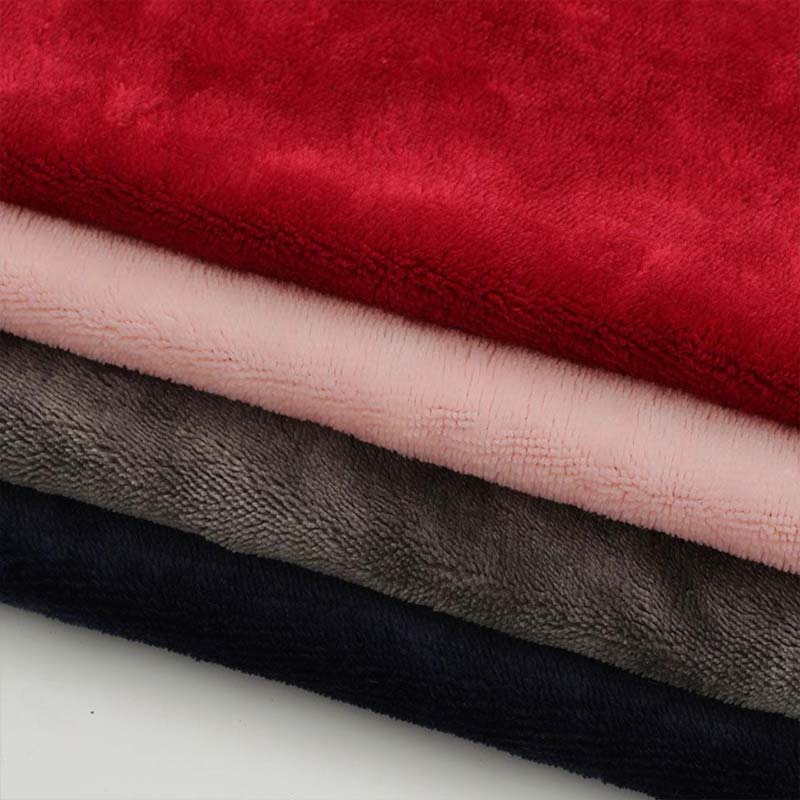
أقمشة الفانيلا هي منسوجات ناعمة ودافئة ذات سطح غامض مميز، تم إنشاؤها من خلال تقنيات النسيج والتنظيف المتخصصة. يتم استخدامها على نطاق واسع في الملابس والفراش والمنسوجات المنزلية. غالبًا ما يشتمل الفانيلا الحديث، المصنوع في الأصل من الصوف، على مزيج من القطن أو الاصطناعي، يؤثر كل منها على النعومة والمتانة والخصائص الحرارية.
الخلفية التاريخية
نشأت الفانيلا في ويلز في القرن السابع عشر كنسيج يعتمد على الصوف. وسرعان ما اكتسب شعبية في أوروبا وأمريكا الشمالية بسبب دفئه وراحته. بمرور الوقت، أصبح القطن والخلطات شائعة، مما يوفر القدرة على تحمل التكاليف والتنوع مع الحفاظ على الملمس الناعم المرغوب فيه.
الوظيفة الأساسية
- نعومة: الأسطح المصقولة تخلق شعورًا بالراحة.
- دفء: الألياف الطبيعية والأنسجة المرتفعة تحبس الهواء للعزل.
- التنوع: متوفر بأوزان وتشطيبات مختلفة لتطبيقات متنوعة.
المواد المستخدمة في أقمشة الفانيلا
قطن الفانيلا
الفانيلا القطنية هي النوع الأكثر شيوعًا اليوم. إنه ناعم وجيد التهوية وخفيف الوزن، مما يجعله مثاليًا للقمصان والبيجامات والفراش.
- المزايا: ميسورة التكلفة، مضادة للحساسية، مريحة.
- القيود: يمكن أن تنكمش إذا لم يتم غسلها بشكل صحيح؛ أقل عازلة من الصوف.
الفانيلا الصوف
توفر الفانيلا الصوفية دفء ومرونة ومتانة استثنائية. مثالية للبدلات والسترات والبطانيات الفاخرة.
- المزايا: عزل عالي، ماص للرطوبة، يدوم طويلاً.
- القيود: يتطلب غسيلًا دقيقًا وتكلفة أعلى.
خلطات صناعية
مزيج من البوليستر أو الأكريليك مع القطن أو الصوف يعزز المتانة ومقاومة التجاعيد ويقلل الانكماش.
- المزايا: قوية وسهلة الصيانة وفعالة من حيث التكلفة للإنتاج الضخم.
- القيود: أقل تنفسًا، وأقل صداقة للبيئة (على الرغم من ظهور المواد الاصطناعية المعاد تدويرها).
مقارنة الألياف الطبيعية مقابل الألياف الاصطناعية
| ميزة | قطن الفانيلا | الفانيلا الصوف | خلطات صناعية |
|---|---|---|---|
| نعومة | عالي | متوسط الارتفاع | متوسط |
| الدفء | متوسط | عالي | متوسط |
| التهوية | عالي | متوسط | منخفض |
| متانة | متوسط | عالي | عالي |
| تكلفة | منخفض متوسط | عالي | متوسط |
عمليات النسيج والتشطيب
تقنيات النسيج
أقمشة الفانيلا منسوجة في نسج عادي أو قطني طويل أو ساتان. يُفضل نسيج التويل للملابس بسبب نعومته وثنيه، بينما يعد النسيج العادي شائعًا في الفراش.
تنظيف الأسنان بالفرشاة والقيلولة
الملمس الغامض يأتي من تنظيف الأسنان بالفرشاة أو القيلولة, ، مما يرفع الألياف على أحد جانبي القماش أو كليهما. توفر الفانيلا ذات الفرشاة المزدوجة أقصى قدر من النعومة والدفء.
الصباغة والطباعة
يمكن صبغ الفانيلا الألوان الصلبة أو مطبوعة مع أنماط مثل منقوشة أو خطوط أو مربعات. تحافظ الفانيلا عالية الجودة على ثبات اللون دون المساس بالنعومة.
المقارنة: الفانيلا مقابل الأقمشة الناعمة الأخرى
| ميزة | الفانيلا | الصوف | مخمل | قطن بوبلين |
|---|---|---|---|---|
| نعومة | عالي | متوسط الارتفاع | عالي جدا | متوسط |
| الدفء | عالي | عالي | متوسط | منخفض |
| متانة | متوسط الارتفاع | متوسط | متوسط | عالي |
| التهوية | متوسط | منخفض متوسط | منخفض | عالي |
| التطبيقات | القمصان والفراش | البلوزات والبطانيات | الفساتين والمفروشات | القمصان والفساتين |
| صيانة | غسل لطيف | غسيل آلي | تنظيف جاف | رعاية سهلة |
انسايت الخبراء: الدكتورة إميلي تشين، عالمة النسيج:
“مزيج ”Flannel الفريد من النعومة والأداء الحراري وتعدد الاستخدامات يجعله متفوقًا على معظم الأقمشة الناعمة الأخرى من حيث الراحة وسهولة الاستخدام على المدى الطويل.”
تطبيقات أقمشة الفانيلا
ملابس
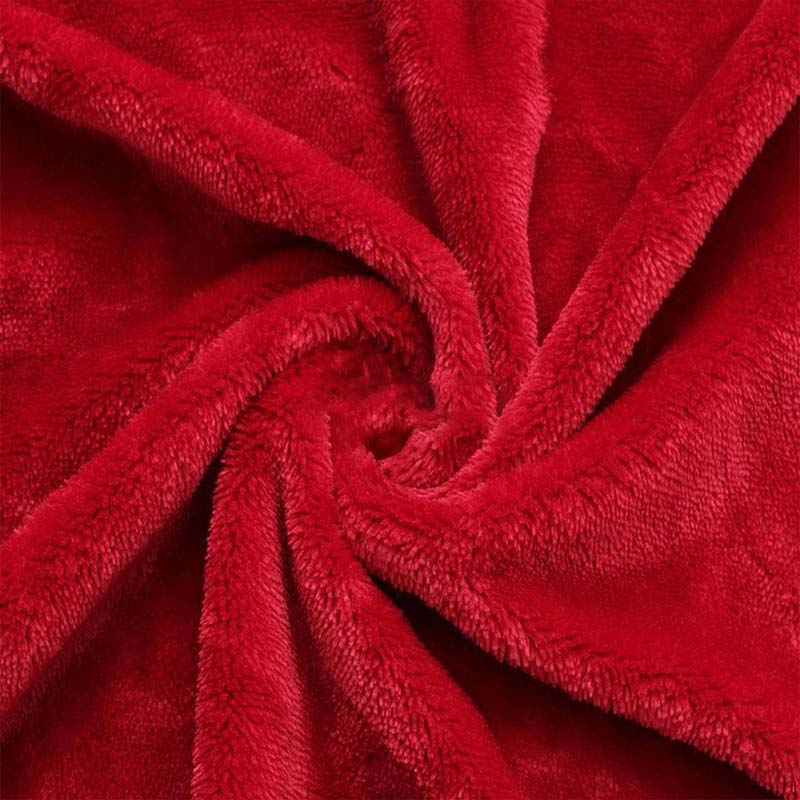
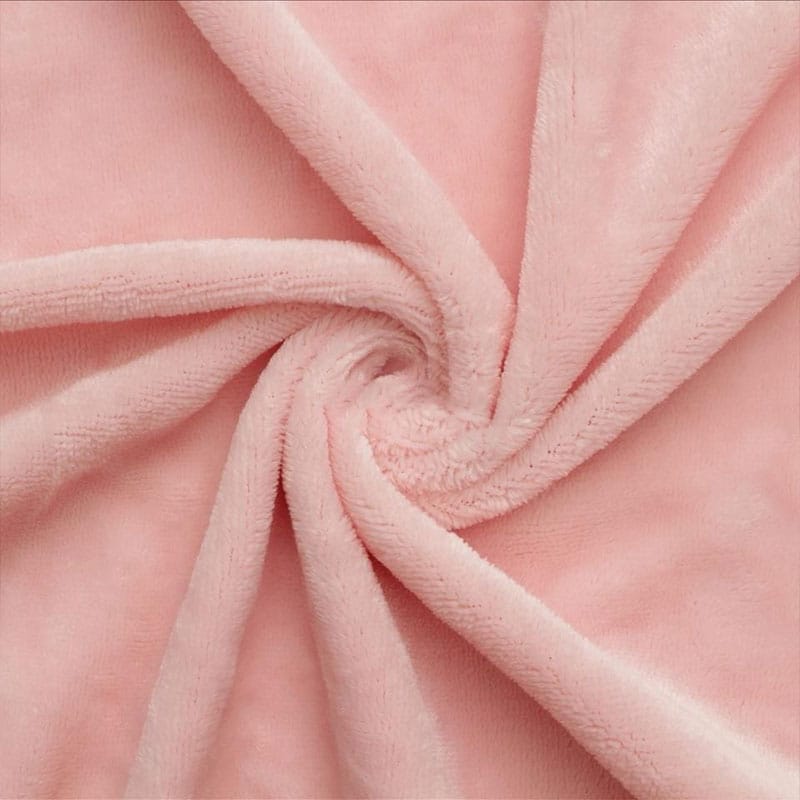
تعتبر الفانيلا مثالية للقمصان والبيجامات والمعاطف والسترات بسبب راحتها ودفئها. يهيمن الفانيلا القطنية على الملابس غير الرسمية، بينما يناسب الفانيلا الصوفية الملابس الخارجية الفاخرة.
الفراش
توفر الملاءات وأغطية الوسائد والبطانيات المصنوعة من الفانيلا عزلًا مريحًا، مما يجعلها مثالية للمناخات الباردة. تُفضل صفائح الفانيلا القطنية ذات الفرشاة المزدوجة بشكل خاص في فصل الشتاء.
المنسوجات المنزلية
توفر رميات الفانيلا والستائر وأغطية الوسائد الراحة اللمسية والجاذبية الجمالية، وتمزج بين الوظيفة والأناقة.
عالمي أقمشة الفانيلا الاتجاهات والتفضيلات الإقليمية
أمريكا الشمالية
في الولايات المتحدة وكندا، تحظى الفانيلا القطنية بشعبية كبيرة ملابس غير رسمية وبيجامات وفراش, ، خاصة في المناطق ذات الشتاء البارد مثل مقاطعات الغرب الأوسط والشمال الشرقي وكندا. تعتبر الأنماط المنقوشة مميزة وتعكس التراث الثقافي من الحطاب والتقاليد الخارجية.
- رؤية المستهلك: وفقًا لمسح أجرته جمعية النسيج في أمريكا الشمالية عام 2024، يفضل 68% من المستهلكين الفانيلا القطنية للفراش خلال فصل الشتاء.
- النقاط الساخنة للتصنيع: تشتهر بنسلفانيا ونورث كارولينا وكيبيك بمطاحن القطن والفانيلا عالية الجودة.
أوروبا
وتؤيد الدول الأوروبية مثل ألمانيا وإيطاليا والمملكة المتحدة الفانيلا الصوف للبدلات والسترات والفراش الفاخر المصممة خصيصًا. تعتبر خلطات الصوف شائعة في شمال أوروبا، حيث يعد العزل والمتانة أمرًا بالغ الأهمية للمناخات الباردة.
- البصيرة الثقافية: في اسكتلندا، يظل صوف الترتان الفانيلا عنصرًا أساسيًا تقليديًا، حيث يجمع بين التراث والموضة الحديثة.
- رؤية السوق: يقدر سوق المنسوجات الأوروبي الفانيلا الصوفية المستدامة، حيث يعطي 45% من المستهلكين الأولوية للمواد الصديقة للبيئة.
آسيا والمحيط الهادئ
في اليابان وكوريا الجنوبية والصين، تحظى الفانيلا القطنية خفيفة الوزن بشعبية كبيرة المنسوجات المنزلية والقمصان غير الرسمية. الأفضلية هي الألوان الزاهية والأنسجة الناعمة والأنماط المبتكرة التي تجمع بين الراحة والتصميم.
- اتجاه المستهلك: يفضل المستهلكون اليابانيون صفائح الفانيلا القطنية ذات الفرشاة المزدوجة لفصل الشتاء، نقلا عن الراحة والدفء.
- رؤية الإنتاج: تعد الصين شركة رائدة في تصنيع وتصدير الفانيلا القطنية، حيث تزود الأسواق العالمية بأسعار تنافسية.
أمريكا اللاتينية
في البرازيل والأرجنتين وتشيلي، يتم استخدام الفانيلا على نطاق واسع ملاءات السرير والقمصان والبطانيات, ، وخاصة في المناطق الجنوبية ذات المناخ البارد. غالبًا ما تنتج شركات النسيج المحلية الفانيلا القطنية الملونة ذات الأنماط الإقليمية.
الشرق الأوسط
الفانيلا أقل شيوعًا في المناطق شديدة الحرارة ولكنها تكتسب شعبية في المناطق الحارة للغاية مساحات حضرية مكيفة, ، الفنادق، وأسواق الفراش الفاخرة. تلبي ملاءات وبطانيات الفانيلا خفيفة الوزن احتياجات الفنادق العالمية والمغتربين الباحثين عن الراحة.
تفضيلات المواد والأنماط الإقليمية
| منطقة | المادة المفضلة | الأنماط الشائعة | الاستخدام النموذجي |
|---|---|---|---|
| أمريكا الشمالية | قطن | منقوشة، الشيكات | الفراش، ملابس غير رسمية |
| أوروبا | صوف | الترتان، الألوان الصلبة | البدلات والسترات والفراش الفاخر |
| آسيا والمحيط الهادئ | خلطات القطن والقطن والبولي | المطبوعات والخطوط | القمصان والفراش والديكور المنزلي |
| أمريكا اللاتينية | قطن | أنماط مشرقة | القمصان والبطانيات والملاءات |
| الشرق الأوسط | قطن خفيف الوزن | المواد الصلبة، والمطبوعات الدقيقة | الفنادق والفراش والملابس الداخلية |
انسايت الخبراء: الدكتورة لورا طومسون، مستشارة النسيج الدولية:
“تفضيلات نسيج ”Flannel إقليمية للغاية. تؤثر اتجاهات المناخ والتراث الثقافي والتصميم الداخلي على أنواع الفانيلا المفضلة.”
مصادر أقمشة الفانيلا حسب المنطقة
- أمريكا الشمالية: الفانيلا القطنية عالية الجودة، متوفرة في مصانع بنسلفانيا وكارولينا الشمالية.
- أوروبا: الفانيلا الصوفية الفاخرة مصدرها اسكتلندا وألمانيا.
- آسيا والمحيط الهادئ: الفانيلا القطنية فعالة من حيث التكلفة، والتي يتم إنتاجها غالبًا في الصين والهند، ومناسبة للفراش والملابس في الأسواق الكبيرة.
- أمريكا اللاتينية: الفانيلا القطنية النابضة بالحياة المنتجة محليًا، مع التركيز على التصميم والأهمية الثقافية.
- الشرق الأوسط: فلانيل قطني خفيف الوزن لتوفير الراحة الداخلية في البيئات الحضرية والفندقية.
توصيات الرعاية الإقليمية
- المناخات الباردة: أعط الأولوية لصوف الفانيلا مع الغسيل اللطيف والتجفيف بالهواء.
- المناخات الحارة: استخدمي الفانيلا القطنية خفيفة الوزن لتجنب ارتفاع درجة الحرارة؛ غسيل آلي في درجات حرارة منخفضة.
- المناطق الرطبة: قم بتخزين الفانيلا في أماكن جافة وجيدة التهوية لمنع العفن أو العفن الفطري.
رعاية وصيانة أقمشة الفانيلا
نصائح للغسيل والتجفيف
- يغسل الماء البارد أو الدافئ لمنع الانكماش.
- استخدم أ دورة لطيفة ومنظف خفيف.
- تجنب التجفيف بالحرارة العالية؛; تجفيف الهواء يحافظ على الملمس.
الكي والتخزين
- يستخدم حرارة منخفضة كي التجاعيد.
- يخزن في مناطق جافة وجيدة التهوية لتجنب العفن الفطري أو تغير اللون.
طول العمر
يمكن للصيانة المناسبة أن تطيل عمر الفانيلا القطنية إلى 5 سنوات و10 سنوات والفانيلا الصوفية إلى 15+ عامًا.
الاعتبارات البيئية والاستدامة
- الفانيلا القطنية: قابلة للتحلل؛ القطن العضوي يقلل من المبيدات الحشرية.
- الفانيلا الصوفية: متجددة وطويلة الأمد؛ مستدامة عندما يتم الحصول عليها بطريقة مسؤولة.
- خلطات صناعية: أقل صداقة للبيئة؛ تعمل خيارات البوليستر المعاد تدويره على تحسين الاستدامة.
رؤية البيانات: وفقًا لتقرير بورصة المنسوجات 2023، فإن استخدام الفانيلا القطنية العضوية يقلل من البصمة الكربونية 25 تش30% مقارنة بالقطن التقليدي.
اعتبارات التصميم المتقدمة
اختيار السُمك والوزن
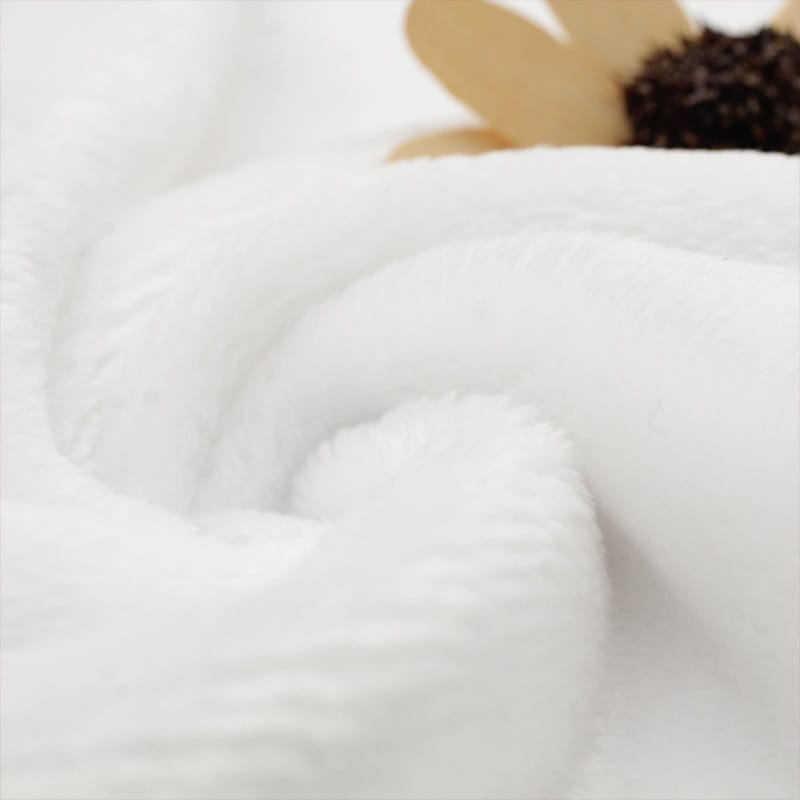
- خفيف الوزن: قمصان، بيجامة.
- متوسط الوزن: الفراش والمنسوجات المنزلية غير الرسمية.
- الوزن الثقيل: الملابس الخارجية والبطانيات.
الانتهاء من السطح ومستوى الفرشاة
- فرشاة واحدة: نعومة معتدلة.
- فرشاة مزدوجة: أقصى قدر من الزغب والعزل.
النمط والخيارات الجمالية
- منقوشة كلاسيكية: اختيار الموضة الأيقونية.
- مطبوعات صلبة أو دقيقة: مفضلة في التصميمات الداخلية للمنزل الحديث.
- أنماط ثلاثية الأبعاد أو مثقوبة: تعزز الجاذبية البصرية والصوتية في المنسوجات المنزلية.
التكلفة وعائد الاستثمار والقيمة طويلة الأجل
| ميزة | قطن الفانيلا | الفانيلا الصوف | خلطات صناعية |
|---|---|---|---|
| التكلفة الأولية | معتدل | عالي | متوسط |
| عمر | 5 بين 10 سنوات | 15+ سنة | 7-10 سنوات |
| صيانة | منخفض | متوسط | متوسط |
| تردد الاستبدال | نادر | نادر | متكرر |
| عائد الاستثمار (5 سنوات) | عالي | عالي جدا | متوسط |
رأي الخبراء: سارة ميتشل، مستشارة النسيج:
“الاستثمار في الصوف أو الفانيلا القطنية عالية الجودة يؤتي ثماره من حيث المتانة والراحة والاستدامة على المدى الطويل، مما يجعله فعالاً من حيث التكلفة على الرغم من ارتفاع التكاليف الأولية.”
الجمع بين الفانيلا والأقمشة الأخرى
- غالبًا ما يجمع المصممون بين الفانيلا والصوف لتعزيز النعومة والعزل.
- يمكن لطبقات الفانيلا مع البوبلين القطني الحفاظ على الهيكل مع توفير الدفء.
- تعمل هذه الأساليب الهجينة على تحسين الأداء لتطبيقات محددة مثل الفراش أو الملابس الخارجية.
خاتمة
أقمشة الفانيلا تمثل التوازن المثالي بين الراحة والدفء والتنوع. من خلال فهم عمليات التركيب والنسيج والتنظيف والتشطيب، يمكنك اتخاذ خيارات مستنيرة للملابس والفراش والمنسوجات المنزلية. بالمقارنة مع الأقمشة الناعمة الأخرى، تتفوق الفانيلا في الأداء طويل المدى والجاذبية الجمالية والراحة اللمسية، مما يجعلها الخيار الأفضل للمستهلكين والمصممين وعشاق النسيج.
سواء بالنسبة للملابس الشتوية أو الفراش المريح أو الديكور المنزلي الأنيق، توفر أقمشة الفانيلا نعومة ودفء وجاذبية بصرية لا مثيل لها، وهي حقًا نسيج كلاسيكي ذو أهمية حديثة.
الأسئلة الشائعة
ما الفرق بين القطن والفانيلا الصوفية؟
الفانيلا القطنية ناعمة وجيدة التهوية، ومثالية للارتداء اليومي والفراش. الفانيلا الصوفية دافئة ومرنة وتدوم طويلاً، ومثالية للبدلات والمعاطف.
هل يمكن لأقمشة الفانيلا أن تتقلص؟
نعم، وخاصة الفانيلا القطنية. اتبع دائمًا تعليمات الغسيل وتجنب التجفيف بالحرارة العالية.
هل الفانيلا مناسبة للمناخات الحارة؟
تعمل الفانيلا خفيفة الوزن في الأمسيات الباردة، لكن الفانيلا السميكة هي الأفضل للظروف الباردة.
كم من الوقت تدوم أقمشة الفانيلا؟
الفانيلا القطنية: 5 سنوات و10 سنوات؛ الفانيلا الصوفية: 15+ سنة مع العناية المناسبة.
هل أقمشة الفانيلا صديقة للبيئة؟
طبيعي الفانيلا الألياف (القطن والصوف) متجددة وقابلة للتحلل ومنخفضة المركبات العضوية المتطايرة.
هل يمكن دمج الفانيلا مع الأقمشة الأخرى؟
نعم، يمكن أن يؤدي الجمع بين مزيج الفانيلا والصوف أو البوبلين أو البوليستر إلى تعزيز الراحة والمتانة والجاذبية الجمالية.