
مرحبا بكم في مدونتي! يسعدني وجودك هنا!
قبل أن نتعمق في المحتوى، أود أن تنضم إلي على منصات التواصل الاجتماعي الخاصة بي. إنه المكان الذي أشارك فيه رؤى إضافية، وأتواصل مع مجتمعنا المذهل، وأبقيك على اطلاع بآخر الأخبار.
إليك كيف يمكنك البقاء على اتصال:
📘 الفيسبوك: سوتشو Xize شركة تكنولوجيا النسيج المحدودة.
الآن، دعونا نبدأ هذه الرحلة معًا! أتمنى أن تجد المحتوى هنا ليس ثاقبًا فحسب، بل ملهمًا وقيمًا أيضًا. لنبدأ!
جدول المحتويات
مقدمة
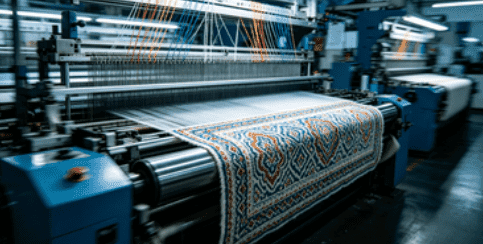
في صناعة النسيج سريعة التطور اليوم،, حياكة السداة واللحمة لعب دور محوري في صناعة الأقمشة الوظيفية والمتينة والجذابة من الناحية الجمالية. مع توقع وصول أسواق الملابس والمنسوجات التقنية العالمية إلى $1.2 تريليون بحلول عام 2027 (تقرير السوق العالمية للنسيج، 2023)، يعد فهم أساليب الحياكة هذه أمرًا بالغ الأهمية للمصممين والمصنعين ومهندسي النسيج الذين يهدفون إلى تحسين أداء القماش ورضا المستهلك.
يتطلب المستهلك الحديث أقمشة ليست مريحة ومرنة فحسب، بل أيضًا مستدامة ومتينة وفعالة من حيث التكلفة. هذا هو المكان الذي التطبيق الاستراتيجي ل حياكة السداة واللحمة يصبح حيويا.
الوجبات الرئيسية لهذا الدليل الشامل
- تعريفات مفصلة ومفاهيم هيكلية لحياكة السداة واللحمة
- الاختلافات والتطبيقات العملية في الملابس والمنسوجات التقنية
- أنواع الخيوط وخصائص المواد واتجاهات الاستدامة
- الآلات الصناعية وتقنيات الإنتاج
- جداول التحليل المقارن للاختيار السريع
- دراسات الحالة وبيانات السوق الداعمة لقرارات التصميم
- توصيات عملية لحلول الأقمشة الهجينة والمتقدمة
- قسم الأسئلة الشائعة الموسع
فهم حياكة السداة واللحمة في علوم النسيج الحديثة
مفهوم السداة والحياكة اللحمة
حياكة السداة واللحمة هما طريقتان أساسيتان في صناعة المنسوجات، حيث توفران العمود الفقري الهيكلي لمجموعة واسعة من الأقمشة. تتميز كل طريقة بخصائص فريدة لا تؤثر فقط على جماليات القماش ولكن أيضًا على أدائه الميكانيكي والوظيفي.
- حياكة اللحمة: في هذه التقنية، تتشابك حلقات الغزل أفقيًا، لتشكل هيكلًا مرنًا ومرنًا. وينتج عن ذلك أقمشة ناعمة ومريحة ومثالية للارتداء اليومي. تشمل التطبيقات القمصان والجوارب والسراويل الضيقة والملابس الرياضية والملابس غير الرسمية. تحظى حياكة اللحمة بشعبية خاصة في أسواق الملابس الاستهلاكية بسبب قدرتها على التكيف مع اتجاهات الموضة وسهولة الصباغة ونسبة التمدد إلى الراحة العالية.
- حياكة الاعوجاج: هنا، تتشابك حلقات الغزل عموديًا، مما ينتج أقمشة ذات ثبات أبعاد أعلى وقوة ميكانيكية. تُستخدم الأقمشة المحبوكة السداة على نطاق واسع في التطبيقات التقنية والصناعية، بما في ذلك الملابس الداخلية والشباك والمنسوجات الأرضية وبطانات السيارات والمنسوجات الطبية والملابس الواقية. تسمح حياكة السداة بالتحكم الدقيق في كثافة الشبكة، مما يجعلها مثالية للأقمشة عالية الأداء التي تتطلب الثبات تحت الضغط.
إن حياكة السداة واللحمة ليست مجرد تقنيات بديلة فهي تكمل بعضها البعض. إن فهم كلتا الطريقتين يسمح لمهندسي النسيج باختيار أنواع الحياكة بشكل استراتيجي لتحسين أداء القماش عبر التمدد والمتانة والتهوية وإدارة الرطوبة.
الاختلافات الهيكلية في لمحة
- تشكيل الحلقة: تعمل حلقات اللحمة بشكل عمودي على طول القماش؛ حلقات السداة تتماشى بالتوازي.
- مرونة: تمتد أقمشة اللحمة بسهولة عبر العرض؛ تحافظ الأقمشة الملتوية على شكلها مع تمدد محدود.
- آلات الإنتاج: تستخدم اللحمة آلات دائرية ومسطحة؛ يستخدم السداة آلات التريكو والراشيل.
لماذا يعتبر كلا النوعين من الحياكة ضروريين
إن الجمع بين المعرفة بحياكة السداة واللحمة يمكّن محترفي النسيج من تصميم الأقمشة التي توازن بين المتطلبات الوظيفية المتعددة
- التمدد والتعافي: توفر حياكة اللحمة مرونة فائقة، بينما تضمن حياكة السداة الدعم الهيكلي، مما يقلل التشوه في مناطق الضغط.
- المتانة وقوة الشد: توفر الأقمشة المحبوكة السداة مقاومة أعلى للشد، وهو أمر بالغ الأهمية في المنسوجات الأرضية وشبكات الأمان والتطبيقات الصناعية.
- التهوية وإدارة الرطوبة: من خلال الجمع بين أنماط السداة ذات النسيج المفتوح وألواح اللحمة المرنة، يمكن للأقمشة الهجينة تحسين تدفق الهواء والامتصاص، مما يجعلها مثالية للملابس الرياضية عالية الأداء.
- متطلبات الأداء الصناعي: تعتمد المنسوجات التقنية مثل سيور النقل والشاش الطبي وأقمشة الترشيح بشكل كبير على حياكة السداة لتحقيق الدقة والثبات الميكانيكي.
حياكة السداة واللحمة: المعايير الفنية والرؤى العالمية
معايير النسيج في الحياكة
إن الالتزام بمعايير المنسوجات الدولية يضمن الاتساق والجودة والسلامة، خاصة بالنسبة للأقمشة المستخدمة في التطبيقات الطبية أو الصناعية أو الوقائية. تشمل المعايير الرئيسية ما يلي:
- ايزو 105-C06: يقيس ثبات اللون للغسيل المنزلي والتجاري؛ حرجة للملابس والمنسوجات المنزلية.
- ايزو 139: يحدد استطالة النسيج وخصائص الشد؛ تستخدم للتحقق من قوة ومرونة حياكة السداة واللحمة.
- أستم D1388: طريقة الاختبار القياسية لصلابة القماش؛ ضروري للملابس المريحة والمفروشات والمنسوجات التقنية.
- إن 14971: إدارة المخاطر للمنسوجات التقنية؛ يضمن أن الأقمشة المحبوكة السداة واللحمة المستخدمة في معدات السلامة تلبي متطلبات الامتثال الصناعي.
إن اعتماد هذه المعايير يساعد الشركات المصنعة على تقليل عيوب الإنتاج وتحسين ثقة المستهلك. على سبيل المثال، يحتاج منتجو المنسوجات الأرضية الأوروبيون إلى الامتثال للمعيار ISO 139 لضمان أداء الشد تحت ضغوط البناء.
الخلفية العلمية حول كفاءة الحياكة
الدراسات المنشورة في مجلة علوم النسيج (2022) عرض:
- يمكن للأقمشة التقنية المحبوكة السداة أن تتحمل ما يصل إلى 40% من إجهاد شد أعلى من نظيراتها المحبوكة باللحمة.
- توفر الملابس المحبوكة اللحمة 25 بوصة 30% تمدد أعلى، مما يعزز الراحة والملاءمة للملابس.
اتجاهات السوق العالمية
- تهيمن منطقة آسيا والمحيط الهادئ على إنتاج الملابس المحبوكة بسبب التصنيع الفعال من حيث التكلفة.
- تقود أوروبا إنتاج المنسوجات التقنية المحبوكة للتطبيقات الصناعية والطبية.
- يتزايد اعتماد الخيوط الصديقة للبيئة (PLA، الخيزران، البوليستر المعاد تدويره) بسرعة في كلا النوعين من الحياكة.
المكونات الأساسية ل السداة والحياكة اللحمة
أنواع الخيوط وخصائصها
- قطن: النعومة والتهوية؛ شائع في حياكة اللحمة
- البوليستر: المتانة والاحتفاظ بالشكل؛ تستخدم في كلا النوعين من الحياكة
- سباندكس/الإيلاستين: يضيف امتدادًا إلى الملابس المحبوكة باللحمة
- نايلون: القوة ومقاومة التآكل؛ شائع في حياكة السداة
كثافة النسيج ووزنه
- تسمح حياكة السداة بالتحكم الدقيق في الشبكة؛ ضرورية للشباك والمنسوجات الأرضية والأقمشة التقنية
- تدعم حياكة اللحمة سماكة متغيرة؛ مثالي للملابس غير الرسمية والملابس الرياضية والملابس ذات الطبقات
الاستدامة في الحياكة الحديثة
- يتم استخدام الألياف القابلة للتحلل الحيوي مثل PLA والخيزران بشكل متزايد
- تعمل ألياف PET المعاد تدويرها على تعزيز الجاذبية البيئية دون المساس بالأداء
تطبيقات السداة والحياكة اللحمة

الملابس والأزياء
- الأقمشة المحبوكة باللحمة: القمصان، الملابس الرياضية، طماق، الجوارب
- الأقمشة المحبوكة السداة: الملابس الداخلية، الملابس الداخلية، ملابس السباحة
المنسوجات التقنية
- حياكة الاعوجاج: المنسوجات الأرضية، بطانات السيارات، الشبكات الصناعية، المنسوجات الطبية
- حياكة اللحمة: استخدام محدود في الأقمشة الواقية القابلة للتمدد
ملابس رياضية وأداء
تجمع التصميمات الهجينة بين حياكة السداة للدعم وحياكة اللحمة من أجل المرونة والتهوية.
تقنيات الإنتاج في حياكة السداة واللحمة
أنواع الآلات وكفاءتها
- آلات الحياكة الاعوجاج: التريكو، راشيل؛ إنتاج سريع، واستقرار أعلى
- آلات حياكة اللحمة: دائرية، مسطحة؛ أقمشة مرنة وقابلة للتخصيص
سرعة الإنتاج والتكلفة
- حياكة السداة: إنتاج صناعي عالي السرعة؛ تكلفة أولية أعلى قليلاً
- حياكة اللحمة: إنتاج منخفض السرعة؛ تصميم مرن، هدر أقل للمواد للدفعات الصغيرة
دراسات الحالة
دراسة الحالة 1 5 الشركة المصنعة للملابس الرياضية:
- الحياكة الهجينة المنفذة: السداة لثبات حزام الخصر، واللحمة لتمدد الجسم
- نتج عن ذلك توفير 15% في المواد وزيادة 20% في تصنيف راحة المستهلك
دراسة الحالة 2 (منتج المنسوجات الأرضية:
- تحولت إلى حياكة السداة مع خيوط البوليستر المعاد تدويرها
- حقق قوة شد أعلى بمقدار 30% وامتثال ISO
التحليل المقارن: السداة مقابل حياكة اللحمة
| ميزة | حياكة الاعوجاج | حياكة اللحمة |
|---|---|---|
| اتجاه الحلقة | عمودي | أفقي |
| تمتد | معتدل | عالي |
| قوة | عالي | معتدل |
| تطبيقات نموذجية | المنسوجات التقنية والملابس الداخلية والشبكة | القمصان والجوارب والملابس الرياضية |
| نوع الآلة | تريكو، راشيل | مسطحة، دائرية |
| خيارات صديقة للبيئة | البوليستر المعاد تدويره، PLA | خلطات القطن، الخيوط المعاد تدويرها |
| سرعة الإنتاج | عالي | متوسط |
| تكلفة | أعلى | أقل |
رؤى: تعتبر حياكة السداة هي الأفضل للسلامة الهيكلية والإنتاج بكميات كبيرة، بينما تتفوق حياكة اللحمة في الراحة والمرونة ومرونة الموضة.
نصائح عملية لاختيار السداة أو حياكة اللحمة
العوامل التي يجب مراعاتها
- الاستخدام النهائي: الملابس مقابل المنسوجات التقنية
- خصائص النسيج: تمتد، والانتعاش، والمتانة
- حجم الإنتاج: الإنتاج الضخم يفضل الحياكة السداة
- الاستدامة: مطلوب بشكل متزايد الألياف الصديقة للبيئة
نهج النسيج الطبقات
- استخدم حياكة السداة للهيكل الأساسي
- استخدم حياكة اللحمة للألواح القابلة للتمدد
- مثالية للملابس الهجينة والمنسوجات التقنية المتقدمة
مفاهيم النسيج المتقدمة
نظرية الأغشية الحيوية والراحة
- إن فهم سطح الألياف وامتصاص الرطوبة يعزز الأداء
- تعمل الأقمشة المحبوكة باللحمة على تحسين التنظيم الحراري في الملابس الرياضية
آلية النزاهة الهيكلية
- شبكة محبوكة السداة تقاوم التمزق تحت ضغط عالٍ
- مناسبة لمعدات السلامة والمنسوجات الأرضية
خاتمة
يعتمد تطور المنسوجات الحديثة بشكل كبير على التطبيق الذكي للمنسوجات الحديثة حياكة السداة واللحمة. بالفهم:
- الاختلافات الهيكلية
- خصائص المواد
- اتجاهات السوق
- التطبيقات الصناعية والملابس
يمكن للمصممين والمصنعين إنشاء أقمشة توازن بين الراحة والمتانة والأداء والاستدامة.
من القمصان غير الرسمية إلى المنسوجات التقنية المتقدمة، وإتقانها حياكة السداة واللحمة ضروري لإنتاج أقمشة عالية الجودة وذات صلة بالسوق. يكمن مستقبل ابتكار المنسوجات في الاستخدام الهجين لأساليب الحياكة هذه، ودمج الأداء والأسلوب والوعي البيئي.
الأسئلة الشائعة
ما هو الفرق الرئيسي بين حياكة السداة واللحمة?
تعمل حلقات حياكة السداة عموديًا، مما يوفر الاستقرار الهيكلي؛ تعمل حلقات اللحمة أفقيًا، مما يوفر التمدد.
ما هي الطريقة الأفضل للملابس الرياضية؟
توفر حياكة اللحمة بشكل عام تمددًا وراحة وتهوية أفضل.
هل يمكن الجمع بين حياكة السداة واللحمة؟
نعم، تستخدم الأقمشة الهجينة حياكة السداة للدعم وحياكة اللحمة من أجل المرونة.
هل الأقمشة المحبوكة السداة أكثر تكلفة؟
نعم، بسبب الآلات المعقدة وسرعة الإنتاج العالية.
كيف أختار نوع الحياكة المناسب للمنسوجات الصناعية؟
التركيز على المتانة والقوة الهيكلية وكثافة القماش؛ عادة ما يفضل حياكة السداة.