
مرحبا بكم في مدونتي! يسعدني وجودك هنا!
قبل أن نتعمق في المحتوى، أود أن تنضم إلي على منصات التواصل الاجتماعي الخاصة بي. إنه المكان الذي أشارك فيه رؤى إضافية، وأتواصل مع مجتمعنا المذهل، وأبقيك على اطلاع بآخر الأخبار.
إليك كيف يمكنك البقاء على اتصال:
📘 الفيسبوك: سوتشو Xize شركة تكنولوجيا النسيج المحدودة.
الآن، دعونا نبدأ هذه الرحلة معًا! أتمنى أن تجد المحتوى هنا ليس ثاقبًا فحسب، بل ملهمًا وقيمًا أيضًا. لنبدأ!
جدول المحتويات
الوجبات السريعة الرئيسية
- عالمي منتجات المنسوجات المنزلية يواصل السوق نموه القوي حتى عام 2026
- إن ابتكارات النسيج والاستدامة والمنسوجات الذكية واتجاهات التصميم تشكل الطلب على المنتجات
- يبحث المشترون بشكل متزايد عن مواد نسيجية صديقة للبيئة وذات أداء وتقنية
- تعد أمريكا الشمالية وأوروبا وآسيا والمحيط الهادئ مناطق رئيسية ذات أولويات استهلاكية متميزة
- يقدر المستهلكون الملمس والراحة والتصميم إلى جانب المتانة وسهولة العناية
- تتضمن استراتيجيات الشراء الآن الشهادات والاختبار وخيارات التخصيص
- مقارنة تفصيلية للأقمشة الرئيسية بما في ذلك القطن والبوليستر والكتان والخيزران والخلطات
- تتناول الأسئلة الشائعة أسئلة واتجاهات المشتري الشائعة
مقدمة
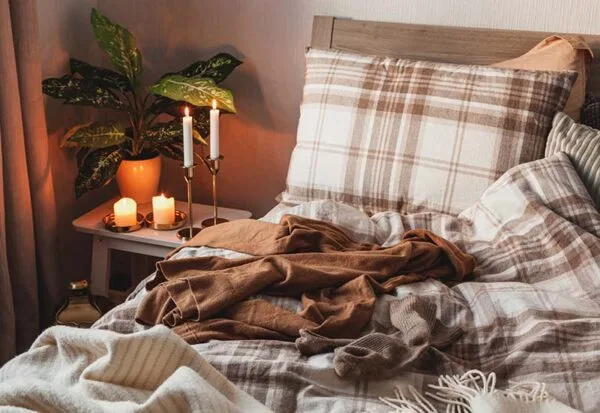
العالمية منتجات المنسوجات المنزلية يدخل السوق مرحلة تحويلية في عام 2026، مدفوعًا بتوقعات المستهلكين المتطورة والمواد النسيجية المبتكرة. لم يعد المشترون والمصنعون يتنافسون على النعومة الأساسية أو اللون وحده. طلب المشترين اليوم المنسوجات المستدامة ومتعددة الوظائف والمعززة بالتكنولوجيا وهذا يتماشى مع الراحة ونمط الحياة والقيم البيئية. يعكس هذا التحول اتجاهًا أوسع في الحياة المنزلية حيث تقوم الأقمشة بأكثر من مجرد الديكور، فهي تعمل على تحسين الحياة اليومية وتعزيز تجربة المستخدم.
في عام 2026، من المتوقع أن يصل سوق المنسوجات المنزلية إلى حجم عالمي تقريبًا 145.151 مليار دولار, ، مع توقعات تظهر استمرار التوسع خلال عام 2030 وما بعده. ويدعم هذا النمو ارتفاع معدلات استكمال المساكن، ونشاط التجديد، وانتشار تجارة التجزئة عبر الإنترنت، والتفضيل المتزايد للمنتجات المتميزة والأخلاقية.
نظرة عامة على السوق: الحجم والنمو والمحركات الرئيسية
نمو السوق العالمية والتوقعات
العالمية منتجات المنسوجات المنزلية السوق يتوسع بشكل مطرد. وفقًا لأبحاث الصناعة، من المتوقع أن يصل حجم السوق في عام 2026 إلى حوالي 151.24 مليار دولار أمريكي, ، ارتفاعًا من ما يقدر بنحو 144.76 مليار دولار أمريكي في عام 2025. ومن المتوقع استمرار النمو خلال العقد المقبل بمعدلات نمو سنوية مركبة قوية (CAGR).
وتهيمن مناطق مثل آسيا والمحيط الهادئ على التصنيع والصادرات، في حين تعد أمريكا الشمالية وأوروبا أسواق استهلاك رئيسية مع التركيز على التصاميم المتميزة والاستدامة.
محركات النمو الرئيسية
هناك عدة عوامل تدفع هذا الطلب
- ارتفاع الدخل المتاح الإنفاق على الوقود على الراحة المنزلية والديكور
- التحضر وتطوير الإسكان زيادة الطلب على الفراش والستائر والمفروشات
- التوسع في التجارة الإلكترونية يسهل على المستهلكين اكتشاف وشراء المنسوجات عبر الإنترنت
- مخاوف الاستدامة ادفع المشترين نحو الأقمشة المعتمدة بيئيًا
- الابتكار التكنولوجي, تضيف المنسوجات الذكية والأقمشة عالية الأداء قيمة مميزة
تظهر هذه الاتجاهات أن المستهلكين أصبحوا متطورين بشكل متزايد، مع اهتمام أكبر بأداء القماش، والتأثير البيئي، والقيمة الجمالية.
اتجاهات النسيج الناشئة في عام 2026
الاستدامة والأقمشة الصديقة للبيئة
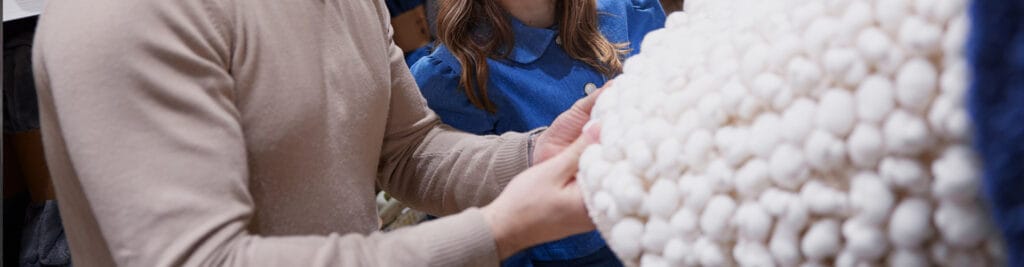
لم تعد الاستدامة كلمة طنانة، بل أصبحت متطلبًا للمشتريات. يعتبر حوالي 58% من المستهلكين العالميين شهادات صديقة للبيئة عند شراء المنسوجات المنزلية.
تشمل اتجاهات النسيج المستدام ما يلي:
- القطن العضوي مع تأثير كيميائي أقل
- البوليستر المعاد تدويره تقليل استخدام النفايات والطاقة
- ألياف طبيعية مثل الكتان والخيزران لفوائد مضادة للحساسية وقابلة للتحلل
تؤثر الشهادات البيئية مثل GOTS وOEKO-TEX وFSC بشكل متزايد في قرارات المشترين.
الأقمشة الذكية والعملية
يتم دمج منسوجات الأداء في المنتجات المنزلية لإضافة قيمة تتجاوز الجماليات. تشمل الأمثلة:
- الأقمشة المضادة للميكروبات مثالية للفراش وبياضات الحمام
- المنسوجات المنظمة لدرجة الحرارة للراحة في مناخات مختلفة
- مواد ماصة للرطوبة وقابلة للتنفس لأوراق الأداء والألحفة
يتزايد الطلب على هذه الأقمشة مع تركيز المستهلكين بشكل أكبر على الصحة والراحة.
الملمس والشعور المسألة
في عام 2026، يعد الملمس عامل شراء قوي. يبحث المستهلكون بشكل متزايد عن الأقمشة التي تحتوي على ملمس ناعم وملموس وخصائص مريحة. على سبيل المثال، الكتان المغسول والقطن المصقول رائجان لإحساسهما المريح والمتميز في الفراش والستائر.
الألياف الأساسية في منتجات المنسوجات المنزلية
القطن: أساس الراحة
يظل القطن العمود الفقري لصناعة النسيج المنزلي بسبب نعومته وتهويته وتعدد استخداماته. تظهر الأسواق أن القطن يمثل حصة كبيرة من المنسوجات المنزلية، غالبًا 56 thor60% أو أكثر.
لماذا يفضل القطن
- مريحة وجيدة التهوية
- مناسبة للفراش والمناشف والستائر الكاجوال
- سهل الصبغ والتخصيص
تعتبر خلطات القطن (على سبيل المثال، القطن والبوليستر) شائعة لتعزيز المتانة دون التضحية بالراحة.
بوليستر: قوية وبأسعار معقولة ومتعددة الاستخدامات
يعد البوليستر أحد الألياف الأكثر استخدامًا على نطاق واسع في المنسوجات المنزلية لأنه يوفر المتانة والاحتفاظ بالألوان وفعالية التكلفة. غالبًا ما تشكل غالبية إنتاج الألياف الاصطناعية على مستوى العالم.
نقاط قوة البوليستر
- متانة عالية وعناية سهلة
- مقاومة للبهتان وشكل ثابت
- مثالية للتنجيد والفراش الاقتصادي
ومع ذلك، يقوم المشترون بموازنة نقاط القوة هذه مع مخاوف الاستدامة، خاصة فيما يتعلق بالإنتاج المعتمد على الوقود الأحفوري.
الكتان: طبيعي وجيد التهوية
يتم تقدير الكتان لملمسه المتميز وخصائص التبريد. الكتان المغسول، على وجه الخصوص، أصبح رائجًا باعتباره نسيج العام لعام 2026، حيث يجمع بين المظهر المريح والدفء اللمسي.
الخيزران والألياف الطبيعية الأخرى
يكتسب نسيج الخيزران قوة جذب، خاصة في الفراش والمناشف، نظرًا لخصائصه المضادة للبكتيريا والممتصة للرطوبة. على الرغم من أنها صديقة للبيئة، يجب على المشترين التحقق من عمليات التصنيع لضمان الاستدامة.
خلطات القماش: أفضل ما في العوالم المتعددة
تجمع الألياف المخلوطة بين نقاط القوة مثل الراحة والمتانة والأداء. على سبيل المثال، تُستخدم خلطات القطن والبوليستر على نطاق واسع في الفراش والمفروشات اليومية.
مقارنة النسيج: ما هو الأفضل لأي منتج
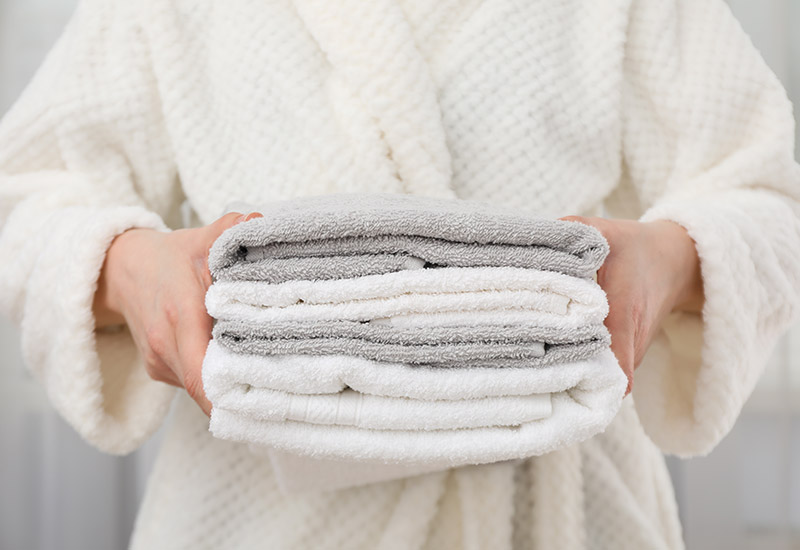
مقارنة نسيج الفراش
يعتمد اختيار القماش للفراش على الراحة المطلوبة والمناخ والسعر.
| قماش | الميزات الرئيسية | أفضل استخدام | السعر النموذجي |
|---|---|---|---|
| قطن | ناعمة وجيدة التهوية | الملاءات وأغطية الوسائد | متوسط |
| الكتان | التبريد، محكم | فراش ممتاز | عالي |
| بوليستر | متينة وسهلة العناية | مجموعات الميزانية | منخفض |
| الخيزران | ماصة للرطوبة | المناشف والملاءات | متوسطة إلى عالية |
| مزيج القطن | راحة متوازنة | الفراش اليومي | متوسط |
مقارنة الستائر والأقمشة
تتطلب الستائر أقمشة ذات ثنى جيد وثبات في اللون.
| قماش | أفضل ميزة | الاستخدام المثالي |
|---|---|---|
| قطن | مظهر طبيعي | الستائر اليومية |
| الكتان | ملمس أنيق | ستائر متميزة |
| بوليستر | مقاومة للبهتان | الاستخدام على المدى الطويل |
| يمزج | مزيج القيمة | ستائر عامة |
مقارنة نسيج التنجيد
يجب أن تتعامل أقمشة التنجيد مع التآكل.
| قماش | قوة | صيانة |
|---|---|---|
| بوليستر | عالي | سهل |
| مزيج القطن | متوسط | معتدل |
| الكتان | متوسط | رعاية أعلى |
| خلطات متخصصة (على سبيل المثال، أكريليك) | أداء عالي | سهل |
لماذا يعد اختيار القماش مهمًا في منتجات المنسوجات المنزلية
يؤثر القماش على الراحة وتجربة المستخدم
يمكن أن يؤدي سوء اختيار القماش إلى عدم الراحة والملمس الخشن وخافضات التآكل السريعة التي تؤثر سلبًا على رضا العملاء.
يؤثر القماش على المتانة وطول العمر
جودة عالية ألياف ويمكن للمزيج أن يطيل عمر المنتج، مما يقلل من تكرار الاستبدال ويعزز إدراك القيمة.
وظائف تأثيرات النسيج
تضيف الأقمشة الذكية وظائف مثل التحكم في الرطوبة والأداء المضاد للميكروبات، والتي يرغب فيها المشترون المتميزون بشكل متزايد.
يحدد النسيج السعر وتحديد موقع السوق
تتطلب الألياف الطبيعية الفاخرة أسعارًا أعلى، بينما تستهدف المواد الاصطناعية غالبًا قطاعات الميزانية. يمكن لخط الإنتاج المتنوع أن يستحوذ على قطاعات متعددة من المشترين.
محركات السوق الخاصة بعام 2026
الاستدامة في المقدمة
ويطالب المستهلكون والمنظمون على حد سواء بمواد صديقة للبيئة. ما يقرب من 58% من المشترين يأخذون في الاعتبار الاستدامة عند اختيار منتجات المنسوجات المنزلية.
تجديد المنزل والإنفاق على الديكور
لا يزال تجديد المنازل محركًا رئيسيًا للطلب على المنسوجات. تؤدي زيادة استكمال المساكن والتحديثات الداخلية إلى زيادة الطلب المستمر على منسوجات الفراش والمفروشات والديكور.
التجارة الإلكترونية وتنويع القنوات
تمثل القنوات عبر الإنترنت الآن جزءًا كبيرًا من مبيعات المنسوجات المنزلية، مما يوفر وصولاً أوسع واكتشافًا أسرع للمنتجات. يستخدم المشترون المنصات الرقمية لمقارنة الأقمشة والسمات مباشرة.
التفضيل والتخصيص
المستهلكون على استعداد لدفع المزيد مقابل التصميمات المتميزة والمنتجات المخصصة. يتم البحث بشكل متزايد عن الأقمشة ذات العلامات التجارية الخاصة وتصنيع المعدات الأصلية التي تلبي ملخصات التصميم الفريدة من قبل تجار التجزئة.
رؤى السوق الإقليمية
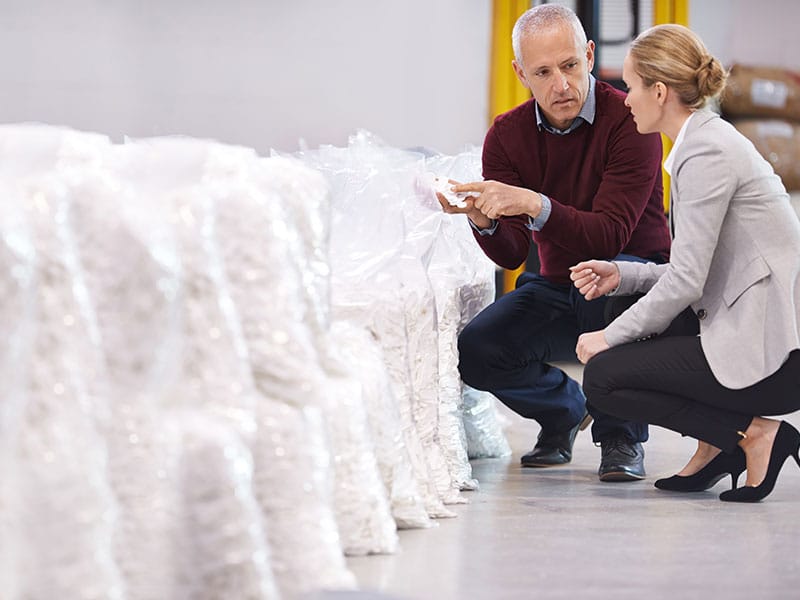
آسيا والمحيط الهادئ: مركز الإنتاج والنمو
تواصل منطقة آسيا والمحيط الهادئ الريادة في إنتاج وتصدير منتجات المنسوجات المنزلية، وذلك بفضل مجموعات التصنيع وسلاسل التوريد المتكاملة.
أمريكا الشمالية: متميزة وتركز على البيئة
تُظهر أمريكا الشمالية طلبًا قويًا على الأقمشة الفاخرة والمستدامة، مع تزايد الاهتمام بإمكانية التتبع والعلامات البيئية.
أوروبا: الاستدامة والتنظيم
يؤكد المشترون الأوروبيون على الاستدامة والجودة والامتثال التنظيمي، وغالبًا ما يسعون للحصول على شهادات عضوية ومواد معاد تدويرها.
استراتيجيات الشراء لمشتري المنسوجات المنزلية
إعطاء الأولوية للشهادة والاختبار
يجب على المشترين طلب شهادات OEKO-TEX وGOTS وغيرها من الشهادات ذات الصلة لضمان سلامة القماش والامتثال له. يعد الاختبار المعملي لثبات اللون ومقاومة التآكل والانكماش أمرًا ضروريًا.
فكر في شراكات الموردين طويلة الأمد
الموردين المستقرين مع الجودة المتسقة وموثوقية التسليم يقللون من المخاطر. غالبًا ما يقوم المشترون بتقييم معايير متعددة بما في ذلك القدرة الإنتاجية وأنظمة الجودة وخيارات التخصيص.
تكلفة الرصيد مع القيمة
في حين أن الأقمشة ذات الميزانية المحدودة مهمة، فإن الاستثمار في المنسوجات المتميزة والأداء يمكن أن يؤدي إلى هوامش أعلى وتميز في العلامة التجارية.
الاستفادة من التخصيص وخدمات العلامات الخاصة
تسمح خدمات تصنيع المعدات الأصلية/تصنيع التصميم الشخصي للمشترين بتصميم منتجات حصرية، والتي يمكن أن تحسن الولاء للعلامة التجارية والقدرة التنافسية في السوق.
سلوك المستهلك وتفضيلات التصميم
الملمس والشعور يهمان أكثر
يختار المستهلكون الأقمشة بشكل متزايد بناءً على الملمس والملمس. تعتبر يد القماش ونعومته وتجربته اللمسية من عوامل الشراء الرئيسية.
تعكس اتجاهات التصميم التحولات في نمط الحياة
أصبحت التصميمات البسيطة والألوان الطبيعية والأنسجة ذات الطبقات رائجة في عام 2026. يقوم المصممون بدمج الكتان المغسول واللوحات المحايدة والمنسوجات متعددة الاستخدامات لتتماشى مع الجماليات المعاصرة.
الوظيفة متوقعة الآن
لم يعد المشترون يرون الوظيفة اختيارية. يتم البحث عن مقاومة البقع والخصائص الخالية من التجاعيد وتنظيم درجة الحرارة في منتجات المنسوجات المنزلية اليومية.
آراء خبراء الصناعة
الاستدامة كمتطلب أساسي
وفقًا لخبراء استدامة المنسوجات، فإن أكثر من 40% من الشركات المصنعة تعطي الأولوية الآن للشهادات البيئية وبرامج التتبع. وهذا يعكس تزايد ضغوط المستهلكين والمعايير التنظيمية.
المنسوجات الذكية توسع حالات الاستخدام
ويشير محللو الصناعة إلى أنه من المتوقع أن تنمو المنسوجات الذكية ذات خصائص التحكم في مضادات الميكروبات والرطوبة بشكل ملحوظ في عام 2026، خاصة في أغطية الفراش والحمامات.
المقارنة: خيارات النسيج التقليدية مقابل المبتكرة
الأقمشة التقليدية
لطالما كانت الأقمشة التقليدية مثل القطن الخالص والبوليستر من العناصر الأساسية بسبب الراحة والقدرة على تحمل التكاليف. فهي تهيمن على حجم المبيعات، حيث يمثل القطن في كثير من الأحيان أكثر من نصف المواد النسيجية المنزلية.
الأقمشة المبتكرة
تكتسب الألياف المبتكرة مثل البوليستر عالي الأداء، والمزيج المعاد تدويره، والمنسوجات الذكية حصة لأنها توفر قيمة مضافة. تحظى هذه الأقمشة بشعبية خاصة في القطاعات المتميزة وبين المستهلكين المهتمين بالبيئة.
منتجات المنسوجات المنزلية اتجاهات 2026 1 جدول مرجعي سريع
| اتجاه | وصف | صلة المشتري |
|---|---|---|
| الاستدامة | المواد البيئية والمعتمدة | عالي |
| المنسوجات الذكية | أقمشة وظيفية للصحة/الراحة | تزايد |
| أقمشة الأداء | مقاومة للبقع، رعاية سهلة | التيار السائد |
| تخصيص | تصنيع المعدات الأصلية/علامة خاصة | الأسواق المتميزة |
| نمو التجارة الإلكترونية | قنوات البيع بالتجزئة الرقمية | عالي |
| التركيز الملمس | ملمس ومظهر النسيج | اختيار المستهلك |
خاتمة
ال منتجات المنسوجات المنزلية السوق في عام 2026 نابض بالحياة ومتوسع. بالنسبة للمشترين، فإن التركيز على ابتكار الأقمشة والاستدامة واتجاهات التصميم سيميز المنتجات الناجحة. إن فهم تفضيلات المستهلك، مثل القوام الناعم والمواد المستدامة والوظائف الذكية، يساعد المشترين على اختيار المنتجات التي تتوافق مع الطلب المستقبلي. تضمن المشتريات الإستراتيجية، بما في ذلك إعطاء الأولوية للشهادات وجودة الموردين، وضعًا تنافسيًا في سوق مدفوع بالراحة والأداء والوعي البيئي.
الأسئلة الشائعة
ما الذي يدفع نمو منتجات المنسوجات المنزلية في عام 2026؟
ويتغذى النمو على ارتفاع إنفاق الأسر على التجديد، والطلب على الاستدامة، وتوسيع نطاق الوصول إلى التجارة الإلكترونية، مما يسمح بمقارنة وشراء منتجات المنسوجات المنزلية بشكل أسهل.
ما هو القماش المتوقع أن يكون الأكثر شعبية في عام 2026؟
من المتوقع أن يظل مزيج القطن والقطن هو المهيمن بسبب الراحة وتعدد الاستخدامات، في حين تكتسب الأقمشة المستدامة والأداء حصة في السوق.
هل أصبحت المنسوجات الذكية سائدة في المنسوجات المنزلية?
نعم. يتوسع استخدام المنسوجات الذكية إلى ما هو أبعد من التطبيقات المتخصصة في الفراش وتنجيد الأداء، مما يجذب المشترين الذين يركزون على الصحة والراحة.
كيف ينبغي للمشترين تقييم الموردين؟
يجب على المشترين تقييم الشهادات وتقارير الاختبار والقدرة الإنتاجية وقدرات التخصيص واستجابة الاتصالات لضمان الجودة والموثوقية.
هل الاستدامة مجرد اتجاه أم تحول طويل الأمد؟
الاستدامة هي محرك السوق على المدى الطويل. تعطي معظم الأسواق الرئيسية الآن الأولوية للأقمشة المعتمدة بيئيًا، وإمكانية التتبع، وتقليل التأثير البيئي.