
¡Bienvenidos a Mi Blog! ¡Estoy encantado de tenerte aquí!
Antes de sumergirnos en el contenido, me encantaría que te unieras a mí en mis plataformas de redes sociales. Es donde comparto ideas adicionales, me conecto con nuestra increíble comunidad y te mantengo actualizado sobre las últimas noticias.
Así es como puedes mantenerte conectado:
📘 Facebook: Suzhou Xize Tecnología Textil Co., ltd.
¡Ahora embarquémonos juntos en este viaje! Espero que el contenido aquí no sólo te resulte revelador sino también inspirador y valioso. ¡Empezemos!
Tabla de contenidos
Conclusiones clave
- Global productos textiles para el hogar el mercado continúa con un fuerte crecimiento en 2026
- Las innovaciones en telas, la sostenibilidad, los textiles inteligentes y las tendencias de diseño dan forma a la demanda de productos
- Los compradores buscan cada vez más materiales textiles ecológicos, de alto rendimiento y tecnológicos
- América del Norte, Europa y Asia-Pacífico son regiones clave con distintas prioridades de consumo
- Los consumidores valoran la textura, la comodidad y el diseño junto con la durabilidad y el fácil cuidado
- Las estrategias de adquisiciones ahora incluyen certificaciones, pruebas y opciones de personalización
- Comparación detallada de tejidos clave, incluidos algodón, poliéster, lino, bambú y mezclas
- Las preguntas frecuentes abordan preguntas y tendencias comunes de los compradores
Introducción
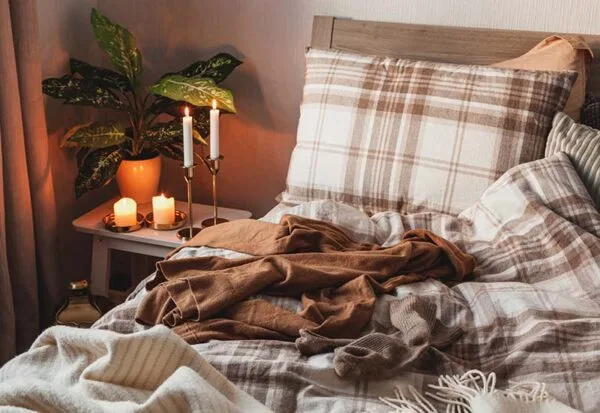
El global productos textiles para el hogar el mercado está entrando en una fase de transformación en 2026, impulsado por la evolución de las expectativas de los consumidores y los materiales textiles innovadores. Los compradores y fabricantes ya no compiten únicamente por la suavidad básica o el color. Los compradores de hoy exigen textiles sostenibles, multifuncionales y mejorados con tecnología eso se alinea con la comodidad, el estilo de vida y los valores ambientales. Este cambio refleja una tendencia más amplia en la vida hogareña, donde las telas hacen más que decorar, mejoran la vida diaria y mejoran la experiencia del usuario.
Se estima que en 2026 el mercado textil para el hogar alcanzará un tamaño global de aproximadamente USD 145-151 mil millones, con pronósticos que muestran una expansión continua hasta 2030 y más allá. Este crecimiento está impulsado por el aumento de las terminaciones de viviendas, la actividad de renovación, la penetración minorista en línea y una creciente preferencia por productos éticos y premium.
Descripción general del mercado: tamaño, crecimiento e impulsores clave
Crecimiento y pronóstico del mercado global
El global productos textiles para el hogar el mercado se está expandiendo constantemente. Según una investigación de la industria, se prevé que el tamaño del mercado en 2026 alcance aproximadamente 151,24 mil millones de dólares, frente a los 144.760 millones de dólares estimados en 2025. Se espera un crecimiento continuo durante la próxima década con fuertes tasas de crecimiento anual compuestas (CAGR).
Regiones como Asia-Pacífico dominan la manufactura y las exportaciones, mientras que América del Norte y Europa son importantes mercados de consumo con énfasis en diseños premium y sostenibilidad.
Impulsores clave del crecimiento
Varios factores están impulsando esta demanda:
- Creșterea veniturilor disponibile gasto en combustible en confort y decoración del hogar
- Urbanización y desarrollo habitacional impulsar la demanda de ropa de cama, cortinas y tapizados
- Expansión del comercio electrónico facilita a los consumidores descubrir y comprar textiles online
- Preocupaciones por la sostenibilidad impulsar a los compradores hacia tejidos con certificación ecológica
- Innovación tecnológica, como los textiles inteligentes y los tejidos de alto rendimiento, añaden un valor diferenciador
Estas tendencias muestran que los consumidores son cada vez más sofisticados, con mayor interés en el rendimiento de los tejidos, el impacto ambiental y el valor estético.
Tendencias emergentes de tejidos en 2026
Sostenibilidad y Tejidos Ecológicos
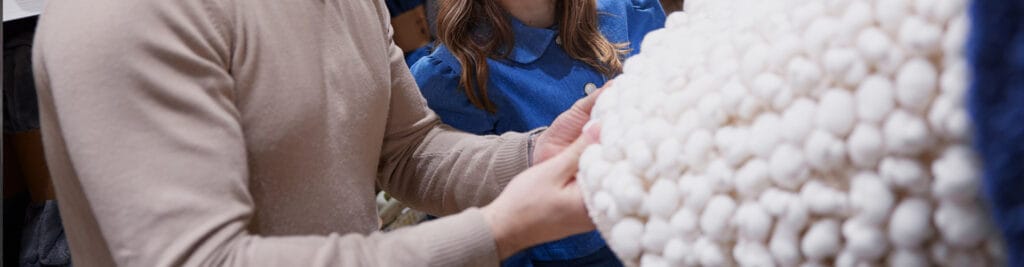
La sostenibilidad ya no es una palabra de moda. Es un requisito de adquisición. Alrededor del 58% de los consumidores globales consideran certificaciones ecológicas al comprar textiles para el hogar.
Las tendencias de tejidos sostenibles incluyen:
- Algodón orgánico con menor impacto químico
- Poliéster reciclado reducir el desperdicio y el uso de energía
- Fibras naturales como el lino y el bambú para obtener beneficios hipoalergénicos y biodegradables
Las certificaciones ecológicas como GOTS, OEKO-TEX y FSC son cada vez más influyentes en las decisiones de los compradores.
Tejidos inteligentes y funcionales
Los textiles de alto rendimiento se están integrando en productos para el hogar para agregar valor más allá de la estética. Los ejemplos incluyen:
- Tejidos antimicrobianos ideal para ropa de cama y ropa de baño
- Textiles reguladores de temperatura para mayor comodidad en diferentes climas
- Materiales hidratantes y transpirables para hojas de rendimiento y edredones
La demanda de estos tejidos está aumentando a medida que los consumidores se centran más en la salud y la comodidad.
Textura y sensación
En 2026, la textura es un fuerte factor de compra. Los consumidores buscan cada vez más tejidos que tengan un sensación suave y táctil y características acogedoras. Por ejemplo, el lino lavado y el algodón cepillado son tendencia por su sensación relajada pero premium en ropa de cama y cortinas.
Fibras centrales en productos textiles para el hogar
Algodón: la base del confort
El algodón sigue siendo la columna vertebral de la industria textil para el hogar debido a su suavidad, transpirabilidad y versatilidad. Los mercados muestran que el algodón representa una gran proporción de los textiles para el hogar, a menudo 56-60% o más.
Por qué se prefiere el algodón
- Cómodo y transpirable
- Apto para ropa de cama, toallas y cortinas informales
- Fácil de teñir y personalizar
Las mezclas de algodón (p. ej., algodón-poliéster) son comunes para mejorar la durabilidad sin sacrificar la comodidad.
Poliéster: Fuerte, asequible y versátil
El poliéster es una de las fibras más utilizadas en los textiles para el hogar porque ofrece durabilidad, retención de color y rentabilidad. A menudo constituye la mayor parte de la producción de fibras sintéticas a nivel mundial.
Resistencias del poliéster
- Alta durabilidad y fácil cuidado
- Resistente a la decoloración y estable a la forma
- Ideal para tapicería y ropa de cama económica
Sin embargo, los compradores están equilibrando estas fortalezas con preocupaciones de sostenibilidad, especialmente en lo que respecta a la producción basada en combustibles fósiles.
Lino: Natural y Transpirable
El lino es valorado por su tacto premium y sus propiedades refrescantes. El lino lavado, en particular, es tendencia como textura del año 2026, combinando una apariencia relajada con calidez táctil.
Bambú y otras fibras naturales
La tela de bambú está ganando terreno, especialmente en ropa de cama y toallas, debido a sus propiedades antibacterianas y absorbentes de humedad. Si bien es ecológico, los compradores deben verificar los procesos de fabricación para garantizar la sostenibilidad.
Mezclas de telas: lo mejor de múltiples mundos
Las fibras mezcladas combinan fortalezas como comodidad, durabilidad y rendimiento. Por ejemplo, las mezclas de algodón y poliéster se utilizan ampliamente en ropa de cama y tapicería cotidianas.
Comparación de telas: qué funciona mejor para qué producto
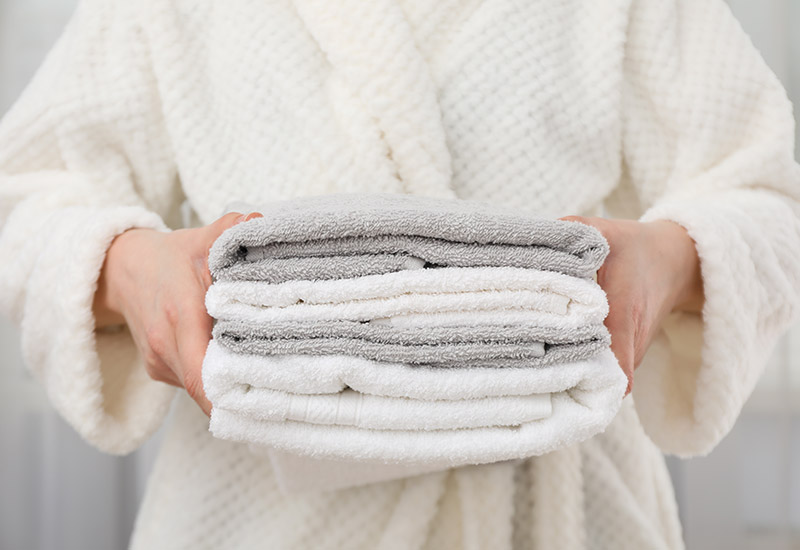
Comparación de telas de cama
La elección del tejido para la ropa de cama depende del confort, el clima y el precio deseados.
| Tela | Características clave | Mejor uso | Precio típico |
|---|---|---|---|
| Algodón | Suave, transpirable | Sábanas, fundas de almohada | Medio |
| Lino | Enfriamiento, texturizado | Ropa de cama premium | Alto |
| Poliéster | Durable, fácil cuidado | Conjuntos presupuestarios | Bajo |
| Bambú | Absorbe la humedad | Toallas, sábanas | Medio a alto |
| Mezcla de algodón | Comodidad equilibrada | Ropa de cama de uso diario | Medio |
Comparación de telas para cortinas y cortinas
Las cortinas requieren telas con buena solidez del color y la solidez del color.
| Tela | Mejor característica | Uso ideal |
|---|---|---|
| Algodón | Aspecto natural | Cortinas cotidianas |
| Lino | Textura elegante | Cortinas premium |
| Poliéster | Resistente a la decoloración | Uso a largo plazo |
| Mezclas | Combinación de valores | Cortinas generales |
Comparación de telas de tapicería
Los tejidos de tapicería deben soportar el desgaste.
| Tela | Fuerza | Mantenimiento |
|---|---|---|
| Poliéster | Alto | Fácil |
| Mezcla de algodón | Medio | Moderado |
| Lino | Medio | Cuidados superiores |
| Mezclas especiales (p. ej., acrílico) | Alto rendimiento | Fácil |
Por qué es importante elegir la tela en los productos textiles para el hogar
La tela afecta la comodidad y la experiencia del usuario
Una mala elección de la tela puede provocar molestias, textura áspera y desgaste rápido, factores que afectan negativamente la satisfacción del cliente.
La tela impacta la durabilidad y la longevidad
Alta calidad fibras y las mezclas pueden prolongar la vida útil del producto, reduciendo la frecuencia de reemplazo y aumentando la percepción del valor.
La tela influye en la funcionalidad
Los tejidos inteligentes añaden funcionalidades como control de la humedad y rendimiento antimicrobiano, que son cada vez más deseadas por los compradores premium.
La tela determina el precio y el posicionamiento en el mercado
Las fibras naturales de lujo alcanzan precios más altos, mientras que las sintéticas suelen apuntar a segmentos económicos. Una línea de productos diversificada puede capturar múltiples segmentos de compradores.
Impulsores del mercado específicos para 2026
Sostenibilidad a la vanguardia
Tanto los consumidores como los reguladores están presionando por materiales ecológicos. Aproximadamente 58% de compradores consideran la sostenibilidad al elegir productos textiles para el hogar.
Renovación de viviendas y gasto de decoración
La renovación de viviendas sigue siendo un motor importante para la demanda textil. El aumento de las terminaciones de viviendas y las actualizaciones interiores impulsan una demanda constante de ropa de cama, tapicería y textiles decorativos.
Comercio electrónico y diversificación de canales
Los canales en línea representan ahora una parte importante de las ventas de textiles para el hogar, ofreciendo un acceso más amplio y un descubrimiento de productos más rápido. Los compradores utilizan plataformas digitales para comparar telas y atributos directamente.
Premiumización y Personalización
Los consumidores están dispuestos a pagar más por diseños premium y productos personalizados. Los minoristas buscan cada vez más telas de marca privada y OEM que cumplan con calzoncillos de diseño únicos.
Perspectivas del mercado regional
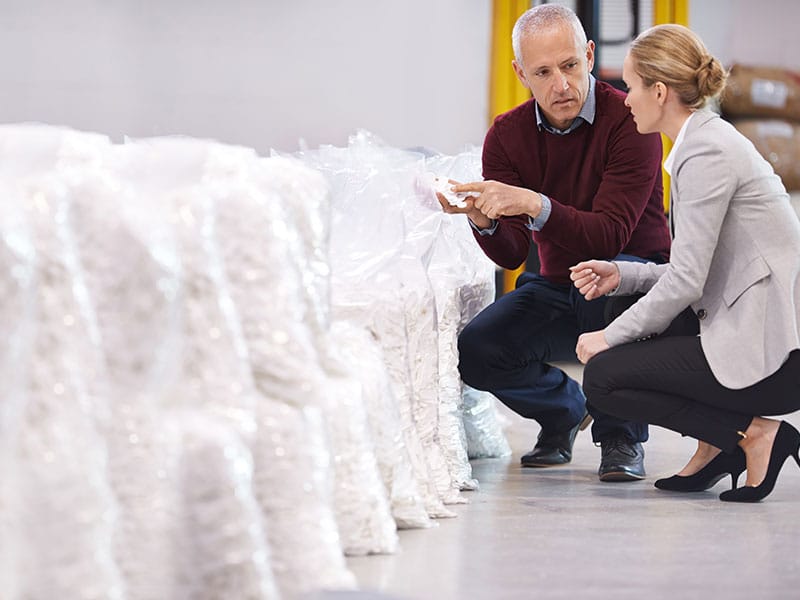
Asia-Pacífico: centro de producción y crecimiento
Asia-Pacífico continúa liderando la producción y exportación de productos textiles para el hogar, gracias a los clusters de fabricación y las cadenas de suministro integradas.
Norteamérica: Premium y Eco Focused
América del Norte muestra una fuerte demanda de tejidos premium y sostenibles, con un interés creciente en la trazabilidad y las etiquetas ecológicas.
Europa: Sostenibilidad y Regulación
Los compradores europeos enfatizan la sostenibilidad, la calidad y el cumplimiento normativo, y a menudo buscan certificaciones orgánicas y materiales reciclados.
Estrategias de Adquisición para Compradores de Textiles para el Hogar
Priorizar la certificación y las pruebas
Los compradores deben exigir OEKO-TEX, GOTS y otras certificaciones relevantes para garantizar la seguridad y el cumplimiento de la tela. Las pruebas de laboratorio para determinar la solidez del color, la resistencia a la abrasión y la contracción son esenciales.
Considere asociaciones con proveedores a largo plazo
Los proveedores estables con calidad constante y confiabilidad en la entrega reducen el riesgo. Los compradores suelen evaluar múltiples criterios, incluida la capacidad de producción, los sistemas de calidad y las opciones de personalización.
Saldo Costo con Valor
Si bien los tejidos económicos son importantes, invertir en textiles de primera calidad y de alto rendimiento puede generar mayores márgenes y diferenciación de marca.
Aproveche los servicios de personalización y marca privada
Los servicios OEM/ODM permiten a los compradores diseñar productos exclusivos, lo que puede mejorar la lealtad a la marca y la competitividad del mercado.
Comportamiento del consumidor y preferencias de diseño
La textura y el sentimiento son lo más importante
Los consumidores seleccionan cada vez más tejidos en función de su tacto y textura. La mano, la suavidad y la experiencia táctil de la tela son factores clave para la compra.
Las tendencias de diseño reflejan cambios en el estilo de vida
Los diseños minimalistas, los colores naturales y las texturas en capas son tendencia en 2026. Los diseñadores están incorporando lino lavado, paletas neutras y textiles de usos múltiples para alinearse con la estética contemporánea.
Ahora se espera funcionalidad
Los compradores ya no consideran que la función sea opcional. En los productos textiles para el hogar cotidianos se buscan resistencia a las manchas, propiedades sin arrugas y regulación de la temperatura.
Opiniones de expertos de la industria
La sostenibilidad como requisito fundamental
Según los expertos en sostenibilidad textil, más de 40% de fabricantes están dando prioridad a las certificaciones ecológicas y los programas de trazabilidad. Esto refleja la creciente presión de los consumidores y las normas regulatorias.
Los textiles inteligentes están ampliando los casos de uso
Los analistas de la industria señalan que se espera que los textiles inteligentes con propiedades antimicrobianas y de control de la humedad crezcan significativamente en 2026, especialmente en ropa de cama y ropa de baño.
Comparación: opciones de tela tradicionales e innovadoras
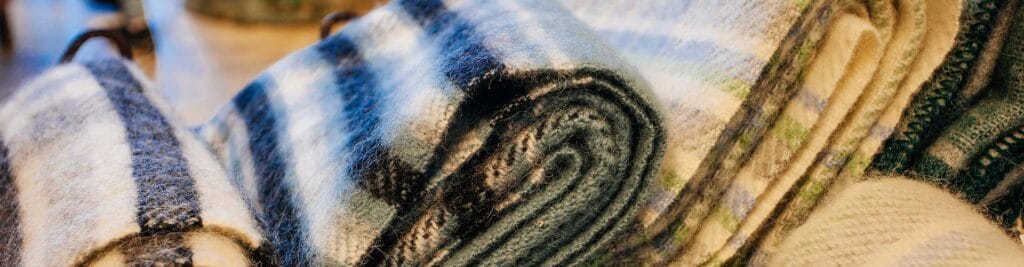
Tejidos tradicionales
Los tejidos tradicionales como el algodón puro y el poliéster han sido durante mucho tiempo elementos básicos debido a su comodidad y asequibilidad. Dominan el volumen de ventas, y el algodón suele representar más de la mitad de los materiales textiles para el hogar.
Tejidos innovadores
Fibras innovadoras como el poliéster de alto rendimiento, las mezclas recicladas y los textiles inteligentes están ganando participación porque ofrecen valor agregado. Estos tejidos son especialmente populares en segmentos premium y entre consumidores conscientes del medio ambiente.
Inicio Productos Textiles Tendencias 2026 « Tabla de referencia rápida
| Tendencia | Descripción | Relevancia del comprador |
|---|---|---|
| Sostenibilidad | Materiales ecológicos y certificados | Alto |
| Textiles inteligentes | Tejidos funcionales para la salud/comodidad | Creciendo |
| Telas de alto rendimiento | Resistencia a las manchas, fácil cuidado | Integral |
| Personalización | OEM/Etiqueta privada | Mercados premium |
| Crecimiento del comercio electrónico | Canales minoristas digitales | Alto |
| Enfoque de textura | Sensación y apariencia textil | Elección del consumidor |
Conclusión
El productos textiles para el hogar el mercado en 2026 es vibrante y en expansión. Para los compradores, centrarse en la innovación de tejidos, la sostenibilidad y las tendencias de diseño diferenciará los productos exitosos. Comprender las preferencias de los consumidores, como texturas suaves, materiales sostenibles y funcionalidad inteligente, ayuda a los compradores a seleccionar productos que se alineen con la demanda futura. Las adquisiciones estratégicas, incluida la priorización de certificaciones y la calidad de los proveedores, garantizan un posicionamiento competitivo en un mercado impulsado por la comodidad, el rendimiento y la conciencia medioambiental.
Preguntas frecuentes
Lo que está impulsando el crecimiento de productos textiles para el hogar ¿en 2026?
El crecimiento está impulsado por el aumento del gasto de los hogares en renovación, demanda de sostenibilidad y un acceso más amplio al comercio electrónico que permite una comparación y compra más sencilla de productos textiles para el hogar.
¿Qué tejido se espera que sea más popular en 2026?
Se espera que el algodón y las mezclas de algodón sigan siendo dominantes debido a su comodidad y versatilidad, mientras que los tejidos sostenibles y de alto rendimiento están ganando cuota de mercado.
¿Se están generalizando los textiles inteligentes textiles para el hogar?
Sí. El uso de textiles inteligentes se está expandiendo más allá de aplicaciones específicas hacia ropa de cama y tapicería de alto rendimiento, atrayendo a compradores centrados en la salud y la comodidad.
¿Cómo deben evaluar los compradores a los proveedores?
Los compradores deben evaluar las certificaciones, los informes de pruebas, la capacidad de producción, las capacidades de personalización y la capacidad de respuesta de la comunicación para garantizar la calidad y la confiabilidad.
¿Es la sostenibilidad sólo una tendencia o un cambio a largo plazo?
La sostenibilidad es un motor de mercado a largo plazo. La mayoría de los mercados importantes ahora dan prioridad a los tejidos con certificación ecológica, la trazabilidad y la minimización del impacto ambiental.