
مرحبا بكم في مدونتي! يسعدني وجودك هنا!
قبل أن نتعمق في المحتوى، أود أن تنضم إلي على منصات التواصل الاجتماعي الخاصة بي. إنه المكان الذي أشارك فيه رؤى إضافية، وأتواصل مع مجتمعنا المذهل، وأبقيك على اطلاع بآخر الأخبار.
إليك كيف يمكنك البقاء على اتصال:
📘 الفيسبوك: سوتشو Xize شركة تكنولوجيا النسيج المحدودة.
الآن، دعونا نبدأ هذه الرحلة معًا! أتمنى أن تجد المحتوى هنا ليس ثاقبًا فحسب، بل ملهمًا وقيمًا أيضًا. لنبدأ!
جدول المحتويات
مقدمة
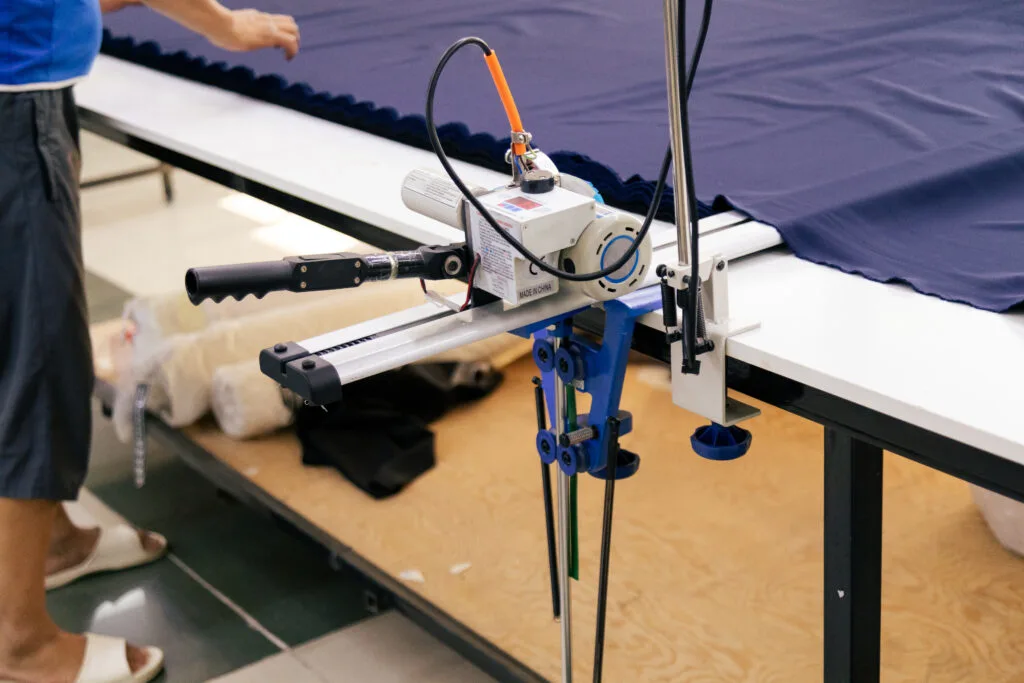
دخلت مصادر المنسوجات العالمية مرحلة جديدة. لم يعد المشترون اليوم يسألون فقط أين يكون الإنتاج أرخص. وبدلاً من ذلك، يريدون معرفة أين تكون الجودة مستقرة، وسلاسل التوريد موثوقة، ومخاطر الامتثال يمكن التحكم فيها، والشراكات طويلة الأجل واقعية.
على هذه الخلفية،, مصانع النسيج في الصين الاستمرار في لعب دور مركزي في التصنيع العالمي. الصين ليست فقط أكبر منتج للمنسوجات في العالم، ولكنها أيضًا النظام البيئي الأكثر اكتمالًا للنسيج من الناحية الهيكلية. وفي الوقت نفسه، تتنافس دول مثل فيتنام وبنغلاديش والهند وتركيا بنشاط على الطلبيات الدولية.
تقدم هذه المقالة مقارنة عميقة ومنظمة بين مصانع النسيج في الصين وغيرها من مناطق إنتاج المنسوجات الرئيسية. فهو يجمع بين بيانات الصناعة ووجهات نظر الخبراء والتحليل الذي يركز على المشتري لمساعدة صناع القرار على فهم موقف الصين الحقيقي اليوم وكيفية مقارنتها عالميًا.
النقاط الرئيسية التي تغطيها هذه المقالة
- كيف أصبحت مصانع النسيج في الصين رائدة على مستوى العالم
- كيف تقارن الصين مع الدول الأخرى المنتجة للنسيج
- اختلافات التكلفة والجودة والحجم والتسليم
- رؤى تعتمد على البيانات حول الصادرات والإنتاج
- الاستدامة والابتكار والاتجاهات المستقبلية
- تمت الإجابة على أسئلة المشتري العملية
نظرة عامة على صناعة النسيج العالمية
تعد صناعة النسيج واحدة من أكثر قطاعات التصنيع عولمة في العالم. غالبًا ما تتم المواد الخام والمعالجة والتشطيب وتصنيع الملابس في بلدان مختلفة.
ووفقا لبيانات التجارة الدولية، تتجاوز الصادرات العالمية من المنسوجات والملابس 800 مليار دولار أمريكي سنويا. وتمثل آسيا أكثر من 60 في المائة من الإنتاج العالمي، وتمتلك الصين الحصة الأكبر.
وتساهم الصين وحدها بأكثر من 30 في المائة من صادرات المنسوجات العالمية. ولا تقترب أي دولة أخرى من هذا المستوى من التركيز. وهذه الهيمنة ليست عرضية، بل هي نتيجة لعقود من التنمية الصناعية، والاستثمار في البنية التحتية، وتكامل سلسلة التوريد.
كيف مصانع النسيج في الصين بنيت ميزة عالمية
النطاق الصناعي والقدرة الإنتاجية
تعمل مصانع النسيج في الصين على نطاق لا مثيل له في الدول الأخرى. تسمح مرافق الإنتاج الكبيرة والآلات المتقدمة والتجمعات الصناعية للمطاحن الصينية بالتعامل مع كل شيء بدءًا من الطلبات الجمركية الصغيرة وحتى العقود الضخمة طويلة الأجل.
تنتج الصين أكثر من ثلث إجمالي إنتاج المنسوجات في العالم. ويتجاوز إنتاج الألياف وحده 50 مليون طن سنويا، بما في ذلك القطن والبوليستر والألياف المخلوطة. ويضمن هذا المقياس توافر المواد واستقرار الأسعار.
التكامل الكامل لسلسلة التوريد
واحدة من أقوى مزايا مصانع النسيج في الصين هي التكامل الرأسي. في العديد من المناطق، يقع الغزل والنسيج والصباغة والتشطيب وتصنيع الملابس داخل نفس المنطقة الصناعية.
وهذا يقلل من وقت النقل، ويقلل من أخطاء الاتصال، ويحسن كفاءة الإنتاج. يستفيد المشترون من فترات زمنية أقصر وتنسيق أسهل.
مرونة التصنيع
تشتهر مصانع النسيج الصينية بقدرتها على التكيف بسرعة. غالبًا ما يمكن التعامل مع تغييرات التصميم واستبدال المواد وتعديلات الطلب دون انقطاع كبير.
تعتبر هذه المرونة ذات قيمة خاصة للعلامات التجارية التي تطلق مجموعات جديدة أو تختبر أسواقًا جديدة.
مصانع النسيج في الصين مقارنة بالدول الأخرى

عند تقييم خيارات المصادر العالمية، غالبًا ما يقارن المشترون مصانع النسيج في الصين مع الموردين من بلدان التصنيع الكبرى الأخرى. كل منطقة لها نقاط القوة والقيود وحالات الاستخدام المثالية الخاصة بها. يساعد فهم هذه الاختلافات المشترين على مواءمة استراتيجيات التوريد مع التكلفة والجودة وأهداف سلسلة التوريد طويلة المدى.
الصين ضد بنجلاديش
تعد بنجلاديش واحدة من المصدرين الرئيسيين للملابس الجاهزة في العالم، وخاصة الملابس الأساسية مثل القمصان والملابس غير الرسمية وعناصر الموضة للمبتدئين. وتكمن أقوى ميزتها في انخفاض تكاليف العمالة، مما يجذب المشترين الذين يركزون في المقام الأول على السعر.
تشمل نقاط القوة الرئيسية في بنغلاديش
- تكاليف العمالة تنافسية للغاية
- تخصص قوي في الإنتاج الضخم للملابس الأساسية
- قوة عاملة كبيرة من ذوي الخبرة في تجميع الملابس
ومع ذلك، فإن النظام البيئي للنسيج في بنغلاديش لديه قيود ملحوظة.
القيود الرئيسية مقارنة بالصين
- الاعتماد الكبير على الأقمشة والخيوط المستوردة
- قدرة محدودة على الصباغة والتشطيب المنزلي
- فترات زمنية أطول عند حدوث تغييرات في التصميم
في المقابل،, مصانع النسيج في الصين العمل ضمن نظام بيئي صناعي متكامل تمامًا. غالبًا ما يقع الغزل والنسيج والصباغة والتشطيب وإنتاج الملابس ضمن نفس التجمعات الصناعية.
لماذا يختار المشترون الصين على بنجلاديش
- مجموعة واسعة من أنواع الأقمشة والإنشاءات
- اتساق أعلى عبر عمليات الإنتاج الكبيرة
- سيطرة أكبر على الطلبات المعقدة أو المخصصة
إن بنجلاديش مناسبة تمامًا للمنتجات المستقرة والموحدة، في حين توفر الصين المزيد من المرونة والتحكم في سلسلة التوريد.
الصين ضد فيتنام
لقد تطورت فيتنام بسرعة كمصدر للمنسوجات والملابس، بدعم من الاستثمار الأجنبي المباشر واتفاقيات التجارة المواتية. وهي قوية بشكل خاص في فئات الملابس المحبوكة والملابس الرياضية والملابس الوظيفية.
المزايا الرئيسية لفيتنام
- تزايد الخبرة في مجال التصنيع في إنتاج الملابس
- الاتفاقيات التجارية التي تخفض التعريفات الجمركية في الأسواق الرئيسية
- بيئة عمل مستقرة لتجميع الملابس
وعلى الرغم من نقاط القوة هذه، لا تزال فيتنام تعتمد على الموردين الخارجيين للحصول على مدخلات المنسوجات الأولية.
التحديات التي تواجهها فيتنام
- الاعتماد على الخيوط والأقمشة المستوردة
- قدرة محدودة على إنتاج الأقمشة على نطاق واسع
- دورات مصادر أطول للمنسوجات المعقدة
مصانع النسيج في الصين الاحتفاظ بميزة واضحة في التصنيع المنبع.
مزايا الصين بالمقارنة
- قدرات واسعة النطاق لتطوير النسيج
- تقنيات الصباغة والتشطيب المتقدمة
- القدرة على دعم إنتاج الأقمشة والملابس في ظل نظام واحد
بالنسبة للمشترين الذين يحصلون على كل من المواد والمنتجات النهائية، غالبًا ما توفر الصين حلاً أكثر كفاءة وتوحيدًا.
الصين ضد الهند
تتمتع الهند بتقاليد نسيجية طويلة الأمد وهي واحدة من أكبر منتجي القطن في العالم. يمنحها سوقها المحلي وإمكانية الوصول إلى المواد الخام أهمية استراتيجية في المصادر العالمية.
نقاط القوة في الهند
- موارد القطن الوفيرة
- القوى العاملة الكبيرة والطلب المحلي
- تزايد الاستثمار في البنية التحتية للنسيج
ومع ذلك، يمكن أن يختلف الاتساق التشغيلي بشكل كبير عبر المناطق.
التحديات الرئيسية في الهند
- مشهد التصنيع المجزأ
- معايير مراقبة الجودة غير متسقة
- تجربة تصدير متغيرة بين الموردين
مصانع النسيج في الصين تعمل بشكل عام وفقًا لمعايير إنتاج أكثر توحيدًا.
لماذا يفضل المشترون الصين في كثير من الأحيان
- أنظمة إدارة الجودة الموحدة
- خبرة أكبر في الامتثال الدولي
- تنسيق أكثر موثوقية عبر مراحل الإنتاج
وتظل الهند قادرة على المنافسة على المنتجات القائمة على القطن، في حين توفر الصين اتساقا عاما أقوى وقابلية للتوسع.
الصين ضد تركيا وأوروبا
تشتهر تركيا ومصانع النسيج الأوروبية بإنتاج عالي الجودة والتسليم السريع إلى الأسواق الإقليمية. غالبًا ما يتم اختيارها للأقمشة الفاخرة أو الطلبات الحساسة للوقت.
مميزات تركيا وأوروبا
- القرب من المشترين الأوروبيين
- التركيز القوي على الجودة والحرفية
- مهلة قصيرة لطلبات الدفعات الصغيرة
ومع ذلك، فإن هذه الفوائد تأتي مع المقايضات.
القيود مقارنة بالصين
- ارتفاع تكاليف الإنتاج بشكل كبير
- سعة محدودة للطلبات كبيرة الحجم
- مرونة أقل للمشاريع الحساسة للأسعار
توفر مصانع النسيج في الصين خيارًا أكثر توازناً للمشترين العالميين.
نقاط القوة النسبية للصين
- قابلية التوسع العالية عبر خطوط إنتاج متعددة
- كفاءة التكلفة التنافسية من حيث الحجم
- قدرة قوية على دعم شراكات التوريد طويلة المدى
تخدم تركيا وأوروبا الأسواق المتخصصة والمتميزة بشكل جيد، في حين تظل الصين الخيار المفضل لمعظم احتياجات المصادر العالمية واسعة النطاق.
جدول المقارنة مصانع النسيج في الصين مقابل مناطق أخرى
| عامل | الصين | بنغلاديش | فيتنام | الهند | تركيا أوروبا |
|---|---|---|---|---|---|
| حصة التصدير العالمية | عالي جدا | متوسط | متوسط | متوسط | منخفض |
| تكامل سلسلة التوريد | قوي جدا | ضعيف | معتدل | معتدل | معتدل |
| حجم الإنتاج | كبير جدا | كبير | متوسط | كبير | صغيرة إلى متوسطة |
| اتساق الجودة | عالي | تحسين | جيد | متغير | عالي جدا |
| مرونة المهلة الزمنية | عالي | متوسط | متوسط | عالي | عالي |
| كفاءة التكلفة | متوازن | عالي جدا | عالي | متوسط | منخفض |
المفاهيم الأساسية التي يجب على المشترين فهمها
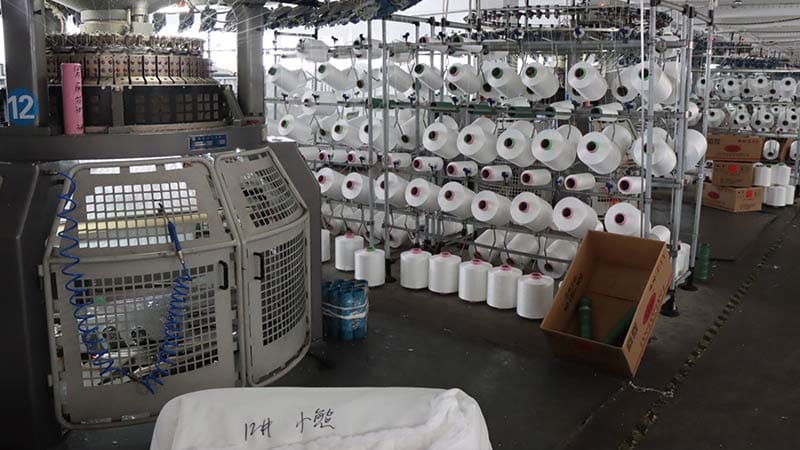
التكلفة ليست نفس القيمة
انخفاض تكاليف العمالة لا يعني دائمًا انخفاض التكلفة الإجمالية. يمكن أن يؤدي التأخير وإعادة العمل ومشكلات الجودة إلى زيادة النفقات الإجمالية.
غالبًا ما توفر مصانع النسيج في الصين تحكمًا أفضل في التكاليف من خلال الكفاءة وتقليل معدلات الخطأ.
مسائل الاتساق لتوسيع نطاق العلامات التجارية
بالنسبة للعلامات التجارية التي تخطط للنمو، يعد الاتساق عبر الدفعات أمرًا بالغ الأهمية. تساعد العمليات الموحدة في الصين في الحفاظ على جودة مستقرة مع مرور الوقت.
وهذا يقلل من شكاوى العملاء ويحمي سمعة العلامة التجارية.
المسائل اللوجستية والبنية التحتية
تعد الموانئ والطرق السريعة والشبكات اللوجستية في الصين من بين أكثر الموانئ تقدمًا على مستوى العالم. وهذا يدعم جداول الشحن الموثوقة والتوزيع العالمي.
وقد تواجه مناطق أخرى ازدحاما أو بنية تحتية محدودة للتصدير.
بيانات الإنتاج والتصدير من الصين
وتشير إحصاءات الصناعة الأخيرة إلى أن صناعة النسيج في الصين تدر أكثر من 300 مليار دولار أمريكي من قيمة الصادرات السنوية. وتمثل منتجات المنسوجات وحدها ما يقرب من 140 مليار دولار، وتساهم الملابس بمبلغ 160 مليار دولار أخرى.
تنتج الصين أكثر من نصف ألياف البوليستر في العالم وتظل أكبر منتج لخيوط القطن والأقمشة المخلوطة.
وعلى الرغم من تحديات التجارة العالمية، ظلت صادرات الصين من المنسوجات مستقرة، مما يدل على المرونة والطلب الدولي القوي.
الاستدامة والابتكار في مصانع النسيج في الصين
الامتثال البيئي
واجهت مصانع النسيج الصينية لوائح بيئية متزايدة في السنوات الأخيرة. ونتيجة لذلك، استثمرت العديد من المطاحن في تقنيات الإنتاج الأنظف، وأنظمة معالجة مياه الصرف الصحي، وتحسين كفاءة استخدام الطاقة.
وقد أدت هذه الجهود إلى خفض الانبعاثات لكل وحدة إنتاج وتحسين الامتثال للمعايير الدولية.
التصنيع الرقمي والذكي
أصبحت الأتمتة والطباعة الرقمية وأنظمة المصانع الذكية شائعة بشكل متزايد في الصين. تعمل هذه التقنيات على تحسين الدقة وتقليل النفايات وتقصير دورات الإنتاج.
وتستثمر الصين أيضًا بكثافة في الألياف المعاد تدويرها وحلول المنسوجات الدائرية.
التحديات التي تواجه مصانع النسيج في الصين
ارتفاع تكاليف العمالة والتشغيل
وقد زادت تكاليف العمالة في الصين بشكل مطرد. وفي حين تعوض الأتمتة بعض هذا التأثير، فإن المنافسة السعرية من البلدان الأقل تكلفة لا تزال تشكل تحديا.
مخاطر التجارة والسياسة
يمكن أن تؤثر التعريفات الجمركية وعدم اليقين الجيوسياسي على قرارات تحديد المصادر. يقوم بعض المشترين بتنويع الإنتاج عبر بلدان متعددة لإدارة المخاطر.
ومع ذلك، تظل الصين المورد الأساسي للعديد من العلامات التجارية العالمية.
كيف يختار المشترون بين الصين والدول الأخرى

اعتبارات حجم الطلب
غالبًا ما تكون الطلبات الكبيرة والمتكررة أكثر ملاءمة لمصانع النسيج في الصين. قد تستفيد الطلبات الصغيرة أو التجريبية من الموردين الإقليميين.
تعقيد المنتج
تفضل الأقمشة المعقدة والمنسوجات التقنية والمعالجة متعددة الخطوات بيئات التصنيع المتكاملة.
وتؤدي الصين أداءً جيدًا بشكل خاص في هذه الفئات.
إمكانات الشراكة طويلة المدى
تتمتع العديد من المطاحن الصينية بعقود من الخبرة في التصدير وأنظمة الجودة الراسخة. وهذا يدعم التعاون طويل الأمد بدلاً من المعاملات لمرة واحدة.
الأفكار النهائية
تواصل مصانع النسيج في الصين تحديد المعايير العالمية لتصنيع المنسوجات. حجمها وتكاملها وخبرتها تجعل من الصعب استبدالها بالكامل.
وفي حين تقدم بلدان أخرى مزايا تنافسية في مجالات محددة، تظل الصين الحل الأكثر شمولاً للمشترين الذين يسعون إلى تحقيق التوازن بين التكلفة والجودة والسرعة والموثوقية.
بالنسبة للشركات التي تبني استراتيجيات مصادر طويلة المدى، فإن فهم كيفية مقارنة مصانع النسيج في الصين بالبدائل العالمية أمر ضروري لاتخاذ قرارات مستنيرة.
الأسئلة الشائعة
هل لا تزال مصانع النسيج في الصين قادرة على المنافسة حتى اليوم
نعم. وفي حين زادت تكاليف العمالة، فإن الكفاءة والأتمتة وتكامل سلسلة التوريد تحافظ على قدرة الصين على المنافسة العالية.
هل الجودة من الصين موثوقة
بالنسبة للمطاحن الموجهة للتصدير، تكون الجودة مستقرة ومتسقة بشكل عام. يظل اختيار الموردين مهمًا.
هل تدعم المطاحن الصينية إنتاج العلامات التجارية المخصصة والخاصة
نعم. كثير مصانع النسيج في الصين تقديم خدمات أخذ العينات والتخصيص والعلامات التجارية الخاصة.
هل الحد الأدنى لكميات الطلب مرتفع
يختلف الحد الأدنى حسب المطحنة، لكن العديد من الموردين يقدمون الآن موكات مرنة لجذب المشترين الدوليين.
هل من الخطر الاعتماد على الصين فقط
يمكن أن يؤدي التنويع إلى تقليل المخاطر، لكن الصين تظل في كثير من الأحيان المورد الرئيسي بسبب الموثوقية والحجم.