
¡Bienvenidos a Mi Blog! ¡Estoy encantado de tenerte aquí!
Antes de sumergirnos en el contenido, me encantaría que te unieras a mí en mis plataformas de redes sociales. Es donde comparto ideas adicionales, me conecto con nuestra increíble comunidad y te mantengo actualizado sobre las últimas noticias.
Así es como puedes mantenerte conectado:
📘 Facebook: Suzhou Xize Tecnología Textil Co., ltd.
¡Ahora embarquémonos juntos en este viaje! Espero que el contenido aquí no sólo te resulte revelador sino también inspirador y valioso. ¡Empezemos!
Tabla de contenidos
Por qué deberías leer este blog
- Descubre qué tejidos de franela son y su evolución histórica.
- Conozca las diferentes fibras utilizadas y cómo afectan la textura y el rendimiento.
- Comprender en detalle los procesos de tejido, cepillado y acabado.
- Compare las telas de franela con otros textiles suaves como el vellón, el terciopelo y el popelín.
- Explore aplicaciones prácticas en ropa, ropa de cama y decoración del hogar.
- Obtenga consejos expertos en atención, mantenimiento y sostenibilidad.
- Comprenda el costo, el retorno de la inversión y cómo elegir la franela adecuada para sus necesidades.
Introducción
Tejidos de franela ha sido un textil querido durante siglos, valorado por su tacto suave, calidez y versatilidad. Desde acogedoras camisas de invierno hasta lujosas prendas de cama, la franela está en todas partes, pero ¿qué la hace exactamente única? En esta guía, exploraremos la composición, producción, rendimiento y aplicaciones de las telas de franela, brindando un profundo conocimiento a los consumidores, diseñadores y profesionales de la industria.
¿qué son las telas de franela?
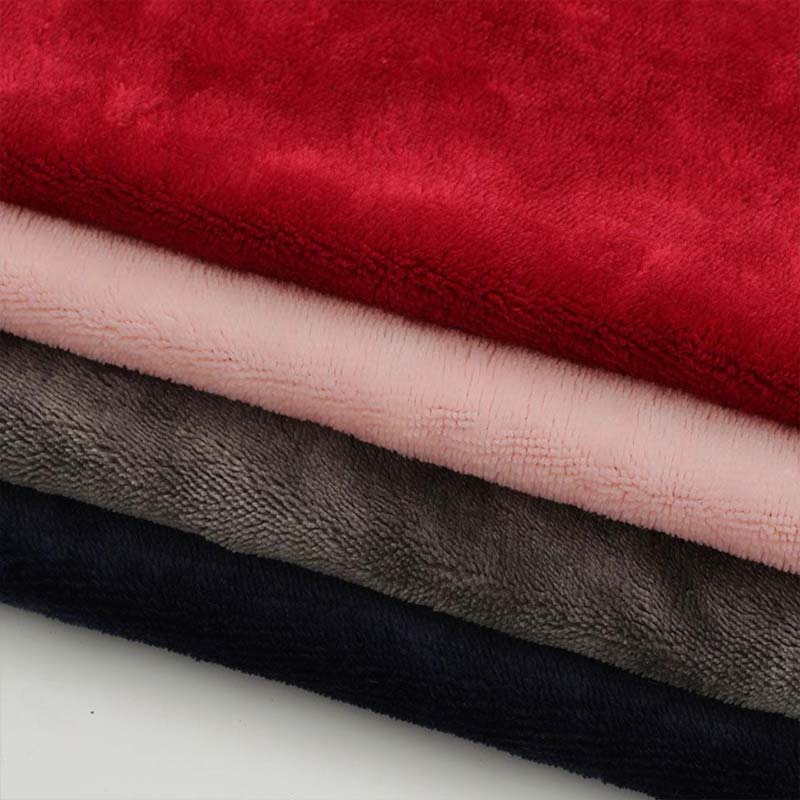
Las telas de franela son textiles suaves y cálidos con una superficie difusa característica, creados mediante técnicas especializadas de tejido y cepillado. Se utilizan ampliamente en ropa, ropa de cama y textiles para el hogar. Originalmente hecha de lana, la franela moderna a menudo incorpora mezclas de algodón o sintéticos, cada una de las cuales influye en la suavidad, la durabilidad y las propiedades térmicas.
Antecedentes históricos
La franela se originó en Gales en el siglo XVII como un tejido a base de lana. Rápidamente ganó popularidad en Europa y América del Norte por su calidez y comodidad. Con el tiempo, el algodón y las mezclas se volvieron comunes, ofreciendo asequibilidad y versatilidad manteniendo la deseable textura suave.
Funcionalidad central
- Suavidad: Las superficies cepilladas crean una sensación acogedora.
- Calidez: Las fibras naturales y las texturas elevadas atrapan el aire para aislarlo.
- Versatilidad: Disponible en varios pesos y acabados para diversas aplicaciones.
Materiales utilizados en tejidos de franela
Franela de algodón
La franela de algodón es el tipo más común en la actualidad. Es suave, transpirable y liviano, lo que lo hace ideal para camisas, pijamas y ropa de cama.
- Ventajas: Asequible, hipoalergénico, cómodo.
- Limitati: Puede encogerse si no se lava adecuadamente; menos aislante que la lana.
Franela de lana
La franela de lana ofrece calidez, elasticidad y durabilidad excepcionales. Ideal para trajes, chaquetas y mantas premium.
- Ventajas: Alto aislamiento, absorbente de humedad, duradero.
- Limitati: Requiere un lavado cuidadoso, mayor costo.
Mezclas sintéticas
Las mezclas de poliéster o acrílico con algodón o lana mejoran la durabilidad, la resistencia a las arrugas y reducen la contracción.
- Ventajas: Fuerte, fácil de mantener y rentable para la producción en masa.
- Limitati: Menos transpirable y menos ecológico (aunque están surgiendo sintéticos reciclados).
Comparación de fibras naturales y sintéticas
| Característica | Franela de algodón | Franela de lana | Mezclas sintéticas |
|---|---|---|---|
| Suavidad | Alto | Medio-alto | Medio |
| Calidez | Medio | Alto | Medio |
| Transpirabilidad | Alto | Medio | Bajo |
| Durabilidad | Medio | Alto | Alto |
| Costo | Bajo Medio | Alto | Medio |
Procesos de tejido y acabado
Técnicas de tejido
Tejidos de franela están tejidos en tejidos lisos, sarga o satinados. La sarga es la preferida para la ropa debido a su suavidad y caída, mientras que el tejido liso es común en la ropa de cama.
Cepillado y siesta
La textura difusa proviene de cepillado o siesta, que eleva las fibras en uno o ambos lados del tejido. La franela doble cepillada proporciona la máxima suavidad y calidez.
Teñido e Impresión
La franela se puede teñir colores sólidos o impreso con patrones como cuadros, rayas o cuadros. La franela de alta calidad mantiene la solidez del color sin comprometer la suavidad.
Comparación: franela versus otras telas blandas
| Característica | Franela | Vellocino | Terciopelo | Popelina de algodón |
|---|---|---|---|---|
| Suavidad | Alto | Medio-alto | Muy alto | Medio |
| Calidez | Alto | Alto | Medio | Bajo |
| Durabilidad | Medio-alto | Medio | Medio | Alto |
| Transpirabilidad | Medio | Bajo Medio | Bajo | Alto |
| Aplicaciones | Camisas, ropa de cama | Sudaderas, mantas | Vestidos, tapizados | Camisas, vestidos |
| Mantenimiento | Lavado suave | Lavar a máquina | Seco limpio | Cuidado fácil |
Perspectiva experta: Dra. Emily Chen, científica textil:
“La combinación única de suavidad, rendimiento térmico y versatilidad de la franela la hace superior a la mayoría de los otros tejidos suaves tanto en comodidad como en usabilidad a largo plazo”
Aplicaciones de los tejidos de franela
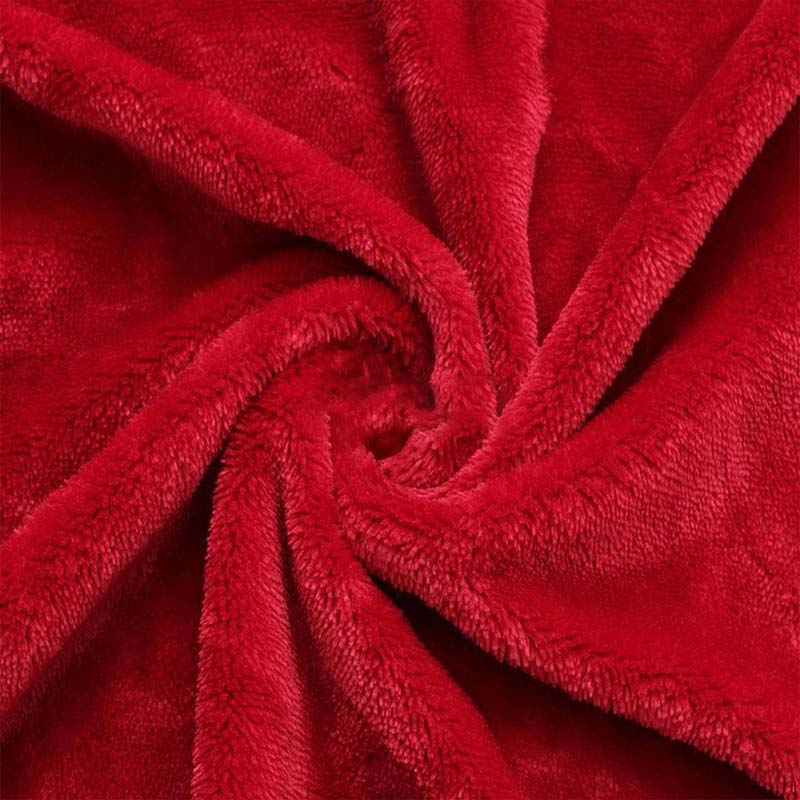
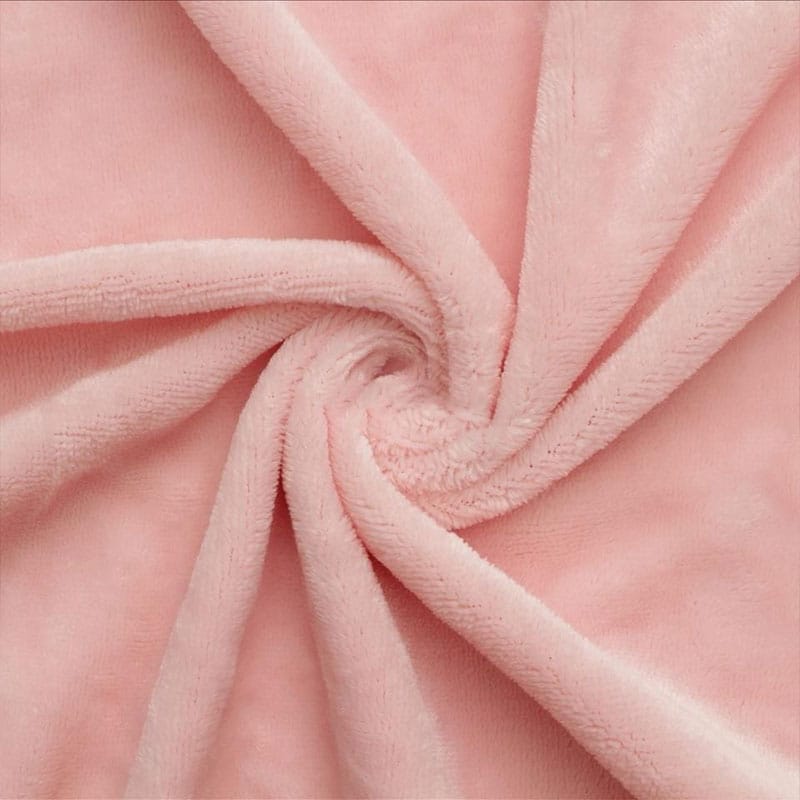
Ropa
La franela es ideal para camisas, pijamas, abrigos y chaquetas debido a su comodidad y calidez. La franela de algodón domina la ropa informal, mientras que la franela de lana se adapta a la ropa exterior de primera calidad.
Ropa de cama
Las sábanas, fundas de almohada y mantas hechas de franela ofrecen un aislamiento acogedor, lo que las hace perfectas para climas fríos. Las sábanas de franela de algodón con doble cepillo son especialmente preferidas en invierno.
Textiles para el hogar
Las mantas de franela, las cortinas y las fundas de cojín brindan comodidad táctil y atractivo estético, combinando funcionalidad y estilo.
Global Telas de franela Tendencias y Preferencias Regionales
América del Norte
En Estados Unidos y Canadá, la franela de algodón es muy popular ropa casual, pijamas y ropa de cama, especialmente en regiones con inviernos fríos como las provincias del Medio Oeste, Noreste y Canadá. Los patrones a cuadros son icónicos y reflejan el patrimonio cultural del leñador y las tradiciones al aire libre.
- Perspectiva del consumidor: Según una encuesta de 2024 realizada por la Asociación Textil de América del Norte, 68% de los consumidores prefieren la franela de algodón como ropa de cama durante el invierno.
- Puntos críticos de fabricación: Pensilvania, Carolina del Norte y Quebec son conocidos por sus fábricas de franela de algodón de alta calidad.
Europa
Países europeos como Alemania, Italia y el Reino Unido están a favor franela de lana para trajes a medida, chaquetas y ropa de cama de lujo. Las mezclas de lana son comunes en el norte de Europa, donde el aislamiento y la durabilidad son fundamentales para climas fríos.
- Perspectiva cultural: En Escocia, la franela de lana de tartán sigue siendo un alimento básico tradicional, que combina herencia con moda moderna.
- Perspectiva del mercado: El mercado textil europeo valora la franela de lana sostenible, y 45% de los consumidores priorizan los materiales ecológicos.
Asia-Pacífico
En Japón, Corea del Sur y China, la franela de algodón liviana es popular textiles para el hogar y camisas casuales. Se prefiere colores brillantes, texturas suaves y patrones innovadores que combinen comodidad con diseño.
- Tendencia del consumidor: Los consumidores japoneses favorecen sábanas de franela de algodón con doble cepillo para el invierno, citando comodidad y calidez.
- Perspectiva de producción: China es un fabricante y exportador líder de franela de algodón y ofrece precios competitivos a los mercados mundiales.
América Latina
En Brasil, Argentina y Chile, la franela se utiliza ampliamente sábanas, camisas y mantas, especialmente en las regiones del sur con climas más fríos. Las empresas textiles locales suelen producir franela de algodón colorida con patrones regionales.
Medio Oriente
La franela es menos común en regiones extremadamente cálidas, pero está ganando popularidad en espacios urbanos climatizados, hoteles y mercados de ropa de cama de lujo. Las sábanas y mantas de franela livianas atienden a hoteles internacionales y expatriados que buscan comodidad.
Preferencias regionales de materiales y patrones
| Región | Material preferido | Patrones comunes | Uso típico |
|---|---|---|---|
| América del Norte | Algodón | Cuadros, cheques | Ropa de cama, ropa informal |
| Europa | Lana | Tartán, colores sólidos | Trajes, chaquetas, ropa de cama de lujo |
| Asia-Pacífico | Algodón, mezclas de algodón y poliéster | Estampados, rayas | Camisas, ropa de cama, decoración del hogar |
| América Latina | Algodón | Patrones brillantes | Camisas, mantas, sábanas |
| Medio Oriente | Algodón ligero | Sólidos, impresiones sutiles | Hoteles, ropa de cama, ropa de interior |
Perspectiva experta: Dra. Laura Thompson, Consultora Textil Internacional:
“Las preferencias de tela de franela son muy regionales. El clima, el patrimonio cultural y las tendencias de diseño de interiores influyen en qué tipos de franela se prefieren”
Fuente Telas de franela por región
- America de Nord: Franela de algodón de alta calidad, disponible en las fábricas de Pensilvania y Carolina del Norte.
- Europa: Franela de lana de primera calidad procedente de Escocia y Alemania.
- Asia-Pacific: Franela de algodón rentable, a menudo producida en China e India, adecuada para ropa de cama y prendas de vestir en el mercado masivo.
- America Latină: Franela de algodón vibrante producida localmente, que enfatiza el diseño y la relevancia cultural.
- Oriente Medio: Franela ligera de algodón para el confort interior en entornos urbanos y hoteleros.
Recomendaciones de atención regional
- Clima frio: Priorice la franela de lana con un lavado suave y secado al aire.
- Clima caluroso: Utilice franela de algodón ligera para evitar el sobrecalentamiento; lavar a máquina a bajas temperaturas.
- Zonas húmedas: Guarde la franela en espacios secos y ventilados para evitar moho o moho.
Cuidado y Mantenimiento de Telas de franela
Consejos para lavar y secar
- Lavar en agua fría o tibia para evitar la contracción.
- Utilice un ciclo suave y detergente suave.
- Evite el secado a altas temperaturas; secado al aire conserva la textura.
Planchado y Almacenamiento
- Usar calor bajo planchar para las arrugas.
- Almacenar en zonas secas y ventiladas para evitar moho o decoloración.
Longevidad
Un mantenimiento adecuado puede prolongar la vida útil de la franela de algodón a 5 a 10 años y la franela de lana a más de 15 años.
Consideraciones ambientales y de sostenibilidad
- Franela de algodón: Biodegradable; El algodón orgánico reduce los pesticidas.
- Franela de lana: Renovable y duradero; sostenible cuando se obtiene de manera responsable.
- Mezclas sintéticas: Menos ecológico; Las opciones de poliéster reciclado están mejorando la sostenibilidad.
Perspectiva de datos: Según el informe Textile Exchange 2023, el uso de franela de algodón orgánico reduce la huella de carbono 25-30% comparado con el algodón convencional.
Consideraciones de diseño avanzado
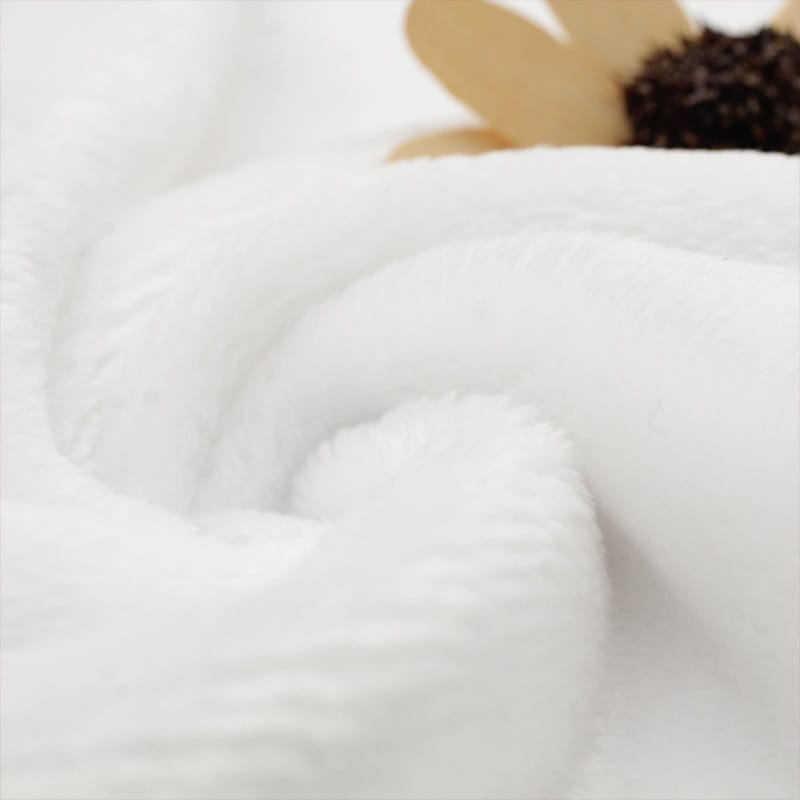
Selección de espesor y peso
- Ligero: Camisas, pijamas.
- Peso medio: ropa de cama y textiles caseros informales.
- Peso pesado: Ropa exterior, mantas.
Nivel de acabado superficial y cepillado
- Unicepillado: Suavidad moderada.
- Doble cepillado: Máxima esponjosidad y aislamiento.
Patrón y opciones estéticas
- Cuadros clásicos: elección de moda icónica.
- Estampados sólidos o sutiles: Preferidos en interiores de casas modernas.
- Patrones 3D o perforados: mejora el atractivo visual y acústico en los textiles para el hogar.
Costo, retorno de la inversión y valor a largo plazo
| Característica | Franela de algodón | Franela de lana | Mezclas sintéticas |
|---|---|---|---|
| Costo inicial | Moderado | Alto | Medio |
| Vida útil | 5-10 ani | 15+ años | 7-10 ani |
| Mantenimiento | Bajo | Medio | Medio |
| Frecuencia de reemplazo | Raro | Raro | Frecuente |
| retorno de la inversión (5 años) | Alto | Muy alto | Medio |
Opinión de expertos: Sarah Mitchell, consultora textil:
“Invertir en franela de lana o algodón de alta calidad vale la pena en durabilidad, comodidad y sostenibilidad a largo plazo, lo que la hace rentable a pesar de los mayores costos iniciales”
Combinando franela con otros tejidos
- Los diseñadores suelen combinar franela con vellón para mejorar la suavidad y el aislamiento.
- Las capas de franela con popelina de algodón pueden mantener la estructura y al mismo tiempo ofrecer calidez.
- Estos enfoques híbridos optimizan el rendimiento para aplicaciones específicas como ropa de cama o ropa de exterior.
Conclusión
Tejidos de franela representa el equilibrio perfecto entre comodidad, calidez y versatilidad. Al comprender su composición, procesos de tejido, cepillado y acabado, puede tomar decisiones informadas sobre ropa, ropa de cama y textiles para el hogar. En comparación con otras telas suaves, la franela sobresale en rendimiento a largo plazo, atractivo estético y comodidad táctil, lo que la convierte en la mejor opción para consumidores, diseñadores y entusiastas de los textiles.
Ya sea para ropa de invierno, ropa de cama acogedora o decoración del hogar elegante, las telas de franela ofrecen una suavidad, calidez y atractivo visual inigualables, un clásico textil con relevancia moderna.
Preguntas frecuentes
¿cuál es la diferencia entre franela de algodón y lana?
La franela de algodón es suave y transpirable, ideal para el uso diario y la ropa de cama. La franela de lana es cálida, elástica y duradera, perfecta para trajes y abrigos.
¿se pueden encoger las telas de franela
Sí, especialmente franela de algodón. Siga siempre las instrucciones de lavado y evite el secado con mucho calor.
¿la franela es adecuada para climas cálidos?
La franela ligera funciona en las noches más frescas, pero la franela gruesa es mejor para condiciones más frías.
¿cuánto duran las telas de franela?
Franela de algodón: 5-10 años; Franela de lana: 15+ años con el cuidado adecuado.
¿las telas de franela son ecológicas?
Natural franelas de fibra (algodón, lana) son renovables, biodegradables y bajos en COV.
¿se puede combinar la franela con otros tejidos?
Sí, combinar franela con mezclas de forro polar, popelina o poliéster puede mejorar la comodidad, la durabilidad y el atractivo estético.