
مرحبا بكم في مدونتي! يسعدني وجودك هنا!
قبل أن نتعمق في المحتوى، أود أن تنضم إلي على منصات التواصل الاجتماعي الخاصة بي. إنه المكان الذي أشارك فيه رؤى إضافية، وأتواصل مع مجتمعنا المذهل، وأبقيك على اطلاع بآخر الأخبار.
إليك كيف يمكنك البقاء على اتصال:
📘 الفيسبوك: سوتشو Xize شركة تكنولوجيا النسيج المحدودة.
الآن، دعونا نبدأ هذه الرحلة معًا! أتمنى أن تجد المحتوى هنا ليس ثاقبًا فحسب، بل ملهمًا وقيمًا أيضًا. لنبدأ!
جدول المحتويات
في سوق المنسوجات اليوم، لم يعد المشترون يختارون الأقمشة فقط من خلال الملمس أو المظهر. الأداء والمتانة والهيكل والسلوك طويل المدى كلها أمور مهمة. أحد المواضيع الأكثر بحثًا وسوء فهم في اختيار القماش هو الاعوجاج مقابل لحمة متماسكة.
تم تصميم هذه المقالة لشرح السداة مقابل اللحمة ببساطة ودقة ومهنيةبدون تعقيد غير ضروري. سواء كنت مطور منتجات، أو مشتريًا للأقمشة، أو مديرًا للمصادر، أو تحاول ببساطة فهم أساسيات النسيج، فإن هذا الدليل يوفر إطارًا واضحًا للمقارنة واتخاذ القرار.
ما سوف تتعلمه من هذا الدليل
- المعنى الهيكلي الأساسي للسداة مقابل اللحمة
- كيف يؤثر اتجاه الحياكة على سلوك القماش
- تم شرح اختلافات الأداء الرئيسية بلغة واضحة
- حيث يتم استخدام كل نوع من أنواع الحياكة بشكل شائع في الصناعات الحقيقية
- كيف يقوم المحترفون بتقييم السداة مقابل اللحمة من حيث المصادر
- تمت الإجابة على أسئلة المشتري الشائعة بوضوح
فهم السداة مقابل اللحمة المحبوكة على المستوى الأساسي
قبل مقارنة الأداء أو التطبيقات، من الضروري فهم ما الاعوجاج مقابل لحمة متماسكة يشير في الواقع إلى المستوى الهيكلي.
ما هو نسيج متماسك?
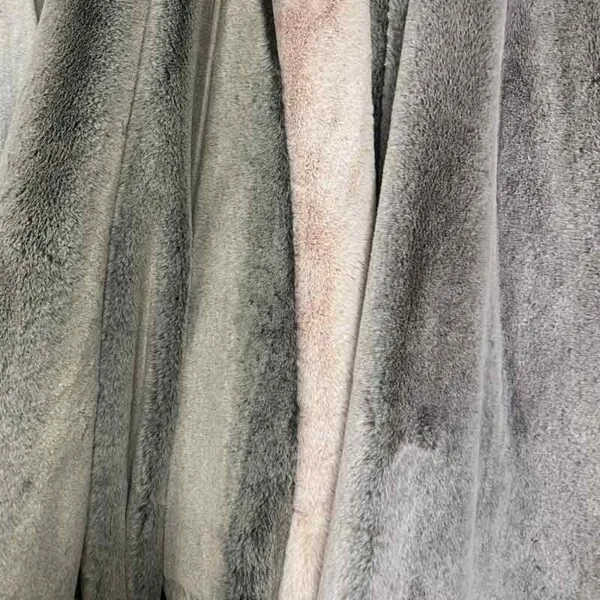
يتكون القماش المحبوك من خيوط متداخلة, بدلاً من تشابكها كما هو الحال في الأقمشة المنسوجة. يمنح هذا الهيكل القائم على الحلقة الأقمشة المحبوكة مرونتها المميزة وقدرتها على التكيف.
يصف السداة مقابل اللحمة ببساطة الاتجاه والطريقة التي يتم من خلالها تشكيل هذه الحلقات.
تم شرح Warp Knit بعبارات بسيطة
المفهوم الأساسي ل الاعوجاج متماسكة
يتم تصنيع الأقمشة المحبوكة من خلال تشكيل الحلقات على طول القماش, ، المعروف باسم اتجاه السداة. يتبع كل خيط مسارًا مستقيمًا نسبيًا ويتشابك عموديًا مع الحلقات المجاورة.
هذه الطريقة تخلق نسيجًا مستقرة الأبعاد، سلسة، ومقاومة للتشويه.
آلات الحياكة الاعوجاج الشائعة
يتم إنتاج حياكة السداة عادةً باستخدام آلات متخصصة مثل:
- آلات التريكو
- آلات راشيل
هذه الآلات تسمح إنتاج مستمر عالي السرعة, ولهذا السبب تُستخدم الأقمشة المحبوكة على نطاق واسع في التطبيقات على نطاق صناعي.
الخصائص العامة لحياكة الاعوجاج
- استقرار هيكلي عالي
- تمتد السيطرة
- الاحتفاظ بالشكل الجيد
- مظهر سطحي ناعم
لحمة متماسكة موضحة بعبارات بسيطة
المفهوم الأساسي ل لحمة متماسكة
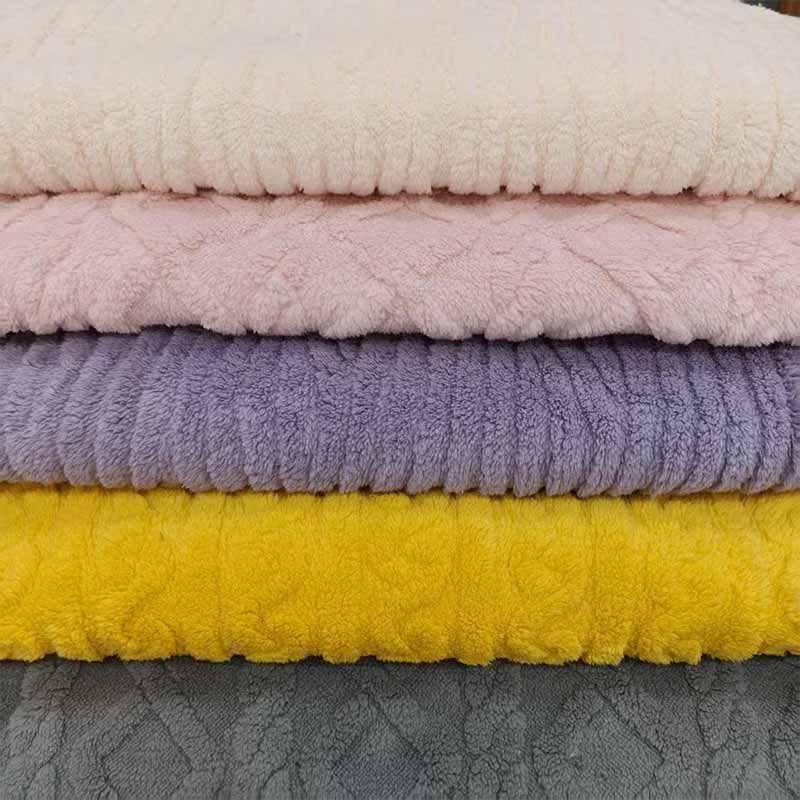
يتم تشكيل الأقمشة المحبوكة باللحمة عن طريق خيوط حلقية عبر عرض القماش. في معظم الحالات، يشكل الخيط الواحد حلقات متعددة في تسلسل أفقي.
هذا البناء يسمح للنسيج بذلك تمتد بسهولة وتتكيف مع الحركة, ولهذا السبب غالبًا ما ترتبط حياكة اللحمة بالراحة.
طرق حياكة اللحمة الشائعة
يتم إنتاج حياكة اللحمة من خلال:
- الحياكة الدائرية
- الحياكة المسطحة
توفر هذه الأساليب المرونة في التصميم وتنوع الأنماط واختيار الخيوط.
الخصائص العامة للحياكة اللحمة
- المرونة الطبيعية
- ملمس ناعم لليد
- ثنى مرن
- تشكيل النسيج سهل
المقارنة الهيكلية: الاعوجاج مقابل اللحمة متماسكة
اتجاه الحلقة وسلوك النسيج
في الأقمشة المنسوجة، تتم محاذاة الحلقات عموديًا، مما يحد من الحركة الجانبية.
في الأقمشة المحبوكة باللحمة، تتم محاذاة الحلقات أفقيًا، مما يسمح بحركة أكبر للخيوط.
يفسر هذا الاختلاف الأساسي معظم فروق الأداء التي تظهر في الأقمشة المنسوجة من السداة مقابل اللحمة.
استقرار النسيج مع مرور الوقت
من غير المرجح أن تتمدد الأقمشة المحبوكة الملتوية خارج شكلها بعد الاستخدام المتكرر.
قد تسترخي الأقمشة المحبوكة باللحمة بمرور الوقت، خاصة إذا لم يتم تثبيتها من خلال عمليات التشطيب.
التمدد والاسترداد والأداء المرن
خصائص التمدد الطبيعية
تتمدد الأقمشة المحبوكة باللحمة بشكل طبيعي بسبب تكوينها الحلقي.
تتطلب الأقمشة المحبوكة السداة بشكل عام ألياف مرنة لتحقيق امتداد مماثل.
الاسترداد والتحكم في الأبعاد
وفقا لمعايير هندسة النسيج، تظهر عادة الأقمشة المحبوكة السداة معدلات استرداد أفضل بعد دورات الاستطالة. وهذا يجعلها مناسبة للتطبيقات التي تتطلب أبعادًا متسقة.
اعتبارات التهوية وتدفق الهواء
مسامية النسيج
غالبًا ما يتم إنشاء هياكل متماسكة ملتوية مسام موحدة وخاضعة للرقابة, ، دعم تدفق الهواء المتوقع.
قد يكون للأقمشة المحبوكة باللحمة أحجام مسام متغيرة اعتمادًا على شد الغزل وكثافة الغرز.
إدارة الرطوبة
في المنسوجات عالية الأداء، تُستخدم الأقمشة المحبوكة بشكل شائع طبقات ماصة للرطوبة بسبب هيكلها المتسق.
الاعوجاج مقابل اللحمة متماسكة في تطبيقات الملابس

الملابس الموجهة نحو الراحة
تستخدم الأقمشة المحبوكة على نطاق واسع في:
- قمصان
- ملابس كاجوال
- قمم متماسكة
نعومتها وتمددها يعززان راحة مرتديها.
الملابس المنظمة أو الأداء
غالبًا ما توجد الأقمشة المحبوكة في:
- لوحات رياضية
- بطانات أكتيفوير
- التصاميم المتعلقة بالضغط
ثباتها يدعم بنية الملابس أثناء الحركة.
تطبيقات النسيج الصناعية والتقنية
نسيج الاعوجاج في الاستخدامات التقنية
كثيرا ما تستخدم الأقمشة المحبوكة السداة في:
- منسوجات السيارات
- شبكة صناعية
- طبقات التعزيز
أدائها المتوقع يجعلها مناسبة للتطبيقات الهندسية.
لحمة متماسكة في الاستخدامات الوظيفية
تظهر الأقمشة المحبوكة باللحمة في:
- طبقات العزل
- حشوة واقية
- أغطية مرنة
قدرتها على التكيف تدعم الأشكال غير المنتظمة والاستخدام الديناميكي.
كفاءة التصنيع واعتبارات التكلفة
سرعة الإنتاج
يمكن لآلات حياكة السداة أن تعمل في سرعات إنتاج أعلى, ، والذي غالبا ما يحسن الاتساق.
تسمح حياكة اللحمة بمزيد من المرونة في التصميم ولكنها قد تنطوي على معدلات إنتاج أبطأ.
استخدام المواد
يمكن أن يؤدي إنتاج اللحمة المحبوكة إلى زيادة استهلاك الخيوط اعتمادًا على كثافة الغرزة.
يؤكد إنتاج السداة المحبوكة على الكفاءة والتوحيد.
الاعوجاج مقابل اللحمة متماسكة: جدول المقارنة
| جانب | الاعوجاج متماسكة | لحمة متماسكة |
|---|---|---|
| اتجاه الحلقة | بالطول | بالعرض |
| الاستقرار الهيكلي | عالي | معتدل |
| تمتد طبيعية | محدود | عالي |
| الاحتفاظ بالشكل | قوي | معتدل |
| تجانس السطح | متسق | متغير |
| شعور نموذجي | ناعم | ناعم |
| الصناعات المشتركة | التقنية والصناعية | الملابس، التي تركز على الراحة |
وجهات نظر الخبراء والصناعة
عرض هندسة النسيج
تصف مراجع هندسة النسيج القياسية الأقمشة المنسوجة بأنها هياكل فعالة الأبعاد مصممة لتحقيق الاستقرار، في حين تؤخذ في الاعتبار الأقمشة المحبوكة اللحمة هياكل قابلة للتكيف محسنة لتوفير الراحة.
ممارسة الصناعة
وفقًا لممارسات المصادر الشائعة، نادرًا ما يسأل المحترفون عن “ وهو أفضل عند تقييم السداة مقابل اللحمة المتماسكة. وبدلا من ذلك يسألون:
- ما هو الأداء المطلوب؟
- كيف سيتم استخدام القماش؟
- ما هو السلوك المتوقع مع مرور الوقت؟
المفاهيم الخاطئة الشائعة حول Warp vs Weft Knit
“إن نسيج Ra”Warp دائمًا ما يكون أكثر متانة”
تعتمد المتانة على نوع الألياف وكثافتها وتشطيبها وطريقة الحياكة المستخدمة وحدها.
“نسيج RaiffeWeft مخصص فقط للملابس”
تُستخدم الأقمشة المحبوكة باللحمة في ما هو أبعد من الملابس، بما في ذلك المنتجات التقنية والوظيفية.
كيف يقيم المشترون والمصممون الاعوجاج مقابل اللحمة متماسكة
المتطلبات الوظيفية
يركز المشترون على التمدد والتعافي والتهوية والاستقرار بدلاً من الملصقات.
أداء طويل الأمد
غالبًا ما تأخذ مقارنات السداة مقابل اللحمة في الاعتبار كيفية تصرف القماش بعد الغسيل المتكرر والتوتر والاستخدام.
الملخص النهائي
فهم الاعوجاج مقابل لحمة متماسكة يتعلق الأمر بفهم البنية وليس التفضيل. توفر كل طريقة من طرق الحياكة مزايا فريدة بناءً على كيفية تشكيل الحلقات وكيفية تصرف القماش أثناء الاستخدام.
من خلال التركيز على التطبيق والأداء والتوقعات, يمكن للمصممين والمشترين اتخاذ قرارات مستنيرة وواثقة دون المبالغة في تبسيط مفهوم النسيج الأساسي هذا.
الأسئلة الشائعة
ما هي أبسط طريقة لشرح السداة مقابل اللحمة المتماسكة؟
تشكل اللحمة المتماسكة حلقات على طول القماش، بينما تشكل اللحمة المتماسكة حلقات عبر عرض القماش.
هل نسيج السداة أقل تمدداً من نسيج اللحمة؟
بشكل عام نعم، ما لم تتم إضافة ألياف مرنة.
لماذا تعتبر اللحمة أكثر شيوعًا في الملابس اليومية؟
لأنه يوفر الراحة الطبيعية والمرونة وسهولة الحركة.
هل تكلفة الأقمشة المحبوكة أكثر؟
تعتمد التكلفة على الآلات والغزل والحجم بدلاً من طريقة الحياكة وحدها.
كيف يختار المحترفون بين السداة مقابل اللحمة المتماسكة؟
فهي تطابق سلوك النسيج مع وظيفة المنتج، وليس الافتراضات.