
مرحبا بكم في مدونتي! يسعدني وجودك هنا!
قبل أن نتعمق في المحتوى، أود أن تنضم إلي على منصات التواصل الاجتماعي الخاصة بي. إنه المكان الذي أشارك فيه رؤى إضافية، وأتواصل مع مجتمعنا المذهل، وأبقيك على اطلاع بآخر الأخبار.
إليك كيف يمكنك البقاء على اتصال:
📘 الفيسبوك: سوتشو Xize شركة تكنولوجيا النسيج المحدودة.
الآن، دعونا نبدأ هذه الرحلة معًا! أتمنى أن تجد المحتوى هنا ليس ثاقبًا فحسب، بل ملهمًا وقيمًا أيضًا. لنبدأ!
جدول المحتويات
الوجبات السريعة الرئيسية من هذا الدليل:
- أصبح البوليستر المعاد تدويره والمصادر التي يمكن تتبعها أكثر أهمية في شراء الأقمشة.
- يقارن المشترون النعومة بمقاومة التكديس ومتانة الغسيل وثبات الأبعاد.
- تظل الإنشاءات متوسطة الوزن متعددة الاستخدامات، بينما أصبح اختيار GSM الخاص بالتطبيقات أكثر دقة.
- لا تزال الألوان الصلبة ضرورية، لكن الطباعة المخصصة والنقش والتأثيرات السطحية تساعد العلامات التجارية على تمييز منتجاتها.
- تؤثر وثائق سلامة المنتج والشهادات المعترف بها بشكل متزايد على اختيار الموردين.
- إن أخذ العينات المرنة والألوان القابلة للتكرار والتسليم الثابت بكميات كبيرة أمر مهم بقدر ما هو ملمس اليد الأولي.
يستمر استخدام الصوف المرجاني على نطاق واسع في البطانيات وأردية الحمام والبيجامات والفراش والوسائد ومنتجات الحيوانات الأليفة والإكسسوارات الفخمة. ومع ذلك، في عام 2026، يتطلع المشترون إلى ما هو أبعد من النعومة وحدها. إنهم يريدون بشكل متزايد مادة تناسب نقطة سعر محددة، وتعمل باستمرار بعد الغسيل، وتدعم تصميم المنتج الجذاب، وتأتي مع مصادر أكثر وضوحًا ومعلومات عالية الجودة.
بالنسبة للمصنعين والمستوردين وتجار الجملة والعلامات التجارية الخاصة، لم يعد السؤال الرئيسي هو ببساطة، “هل هذا القماش ناعم؟” السؤال الأكثر فائدة هو، “هل سيوفر هذا الصوف المرجاني الأداء المناسب والمظهر والامتثال والتكلفة لمنتجي المستهدف؟ ي”
ما الذي يدفع الطلب على الصوف المرجاني في عام 2026؟
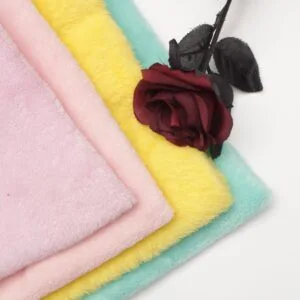
يتحول السوق من الشراء للأغراض العامة إلى المصادر التي تعتمد على التطبيقات. لا ينبغي تحديد نسيج مجموعة بيجامة خفيفة الوزن بنفس طريقة تحديد بطانية الشتاء أو رداء الحمام أو قطعة الأطفال أو سرير الحيوانات الأليفة.
يشجع هذا التغيير المشترين على تقييم بنية الوبر، ووزن القماش، والعرض، والتشطيب، واتساق اللون، وسلوك التكديس، وتكرار الطلب قبل تأكيد الإنتاج.
Xize المنسوجات نسيج الصوف المرجاني متوفر في تركيبات بوليستر 100%، بعرض من 1.6 إلى 2.5 متر، وأوزان من 200 إلى 300 جرام في المتر المربع، وخيارات أحادية أو مزدوجة الجوانب، وتصميمات صلبة أو مطبوعة.
الراحة أصبحت قابلة للقياس
تظل النعومة نقطة بيع رئيسية، لكن المشترين المحترفين يقارنون النعومة بشكل متزايد قبل الغسيل وبعده. قد تبدو العينة الرقيقة جدًا مثيرة للإعجاب في البداية، إلا أن تسطيح الأكوام أو تساقطها أو تكديسها يمكن أن يقلل من قيمة المنتج النهائي.
الشعور الأولي باليد
يصف ملمس اليد الأولي النعومة والنعومة والامتلاء والدفء الذي يحدث عند لمس القماش لأول مرة. إنه مهم لعينات صالة العرض، وعرض البيع بالتجزئة، وجاذبية فتح العلبة، ولكن لا ينبغي أن يكون معيار الشراء الوحيد.
النعومة المحتجزة
تصف النعومة المحتجزة مدى بقاء السطح فخمًا بعد الغسيل والاستخدام المتكرر. يجب على المشترين طلب عينات تم اختبارها عند تطوير البطانيات أو الجلباب أو البيجامات أو منتجات الضيافة التي يتم تنظيفها بشكل متكرر.
يريد المشترون توازنًا أفضل بين الدفء والوزن
يريد المستهلكون عمومًا منتجات دافئة لا تبدو ثقيلة بلا داع. وهذا يخلق طلبًا على كثافة الأكوام المتوازنة والبناء بدلاً من مجرد اختيار أعلى نظام GSM متاح.
بالنسبة للعديد من المنتجات، يمكن للصوف المرجاني 200 mor300 GSM الذي تم اختياره بعناية أن يوفر مزيجًا عمليًا من الدفء والستارة وكفاءة التعبئة والتكلفة. لا يزال الاختيار المثالي يعتمد على المناخ وحجم المنتج وموقع البيع بالتجزئة وما إذا كانت المادة أحادية الجانب أو مزدوجة الجانب.
الاتجاه 1: الصوف المرجاني المعاد تدويره يقترب من المصادر السائدة
يعد البوليستر المعاد تدويره أحد أهم المحادثات المادية التي تؤثر على المنسوجات الاصطناعية. توفر معايير Textile Exchange المعاد تدويرها معايير طرف ثالث للمحتوى المعاد تدويره وسلسلة الحراسة، بينما يضيف المعيار العالمي المعاد تدويره متطلبات بيئية واجتماعية ومتطلبات المعالجة الكيميائية.
وهذا لا يعني أن كل طلب لعام 2026 يجب أن يستخدم خيوطًا معاد تدويرها. وهذا يعني أنه من المرجح أن يتساءل المشترون عما إذا كان خيار الصوف المرجاني المعاد تدويره متاحًا، وما هي النسبة المئوية المعاد تدويرها، وما هي الشهادة التي تدعم المطالبة، وما إذا كان الأداء يختلف عن البوليستر البكر.
المحتوى المعاد تدويره
يشير المحتوى المعاد تدويره إلى نسبة المواد المعاد تدويرها التي تم التحقق منها والمستخدمة في المنسوجات. يجب على المشترين تجنب الاعتماد فقط على مصطلحات واسعة مثل “eco-” وبدلاً من ذلك طلب نطاق الشهادة ومستندات المعاملات حيثما ينطبق ذلك وبيان محتوى الألياف الواضح.
سلسلة الحضانة
تسجل سلسلة الحضانة كيفية تحرك المواد المعتمدة عبر سلسلة التوريد. فهو يساعد فرق الشراء على التمييز بين المنتج المعاد تدويره الذي تم التحقق منه والمطالبة التسويقية غير المدعومة.
تكافؤ الأداء
تكافؤ الأداء يعني أن النسخة المعاد تدويرها يجب أن تلبي النعومة واللون والقوة وثبات الغسيل ومظهر المنتج المقصود المطلوب. ولذلك يجب أن تغطي الموافقة على عينة الصوف المرجاني كلاً من وثائق الاستدامة والأداء المادي.
الاتجاه 2: الكيمياء الأكثر أمانًا وإصدار الشهادات تصبح مرشحات شراء
أصبحت سلامة المنسوجات متطلبًا للمصادر وليس شارة زخرفية. أويكو تكس ستاندرد 100 يغطي المنسوجات التي تم اختبارها بحثًا عن مواد ضارة، مع متطلبات أكثر صرامة للمنتجات التي تنطوي على ملامسة الجلد بشكل أقرب أو أكثر حساسية.
وهذا مهم بشكل خاص عندما يكون الصوف المرجاني مخصصًا لبطانيات الأطفال أو الفراش أو أردية الحمام أو ملابس النوم أو الألعاب أو غيرها من منتجات الاتصال المباشر. يجب على المشترين التحقق من رقم الشهادة الفعلي والصلاحية وفئة المنتج ونطاق المنتج بدلاً من افتراض أن شهادة مصنع واحدة تغطي كل نسيج تلقائيًا.
فئة المنتج
تعكس فئة المنتج المستوى المقصود من ملامسة الجلد وحساسية المستخدم. تواجه منتجات الأطفال متطلبات أكثر صرامة من المنسوجات المزخرفة، لذلك يجب تحديد الاستخدام النهائي قبل مناقشة الاختبار أو الشهادة.
نطاق الشهادة
يحدد نطاق الشهادة المادة أو اللون أو اللمسة النهائية أو المكون أو المنتج الذي سيتم تغطيته. لا يجوز تطبيق الشهادة على كل تصميم مطبوع أو مادة كيميائية نهائية أو منتج مخيط نهائي.
الشفافية الكيميائية
الشفافية الكيميائية تعني أن المورد يمكنه تقديم معلومات واضحة حول الأصباغ والمواد المساعدة وطرق التشطيب وضوابط المواد المقيدة. في عام 2026، يمكن أن تساعد هذه الإمكانية مشتري B2B على تقليل مخاطر الامتثال والإجابة على أسئلة العملاء النهائية بثقة أكبر.
الاتجاه 3: الصوف المرجاني GSM يصبح أكثر تحديدًا للتطبيقات
GSM يعني جرام لكل متر مربع ويشير إلى وزن القماش. إنه مفيد، لكنه لا يحدد بشكل مستقل الدفء أو النعومة أو السُمك أو الجودة الشاملة.
يمكن أن يبدو نسيجان من الصوف المرجاني لهما نفس GSM مختلفين بسبب دقة الخيوط، وكثافة الحياكة، وارتفاع الوبر، والتنظيف بالفرشاة، والتشطيب، والبناء أحادي أو مزدوج الجوانب. يجب على المشترين مقارنة GSM مع ملمس اليد، واستعادة الوبر، واستقرار الأبعاد، ومتطلبات المنتج النهائي.
تطوير خفيف الوزن
يمكن أن تناسب الخيارات ذات الوزن المنخفض ملابس النوم الداخلية، والرميات خفيفة الوزن، وبطانيات السفر، والمنتجات الترويجية، والأسواق ذات الشتاء المعتدل. يمكنهم أيضًا تقليل وزن الشحن، ولكن يجب على المشترين التحقق مما إذا كانت المادة تصبح رقيقة جدًا أو شفافة بالنسبة للتصميم المقصود.
تنوع الوزن المتوسط
يتم اختيار الصوف المرجاني متوسط الوزن عادة للبطانيات والبيجامات والأردية وأغطية الوسائد والمنسوجات المنزلية العامة. وعادة ما يوفر توازنًا عمليًا بين النعومة والدفء وأداء الخياطة والتكلفة.
الإنشاءات الأثقل
يمكن أن تدعم الخيارات الأثقل البطانيات الشتوية المتميزة، والأردية السميكة، وفراش الحيوانات الأليفة، ومنتجات المناخ البارد. ومع ذلك، قد يؤدي الوزن الزائد إلى زيادة استخدام المواد، وتكلفة الشحن، ووقت التجفيف، والسائبة، لذلك يجب أن يخلق فائدة وظيفية أو تجارية واضحة.
جدول اختيار وزن الصوف المرجاني
| المنتج المقصود | اتجاه الشراء المقترح | الاختبارات الرئيسية للطلب | مخاطر الشراء الرئيسية |
|---|---|---|---|
| بيجامة خفيفة الوزن | أقل إلى متوسط الوزن مع ثنى ناعم | ثبات اللون والتراكم والانكماش | يبدو القماش ضخمًا أو يحبس الكثير من الحرارة |
| أرواب حمام | متوسط الوزن مع لمسة نهائية مناسبة للامتصاص | امتصاص الماء ووقت التجفيف ومظهر الغسيل | بافتراض أن البوليستر ماص تلقائيًا |
| بطانيات الشتاء | الوزن المتوسط إلى البناء الأثقل | الدفء واستعادة الأكوام والتساقط | الوزن الزائد يزيد من الشحن والتكلفة |
| منتجات الأطفال | كومة ناعمة يمكن التحكم فيها وسلامة تم التحقق منها | اختبار المواد الضارة، والتخلص منها، ومتانة الغسيل | نطاق الشهادة لا يتطابق مع الاستخدام النهائي |
| أسرة وبطانيات للحيوانات الأليفة | سطح كثيف ومتين وسهل العناية | اختبار التآكل والتكديس والرائحة والغسيل | الحصائر السطحية بسرعة تحت الاستخدام المتكرر |
| الوسائد والرميات | هيكل مستقر مع تشطيب زخرفي | اتساق اللون وسلوك التماس والمظهر | لا يمكن تكرار العينات الجذابة بكميات كبيرة |
الاتجاه 4: الأسطح المخصصة تخلق المزيد من تمايز المنتجات
تظل الألوان الصلبة البسيطة مهمة لأنه من السهل تنسيقها عبر المجموعات. ومع ذلك، يستخدم تطوير المنتجات لعام 2026 بشكل متزايد تصميم السطح لإنشاء اختلافات أكثر وضوحًا بين خطوط المستوى المبتدئ والموسمي والمتميز وخطوط العلامات الخاصة.
تدعم شركة Xize Textile الصباغة والطباعة المخصصة بالإضافة إلى عمليات مثل الطباعة بالرش والنقش والطباعة بالفرشاة عبر مجموعة الأقمشة الخاصة بها. يمكن أن تساعد هذه الخيارات العلامات التجارية على تطوير بطانيات وملابس نوم وإكسسوارات ومفروشات ناعمة ومنتجات قطيفة مميزة من الصوف المرجاني.
الطباعة المخصصة
تسمح الطباعة المخصصة للمشتري بتقديم أنماط موسمية، أو موضوعات للأطفال، أو رسومات العلامة التجارية، أو التصميمات الهندسية، أو مجموعات نمط الحياة. قبل الإنتاج بالجملة، يجب على المشتري تأكيد حجم التكرار، وتحمل اللون، واختراق الطباعة، وتغييرات ملمس اليد، وثبات الغسيل.
نسيج منقوش
يخلق النقش نمطًا سطحيًا مرتفعًا أو غائرًا دون الاعتماد فقط على اللون المطبوع. يمكنه زيادة العمق البصري والقيمة الملموسة مع الحفاظ على المظهر الناعم أحادي اللون.
برامج الألوان ذات العلامات التجارية
يستخدم برنامج الألوان ذو العلامة التجارية معايير ألوان محددة عبر الطلبات المتكررة. بالنسبة للمجموعات طويلة الأمد، غالبًا ما تكون الانخفاضات المعملية المتسقة والتحكم في الظل المجمع أكثر أهمية تجاريًا من تقديم مئات من خيارات الألوان التي لم يتم التحقق منها.
الاتجاه 5: الألوان الهادئة والتصميم اللمسي تكتسب قيمة تجارية
تتحرك اتجاهات الألوان بسرعة، لكن المنسوجات التي تركز على الراحة غالبًا ما يكون أداؤها أفضل عندما يعزز مظهرها الدفء والاسترخاء. يمكن أن تدعم الألوان المحايدة الناعمة والظلال المستوحاة من المعادن والألوان الأرضية الدافئة والأزرق الضبابي والأخضر الصامت والباستيل اللطيف مجموعات الفراش وملابس النوم والحضانة والراحة المنزلية.
لا تزال الألوان الجريئة تناسب منتجات الأطفال والبطانيات الترويجية ونطاقات الأعياد والتصميمات الموجهة للشباب. الاتجاه الأكثر أهمية لعام 2026 ليس لونًا عالميًا واحدًا. إنها تقوم ببناء لوحة صوف مرجانية يمكن التحكم فيها حول عميل وموسم وقناة بيع بالتجزئة واضحة.
راحة هادئة
تستخدم الراحة الهادئة ألوانًا مقيدة وملمسًا ناعمًا لخلق مزاج هادئ ومتميز. يناسب هذا الاتجاه الفراش الحديث والرميات والأردية والمجموعات المنزلية البسيطة.
نعومة مرحة
تجمع النعومة المرحة بين الألوان الزاهية أو المطبوعات أو الأنماط الجديدة مع ملمس اليد الفخم. إنها مناسبة لبطانيات الأطفال والألعاب الفخمة وإكسسوارات الحيوانات الأليفة ومنتجات الهدايا الموسمية.
فائدة سطحية متميزة
يستخدم الاهتمام السطحي المتميز النقش أو الرقائق أو الملمس المستوحى من الجاكار أو تأثيرات الأكوام المنسقة لزيادة القيمة المرئية. يمكن أيضًا مقارنة المشترين الذين يستكشفون المزيد من المنتجات الزخرفية طباعة الفانيلا و نسيج الجاكار الحياكة السداة مع الإنشاءات الفخمة القياسية.
الاتجاه 6: يقارن المشترون الصوف المرجاني بالأقمشة البديلة
يكون اختيار نسيج الصوف أسهل عند مقارنة المواد بالتطبيق وليس بالمظهر وحده. يُعرف الصوف المرجاني بسطحه الفخم، وسهولة العناية به، والدفء، ومرونة اللون، واستخدامه على نطاق واسع في الملابس والمنسوجات المنزلية، ولكن قد يكون أداء البناء الآخر أفضل لمشروع معين.
| نوع القماش | سطح نموذجي | القوة الرئيسية | أفضل المنتجات | ما يجب على المشترين التحقق منه |
| الصوف المرجاني | كومة ناعمة، قطيفة، تشبه المرجان | النعومة والدفء والتنوع | البطانيات والجلباب والبيجامات والمناشف والوسائد | علاج بيلينغ والتساقط والامتصاص |
| الصوف الشبيه بالحمل | كومة سميكة مستوحاة من الصوف | الدور العلوي والدفء الشتوي | السترات والمواد الحرارية والإكسسوارات الشتوية | الحجم والوزن ومتانة الوبر |
| طباعة الفانيلا | وجه قطيفة ناعم مع تأثيرات زخرفية | التخصيص المرئي | البطانيات والديكور وإكسسوارات الموضة | طباعة أو رقائق معدنية المتانة |
| صوف البوليستر الكاتيوني | سطح ناعم مع تأثيرات ألوان غنية أو ميلانج | عمق اللون وإمكانات مضادة للكهرباء الساكنة | ملابس النوم والفراش والإكسسوارات | اتساق الصبغة ومطالبات التشطيب |
| جاكار محبوك | سطح منقوش منظم | استقرار الأبعاد والتصميم | الديكور المنزلي والملابس والمنسوجات المتخصصة | تكرار النمط واستعادة النسيج |
للمشترين الذين يحتاجون إلى سطح يشبه الصوف وطابع شتوي أثقل، Xize Textile's نسيج الصوف قد يكون بديلا مفيدا. بالنسبة للمنتجات التي تتطلب تأثيرات ألوان مميزة أو وضع مضاد للكهرباء الساكنة،, ألياف البوليستر الكاتيونية يمكن أيضا النظر فيها.
الاتجاه 7: المتانة تصبح جزءًا من الاستدامة
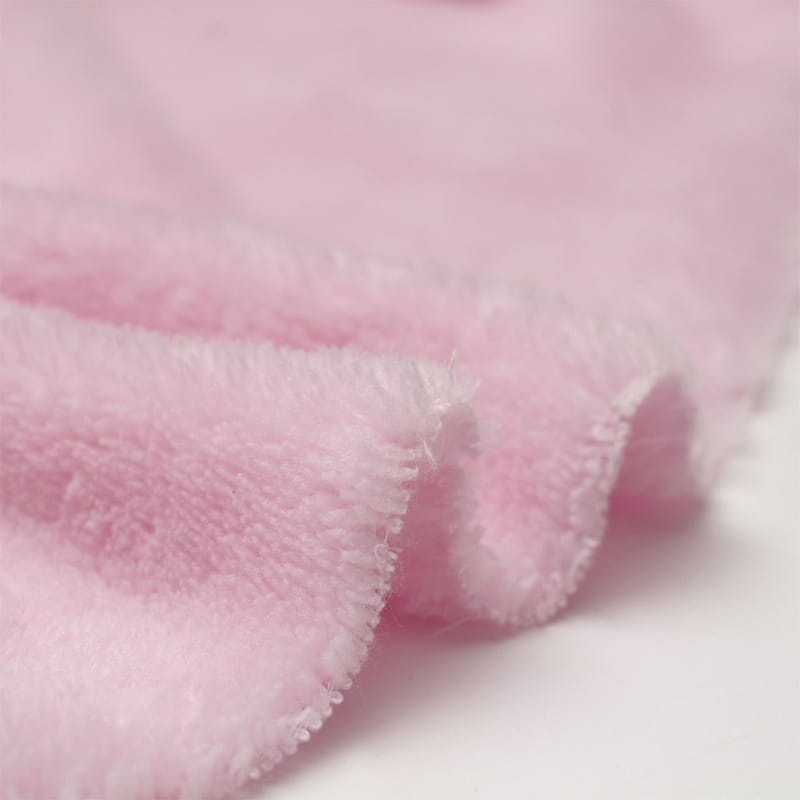
لا تقتصر الاستدامة على محتوى الألياف المعاد تدويرها. قد يكون للمنتج الذي يتخلص بسرعة أو يفقد شكله أو يصبح غير جذاب بعد الغسيل عمرًا قصيرًا قابلاً للاستخدام حتى عندما تبدو مادته الخام مفضلة بيئيًا.
ال استراتيجية النسيج للمفوضية الأوروبية يؤكد على المنسوجات المتينة والقابلة للإصلاح وإعادة التدوير والمصنوعة إلى حد كبير من ألياف معاد تدويرها وخالية من المواد الخطرة. يقدم إطار التصميم البيئي للاتحاد الأوروبي أيضًا مفهوم جوازات سفر المنتجات الرقمية ومعلومات أوسع حول استدامة المنتج.
متانة الغسيل
تقيس متانة الغسيل التغيرات في الأبعاد ومظهر السطح والنعومة واللون وبنية الوبر. يجب على المشترين تحديد طريقة العناية المتوقعة وعدد دورات الاختبار التي تعكس منتج الصوف المرجاني الحقيقي.
مقاومة بيلينغ
تقوم مقاومة التكديس بتقييم ميل الألياف السائبة إلى تكوين كرات صغيرة على السطح. إنه مهم بشكل خاص للبيجامات والبطانيات والوسائد ومنتجات الحيوانات الأليفة والأشياء المعرضة للاحتكاك المتكرر.
الإصلاح والاستبدال
بالنسبة للسلع المخيطة، يمكن أن تؤدي الحواف المتينة والدرزات الموثوقة والمكونات القابلة للاستبدال وتعليمات العناية الواضحة إلى توسيع نطاق استخدام المنتج. ولذلك ينبغي تنسيق اختيار القماش مع بناء المنتج بدلاً من التعامل معه كقرار منفصل.
الاتجاه 8: التخصيص المرن وعمليات التطوير الأصغر مهمة أكثر
تطلق العلامات التجارية مجموعات أكثر استهدافًا وتختبر التصميمات قبل الالتزام بمخزونات كبيرة. وهذا يجعل سرعة أخذ العينات، وتطوير الألوان، وتجارب الطباعة، ومتطلبات الحد الأدنى من الطلب الواقعية عوامل مهمة لاختيار الموردين.
يمكن للمورد الذي لديه فئات نسيج متعددة أيضًا مساعدة المشترين في بناء عائلات منتجات منسقة. Xize المنسوجات مجموعة المنتجات الكاملة يتضمن خيارات السداة واللحمة المحبوكة للمنسوجات المنزلية والملابس والمفروشات الناعمة ومنتجات الاستحمام والألعاب القطيفة والتطبيقات ذات الصلة.
الاتساق من عينة إلى السائبة
الاتساق من عينة إلى السائبة يعني إعادة إنتاج النعومة والظل والعرض والوزن والتشطيب المعتمد في الإنتاج. يجب على المشترين تسجيل مواصفات الصوف المرجاني القابلة للقياس بدلاً من الموافقة عليها فقط عن طريق الانطباع البصري.
موك التنمية
موك التطوير هو الحد الأدنى من الكمية اللازمة لأخذ العينات أو الإنتاج المخصص. قد يختلف حسب القماش الأساسي واللون وعملية الطباعة ومتطلبات الخيوط المعاد تدويرها وطريقة التشطيب.
تكرار الطلب الموثوقية
تصف موثوقية الطلب المتكرر قدرة المورد على إعادة إنتاج القماش المعتمد بعد أشهر. بالنسبة لبرامج البيع بالجملة وبرامج العلامات التجارية الخاصة، يمكن أن تكون طلبات التكرار المستقرة أكثر قيمة من أقل سعر للطلب الأول.
كيف يجب على المشترين الحصول على الصوف المرجاني في عام 2026؟
يجب أن يقوم الاستفسار الاحترافي بتوصيل المنتج النهائي والسوق المستهدف والحجم المتوقع وملمس اليد المطلوب والعرض ونظام GSM واللون أو النمط واحتياجات الشهادة ومتطلبات الاختبار وجدول التسليم.
تساعد هذه المعلومات المورد على التوصية ببناء واقعي بدلاً من الاستشهاد بنسيج الصوف المرجاني العام.
الخطوة 1: تحديد المنتج النهائي
اذكر ما إذا كانت المادة ستستخدم في البطانيات أو الجلباب أو البيجامات أو مستلزمات الأطفال أو المناشف أو الوسائد أو الألعاب الفخمة أو منتجات الحيوانات الأليفة. قم بتضمين مواقع البيع بالتجزئة المتوقعة والمناخ حيثما كان ذلك مناسبًا.
الخطوة 2: اطلب العينة الصحيحة
اطلب أقرب بناء متاح بدلاً من أي عينة ناعمة. يجب أن تتطابق العينة مع الوزن المقصود والسطح واللون والتشطيب والهيكل أحادي أو مزدوج الجوانب.
الخطوة 3: وضع معايير الموافقة
تأكيد تحمل العرض، وتسامح GSM، والتحكم في الظل، ومستوى التكديس، والانكماش، وثبات اللون، والتساقط، والتعبئة، وطريقة الفحص.
عندما تكون هناك حاجة إلى الامتصاص أو التجفيف السريع، اطلب بيانات الاختبار الخاصة ببنية الصوف المرجاني المحددة بدلاً من افتراض الأداء من اسم الألياف.
الخطوة 4: التحقق من الوثائق
تحقق من تكوين الألياف، وشهادات السلامة، ومطالبات المحتوى المعاد تدويره، وتقارير الاختبار، ووثائق التصدير. تأكد من أن الأسماء ورموز المنتجات والتواريخ والنطاقات تتطابق مع القماش الذي يتم شراؤه.
الخطوة 5: تقييم التكلفة الإجمالية
قارن سعر القماش مع كفاءة القطع والعرض القابل للاستخدام ومعدل الخلل وحجم الشحن وفقدان المعالجة وأداء الغسيل وموثوقية إعادة الطلب.
قد لا ينتج أرخص الصوف المرجاني للكيلوغرام الواحد أقل تكلفة للمنتج النهائي.
أسئلة يطرحها المشترون حول الصوف المرجاني
هل لا يزال الصوف المرجاني نسيجًا جيدًا للبطانيات في عام 2026؟
نعم. يظل خيارًا عمليًا عندما يحتاج المشترون إلى الدفء والنعومة والألوان الزاهية والعناية السهلة والإنتاج القابل للتطوير.
يعتمد أفضل بناء على حجم البطانية والمناخ والسعر المستهدف والتعبئة ومتانة الغسيل المطلوبة.
ما هو GSM الذي يجب أن أختاره لبطانية الصوف المرجاني؟
لا يوجد GSM واحد صحيح. قد يناسب القماش متوسط الوزن البطانيات المنزلية العامة، في حين أن الإنشاءات الأثقل يمكن أن تدعم منتجات الشتاء المتميزة.
يجب أن يأخذ القرار النهائي أيضًا في الاعتبار كثافة الأكوام، والبناء أحادي أو مزدوج الجوانب، وحجم المنتج النهائي، وتكلفة الشحن.
هل الصوف المرجاني المعاد تدويره ناعم مثل البوليستر البكر؟
يمكن أن يكون الأمر كذلك، لكن الأداء يعتمد على جودة الخيوط والحياكة والتنظيف والتشطيب. يجب على المشترين مقارنة العينات المعتمدة ونتائج اختبار الغسيل بدلاً من افتراض أن المحتوى المعاد تدويره يحسن النعومة أو يقللها تلقائيًا.
هل يمكن استخدام الصوف المرجاني في أردية الحمام والمناشف؟
ويمكن تطويره لهذه التطبيقات، ولكن يجب تقييم إدارة المياه عند الانتهاء من البناء.
اطلب من المورد معلومات عن الامتصاص والتجفيف وأداء الغسيل لأن محتوى ألياف البوليستر وحده لا يضمن امتصاصًا يشبه المنشفة.
كيف أعرف ما إذا كانت شهادة المورد صالحة؟
اطلب رقم الشهادة وتحقق منه من خلال قاعدة البيانات الرسمية لهيئة التصديق. تحقق من اسم الشركة ووصف المنتج وفئة المنتج والنطاق وتاريخ الإصدار وتاريخ انتهاء الصلاحية.
خاتمة
يتجه سوق الصوف المرجاني لعام 2026 نحو المنتجات التي تجمع بين الراحة والقيمة الفنية وقيمة المصادر الأكثر وضوحًا. أصبحت الخيارات المعاد تدويرها، والسلامة التي تم التحقق منها، ونظام GSM الخاص بالتطبيقات، والنعومة المتينة، والأسطح المخصصة، والإنتاج المتكرر المتسق، من اعتبارات الشراء المركزية.
بالنسبة للمشترين، فإن الإستراتيجية الأكثر فعالية هي البدء بالمنتج النهائي والعمل بشكل عكسي وفقًا لمواصفات القماش. ومن خلال مقارنة العينات واختبار الأداء الواقعي والتحقق من الوثائق وتقييم التكلفة الإجمالية بدلاً من سعر الوحدة وحده، يمكن للعلامات التجارية اختيار الصوف المرجاني الذي يدعم رضا العملاء والقيمة التجارية طويلة الأجل.
الأسئلة الشائعة حول اتجاهات الصوف المرجاني لعام 2026
ما هو أكبر اتجاه للصوف المرجاني في عام 2026؟
التغيير الأكبر هو مصادر أكثر انضباطًا. يجمع المشترون بين النعومة والسعر مع التحقق من المحتوى المعاد تدويره، والكيمياء الأكثر أمانًا، ومتانة الغسيل، والوزن الخاص بالتطبيق، واتساق العرض.
هل سيظل الصوف المرجاني المطبوع شائعًا؟
نعم. تستمر التصميمات المطبوعة في دعم منتجات الأطفال والمجموعات الموسمية والهدايا والبيجامات وإكسسوارات الحيوانات الأليفة والمنسوجات المنزلية.
يستخدم المشترون أيضًا برامج النقش والألوان الصلبة التي يتم التحكم فيها لإنشاء مجموعات أكثر تميزًا أو بسيطة.
ما الذي يجب أن أختبره قبل تقديم طلب بالجملة؟
على الأقل، قم بتقييم GSM، والعرض القابل للاستخدام، والظل، وملمس اليد، والتكديس، والتساقط، وثبات اللون، والانكماش، ومظهر السطح بعد الغسيل، والتعبئة.
أضف التحقق من الامتصاص أو التآكل أو المواد الضارة أو المحتوى المعاد تدويره عندما يطلب المنتج ذلك.
هل الصوف المرجاني الأثقل ذو جودة أفضل دائمًا؟
لا. يمكن أن يؤدي الوزن الأعلى إلى زيادة الدفء والامتلاء، ولكن الجودة تعتمد أيضًا على الخيوط وثبات الحياكة وتوحيد الوبر والتشطيب واتساق اللون والمتانة.
قد يؤدي الوزن الزائد إلى جعل المنتج أكثر تكلفة ويصعب شحنه دون تحسين قيمة العميل.
ما هو خيار الصوف المرجاني الأفضل للمنتجات ذات العلامات التجارية الخاصة؟
الخيار الأفضل هو البناء الذي يتوافق مع العميل المستهدف للعلامة التجارية ونقطة السعر. يجب على مشتري العلامات التجارية الخاصة إعطاء الأولوية للألوان القابلة للتكرار، وورقة مواصفات واضحة، وعينات معتمدة، ومعالجة مخصصة موثوقة، وإنتاج بالجملة متسق.
أين يمكنني طلب عينات الصوف المرجاني المخصصة؟
يمكن للمشترين إرسال نوع منتجهم ونظام GSM المطلوب والعرض واللون والطباعة والتشطيب والكمية واحتياجات الشهادات وسوق الوجهة من خلال نسيج Xize صفحة الاتصال.
إن توفير ملخص تفصيلي للتطبيق سيساعد المورد على التوصية بخيار أكثر دقة للصوف المرجاني.