
مرحبا بكم في مدونتي! يسعدني وجودك هنا!
قبل أن نتعمق في المحتوى، أود أن تنضم إلي على منصات التواصل الاجتماعي الخاصة بي. إنه المكان الذي أشارك فيه رؤى إضافية، وأتواصل مع مجتمعنا المذهل، وأبقيك على اطلاع بآخر الأخبار.
إليك كيف يمكنك البقاء على اتصال:
📘 الفيسبوك: سوتشو Xize شركة تكنولوجيا النسيج المحدودة.
الآن، دعونا نبدأ هذه الرحلة معًا! أتمنى أن تجد المحتوى هنا ليس ثاقبًا فحسب، بل ملهمًا وقيمًا أيضًا. لنبدأ!
جدول المحتويات
مقدمة
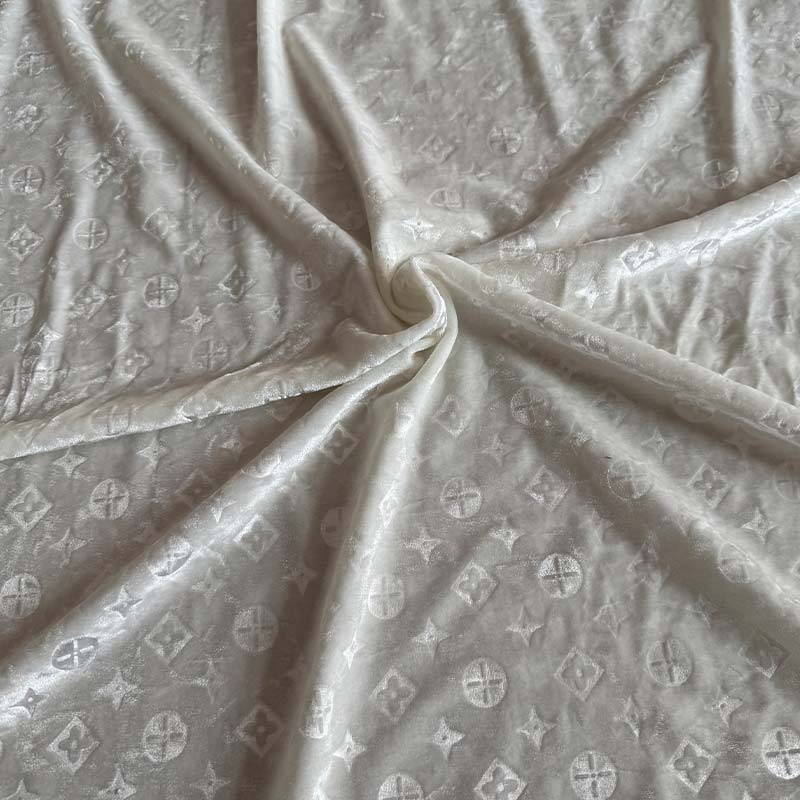
في سوق المنسوجات العالمية، تحول اختيار المواد من “-appearance-drive-prelance-drive.” بين الأقمشة الفاخرة،, قماش مخملي مطبوع لقد برزت كواحدة من أسرع الفئات نموًا نظرًا لمزيجها من النعومة والعمق البصري والمتانة وتعدد استخدامات التصميم.
وفقًا لتقرير مواد النسيج العالمي لعام 2025 (رؤى تبادل المنسوجات وماكينزي)، زاد الطلب على الأقمشة المزخرفة المخملية بمقدار تقريبًا 18 intermic22% على أساس سنوي في قطاعات المنسوجات والأزياء المنزلية المتميزة, ، وخاصة في أوروبا وأمريكا الشمالية والشرق الأوسط.
ومع ذلك، ليست كل الأقمشة المخملية تقدم نفس الأداء. ال جودة القماش المخملي المطبوع يختلف بشكل كبير اعتمادًا على تكوين الألياف، وتكنولوجيا الطباعة، ودقة النقش، وثبات الصبغة، وتقنيات التشطيب. قد يعاني المخمل ذو الجودة الرديئة من البهتان والتكديس والتشوه بعد بضع دورات غسيل فقط، في حين أن المخمل عالي الجودة يمكنه الحفاظ على سلامة الهيكل واللون لسنوات.
وهذا يجعل تقييم الجودة عاملاً حاسماً للمصنعين والمصممين والمشترين بالجملة.
نظرة عامة على جودة الأقمشة المخملية المطبوعة والتعريف الصناعي
ما الذي يحدد جودة القماش المخملي المطبوع؟
جودة قماش مخملي مطبوع يشير إلى مجموعة من مؤشرات الأداء البدني والبصري والوظيفي، بما في ذلك:
- كثافة الألياف وتوحيد الوبر
- ثبات اللون تحت الغسيل والتعرض للضوء
- وضوح النمط المنقوش واتساق العمق
- قوة شد النسيج ومقاومة التمزق
- متانة السطح ضد التكديس والتآكل
في هندسة النسيج الصناعية، لا يتم قياس الجودة بصريًا فحسب، بل أيضًا من خلال بروتوكولات الاختبارات المعملية الموحدة.
الهندسة الإنشائية للنسيج المخملي المطبوع
يتكون المخمل المطبوع من طبقات هندسية متعددة
نظام طبقة النسيج
- طبقة النسيج الأساسية: يوفر الاستقرار الهيكلي
- طبقة كومة مخملية: يخلق النعومة والعزل
- طبقة مطبوعة/منقوشة: يحدد الملمس والنمط الجمالي
التفاعل بين هذه الطبقات يحدد الأداء النهائي ل قماش مخملي مطبوع.
عملية تصنيع متقدمة وراء جودة القماش المخملي المطبوع
هندسة الألياف واختيار الغزل
يستخدم المخمل المطبوع الراقي عادةً:
- ألياف البوليستر الدقيقة (0.8 بوصة 1.2 منكر)
- خيوط مخملية كورية
- ألياف مرنة مخلوطة من أجل المرونة
يتحسن قطر الألياف الدقيقة:
- مؤشر النعومة
- دقة الطباعة
- توحيد انعكاس الضوء
تكنولوجيا الطباعة في إنتاج الأقمشة المخملية المطبوعة
استخدامات الإنتاج الحديثة:
الطباعة التفاعلية الرقمية
- دقة ألوان عالية
- اختراق قوي للصبغة
- تقليل النفايات البيئية
طباعة نقل الحرارة
- دورات إنتاج سريعة
- مناسبة للتخصيص الشامل
طباعة الصباغ
- حل فعال من حيث التكلفة
- مستوى متانة معتدل
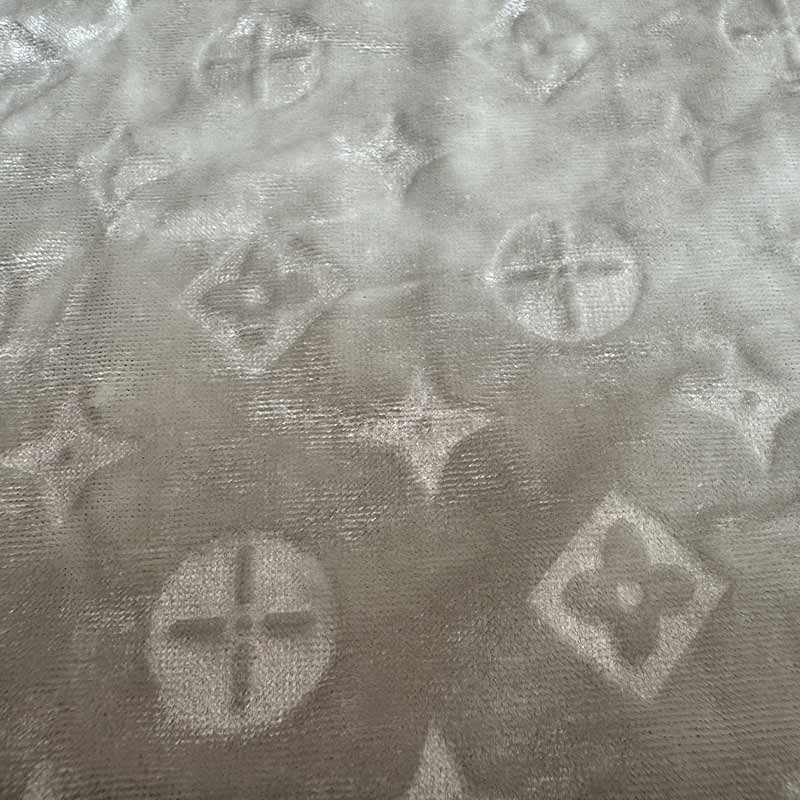
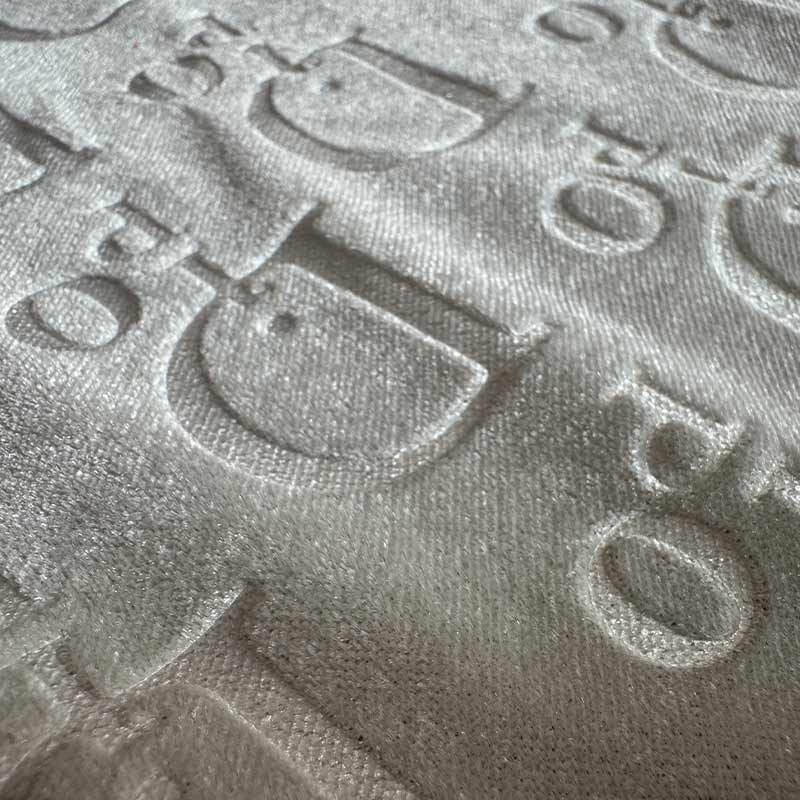
تكنولوجيا النقش وتشكيل الملمس
النقش هو عامل جودة حاسم في قماش مخملي مطبوع.
معلمات العملية
- درجة الحرارة: 120° مئوية، 180° مئوية
- الضغط: 30.80 طن حسب عمق النمط
- المدة: 10.25 ثانية
أنواع الأنماط
- هندسي (الماس، الموجة)
- النقش الزهري
- قوام تجريدي ثلاثي الأبعاد
تكنولوجيا التشطيب وتحسين السطح
تحدد مرحلة ما بعد المعالجة أداء القماش النهائي
- طلاء مضاد للتراكم
- علاج تليين
- تشطيب مضاد للكهرباء الساكنة
- تعزيز تثبيت اللون
تشطيب عالي الجودة يزيد من عمر القماش 3050% وفقا لدراسات متانة النسيج.
معايير جودة الأقمشة المخملية المطبوعة وأنظمة الاختبار
المعايير الدولية لاختبار المنسوجات
قسط قماش مخملي مطبوع يتم تقييمه تحت:
- ISO 105-C06 (ثبات لون الغسيل)
- ISO 12947 (اختبار مقاومة التآكل)
- ASTM D4966 (اختبار تآكل مارتنديل)
- AATCC 8 (اختبار ثبات الفرك)
بيانات الأداء المعيارية
| عنصر الاختبار | مخملية راقية | المخملية القياسية |
|---|---|---|
| ثبات اللون | الصف 4 · 5 | الصف 3 |
| مقاومة التآكل | > 20.000 دورة | 8000 إلى 12000 دورة |
| مقاومة بيلينغ | الصف 4 · 5 | الصف 2 3 |
| قوة الشد | >450 ن | 250350 ن |
| معدل الانكماش | <2% | 4 تش6% |
القماش المخملي المطبوع مقابل أنواع الأقمشة الأخرى (مقارنة عميقة)
نسيج مخملي مطبوع مقابل قماش الجاكار
| ميزة | المخملية المطبوعة | الجاكار |
|---|---|---|
| نسيج السطح | ناعم + منقوش | نمط منسوج |
| العمق البصري | عالي | متوسط |
| مستوى الراحة | عالي جدا | متوسط |
| حالات الاستخدام | أزياء + ديكور منزلي | ستائر + تنجيد |
نسيج مخملي مطبوع مقابل قماش مخملي عادي
- يوفر المخمل المطبوع تخصيصًا مرئيًا أعلى
- يوفر المخمل العادي جمالية أبسط ولكن مرونة تصميم أقل
- يتمتع المخمل المطبوع بجاذبية تجارية أقوى في أسواق التجزئة
نسيج مخملي مطبوع مقابل جلد سويدي صناعي
- المخمل: مظهر أكثر نعومة وفخامة
- جلد الغزال: لمسة نهائية غير لامعة، أكثر متانة في الاستخدام الخارجي
- يهيمن Velvet على التطبيقات الفاخرة الداخلية
التطبيقات الصناعية للنسيج المخملي المطبوع

تطبيقات صناعة الأزياء
الملابس الراقية
تستخدم في:
- فساتين السهرة
- معاطف الشتاء
- ملابس فاخرة
- مجموعات الأزياء البوتيكية
رؤية السوق
وفقًا لبيانات سلسلة توريد الأزياء لعام 2024، تمثل الملابس المخملية 12 inter5% من الأقمشة الشتوية الفاخرة المستخدمة في أوروبا.
تطبيقات المنسوجات المنزلية
- تنجيد أريكة فاخرة
- الديكور الداخلي للفندق
- أنظمة الستائر
- إكسسوارات الفراش الفاخرة
يعزز المخمل المطبوع العمق المكاني والقيمة الداخلية المتصورة.
التصميم الداخلي التجاري
- ستائر المسرح
- أكشاك المعرض
- مطعم جلوس فاخر
- تصميم ردهة الفندق
قماش مخملي مطبوع نظام مراقبة الجودة
عملية التفتيش المختبري
الخطوة 1: اختبار المواد الواردة
- تحليل تكوين الألياف
- اختبار قوة شد الغزل
الخطوة 2: المراقبة أثناء العملية
- فحص محاذاة الطباعة
- قياس عمق النقش
الخطوة 3: التقييم النهائي للمنتج
- فحص اتساق اللون
- اختبار متانة الغسيل
أنظمة إدارة الجودة الرقمية
استخدام المصانع الحديثة:
- الكشف عن العيوب على أساس الذكاء الاصطناعي
- أنظمة مسح سطح القماش
- أدوات مراقبة انحراف اللون
تعمل هذه الأنظمة على تقليل معدلات العيوب بما يصل إلى 2540% في خطوط الإنتاج الراقية.
اتجاهات سوق الأقمشة المخملية المطبوعة ورؤى الورق الأبيض
محركات نمو السوق العالمية
- ارتفاع الطلب على الديكور المنزلي الفاخر
- نمو خطوط الأزياء السريعة المتميزة
- زيادة تفضيل المستهلك للأقمشة اللمسية
رؤى الكتاب الأبيض للصناعة (2025)
وتشمل النتائج الرئيسية ما يلي:
- تحل الأقمشة المخملية بشكل متزايد محل الجلود الاصطناعية في الديكور المنزلي
- ينمو إنتاج المخمل المستدام في +14% سنويًا
- يتجاوز اعتماد الطباعة الرقمية 60% في خطوط الإنتاج المخملية الجديدة
الاستدامة والتنمية البيئية
الابتكارات الصديقة للبيئة
حديث قماش مخملي مطبوع يشمل الإنتاج:
- أنظمة الصبغة المائية
- آلات النقش منخفضة الطاقة
- ألياف البوليستر المعاد تدويرها
الحد من الأثر البيئي
الإنتاج المستدام يقلل:
- استهلاك المياه بنسبة 25p40%
- انبعاثات الكربون بنسبة 15 ثانية20%
- النفايات الكيميائية بواسطة 30%
إطار قرار شراء الأقمشة المخملية المطبوعة
الخطوة 1: تحديد الغرض من التطبيق
- الموضة → النعومة + أولوية الستارة
- التنجيد → أولوية المتانة
- الملحقات → أولوية التصميم المرئي
الخطوة 2: تقييم مواصفات القماش
المعلمات الرئيسية:
- جرام لكل متر مربع (جرام لكل متر مربع): 180 جرام 350 جرام
- ارتفاع الكومة: 1.0 بوصة 2.5 ملم
- نسبة التمدد: 5 treac15%
الخطوة 3: التحقق من شهادة الجودة
- شهادة النسيج ISO
- أويكو-تكس ستاندرد 100
- تقارير اختبار SGS
جدول اختيار جودة القماش المخملي المطبوع
| عامل | جودة منخفضة | جودة عالية |
|---|---|---|
| الشعور بالسطح | خشن | فائقة النعومة |
| وضوح الطباعة | ضبابي | عالي الوضوح |
| متانة | منخفض | طويلة الأمد |
| ثبات اللون | ضعيف | قوي |
| الانتعاش المرن | فقير | ممتاز |
دراسة حالة الصناعة في العالم الحقيقي
تحولت العلامة التجارية الأوروبية للمنسوجات المنزلية إلى متميزة قماش مخملي مطبوع لأغطية الأرائك:
النتائج:
- تم تخفيض معدل إرجاع المنتج بمقدار 35%
- زاد رضا العملاء بمقدار 42%
- تحسن عمر المنتج من سنتين إلى 4+ سنوات
الأسئلة الشائعة
ما يحدد قماش مخملي مطبوع الجودة أكثر؟
تعد كثافة الألياف وتكنولوجيا الطباعة والمعالجة النهائية من أهم العوامل.
هل يتلاشى القماش المخملي المطبوع مع مرور الوقت؟
مخمل عالي الجودة مع طباعة صبغية تفاعلية يقاوم البهتان لسنوات.
هل القماش المخملي المطبوع مناسب للتنجيد؟
نعم، تعتبر إصدارات GSM العالية بشكل خاص (250 بوصة 350 GSM) مثالية.
كم من الوقت يستمر القماش المخملي المطبوع؟
يمكن أن تدوم الأقمشة الفاخرة لمدة 3 إلى 5 سنوات أو أكثر حسب الاستخدام.
ما هو أفضل GSM للنسيج المخملي؟
- الملابس: 180 بوصة 250 جرامًا للمتر المربع
- التنجيد: 250 بوصة 350 جرامًا للمتر المربع
خاتمة
الأداء والقيمة التجارية ل قماش مخملي مطبوع تعتمد بشكل كبير على هندسة الجودة، بدءًا من اختيار الألياف وحتى دقة الطباعة والمعالجة النهائية.
مع استمرار نمو الطلب العالمي على المنسوجات الفاخرة، يجب على المصنعين والمشترين إعطاء الأولوية لمؤشرات الجودة القابلة للقياس بدلاً من المظهر المرئي وحده.
المخمل المطبوع عالي الجودة ليس مجرد مادة نسيجية، بل هو مزيج من الدقة الهندسية والتصميم الجمالي والمتانة طويلة المدى، مما يجعله مادة أساسية في الموضة الحديثة والصناعات الداخلية.