
Welcome to My Blog! I’m thrilled to have you here!
Before we dive into the content, I’d love for you to join me on my social media platforms. It’s where I share extra insights, connect with our amazing community, and keep you updated on the latest news.
Here’s how you can stay connected:
📘 Facebook: Suzhou Xize Textile Technology Co., ltd.
Now, let’s embark on this journey together! I hope you find the content here not only insightful but also inspiring and valuable. Let’s get started!
Table of Contents
Introduction

In recent years, stretch spandex fabric has become a cornerstone of the sportswear industry, revolutionizing the way athletes and fitness enthusiasts approach performance clothing. This high-performance fabric is widely recognized for its superior elasticity, moisture-wicking capabilities, and durability, which allow sportswear brands to design garments that enhance mobility, comfort, and overall athletic performance.
Stretch spandex fabric is a synthetic fiber, typically blended with nylon or polyester, that provides significant stretch and recovery, making it ideal for apparel that requires close-fitting and flexible designs. Its ability to return to its original shape after repeated stretching is a critical factor for athletic clothing, which must withstand rigorous movements and frequent washing.
This article explores the reasons why stretch spandex fabric dominates sportswear, its benefits, common applications, production methods, and key considerations for both manufacturers and consumers. Additionally, it provides insights into current market trends, performance data, and guidance for selecting the right stretch spandex fabric for specific sportswear needs.
What Is Stretch Spandex Fabric?
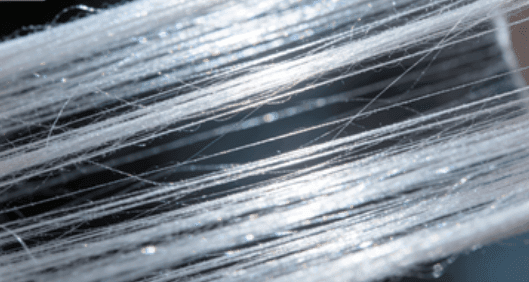
Stretch spandex fabric, also known simply as spandex, elastane, or Lycra, is a highly elastic synthetic fiber designed to stretch up to five times its original length and return to its initial shape. The material’s exceptional elasticity is achieved through a combination of polymer chemistry and specialized knitting techniques.
Key Characteristics of Stretch Spandex Fabric
- Elasticity and Recovery: Stretch spandex fabric offers exceptional elongation, ranging from 300% to 500%, with rapid recovery, ensuring garments maintain their shape.
- Lightweight and Breathable: The fabric is lightweight, soft, and allows for breathability, making it comfortable for prolonged athletic use.
- Moisture Management: Many stretch spandex fabrics incorporate moisture-wicking properties, drawing sweat away from the body to keep athletes dry and comfortable.
- Durability and Abrasion Resistance: Modern spandex blends are engineered for strength, resisting pilling, tears, and fabric fatigue.
Types of Stretch Spandex Fabric
- Nylon-Spandex Blends: Offers smooth texture, superior stretch, and high durability. Commonly used in leggings, compression garments, and swimwear.
- Polyester-Spandex Blends: Lightweight, moisture-wicking, and highly resistant to shrinking and fading. Frequently used in running shirts and sports bras.
- Performance Knits: Includes ribbed or interlock constructions for enhanced flexibility, support, and comfort.
Why Stretch Spandex Fabric Is Preferred in Sportswear

The dominance of stretch spandex fabric in sportswear can be attributed to several factors that directly enhance athletic performance, garment longevity, and consumer satisfaction.
Superior Comfort and Fit
Stretch spandex fabric conforms to the body, providing a second-skin fit that allows freedom of movement without restriction. Unlike traditional fabrics, it reduces friction and chafing, which is critical during high-intensity workouts or endurance sports.
Performance Enhancement
Athletes benefit from compression effects in stretch spandex fabric, which can improve blood circulation, reduce muscle vibration, and enhance proprioception. Studies have shown that well-designed compression garments can reduce muscle fatigue by up to 10% during prolonged activity.
Versatility in Design
The elasticity of stretch spandex fabric allows designers to create complex patterns, seamless constructions, and body-contouring silhouettes. This flexibility enables innovative designs for yoga, cycling, running, and swimwear that traditional fabrics cannot achieve.
Market Popularity and Trends
According to industry reports, the global spandex fiber market is expected to reach over $10 billion by 2028, growing at a CAGR of approximately 6%. Sportswear accounts for nearly 60% of this market, with stretch spandex fabric being the most sought-after variant. Flavored fabrics and moisture-wicking blends are particularly popular among younger consumers seeking both style and function.
Comparison of Common Stretch Spandex Fabric Blends
The following table highlights the key properties, performance metrics, and ideal applications of common stretch spandex fabric blends used in sportswear:
| Fabric Blend | Elasticity (Elongation %) | Moisture-Wicking | Durability | Ideal Sportswear Applications |
|---|---|---|---|---|
| Nylon-Spandex (80/20) | 400–500 | High | Very High | Leggings, swimwear, compression wear |
| Polyester-Spandex (85/15) | 350–450 | Very High | High | Running shirts, sports bras, jerseys |
| Cotton-Spandex (95/5) | 200–300 | Moderate | Moderate | Casual activewear, yoga pants |
| Microfiber Spandex | 300–400 | High | Very High | Athletic tops, base layers |
| Ribbed Knit Spandex | 350–450 | High | High | Body-hugging workout garments |
Detailed Insights
- Nylon-Spandex Blends: Offer smooth texture and excellent shape retention, perfect for swimwear and compression gear.
- Polyester-Spandex Blends: Excellent for sweat-intensive sports due to high moisture-wicking capabilities.
- Cotton-Spandex Blends: Prioritize comfort and softness but have less stretch compared to synthetic blends.
- Microfiber Spandex: Lightweight and breathable, suitable for multi-layer performance gear.
- Ribbed Knit Spandex: Structured texture provides moderate support while maintaining flexibility.
Applications of Stretch Spandex Fabric in Sportswear
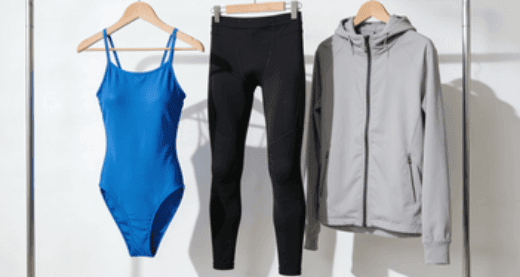
Stretch spandex fabric has broad applications across multiple athletic and fitness categories:
Activewear and Gym Clothing
From leggings and shorts to sports bras and tank tops, stretch spandex fabric enables a snug fit while allowing complete freedom of movement. Its combination of elasticity, durability, and breathability is ideal for weightlifting, running, and aerobics.
Swimwear and Water Sports Gear
The fabric’s quick-drying and shape-retaining properties make it perfect for swimwear, wetsuits, and rash guards. Blended with nylon, it ensures resistance to chlorine, saltwater, and sunlight.
Compression and Recovery Garments
Athletes rely on stretch spandex fabric for compression shorts, tights, and sleeves. These garments improve circulation, reduce muscle fatigue, and accelerate recovery.
Casual Sportswear
Stretch spandex fabric is increasingly used in athleisure fashion, including yoga pants, jogging sets, and lifestyle sneakers, combining comfort with style.
Production Process of Stretch Spandex Fabric
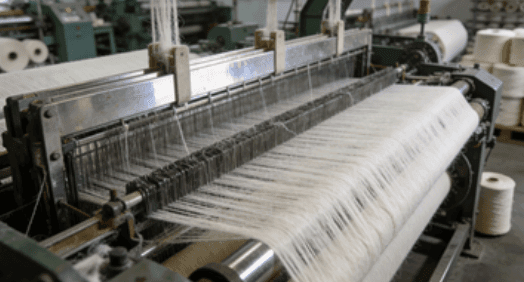
The production of stretch spandex fabric involves several critical steps to ensure optimal elasticity, durability, and quality:
Polymer Synthesis
The process begins with the creation of polyurethane-based elastomers, synthesized through polyaddition reactions of diisocyanates and polyols.
Fiber Spinning
The polymer is extruded through spinnerets to form fine filaments. Advanced spinning techniques, including dry spinning, wet spinning, and melt spinning, determine the fiber’s uniformity and tensile properties.
Blending with Other Fibers
Spandex filaments are commonly blended with nylon, polyester, or cotton to achieve the desired balance of stretch, comfort, and durability.
Knitting or Weaving
The blended fibers are knitted or woven into stretch fabrics. Techniques such as warp knitting and circular knitting allow for high elasticity and form-fitting structures.
Finishing
Final treatments include dyeing, heat-setting, and adding moisture-wicking or anti-odor coatings to enhance performance and consumer appeal.
Advantages of Using Stretch Spandex Fabric
- Enhanced Mobility: Offers unrestricted movement for high-performance sports.
- Long-Lasting Fit: Maintains shape over repeated use and washing.
- Comfort and Breathability: Lightweight and soft against the skin.
- Versatile Design: Allows seamless, body-contouring, and multi-layered garments.
- Durability: Resistant to abrasion, pilling, and stretching fatigue.
Considerations When Choosing Stretch Spandex Fabric
- Blend Ratio: Higher spandex content increases elasticity but may reduce softness.
- Moisture Management: Essential for sweat-intensive activities.
- Fabric Weight: Lightweight fabrics suit summer and high-intensity workouts, while heavier knits provide compression.
- Color Fastness: Ensures longevity under sun, sweat, and chlorine exposure.
Conclusion
Stretch spandex fabric has firmly established itself as the dominant material in sportswear due to its unparalleled elasticity, comfort, and performance capabilities. From professional athletic gear to casual activewear, the fabric provides a unique combination of flexibility, durability, and moisture management, allowing designers to create innovative and high-performance garments. As the demand for functional and stylish sportswear continues to grow, stretch spandex fabric will remain a critical material driving advancements in both performance and fashion.
FAQ
Q1: Is stretch spandex fabric suitable for all types of sportswear?
A1: Yes, stretch spandex fabric is highly versatile and can be used for leggings, tops, swimwear, compression garments, and casual activewear.
Q2: How should stretch spandex fabric be cared for?
A2: Hand washing or machine washing on a gentle cycle with mild detergent is recommended. Avoid high heat drying to maintain elasticity.
Q3: Can stretch spandex fabric improve athletic performance?
A3: Compression garments made from stretch spandex fabric can enhance circulation, reduce muscle fatigue, and support recovery.
Q4: What are the key differences between nylon-spandex and polyester-spandex blends?
A4: Nylon-spandex offers superior softness and smoothness, ideal for leggings and swimwear, while polyester-spandex excels in moisture-wicking and colorfastness, making it perfect for running and active tops.
Q5: How is stretch spandex fabric produced?
A5: It is synthesized as a polyurethane elastomer, spun into filaments, blended with other fibers, knitted or woven, and finished with treatments like dyeing or moisture-wicking coatings.