Welcome to My Blog! I’m thrilled to have you here!
Before we dive into the content, I’d love for you to join me on my social media platforms. It’s where I share extra insights, connect with our amazing community, and keep you updated on the latest news.
Here’s how you can stay connected:
📘 Facebook: Suzhou Xize Textile Technology Co., ltd.
Now, let’s embark on this journey together! I hope you find the content here not only insightful but also inspiring and valuable. Let’s get started!
Table of Contents
Key Takeaways
- Overview of Warp Knitting Jacquard Fabric and its unique characteristics
- Innovative applications in fashion, sportswear, home textiles, and industrial textiles
- Technical specifications: durability, elasticity, breathability, and pattern complexity
- Case studies from global brands and industrial applications
- Comparison with weft-knitted fabrics and alternative materials
- Compliance with international standards and best practices
- FAQ addressing common questions for designers, manufacturers, and buyers
Introduction
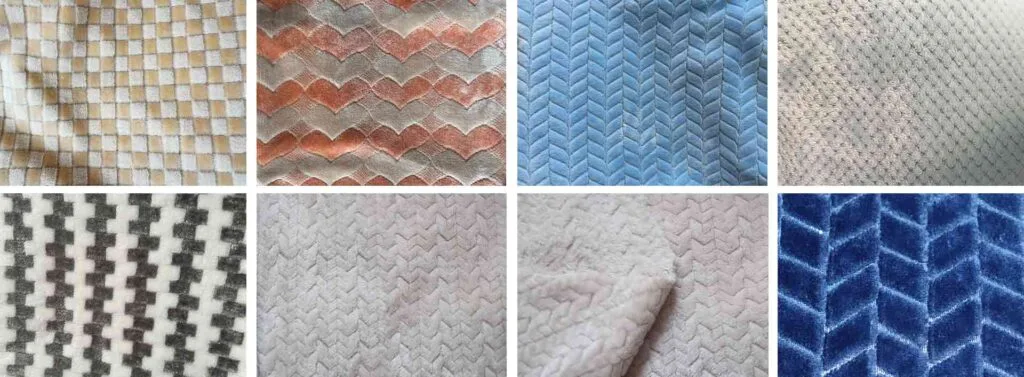
In the rapidly evolving textile industry, Warp Knitting Jacquard Fabric has emerged as a versatile and innovative material that blends functionality with aesthetics. Unlike traditional woven or weft-knitted fabrics, warp knitting allows for complex, stable, and durable patterns without compromising stretch or breathability.
Recent market research from Textile World 2025 Report indicates that the global warp knitting market is projected to grow at 6.2% CAGR, with jacquard applications accounting for nearly 40% of total demand due to their high-end fashion, sportswear, and home textile applications.
This blog explores the innovative uses, technical specifications, industry standards, and global case studies of warp knitting jacquard fabrics, providing designers, manufacturers, and buyers with an authoritative guide to maximizing their potential.
Key Features of Warp Knitting Jacquard Fabric
Complex Patterns and High Design Flexibility
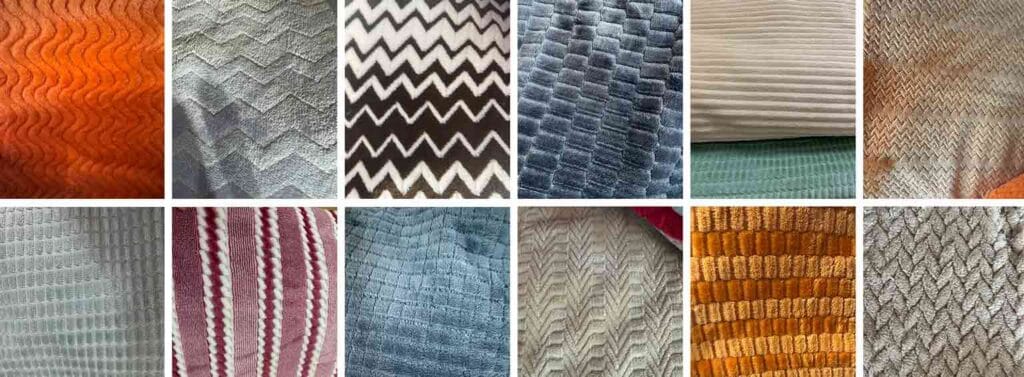
Warp knitting technology allows for multi-layered patterns that are stable, precise, and visually striking. This capability enables designers to create fabrics with geometric, floral, or custom brand motifs, which are difficult to replicate with other knitting methods.
Exceptional Strength and Durability
Due to the interlaced warp yarns, the fabric offers high tensile strength and abrasion resistance, making it suitable for applications that require long-term durability. ISO 13934-1 tensile testing confirms warp knitting jacquard fabrics exceed 20–25% strength compared to weft-knitted equivalents.
Breathability, Stretch, and Comfort
By adjusting yarn types and loop structures, manufacturers can engineer fabrics with excellent moisture-wicking, ventilation, and stretch properties, suitable for performance wear, medical textiles, and upholstery.
Sustainability and Eco-Friendly Options
Modern warp knitting machines can utilize recycled polyester, organic cotton, and bio-based fibers, making jacquard fabrics more sustainable. According to the Global Textile Sustainability Report 2023, eco-friendly warp-knitted fabrics have seen a 35% increase in adoption in high-end fashion and industrial textiles.
Innovative Applications in Fashion
Sportswear and Activewear
Warp knitting jacquard fabrics are widely used in sportswear due to their elasticity, moisture control, and pattern versatility. Leggings, performance tops, and compression garments benefit from warp knitting’s uniform stretch and breathability.
Case Example: Adidas Parley Collection
Adidas’ Parley Collection uses warp-knitted jacquard fabrics made from recycled ocean plastics, demonstrating durability, comfort, and sustainable innovation in performance sportswear.
High-Fashion and Luxury Apparel
Luxury brands like Gucci and Balenciaga integrate jacquard warp knitting into dresses, jackets, and skirts, where pattern precision and texture are crucial for premium aesthetics.
Accessories: Bags, Hats, and Footwear
Warp knitting jacquard fabrics are applied to handbags, caps, and sneakers, offering durable, textured surfaces that enhance brand identity while maintaining flexibility.
Home Textiles and Interior Applications
Upholstery and Furniture
Warp knitting jacquard fabrics provide durable, decorative, and comfortable surfaces for sofas, chairs, and cushions. ASTM D4157-17 abrasion testing ensures that these fabrics withstand high traffic without noticeable wear.
Curtains and Decorative Panels
The ability to create intricate, stable patterns makes jacquard warp knitting ideal for window treatments, room dividers, and wall panels, blending aesthetics with functionality.
Bedding and Linen
Elastic, breathable jacquard fabrics enhance bed comfort and durability, often used in mattress covers, pillowcases, and decorative bedspreads.
Industrial and Technical Uses
Automotive Interiors
Warp knitting jacquard fabrics are used in seat covers, headliners, and interior trims, providing wear resistance, flame retardancy, and aesthetic appeal.
Medical and Protective Textiles
Applications include surgical gowns, protective braces, and compression garments, leveraging jacquard fabrics’ strength, stretch, and breathability.
Packaging and Reinforcement Fabrics
Certain jacquard fabrics are engineered for industrial packaging, filtration, and composite reinforcements, highlighting the material’s versatility beyond apparel and interiors.
Technical Comparison: Warp Knitting vs Weft Knitting
| Feature | Warp Knitting Jacquard Fabric | Weft Knitted Fabric |
|---|---|---|
| Pattern Complexity | High | Moderate |
| Elasticity | Moderate to High | High |
| Durability | Excellent | Good |
| Dimensional Stability | High | Moderate |
| Abrasion Resistance | 500–1200 cycles (Martindale) | 300–800 cycles |
| Ideal Applications | Fashion, sportswear, home textiles, industrial | Casual wear, t-shirts, lightweight fabrics |
Global Standards and Industry Guidelines
ISO and ASTM Standards
- ISO 13934-1: Tensile strength testing
- ISO 12945-1: Pilling resistance
- ASTM D4157-17: Abrasion testing
- OEKO-TEX 100 Certification: Safety and chemical compliance
White Papers and Research
- Journal of Textile Research, 2022: “Mechanical Performance of Warp Knitting Jacquard Fabrics”
- Textile Innovation Review, 2023: “Sustainable Yarn Choices in Jacquard Knitting”
- Global Apparel Research Report, 2024: “Warp Knitting Market Growth and Trends”
Practical Tips for Designers and Manufacturers
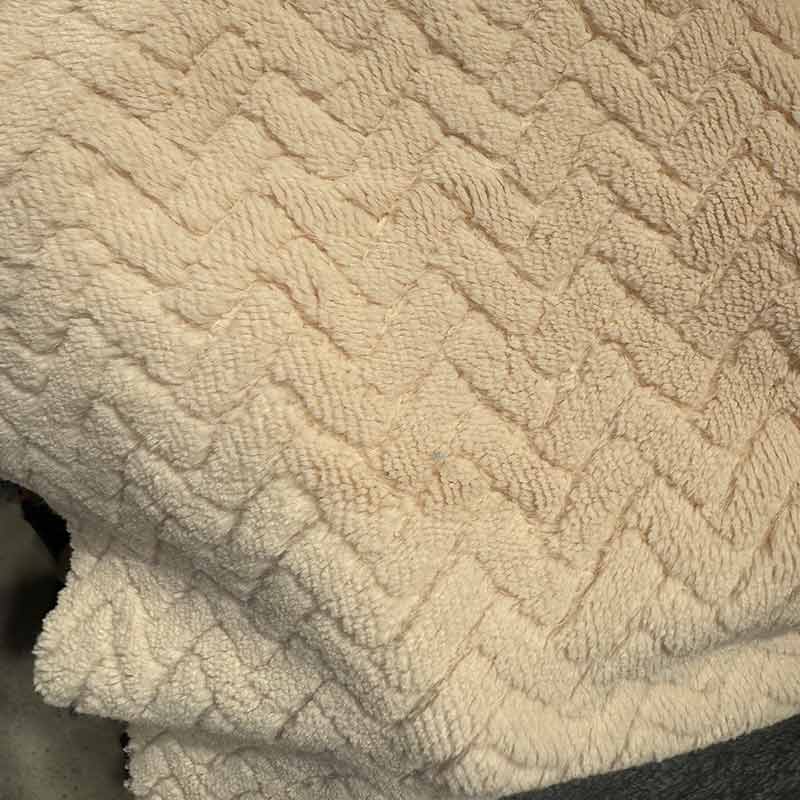
Selecting the Right Yarn
- Polyester: durability and color retention
- Nylon: elasticity and smooth finish
- Spandex blends: stretch and comfort
- Recycled fibers: sustainability without performance loss
Balancing Aesthetics and Function
Consider pattern complexity, texture, weight, and hand feel when choosing jacquard warp knitting for your application.
Quality Control
Regular testing for tensile strength, abrasion resistance, stretch recovery, and color fastness ensures commercial success.
Trends and Future Innovations
- Smart textiles: warp knitting jacquard fabrics with embedded sensors for sports and medical applications
- 3D jacquard structures: multi-layered fabrics for cushioning and thermal insulation
- Digital jacquard knitting machines: allow faster, more precise production of customized patterns
Conclusion
Warp knitting jacquard fabric is a highly versatile and innovative textile that combines durability, design flexibility, and functionality. From luxury fashion and activewear to home interiors and industrial applications, its uses are rapidly expanding. By understanding technical specifications, international standards, and practical applications, designers and manufacturers can leverage this fabric to create products that are aesthetically striking, durable, and commercially competitive.
With sustainability and smart textile integration emerging as key trends, warp knitting jacquard fabric remains at the forefront of textile innovation, offering limitless opportunities for creativity and performance in multiple industries.
FAQ
Q1: What sets warp knitting jacquard fabric apart from other fabrics?
It offers complex patterns, high durability, stretch, and dimensional stability, unlike simple woven or weft-knitted fabrics.
Q2: Can it be used for activewear and sportswear?
Yes, the fabric provides elasticity, breathability, and moisture management suitable for performance garments.
Q3: Is warp knitting jacquard fabric sustainable?
Yes, using recycled polyester or organic yarns enhances sustainability while maintaining performance.
Q4: How is it tested for quality?
ISO and ASTM standards cover tensile strength, abrasion resistance, and pilling, ensuring reliable results.
Q5: Can it replace weft-knitted fabrics completely?
For applications requiring pattern complexity, durability, and stability, warp knitting is preferable.
Q6: What industries benefit most from this fabric?
Fashion, sportswear, home textiles, automotive interiors, medical textiles, and industrial applications.
Q7: How should designers select yarn?
Choose based on stretch, hand feel, durability, and color retention for intended applications.
Q8: Are there cost differences compared to weft knitting?
Warp knitting jacquard fabrics are generally slightly higher in cost due to machine complexity but provide better durability and pattern flexibility.
Q9: Can jacquard warp knitting be combined with other technologies?
Yes, combining 3D knitting, digital jacquard machines, and smart textiles expands functionality.
Q10: How does it perform in home textiles?
High durability, wash resistance, and decorative appeal make it ideal for upholstery, bedding, curtains, and cushions.