
¡Bienvenidos a Mi Blog! ¡Estoy encantado de tenerte aquí!
Antes de sumergirnos en el contenido, me encantaría que te unieras a mí en mis plataformas de redes sociales. Es donde comparto ideas adicionales, me conecto con nuestra increíble comunidad y te mantengo actualizado sobre las últimas noticias.
Así es como puedes mantenerte conectado:
📘 Facebook: Suzhou Xize Tecnología Textil Co., ltd.
¡Ahora embarquémonos juntos en este viaje! Espero que el contenido aquí no sólo te resulte revelador sino también inspirador y valioso. ¡Empezemos!
Tabla de contenidos
Puntos clave de este artículo
- Explora lo último Tendencias de franela para 2026 y comprender cómo está evolucionando este material textil clásico en el mercado global.
- Descubra cómo la sostenibilidad, la calidad superior, la fabricación avanzada y la personalización están dando forma al futuro de los productos de franela.
- Comprender los diferentes tipos de tejidos de franela y sus aplicaciones en los mercados de indumentaria, textiles para el hogar, hotelería y comercial.
- Descubra por qué las marcas, mayoristas y fabricantes están invirtiendo en soluciones de franela ecológicas y de alto rendimiento.
- Compare la franela con otras telas populares como el vellón, el algodón y la lana para comprender sus ventajas y limitaciones.
- Analice factores de compra importantes, incluido el peso de la tela, la composición de la fibra, la tecnología de producción y las capacidades de los proveedores.
- Encuentre respuestas a preguntas comunes sobre materiales de franela, procesos de fabricación, tendencias del mercado y oportunidades futuras.
Introducción
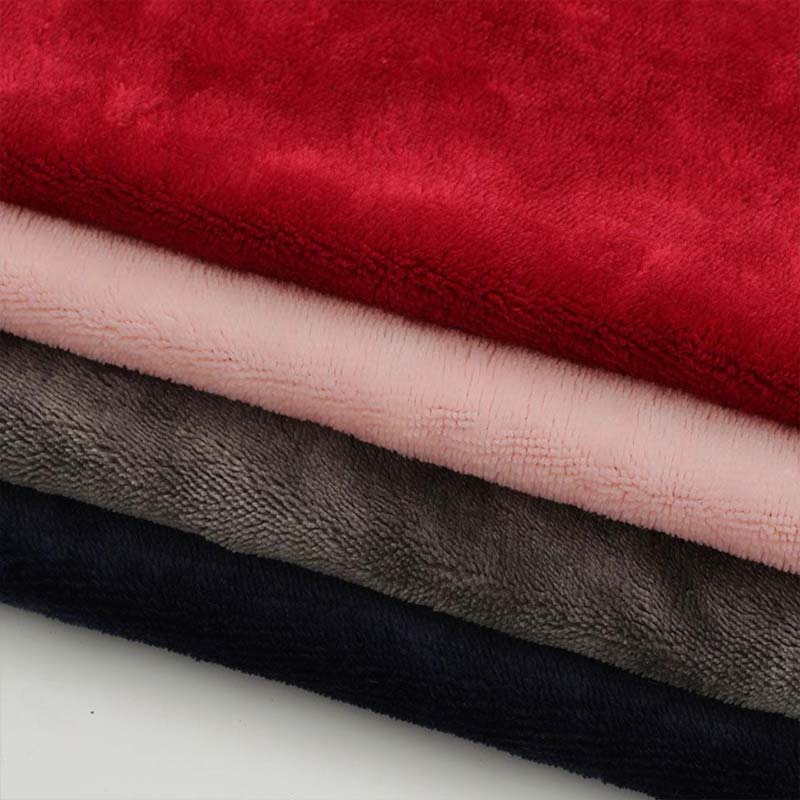
Cuando la gente piensa en franela, muchos imaginan una camisa clásica a cuadros, una cálida manta de invierno o un cómodo producto textil para el hogar. Sin embargo, en 2026, esta categoría de telas tradicionales está experimentando una transformación significativa. Impulsada por las cambiantes preferencias de los consumidores, los requisitos de sostenibilidad y las mejoras tecnológicas, la franela se está convirtiendo en una solución textil más diversa e innovadora utilizada en múltiples industrias.
El mercado textil mundial está entrando en una nueva etapa en la que el valor del producto ya no está determinado únicamente por la apariencia y el precio. Los compradores evalúan cada vez más los materiales en función de la responsabilidad ambiental, la durabilidad, la transparencia de la producción, el rendimiento de la comodidad y la capacidad de personalización.
Según organizaciones de investigación de la industria textil, los productos textiles relacionados con la sostenibilidad siguen ganando cuota de mercado a medida que las marcas y los consumidores prestan más atención al abastecimiento responsable y a la fabricación respetuosa con el medio ambiente. Al mismo tiempo, la demanda mundial de productos para el hogar confortables, prendas informales y soluciones textiles personalizadas está creando nuevas oportunidades de crecimiento para fabricantes y proveedores.
En este entorno cambiante, Franela está ganando una atención renovada porque combina varias ventajas importantes:
- Textura superficial suave y cómoda
- Excelente retención de calidez
- Posibilidades de diseño flexibles
- Amplia gama de aplicaciones
- Fuerte potencial de personalización
Desde colecciones de moda premium y ropa de cama de lujo hasta soluciones textiles para el hogar sostenibles, Frannel está evolucionando de un tejido de temporada a una oportunidad de negocio durante todo el año.
Este artículo proporciona un análisis en profundidad de Tendencias de franela para 2026, incluida la innovación de materiales, el desarrollo del mercado, la tecnología de fabricación, la expansión de aplicaciones y consideraciones de compra para compradores globales.
¿qué es la franela? Comprender la base de este textil popular
Definición de tejido de franela y concepto básico
La franela es un material textil tejido suave que comúnmente se produce con algodón, lana, fibras mezcladas o materiales sintéticos. La superficie de la tela generalmente se cepilla durante la fabricación para crear una textura elevada, lo que le da un toque suave distintivo y un rendimiento de aislamiento mejorado.
A diferencia de los tejidos comunes con una superficie plana, la franela contiene finas fibras elevadas que crean una sensación más cálida y cómoda contra la piel.
Las principales características de producción de Franela incluyen:
- Preparación de hilos
- Proceso de tejido
- Tratamiento de cepillado
- Teñido y acabado
- Inspección de calidad
Cada etapa de fabricación influye en el rendimiento final del tejido, incluida la suavidad, el grosor, la durabilidad y la apariencia.
Características principales que definen la franela de calidad
La franela de alta calidad suele evaluarse según varios factores importantes.
| Factor de calidad | Descripción | Importancia |
|---|---|---|
| Composición de fibras | Determina la suavidad, durabilidad y comodidad | Muy alto |
| Peso de la tela | Influye en la calidez y el uso del producto | Alto |
| Calidad de cepillado | Crea suavidad y textura superficial | Muy alto |
| Solidez del color | Garantiza una apariencia prolongada después del lavado | Alto |
| Control de contracción | Mantiene la estabilidad del tamaño del producto | Alto |
Para los fabricantes y compradores, comprender estos factores ayuda a garantizar una mejor selección de productos y reduce los riesgos de calidad.
La evolución de la franela en la industria textil
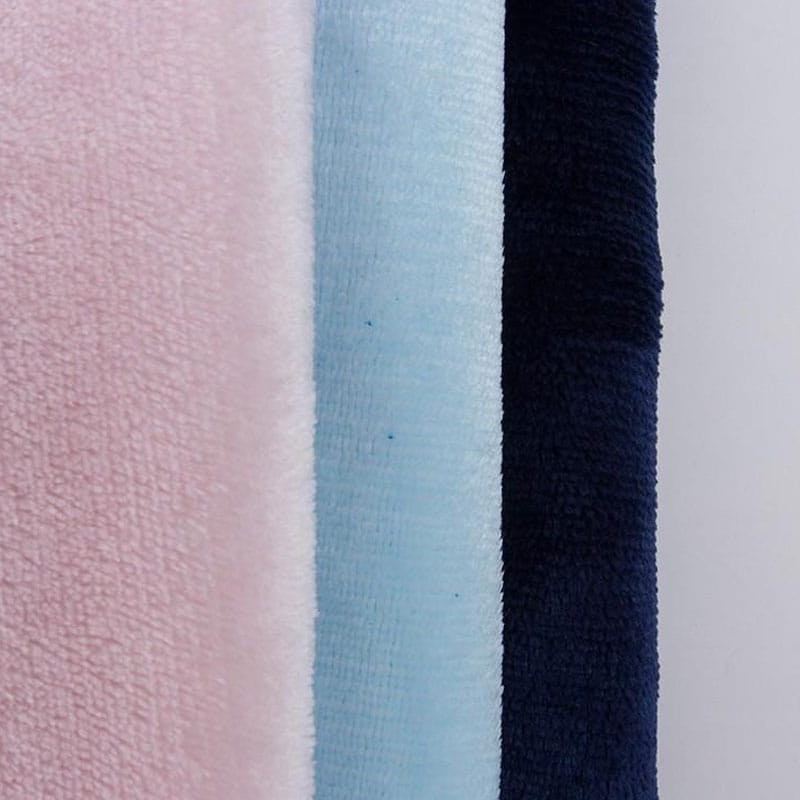
Desde tela tradicional de invierno hasta material multiaplicación
Históricamente, Franela se asoció principalmente con la ropa para climas fríos debido a su calidez y suavidad. Las aplicaciones tradicionales incluían camisas, pijamas, mantas y accesorios de invierno.
Sin embargo, la demanda del mercado se ha expandido significativamente. Los productos de franela modernos ahora se utilizan en:
- Moda informal
- Decoración del hogar
- Colecciones de ropa de cama
- Textiles hoteleros
- Productos de estilo de vida al aire libre
- Productos textiles promocionales
Esta expansión demuestra que la franela ya no se limita al consumo invernal. En cambio, se ha convertido en una categoría textil flexible adecuada para diferentes mercados y grupos de consumidores.
¿por qué la franela sigue siendo popular en 2026?
La continua popularidad de la franela proviene de su equilibrio entre comodidad, apariencia y funcionalidad.
En comparación con muchos tejidos sintéticos, la franela proporciona una sensación textil más natural. En comparación con los tejidos ligeros de algodón, ofrece mayor calidez y versatilidad estacional.
Los consumidores de hoy buscan productos que brinden comodidad emocional y beneficios prácticos, lo que crea una demanda a largo plazo de materiales textiles suaves y acogedores.
Tendencias mundiales del mercado de franela en 2026
La demanda de los consumidores se desplaza hacia productos textiles de primera calidad
Uno de los cambios más importantes en el mercado textil es la creciente demanda de productos de mayor calidad.
Los consumidores modernos son cada vez más selectivos. Están dispuestos a considerar productos premium cuando esos productos ofrecen:
- Mejor comodidad
- Mayor vida útil
- Materiales sostenibles
- Diseños únicos
- Funcionalidad mejorada
Esta tendencia está alentando a las empresas textiles a pasar de la producción de bajo costo a la fabricación de valor agregado.
El crecimiento del consumo de textiles basado en estilos de vida
El auge del trabajo remoto, los estilos de vida centrados en el hogar y las tendencias de bienestar personal ha aumentado la demanda de productos domésticos cómodos.
Produse ca:
- Mantas de franela
- Juegos de cama suaves
- Ropa de salón casero
- Textiles decorativos de temporada
se están beneficiando del enfoque de los consumidores en crear entornos de vida cómodos.
Para las marcas textiles, esto crea oportunidades para desarrollar colecciones de franela orientadas al estilo de vida en lugar de solo productos de ropa tradicionales.
1. Los materiales de franela sostenibles se convierten en una importante dirección industrial
El auge de la producción de franela ecológica
La sostenibilidad es una de las tendencias más fuertes que influirán en la fabricación textil en 2026.
Los gobiernos, las marcas y los consumidores están prestando más atención al impacto ambiental durante todo el ciclo de vida del producto, entre ellos:
- Abastecimiento de materias primas
- Procesos de fabricación
- Uso químico
- Consumo de energía
- Métodos de envasado
Como resultado, las soluciones de franela sostenibles son cada vez más importantes para los proveedores textiles mundiales.
Franela de Algodón Orgánico y Selección Responsable de Materiales
La franela de algodón orgánico se está convirtiendo en una de las opciones más atractivas para aplicaciones textiles premium.
En comparación con el algodón convencional, la producción de algodón orgánico se centra en prácticas agrícolas más responsables y una menor dependencia química.
Los beneficios de la franela de algodón orgánico incluyen:
- Suavidad natural
- Contacto cómodo con la piel
- Posicionamiento de marca sostenible
- Atractivo premium del mercado
Para las empresas que se dirigen a consumidores conscientes del medio ambiente, los materiales orgánicos pueden convertirse en una importante ventaja competitiva.
Prácticas de Fabricación Sostenible en Producción de Franela
Los fabricantes modernos están mejorando la sostenibilidad mediante múltiples enfoques.
Tecnología de teñido de bajo impacto
Los sistemas de teñido avanzados ayudan a reducir el consumo de agua y los desechos químicos mientras mantienen un fuerte rendimiento del color.
Producción energéticamente eficiente
Las fábricas textiles modernas están adoptando equipos y sistemas de gestión de producción mejorados para reducir el uso de energía.
Gestión Responsable de la Cadena de Suminist
Muchos compradores internacionales ahora exigen que los proveedores proporcionen información más clara sobre:
- Fuentes materiales
- Condiciones de producción
- Sistemas de control de calidad
Estos cambios están empujando a la industria de la franela hacia un desarrollo más transparente y responsable.
2. La comodidad premium impulsa la innovación de productos de franela
La suavidad se convierte en un factor de compra clave
Entre todas las características textiles, la suavidad sigue siendo una de las razones más importantes por las que los clientes eligen los productos de franela.
Sin embargo, la definición de suavidad ha cambiado. Los compradores modernos esperan más que una primera impresión suave.
Quieren telas que:
- Manténgase cómodo después de lavarlo repetidamente
- Mantener la calidad de la superficie en el tiempo
- Proporciona calidez equilibrada
- Siéntase agradable durante el uso prolongado
Esto anima a los fabricantes a mejorar las tecnologías de selección y acabado de fibras.
La tecnología de cepillado avanzada mejora el rendimiento de la tela
El cepillado es uno de los procesos más importantes en la fabricación de franela.
Durante este proceso, la superficie de la tela se trata para crear finas fibras elevadas. La calidad del cepillado afecta directamente:
- Sensación de tacto
- Apariencia
- Retención de calor
- Durabilidad del producto
Los diferentes niveles de cepillado están diseñados para diferentes aplicaciones.
| Tipo de cepillado | Características principales | Aplicaciones recomendadas |
|---|---|---|
| Franela ligera cepillada | Superficie suave con peso más ligero | Camisas, prendas de moda |
| Franela cepillada mediana | Comodidad y calidez equilibradas | Pijamas, ropa de cama |
| Franela cepillada pesada | Máxima suavidad y aislamiento | Mantas, productos de invierno |
Elegir el nivel de cepillado correcto ayuda a los fabricantes a crear productos que se ajusten a los requisitos específicos del mercado.
3. Los productos de franela personalizados crean nuevas oportunidades comerciales
Demanda creciente de soluciones de franela OEM y ODM
La personalización se está convirtiendo en un factor competitivo importante en la industria textil mundial.
Muchas marcas y distribuidores ya no quieren productos estándar que sean idénticos a los de la competencia. En cambio, prefieren soluciones de franela personalizadas que reflejen su propio posicionamiento en el mercado.
Los servicios OEM y ODM permiten a las empresas personalizar:
- Composición de tejidos
- Colores
- Patrones
- Dimensiones del producto
- Etiquetas
- Embalaje
¿por qué las empresas invierten en franela personalizada?
Los productos de franela personalizados ofrecen varias ventajas.
Identidad de marca más sólida
Los diseños únicos permiten a las empresas crear colecciones de productos reconocibles.
Mayor diferenciación del mercado
Los productos personalizados reducen la competencia directa basada únicamente en el precio.
Desarrollo de productos flexibles
Las marcas pueden crear colecciones estacionales y productos específicos según la demanda de los clientes.
Industrias populares que utilizan productos de franela personalizados
| Industria | Productos personalizados comunes |
|---|---|
| Marcas de ropa | Camisas, chaquetas, ropa casual |
| Inicio Empresas Textiles | Mantas, ropa de cama, fundas de almohada |
| Industria hotelera | Mantas para huéspedes y productos de confort |
| Mercado promocional | Regalos textiles de marca |
Se espera que la creciente demanda de personalización siga siendo una de las mayores oportunidades en la industria de la franela después de 2026.
4. Las telas de franela funcionales se convierten en una dirección clave de desarrollo en 2026
El auge de los materiales de franela orientados al rendimiento
Tradicional Franela siempre ha sido valorado por su suavidad y calidez. Sin embargo, los compradores modernos buscan cada vez más tejidos que proporcionen beneficios de rendimiento adicionales.
En 2026, el desarrollo textil funcional se está convirtiendo en una dirección importante porque los clientes esperan que los productos ofrezcan algo más que comodidad básica.
Franela funcional moderna se centra en mejorar:
- Manejo de la humedad
- Durabilidad
- Regulación térmica
- Rendimiento antipilling
- Estabilidad del color
- Propiedades de fácil cuidado
Estas mejoras permiten que los productos Frannel se expandan a mercados más profesionales y especializados.
La franela reguladora de temperatura mejora el confort
La regulación de la temperatura se está convirtiendo en una consideración importante en el desarrollo textil premium.
Los consumidores quieren telas que puedan mantener la comodidad en diferentes entornos en lugar de simplemente proporcionar la máxima calidez.
Los materiales de franela avanzados logran una mayor comodidad mediante:
- Mezcla de fibras optimizada
- Estructuras de tela mejoradas
- Tecnología de control de humedad
- Diseños térmicos ligeros
Este desarrollo es particularmente valioso para:
- Ropa de dormir
- Mantas de viaje
- Ropa de cama premium
- Productos de estilo de vida al aire libre
La tecnología antipilling amplía la vida útil del producto
Un desafío común para los productos textiles es mantener la apariencia después de un uso prolongado.
El pilling puede afectar negativamente la calidad visual y la experiencia del cliente de los tejidos. Por lo tanto, los fabricantes están mejorando la durabilidad de la franela mediante métodos de producción avanzados.
Las mejoras antipilling incluyen:
- Selección de hilos de mayor calidad
- Mejor control de fibra
- Técnicas de cepillado mejoradas
- Procesos de acabado avanzados
Para los compradores comerciales, los productos duraderos pueden reducir las quejas de los clientes y aumentar la lealtad a la marca.
5. La tecnología de fabricación digital mejora la producción de franela
La fabricación textil inteligente se vuelve más importante
La industria textil está experimentando una rápida transformación digital.
En 2026, las tecnologías avanzadas ayudarán a los fabricantes de franela a mejorar la eficiencia de la producción, la coherencia de la calidad y las capacidades de personalización.
Las fábricas textiles modernas están adoptando cada vez más:
- Monitoreo automatizado de producción
- Inspección digital de tejidos
- Sistemas de teñido inteligentes
- Gestión de datos de fabricación
- Seguimiento de calidad automatizado
Estas tecnologías ayudan a los proveedores a ofrecer productos más estables para los clientes internacionales.
La impresión digital amplía las posibilidades del diseño de franelas
Los diseños de franela tradicionales a menudo se asocian con patrones clásicos como:
- Diseños a cuadros
- Colores sólidos
- Estilos estacionales
Sin embargo, la tecnología de impresión digital está creando más oportunidades para el desarrollo creativo de productos.
La impresión digital ofrece ventajas que incluyen:
- Patrones más complejos
- Procesos de muestreo más rápidos
- Cantidades mínimas de pedido inferiores
- Reducción del desperdicio de material
- Mayor flexibilidad de diseño
Esto es especialmente valioso para las marcas de moda y las empresas textiles en línea que necesitan actualizaciones de productos más rápidas.
Producción tradicional versus fabricación moderna de franela
| Fabricación tradicional | Fabricación moderna |
|---|---|
| Opciones de diseño limitadas | Diseños digitales flexibles |
| Mayor tiempo de desarrollo de la muestra | Producción de prototipos más rápida |
| Procesos de inspección manual | Monitoreo de calidad digital |
| Grandes requisitos de producción | Personalización más flexible |
La combinación de artesanía textil tradicional y tecnología moderna está creando una nueva generación de productos de franela.
6. Las aplicaciones de franela se expanden en múltiples industrias
Franela en la industria de la confección
La ropa sigue siendo una de las áreas de aplicación más reconocibles para los productos de franela.
La popularidad de los estilos de vida casuales sigue respaldando la demanda de ropa cómoda y práctica.
La ropa de franela común incluye:
- Camisas de franela
- Sobrecamisas
- Chaquetas
- Pijama
- Pantalones casuales
- Accesorios de invierno
¿por qué los consumidores prefieren la ropa de franela?
La ropa de franela sigue siendo popular porque ofrece una combinación de comodidad y estilo.
Ventajas clave incluyen:
- Toque suave
- Sensación cálida
- Aspecto clásico
- Fácil combinación con otra ropa
- Rendimiento estacional adecuado
En comparación con los materiales más pesados del invierno, la franela proporciona calidez sin exceso de peso, lo que la hace adecuada para el uso diario.
Franela en aplicaciones textiles para el hogar
Los textiles para el hogar representan una de las áreas de aplicación de más rápido crecimiento para la franela.
A medida que los consumidores se centran más en la comodidad del hogar y el bienestar personal, la demanda de productos domésticos suaves y acogedores sigue aumentando.
Las aplicaciones populares incluyen:
| Categoría de producto | Principales beneficios |
|---|---|
| Mantas de franela | Calidez y suavidad |
| Juegos de cama | Ambiente cómodo para dormir |
| Fundas de almohada | Valor decorativo y funcional |
| Fundas para sofás | Protección y peinado del hogar |
| Lanzamientos | Productos de estilo de vida de temporada |
Para las marcas textiles para el hogar, Frannel brinda oportunidades para crear colecciones de confort de primera calidad con un fuerte atractivo emocional.
7. La industria hotelera crea nuevas oportunidades para los productos de franela
Demanda creciente de empresas de hoteles y alojamiento
La industria hotelera se centra cada vez más en mejorar las experiencias de los huéspedes.
Hoteles, resorts y alojamientos boutique están invirtiendo en productos textiles de alta calidad porque la comodidad se ha convertido en una parte importante de la satisfacción del cliente.
Los productos de franela se pueden utilizar en entornos hoteleros para:
- Mantas de temporada
- Accesorios para habitaciones de huéspedes
- Textiles de salón
- Colecciones de regalos
- Productos de confort premium
¿por qué los hoteles eligen productos de franela premium?
Al seleccionar proveedores textiles, las empresas hoteleras suelen considerar:
- Comodidad de la tela
- Durabilidad
- Requisitos de mantenimiento
- Consistencia de apariencia
- Fiabilidad del suministro
Los productos de franela de alta calidad pueden ayudar a los hoteles a crear una experiencia para los huéspedes más cálida y personalizada.
Caso de tendencia hotelera: el crecimiento de las experiencias de los huéspedes hogareños
Muchos hoteles boutique están avanzando hacia un concepto de “comodidad en el hogar”.
En lugar de crear espacios que sólo se centren en la funcionalidad, las marcas de alojamiento modernas enfatizan:
- Materiales naturales
- Texturas cómodas
- Diseño de interiores cálido
- Experiencias personalizadas
Esta tendencia está aumentando la demanda de productos textiles suaves, como mantas, mantas y tejidos decorativos de franela de primera calidad.
8. Tendencias del mercado regional de franela en 2026
América del Norte: fuerte demanda de productos informales y cómodos
América del Norte sigue siendo uno de los mercados más importantes para los productos de franela.
La demanda está respaldada por:
- Fuerte cultura de la moda casual
- Demanda de ropa de temporada
- Tendencias de confort en el hogar
- Productos de estilo de vida al aire libre
Los productos populares incluyen:
- Camisas de franela a cuadros
- Mantas de invierno
- Productos de cama
- Textiles de estilo de vida
Europa: la sostenibilidad da forma a las decisiones de compra
Los compradores textiles europeos están dando cada vez más importancia a la sostenibilidad y la fabricación responsable.
Los factores de compra importantes incluyen:
- Materiales orgánicos
- Certificaciones ambientales
- Cadenas de suministro transparentes
- Embalaje sostenible
Para los proveedores que se dirigen a los mercados europeos, la sostenibilidad se está convirtiendo en una ventaja competitiva clave.
Asia-Pacífico: fortaleza manufacturera y expansión del mercado
La región de Asia y el Pacífico desempeña un papel importante tanto en la fabricación como en el consumo de franela.
La región se beneficia de:
- Fuertes capacidades de producción textil
- Fabricantes experimentados
- Redes avanzadas de cadena de suministro
- Mercados internos en crecimiento
Muchos compradores globales cooperan con proveedores asiáticos debido a su capacidad para proporcionar producción personalizada y soluciones de fabricación competitivas.
9. Estándares importantes de calidad de franela para compradores globales
Por qué los estándares de calidad son importantes en las compras de franela
Para los compradores internacionales, el control de calidad es uno de los factores más importantes a la hora de seleccionar proveedores de franela. Aunque diferentes mercados pueden tener requisitos diferentes, los compradores textiles profesionales suelen evaluar los productos en función de la composición de la tela, el rendimiento físico, los requisitos de seguridad y la durabilidad a largo plazo.
Un proveedor confiable de franela no solo debe proporcionar diseños atractivos sino también garantizar una calidad estable a través de procedimientos estandarizados de producción y prueba.
Los factores importantes de evaluación de la calidad incluyen:
- Precisión de la composición de fibras
- Consistencia del peso de la tela
- Solidez del color
- Control de contracción
- Resistencia a la tracción
- Resistencia a las píldoras
- Seguridad química
Estos indicadores influyen directamente en la satisfacción del cliente y la reputación del producto.
Composición de tejidos y selección de fibras
La composición de fibras de la franela determina muchas de sus características centrales.
Las opciones materiales comunes incluyen:
| Tipo de material | Características | Aplicaciones típicas |
|---|---|---|
| Franela de algodón 100% | Suavidad natural, transpirable, confortable | Camisas de primera calidad, ropa de cama, textiles para el hogar |
| Franela de mezcla de algodón | Costo y rendimiento equilibrados | Productos textiles comerciales |
| Franela de lana | Excelente retención de calidez | Productos premium de invierno |
| Franela de mezcla sintética | Fácil mantenimiento y durabilidad | Aplicaciones textiles funcionales |
Para los mercados premium, la franela a base de algodón sigue siendo una de las opciones más populares debido a su toque natural y aceptación por parte del consumidor.
Selección GSM: elegir el peso de franela adecuado
GSM (gramos por metro cuadrado) es una medida importante que se utiliza para evaluar el peso y el grosor de la tela.
Diferentes aplicaciones requieren diferentes rangos GSM.
| Gama GSM | Características de la tela | Productos recomendados |
|---|---|---|
| 120-180 GSM | Ligero y transpirable | Camisas, ropa ligera |
| 180-280 GSM | Suavidad y calidez equilibradas | Pijamas, ropa de cama, textiles para el hogar |
| 280-400 GSM | Grueso y cálido | Mantas, productos de invierno |
| 400+ GSM | Pesado y premium | Productos textiles de lujo |
Seleccionar el GSM correcto ayuda a los compradores a lograr el equilibrio adecuado entre comodidad, costo y posicionamiento en el mercado.
Por ejemplo:
Una camisa de franela liviana para los mercados de primavera y otoño puede requerir un GSM más bajo, mientras que una manta de invierno diseñada para regiones frías requiere un GSM más alto.
Requisitos de solidez del color
El rendimiento del color es otro factor de calidad importante.
La mala solidez del color puede provocar:
- Decoloración del color
- Quejas de los clientes
- Reducción de la vida útil del producto
- Daño a la reputación de la marca
Los fabricantes profesionales suelen realizar pruebas:
- Solidez del color de lavado
- Solidez del color de frotamiento seco y húmedo
- Resistencia a la luz
- Resistencia a la transpiración
El rendimiento de color estable es especialmente importante para pedidos comerciales a gran escala.
Control de contracción y estabilidad de la tela
Los tejidos de fibra natural pueden experimentar cambios dimensionales después del lavado.
La producción de franela de alta calidad utiliza procesos tales como:
- Tratamiento preencogedor
- Estabilización de tejidos
- Procesos de acabado controlados
Estos métodos ayudan a mantener el tamaño del producto y mejorar la satisfacción del cliente.
Para las empresas que venden ropa de cama, ropa y textiles para hostelería, el control de contracción es un requisito de calidad fundamental.
Proceso de fabricación de franelas: desde la selección de fibras hasta productos terminados
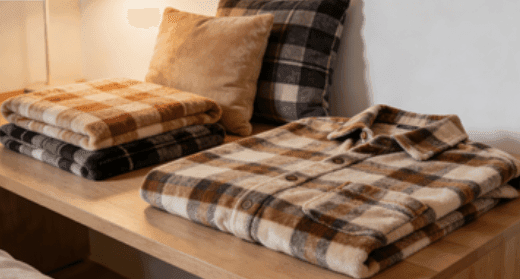
Paso 1: Selección de materia prima
El proceso de fabricación comienza con la selección de fibras adecuadas.
Los fabricantes evalúan:
- Calidad de la fibra
- Fuerza del hilo
- Requisitos de suavidad
- Aplicación de destino
Para los productos de franela de primera calidad, a menudo se seleccionan fibras de algodón de mayor calidad para lograr una mayor suavidad y durabilidad.
Paso 2: Hilado y preparación del hilo
Después de seleccionar las materias primas, las fibras se procesan para obtener hilo.
Influencias en la calidad del hilo:
- Fuerza de la tela
- Aspecto superficial
- Nivel de comodidad
- Rendimiento del producto final
La producción uniforme de hilo ayuda a crear tejidos de franela consistentes.
Paso 3: Proceso de tejido
Los hilos preparados se tejen en estructuras de tela.
Durante el tejido, los fabricantes controlan:
- Densidad de tela
- Ancho
- Estabilidad de la estructura
La tecnología de tejido adecuada garantiza que la tela pueda soportar procesos posteriores de cepillado y acabado.
Paso 4: Tratamiento con cepillado
El cepillado es uno de los pasos más importantes en la producción de franela.
Durante este proceso, máquinas especiales levantan fibras finas sobre la superficie de la tela.
El proceso de cepillado determina:
- Nivel de suavidad
- Rendimiento cálido
- Aspecto superficial
Diferentes aplicaciones requieren diferentes niveles de cepillado.
Por ejemplo:
- Los productos de confección suelen requerir suavidad y flexibilidad equilibradas.
- Las mantas suelen requerir un cepillado más profundo para máxima comodidad.
Paso 5: Teñir e imprimir
Después del cepillado, la tela sufre procesos de coloración.
La producción moderna de franela puede utilizar:
- Teñido reactivo
- Impresión digital
- Impresión pigmentaria
Los fabricantes deben controlar:
- Precisión del color
- Penetración del tinte
- Solidez del color
Paso 6: Acabado e Inspección de Calidad
La etapa final se centra en mejorar el rendimiento del tejido y garantizar la calidad.
Los procesos de acabado comunes incluyen:
- Tratamiento suavizante
- Tratamiento antipilling
- Control de contracción
- Inspección de superficies
Antes del envío, los proveedores profesionales suelen realizar controles de calidad para garantizar que los productos cumplan con los requisitos del comprador.
Cómo elegir un proveedor de franela confiable en 2026
Evaluar la experiencia de fabricación
La experiencia es uno de los factores más importantes a la hora de elegir un proveedor textil.
Los fabricantes experimentados suelen tener mejores capacidades en:
- Selección de materiales
- Gestión de producción
- Control de calidad
- Soporte de personalización
Un proveedor con años de experiencia en producción de franela a menudo puede ofrecer soluciones más estables.
Consultar Sistemas de Control de Capacidad y Calidad de Producción
Un proveedor profesional debe contar con procedimientos claros de gestión de calidad.
Las consideraciones importantes incluyen:
- Capacidad de producción en fábrica
- Proceso de inspección
- Estado del equipo
- Documentație de calitate
Para los compradores de gran volumen, una capacidad de producción estable es esencial para evitar retrasos en las entregas.
Revisar las capacidades de personalización
Un fuerte Franela el proveedor debe admitir diferentes requisitos de personalización.
Las capacidades clave incluyen:
- Colores personalizados
- Patrones personalizados
- Diferentes pesos de tela
- Etiquetado OEM
- Soluciones de embalaje
La personalización flexible ayuda a las empresas a responder rápidamente a los cambios del mercado.
Considere las prácticas de sostenibilidad
A medida que la sostenibilidad se vuelve cada vez más importante, los compradores deben evaluar las prácticas ambientales de los proveedores.
Las preguntas importantes incluyen:
- ¿De dónde vienen las materias primas?
- ¿La fábrica controla los residuos?
- ¿Se utilizan procesos respetuosos con el medio ambiente?
- ¿Se pueden proporcionar documentos de sostenibilidad?
Los proveedores responsables se están convirtiendo en socios más valiosos en las cadenas de suministro textiles globales.
Franela frente a otras telas populares: una comparación detallada
Franela vs Polar: ¿Qué tela es mejor?
A menudo se comparan franela y vellón porque ambos se utilizan para productos calientes. Sin embargo, brindan diferentes experiencias de usuario.
| Factor de comparación | Franela | Vellocino |
|---|---|---|
| Sensación material | Natural y suave | Sensación sintética suave |
| Calidez | De moderado a alto | Alto |
| Transpirabilidad | Mejor flujo de aire | Menor transpirabilidad |
| Apariencia | Textura textil clásica | Aspecto deportivo |
| Mantenimiento | Requiere atención normal | Generalmente cuidado fácil |
| Mejores aplicaciones | Camisas, ropa de cama, productos de estilo de vida | Ropa de exterior, mantas |
¿cuál deberían elegir las empresas?
Elija Franela cuando los clientes valoren:
- Textura natural
- Aspecto clásico
- Comodidad premium
- Productos para el estilo de vida hogareño
Elija vellón cuando los clientes lo necesiten:
- Calidez ligera
- Secado rápido
- Rendimiento al aire libre
La mejor opción depende del mercado objetivo y del posicionamiento del producto.
Franela vs Algodón: Comprender la diferencia
El algodón y la franela están estrechamente relacionados porque muchos productos de franela están hechos de fibras de algodón.
| Característica | Franela | Algodón |
|---|---|---|
| Superficie | Textura cepillada | Superficie lisa |
| Calidez | Más alto | Moderado |
| Suavidad | Muy suave | Naturalmente cómodo |
| Temporada | Otoño e invierno | Todo el año |
| Ventaja principal | Comodidad cálida | Transpirabilidad |
El algodón es ideal para consumidores que priorizan el flujo de aire y la comodidad ligera, mientras que se prefiere la franela cuando la suavidad y el calor son más importantes.
Franela vs Lana: Comparación de tejidos cálidos naturales
| Característica | Franela | Lana |
|---|---|---|
| Toque | Suave y cómodo | Puede variar según la calidad |
| Peso | Medio | A menudo más pesado |
| Cuidado | Mantenimiento más fácil | Requiere más cuidado |
| Precio | Más asequible | Generalmente premium |
Para los productos de consumo cotidiano, la franela suele proporcionar un mejor equilibrio entre comodidad, usabilidad y costo.
Cómo las empresas pueden beneficiarse de las tendencias de franela en 2026
Desarrollo de líneas de productos de franela premium
A medida que aumenta la competencia en el mercado textil, las empresas deben centrarse en crear productos con mayor valor añadido. En lugar de depender únicamente de la competencia de precios, las marcas y los fabricantes pueden utilizar soluciones de franela premium para crear líneas de productos diferenciadas.
Las estrategias de productos premium pueden incluir:
- Selección de fibras de mayor calidad
- Opciones de materiales sostenibles
- Tecnologías de acabado funcional
- Patrones y diseños únicos
- Soluciones de embalaje personalizadas
Por ejemplo, una marca de textiles para el hogar puede desarrollar una colección de invierno premium utilizando mantas de franela de algodón orgánico, mientras que una empresa de moda puede crear líneas exclusivas de ropa de temporada con patrones personalizados.
Estos enfoques ayudan a las empresas a mejorar el posicionamiento de la marca y atraer clientes que estén dispuestos a pagar más por productos de calidad.
Creación de asociaciones con proveedores a largo plazo
En las compras textiles a nivel mundial, las relaciones con los proveedores son cada vez más importantes.
Un proveedor confiable de franela no es solo un fabricante sino también un socio comercial a largo plazo que puede respaldar:
- Desarrollo de productos
- Adaptación del mercado
- Mejora de la calidad
- Planificación de la producción
- Optimización de costos
La cooperación a largo plazo permite a los compradores lograr cadenas de suministro más estables y respuestas más rápidas a los cambios del mercado.
Guía de compras de franela para compradores globales
Comprender los requisitos de su producto antes de comprar
Antes de seleccionar un proveedor de franela, los compradores deben definir claramente los requisitos de su producto.
Las consideraciones importantes incluyen:
- Solicitud de producto final
- Grupo de clientes objetivo
- Peso requerido de la tela
- Preferencia material
- Requisitos de color y diseño
- Cantidad de pedido
- Calendario de entrega
Diferentes aplicaciones requieren diferentes soluciones de tejidos.
Por ejemplo:
Una marca de ropa de cama de lujo puede priorizar la suavidad y el alto GSM, mientras que una marca de moda puede centrarse más en la estructura liviana y la flexibilidad del diseño.
Factores clave a considerar al comprar tela de franela
| Factor de compra | Por qué es importante |
|---|---|
| Composición de fibras | Determina la comodidad, durabilidad y posicionamiento en el mercado |
| GSM | Afecta el grosor, el calor y el uso del producto |
| Calidad del color | Influye en la apariencia y la satisfacción del cliente |
| Control de contracción | Garantiza la estabilidad del producto |
| Experiencia de proveedor | Reduce los riesgos de producción y calidad |
| Habilidad de personalización | Apoya la diferenciación de marcas |
Una evaluación completa ayuda a las empresas a evitar problemas de calidad y mejorar la eficiencia de las compras.
Errores comunes que los compradores deben evitar al comprar franela
Elegir solo en función del precio bajo
El precio es un factor importante, pero no debería ser la única consideración.
Los productos de bajo costo pueden implicar:
- Fibras de menor calidad
- Mal rendimiento del color
- Peso inconsistente de la tela
- Control de calidad limitado
Para las empresas que construyen marcas a largo plazo, la confiabilidad del producto suele ser más valiosa que el ahorro de costos a corto plazo.
Ignorar las pruebas de telas
Algunos compradores se centran en gran medida en la apariencia pero pasan por alto las pruebas de rendimiento.
Las áreas de prueba importantes incluyen:
- Durabilidad de lavado
- Solidez del color
- Fuerza de la tela
- Tasa de contracción
- Calidad de la superficie
Las pruebas profesionales ayudan a garantizar que los productos finales cumplan con las expectativas de los clientes.
No considerar las necesidades específicas del mercado
Diferentes mercados tienen diferentes preferencias.
Por ejemplo:
Los clientes norteamericanos pueden preferir diseños clásicos a cuadros y productos cálidos para el invierno.
Los clientes europeos pueden prestar más atención a la sostenibilidad y a las certificaciones de materiales.
Los mercados asiáticos pueden tener una mayor demanda de productos textiles ligeros y multifuncionales.
Comprender las diferencias de mercado ayuda a las empresas a desarrollar productos de franela más exitosos.
Estudios de casos de la industria de franela y aplicaciones de
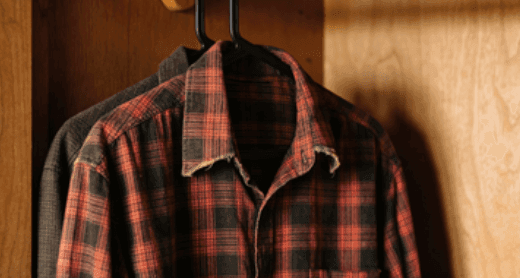
Estudio de caso 1: Desarrollo sostenible de marcas textiles para el hogar
Un número creciente de empresas textiles para el hogar están desarrollando colecciones de productos sostenibles utilizando materiales ambientalmente responsables.
Una estrategia de producto típica incluye:
- Tejido franela de algodón orgánico
- Diseños de colores naturales
- Embalaje sostenible
- Calidad del producto duradera
Este enfoque permite que las marcas atraigan a consumidores conscientes del medio ambiente y al mismo tiempo crean un posicionamiento de producto premium.
Estudio de caso 2: Marcas de moda ampliando colecciones estacionales
Las empresas de moda utilizan cada vez más la franela porque combina un estilo informal con comodidad funcional.
Strategii comune include:
- Colecciones estacionales limitadas
- Patrones personalizados
- Diseños de camisas de gran tamaño
- Ropa de materiales mixtos
La franela brinda flexibilidad a los diseñadores porque puede admitir estilos de moda tanto tradicionales como modernos.
Estudio de caso 3: Las marcas hoteleras mejoran la comodidad de los huéspedes
Los hoteles y complejos turísticos se están centrando más en crear experiencias memorables para los huéspedes.
Los productos Premium Frannel pueden respaldar esta estrategia a través de:
- Cómodos textiles para la habitación
- Mantas de temporada
- Productos de salón de lujo
Al mejorar la calidad textil, las empresas hoteleras pueden crear un entorno más cálido y personalizado.
Franela y Sostenibilidad: Consideraciones Ambientales Futuras
La importancia de la producción textil responsable
La responsabilidad ambiental se está convirtiendo en un factor importante en las compras textiles a nivel mundial.
La futura producción de franela probablemente se centrará más en:
- Materias primas sostenibles
- Reducción del consumo de agua
- Procesos de fabricación más limpios
- Soluciones de reciclaje mejoradas
Las empresas que invierten en producción sostenible pueden satisfacer mejor las expectativas futuras del mercado.
Certificaciones y Verificación de Sostenibilidad
Para los compradores internacionales, las certificaciones pueden ayudar a verificar la responsabilidad del producto.
Las certificaciones y estándares comunes relacionados con textiles pueden incluir:
- Certificaciones textiles orgánicas
- Normas de seguridad química
- Sistemas de gestión ambiental
- Estándares de responsabilidad social
Estas certificaciones ayudan a los compradores a evaluar a los proveedores y mejorar la confianza del mercado.
El futuro de la franela después de 2026
Desarrollo textil más funcional
Se espera que los futuros productos de franela combinen comodidad tradicional con rendimiento avanzado.
Las posibles direcciones de desarrollo incluyen:
- Tejidos adaptables a la temperatura
- Control de humedad mejorado
- Durabilidad mejorada
- Integración textil inteligente
El objetivo es crear tejidos que brinden mejores experiencias en diferentes entornos.
Mayor personalización y producción en lotes pequeños
La demanda de los consumidores es cada vez más personalizada.
En el futuro, los fabricantes podrán ofrecer soluciones de producción más flexibles, entre ellas:
- Cantidades mínimas de pedido inferiores
- Muestreo más rápido
- Personalización digital
- Diseños personalizados
Esto creará más oportunidades para pequeñas marcas y nichos de mercado.
Integración de Sostenibilidad y Tecnología
El futuro desarrollo de Frannel dependerá de equilibrar la responsabilidad medioambiental con la innovación tecnológica.
Los fabricantes exitosos se centrarán en:
- Mejores materiales
- Producción más limpia
- Equipo avanzado
- Cadenas de suministro transparentes
Esta combinación ayudará a Frannel a mantener su valor de mercado en la industria textil en evolución.
Conclusión
El futuro de Franela no se limita a la ropa tradicional de invierno. En 2026, este material textil clásico está entrando en una nueva etapa impulsada por la sostenibilidad, la tecnología, la personalización y las cambiantes expectativas de los consumidores.
Desde telas ecológicas y mejoras funcionales hasta fabricación avanzada y expansión del mercado global, Flannel continúa demostrando una fuerte adaptabilidad.
Para las marcas textiles, mayoristas y fabricantes, comprender estas tendencias brinda valiosas oportunidades para desarrollar mejores productos y desarrollar una mayor competitividad en el mercado.
A medida que los consumidores sigan priorizando la comodidad, la calidad y la producción responsable, la franela seguirá siendo una categoría textil importante con potencial de crecimiento a largo plazo en el mercado global.
Preguntas frecuentes
¿cuáles son los más grandes Franela ¿tendencias en 2026?
Las tendencias más importantes incluyen materiales sostenibles, comodidad premium, rendimiento funcional, personalización y tecnología de fabricación avanzada.
Las empresas desarrollan cada vez más productos de franela que combinan responsabilidad medioambiental con una mejor experiencia del usuario.
¿sigue siendo popular la franela en 2026?
Sí. La franela sigue siendo un material textil importante por su suavidad, calidez, versatilidad y amplia gama de aplicaciones.
Aunque tradicionalmente se asocia con productos de invierno, la franela moderna se está expandiendo a la moda, los textiles para el hogar, la hostelería y los productos personalizados.
¿cuál es el mejor material para franela de alta calidad?
El algodón es una de las opciones más populares para la franela premium porque proporciona suavidad, transpirabilidad y comodidad naturales.
Sin embargo, el mejor material depende de la aplicación. Diferentes mercados pueden requerir mezclas de algodón, opciones de lana o combinaciones funcionales de fibras.
¿cómo puedo elegir un buen proveedor de franela?
Un proveedor confiable debería tener:
- Experiencia en fabricación
- Control de calidad estable
- Capacidades de personalización
- Prácticas de producción sostenible
- Buena gestión de comunicación y entrega
Los compradores deben evaluar tanto la calidad del producto como la confiabilidad del proveedor.
¿es mejor la franela que el vellón?
Ninguno de los tejidos es universalmente mejor. La elección correcta depende de la aplicación.
La franela es mejor para los clientes que la prefieren:
- Textura natural
- Aspecto clásico
- Productos cómodos para el estilo de vida
El forro polar es mejor para:
- Rendimiento al aire libre
- Calidez ligera
- Aplicaciones de secado rápido
¿qué productos de franela tienen mayor demanda en el mercado?
Las categorías actualmente populares incluyen:
- Camisas de franela
- Mantas
- Productos de cama
- Pijama
- Accesorios textiles para el hogar
- Productos textiles personalizados
La demanda es especialmente fuerte para las categorías de productos premium y sostenibles.
¿se pueden personalizar los productos de franela para las empresas?
Sí. Muchos fabricantes ofrecen servicios OEM y ODM.
Las empresas pueden personalizar:
- Composición de tejidos
- Colores
- Patrones
- Tamaños
- Etiquetas
- Embalaje
La personalización ayuda a las empresas a crear productos únicos y fortalecer su posición en el mercado.