
مرحبا بكم في مدونتي! يسعدني وجودك هنا!
قبل أن نتعمق في المحتوى، أود أن تنضم إلي على منصات التواصل الاجتماعي الخاصة بي. إنه المكان الذي أشارك فيه رؤى إضافية، وأتواصل مع مجتمعنا المذهل، وأبقيك على اطلاع بآخر الأخبار.
إليك كيف يمكنك البقاء على اتصال:
📘 الفيسبوك: سوتشو Xize شركة تكنولوجيا النسيج المحدودة.
الآن، دعونا نبدأ هذه الرحلة معًا! أتمنى أن تجد المحتوى هنا ليس ثاقبًا فحسب، بل ملهمًا وقيمًا أيضًا. لنبدأ!
جدول المحتويات
مقدمة
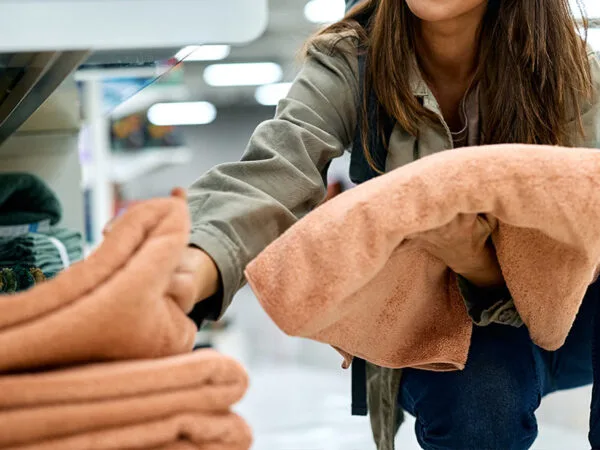
تدخل صناعة النسيج العالمية مرحلة تحول هيكلي مدفوعة بالتصنيع الرقمي، ولوائح الاستدامة، ودورات الطلب الاستهلاكي سريعة الحركة. في هذه البيئة الجديدة،, نسيج نسيج مخصص لقد تحولت من خدمة متخصصة إلى استراتيجية إنتاج أساسية للعلامات التجارية العالمية.
وفقًا للعديد من الأوراق البيضاء لصناعة النسيج، من المتوقع أن ينمو سوق المنسوجات العالمية المخصصة بمعدل معدل النمو السنوي المركب لـ 6.8% إلى 8.2% بين عامي 2024 و2030, مدفوعة بشكل أساسي بتخصيص الأزياء وتوسيع التجارة الإلكترونية وأنظمة التصنيع الذكية.
على عكس الإنتاج الضخم التقليدي، يتكامل تخصيص المنسوجات الحديثة
- أنظمة النسيج الرقمية
- تقنيات الصباغة عند الطلب
- التنبؤ بالتصميم القائم على الذكاء الاصطناعي
- نماذج إنتاج مرنة منخفضة موك
يعيد هذا التطور تعريف كيفية تصميم الأقمشة وتصنيعها وتوزيعها في جميع أنحاء العالم.
هيكل السوق العالمية لصناعة الأقمشة النسيجية المخصصة
نظرة عامة على تجزئة السوق (توقعات 2026)
ال صناعة الأقمشة النسيجية المخصصة يمكن تقسيمها إلى أربع فئات رئيسية، تمثل كل منها هيكل طلب ومنطق إنتاج مختلفين في سلسلة التوريد العالمية
1. أقمشة الملابس
- قماش مخملي
- نسيج مخملي مطاطي
- نسيج طباعة القطن
- نسيج سباندكس ناعم
تهيمن أقمشة الملابس على أسواق الاستهلاك عالي التردد، خاصة في الأزياء السريعة والمجموعات الموسمية. هذه الأقمشة لها الأولوية الجاذبية البصرية والنعومة والقدرة على التكيف مع تغييرات التصميم, ، جعل التخصيص ضروريًا لتمييز العلامة التجارية.
2. أقمشة المنسوجات المنزلية
- نسيج الصوف المرجاني
- نسيج الفانيلا
- مواد بطانية الفقاعات
تركز المنسوجات المنزلية على الأداء القائم على الراحة، حيث يعد العزل الحراري والنعومة والمتانة من عوامل الشراء الرئيسية. ويرتبط نمو الطلب بقوة توسع أثاث المنازل للتجارة الإلكترونية واتجاهات العلامات التجارية لأسلوب الحياة.
3. الأقمشة الوظيفية الصناعية
- بوليستر عالي الكثافة
- ألياف البوليستر الكاتيونية
- الأقمشة التقنية المضلعة
تؤكد هذه الفئة على مقاييس الأداء مثل قوة الشد، ومقاومة التآكل، والتحكم في الرطوبة، والاستقرار الهيكلي. يحتاج المشترون الصناعيون بشكل متزايد إلى مواصفات مخصصة للديكورات الداخلية للسيارات، والأغطية الواقية، والتطبيقات التقنية.
4. الأقمشة الزخرفية والفاخرة
- قماش الجاكار
- نسيج أرنب الفراء الصناعي
- قماش لؤلؤي مخملي
تعتمد المنسوجات الفاخرة على الابتكار الجمالي والتمركز المتميز. وتستخدم هذه المواد على نطاق واسع في التصميم الداخلي المتطور ومجموعات الأزياء وبيئات البيع بالتجزئة.
هيكل سلسلة قيمة الصناعة
تطورت سلسلة قيمة المنسوجات إلى نظام بيئي رقمي متعدد الطبقات
- إنتاج الألياف (المنبع)
- نسج وحياكة الأقمشة (منتصف الطريق)
- التخصيص الرقمي (طبقة التكامل)
- توزيع العلامة التجارية (المصب)
نسيج مخصص وتقع الآن في مركز سلسلة القيمة هذه كطبقة إنتاج مرنة.
المعايير الدولية التي تقود جودة الأقمشة النسيجية المخصصة
OEKO-TEX Standard 100 (طبقة الامتثال التفصيلية)
تضمن هذه الشهادة خلو المنتجات النسيجية من المواد الضارة في جميع مراحل الإنتاج.
وتشمل أبعاد التقييم الرئيسية ما يلي:
- قوائم المواد المقيدة (الامتثال لـ RSL)
- تصنيف سلامة ملامسة الجلد (الفئة الأولى إلى الرابعة)
- حدود الفورمالديهايد والبقايا الكيميائية
- اختبار توازن الرقم الهيدروجيني لتوافق الجلد
وهذا مهم بشكل خاص للأقمشة المستخدمة في المنسوجات المنزلية ومنتجات الملابس ذات التلامس المباشر مع الجلد.
GRS (المعيار العالمي المعاد تدويره) نطاق موسع بنطاق 100 متر
أصبحت شهادة GRS مطلوبة بشكل متزايد لمصنعي المنسوجات الموجهة للتصدير.
تشمل المتطلبات:
- الحد الأدنى لعتبة المحتوى المعاد تدويره (عادةً ≥20%)
- إمكانية التتبع الكامل عبر سلسلة التوريد
- عمليات تدقيق الامتثال الاجتماعي والبيئي
- وثائق مراقبة الاستخدام الكيميائي
معتمد من GRS نسيج نسيج مخصص تكتسب المنتجات طلبًا قويًا في أسواق الاتحاد الأوروبي وأمريكا الشمالية بسبب لوائح الاستدامة.
معيار تصنيع المنسوجات ISO 9001 (طبقة التحكم التشغيلية)
يضمن ISO 9001 اتساق الإنتاج ومراقبة الجودة من خلال الأنظمة المنظمة.
أنظمة التحكم الرئيسية:
- فحص المواد الخام الواردة
- مراقبة الجودة أثناء العملية
- التحقق النهائي من أخذ العينات الدفعية
- حلقات ردود الفعل التحسين المستمر
من المرجح أن تحصل المصانع الحاصلة على شهادة ISO على عقود B2B طويلة الأجل.
هندسة النسيج المتقدمة في أنظمة النسيج المخصصة
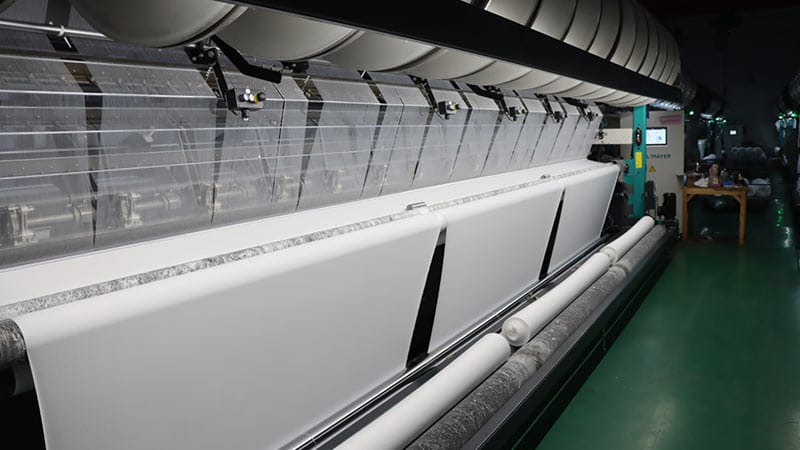
الحياكة الاعوجاج مقابل تطور الحياكة اللحمة
أنظمة الحياكة الاعوجاج
توفر حياكة الاعوجاج:
- استقرار الأبعاد العالية
- هيكل مضاد للتشوه
- متانة من الدرجة الصناعية
يستخدم على نطاق واسع في الأقمشة المخملية والأداء.
أنظمة حياكة اللحمة
تركز حياكة اللحمة على:
- مرونة
- تشكيل الملمس الناعم
- التطبيقات القائمة على الراحة
يستخدم بكثرة في المنسوجات الصوفية والقطنية.
تكنولوجيا النسيج الهجين
المصانع الحديثة تجمع الآن:
- السداة + لحمة النسيج الهجين
- هياكل مركبة متعددة الطبقات
- تكامل الطلاء الوظيفي
هذا يتيح نسيج نسيج مخصص معزز للأداء للأسواق المتقدمة.
توسيع علوم المواد في النسيج المخصص
تطور النسيج المخملي
المخمل الحديث يشمل:
- قماش مخملي مطبوع
- نسيج مخملي مطاطي
- مخمل عالي الكثافة
تشمل تحسينات الأداء ما يلي:
- زيادة مقاومة التآكل
- تحسين الاحتفاظ بالألوان
- تعزيز متانة النعومة
تطوير الأقمشة الصوفية
فئات الصوف تتطور بسرعة:
- الصوف المرجاني (دفء خفيف الوزن)
- الصوف المجعد (عمق الملمس)
- صوف فائق النعومة (لمسة ممتازة)
تظهر اختبارات الصناعة أن المواد الصوفية تحتفظ بها 85% الكفاءة الحرارية بعد 30 غسل.
ابتكارات البوليستر الوظيفية
تشمل أقمشة البوليستر الآن ما يلي:
- البوليستر الكاتيوني القابل للصباغة
- خلطات ماصة للرطوبة
- الأسطح المعالجة المضادة للتكدس
تعمل هذه التحسينات على تحسين الأداء بشكل كبير في الملابس الرياضية والمنسوجات الصناعية.
دراسات حالة في تطبيقات الأقمشة النسيجية المخصصة
دراسة الحالة 1: تخصيص العلامة التجارية للأزياء الأوروبية
حولت علامة تجارية متوسطة الحجم للأزياء في الاتحاد الأوروبي 70% من الإنتاج إلى مصادر المنسوجات المخصصة.
النتائج:
- دورة أسرع من التصميم إلى السوق 35%
- 28% تقليل نفايات المخزون
- ارتفاع القدرة على التكيف الموسمي
دراسة الحالة 2: ترقية الشركة المصنعة للنسيج المنزلي
اعتمدت إحدى الشركات المصنعة للفراش الطباعة الرقمية على مواد الفانيلا والصوف.
النتائج:
- زادت كفاءة الإنتاج بمقدار 42%
- تم تخفيض معدل عائد العملاء بمقدار 18%
- زاد تباين التصميم بمقدار 3x
دراسة الحالة 3: توسيع العلامة التجارية للمنسوجات للتجارة الإلكترونية
تم تحقيق علامة تجارية عبر الإنترنت تستخدم أقمشة مخملية وجاكار مخصصة
- 60% زيادة في تمايز المنتجات
- وضع متميز للعلامة التجارية أقوى
- ارتفاع معدل الشراء المتكرر
تحليل هيكل التكلفة لإنتاج الأقمشة النسيجية المخصصة
مكونات التكلفة الرئيسية
- مواد الألياف الخام (35 party45%)
- عمليات النسيج/الحياكة (20 بوصة25%)
- الصباغة والتشطيب (15thread20%)
- التخصيص والتصميم (10 pearten15%)
- الخدمات اللوجستية والتعبئة والتغليف (5 conter10%)
لماذا يغير التخصيص منطق التكلفة
على عكس الإنتاج الضخم،, نسيج نسيج مخصص يقلل:
- تكلفة الاحتفاظ بالمخزون
- مخاطر الأسهم غير المباعة
- النفايات الزائدة
وهذا يجعلها فعالة اقتصاديًا لسلاسل التوريد المرنة.
التحول المستدام في صناعة الأقمشة النسيجية المخصصة
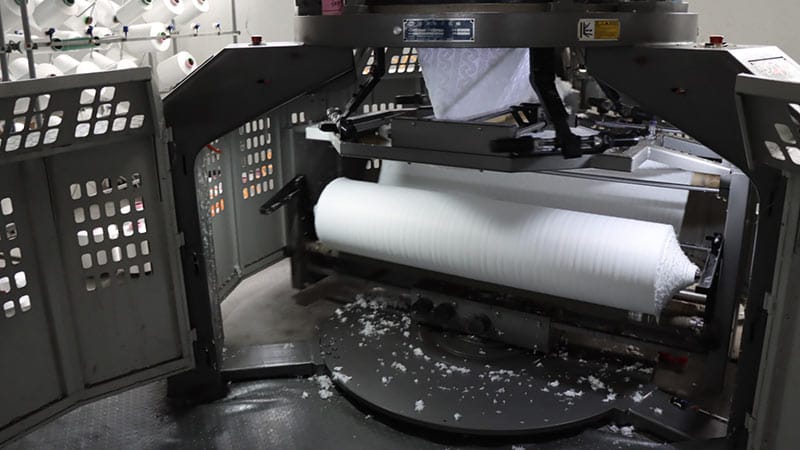
اقتصاد النسيج الدائري
الصناعة تتحول نحو:
- أنظمة إعادة تدوير الألياف
- حلقات إعادة استخدام النسيج
- عمليات الصباغة ذات الحلقة المغلقة
تقنيات الحد من المياه
أنظمة الصباغة الحديثة تقلل:
- استخدام المياه بما يصل إلى 60%
- التفريغ الكيميائي بواسطة 40%
- استهلاك الطاقة بمقدار 25%
ابتكار المواد البيئية
تشمل الأقمشة المستدامة الشعبية ما يلي:
- صوف البوليستر المعاد تدويره
- خلطات القطن الحيوية
- الجاكار المصبوغ منخفض التأثير
التحول الرقمي في تصنيع الأقمشة النسيجية المخصصة
الصناعة 4.0 مصانع النسيج
تشمل المصانع الحديثة الآن ما يلي:
- مراقبة الآلة القائمة على إنترنت الأشياء
- جدولة الإنتاج المعتمدة على الذكاء الاصطناعي
- محاكاة النسيج المزدوج الرقمي
أنظمة تصميم الأقمشة بالذكاء الاصطناعي
يمكن لأنظمة الذكاء الاصطناعي التنبؤ بما يلي
- الطلب على النسيج الموسمي
- دورات اتجاه اللون
- أنماط تفضيل الملمس
أنظمة أخذ العينات الذكية
تستغرق دورات أخذ العينات التقليدية 7 إلى 15 يومًا.
أخذ العينات الرقمية يقلل من ذلك إلى:
- 24.48 ساعة في المصانع المتقدمة
المقارنة: صناعة الأقمشة النسيجية التقليدية مقابل صناعة الأقمشة المخصصة
| ميزة | المنسوجات التقليدية | نسيج النسيج المخصص |
|---|---|---|
| نموذج الإنتاج | الإنتاج الضخم | الإنتاج حسب الطلب |
| مرونة | منخفض | عالي |
| مستوى النفايات | عالي | منخفض |
| دورات التصميم | بطيء | سريع |
| متطلبات موك | عالي | منخفض |
النظام البيئي المتقدم للمنتجات في الأقمشة النسيجية المخصصة
خط إنتاج المخمل
- قماش مخملي مطبوع
- نسيج مخملي مطاطي
- قماش لؤلؤي مخملي
خط إنتاج الصوف
- نسيج الصوف المرجاني
- نسيج الصوف مجعد
- مواد بطانية الفقاعات
خط النسيج الوظيفي
- بوليستر عالي الكثافة
- أنظمة النسيج المضلع
- خلطات سباندكس ناعمة
الأسئلة الشائعة
ما هو النسيج المخصص المستخدم لهذا اليوم؟
يتم استخدامه في الأزياء والمنسوجات المنزلية والتطبيقات الصناعية ومواد الأداء الوظيفي.
هل النسيج المخصص أغلى من القماش القياسي؟
ليس بالضرورة. فهو يقلل من تكلفة النفايات والمخزون، مما يجعله فعالاً للإنتاج المرن.
ما هي الأقمشة الرائجة في عام 2026؟
تقود أقمشة المخمل والصوف والجاكار والبوليستر الوظيفية الطلب العالمي.
هل يمكن أن يكون النسيج المخصص صديقًا للبيئة؟
نعم، خاصة عند استخدام الألياف المعاد تدويرها، والصباغة منخفضة الماء، والمواد المعتمدة من GRS.
ما هي الصناعات الأكثر استفادة من الأقمشة النسيجية المخصصة؟
ماركات الأزياء، ومصنعي المنسوجات المنزلية، وموردي السيارات، وتجار التجزئة للتجارة الإلكترونية.
خاتمة
تطور نسيج نسيج مخصص يمثل تحولًا أساسيًا في صناعة المنسوجات العالمية من الإنتاج الضخم الصارم إلى التخصيص الذكي والمرن والمبني على البيانات.
مع استمرار نضج تقنيات الصناعة 4.0، أصبح إنتاج المنسوجات:
- أكثر آلية
- أكثر استدامة
- أكثر استجابة لطلب السوق
- المزيد من التصميم
سوف تكتسب العلامات التجارية التي تتبنى استراتيجيات التخصيص مزايا تنافسية في السرعة وكفاءة التكلفة وتمييز المنتجات.
في المستقبل، لن يعتمد نجاح المنسوجات بعد الآن على حجم الحجم، بل سيعتمد على القدرة على التكيف والدقة وتكامل التصميم الذكي.