
مرحبا بكم في مدونتي! يسعدني وجودك هنا!
قبل أن نتعمق في المحتوى، أود أن تنضم إلي على منصات التواصل الاجتماعي الخاصة بي. إنه المكان الذي أشارك فيه رؤى إضافية، وأتواصل مع مجتمعنا المذهل، وأبقيك على اطلاع بآخر الأخبار.
إليك كيف يمكنك البقاء على اتصال:
📘 الفيسبوك: سوتشو Xize شركة تكنولوجيا النسيج المحدودة.
الآن، دعونا نبدأ هذه الرحلة معًا! أتمنى أن تجد المحتوى هنا ليس ثاقبًا فحسب، بل ملهمًا وقيمًا أيضًا. لنبدأ!
جدول المحتويات
الوجبات السريعة الرئيسية
- 100 نسيج بوليستر هي واحدة من المنسوجات الاصطناعية الأكثر استخدامًا على مستوى العالم
- يمثل إنتاج البوليستر العالمي أكثر من 50% من إجمالي إنتاج الألياف في صناعة النسيج
- يتم تقديره من حيث المتانة ومقاومة التجاعيد وكفاءة التكلفة
- يستخدم القماش على نطاق واسع في قطاعات الملابس والمنسوجات المنزلية والقطاعات الصناعية
- تشمل التطبيقات السبعة الرئيسية الأزياء والملابس الرياضية والمفروشات والمعدات الخارجية والمنسوجات التقنية
- أصبح البوليستر المعاد تدويره (rPET) اتجاهًا رئيسيًا للاستدامة في الصناعة
- يختلف الأداء اعتمادًا على بنية الألياف وطريقة النسيج والمعالجة النهائية
مقدمة
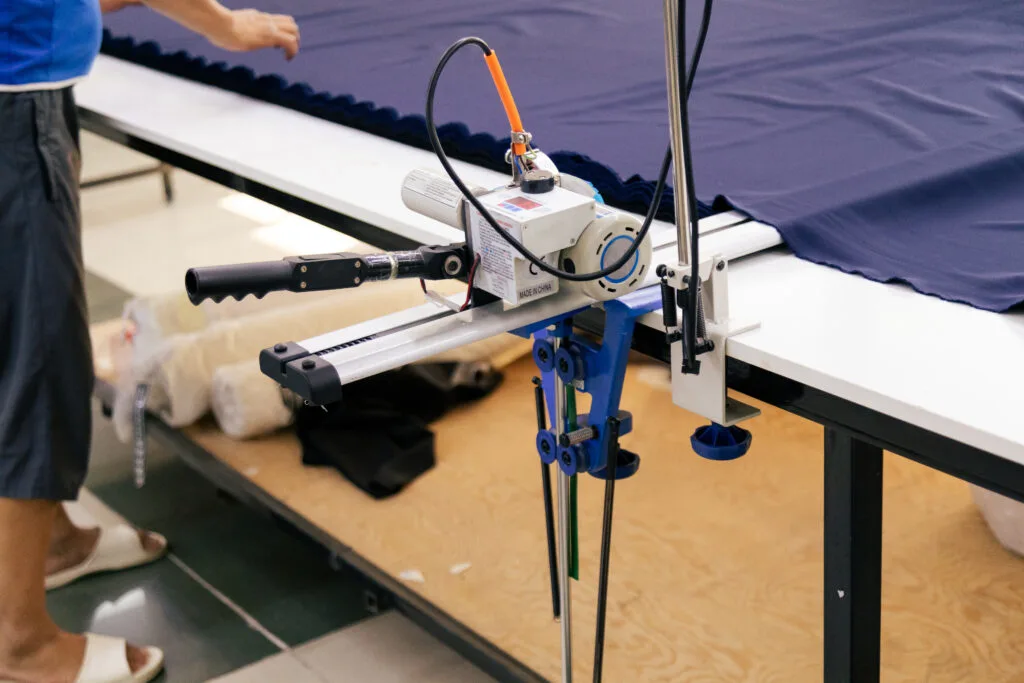
شهدت صناعة النسيج العالمية تحولاً كبيراً على مدى العقود الماضية، مدفوعاً بالطلب المتزايد على المواد ذات الأسعار المعقولة والمتينة وعالية الأداء. من بين جميع أنواع الألياف،, 100 نسيج بوليستر لقد برز باعتباره النسيج الاصطناعي المهيمن بسبب تنوعه وفعاليته من حيث التكلفة.
وفقا لتقارير صناعة النسيج الدولية، فإن البوليستر يمثل أكثر من نصف استهلاك الألياف العالمي, ، متجاوزًا القطن في الحجم الإجمالي. ويرجع هذا التحول إلى حد كبير إلى النمو السريع للأزياء، وزيادة الطلب على الملابس الرياضية، وتوسيع تطبيقات المنسوجات الصناعية.
هناك عامل رئيسي آخر وراء هيمنتها وهو بنيتها الجزيئية. ألياف البوليستر مصنوعة من البولي إيثيلين تيريفثاليت (PET)، الذي يوفر مقاومة قوية للتمدد والانكماش والتآكل البيئي. وهذا يجعلها مناسبة للاستخدام اليومي والتطبيقات عالية الأداء.
تسلط التقارير الحديثة الصادرة عن جمعيات النسيج العالمية الضوء أيضًا على أن إنتاج البوليستر الحديث يتطور نحو الاستدامة، ومن المتوقع أن يمثل البوليستر المعاد تدويره (rPET) أكثر من ذلك 40% من إجمالي إنتاج البوليستر بحلول عام 2030.
يستكشف هذا الدليل الموسع 7 أفضل استخدامات لنسيج البوليستر 100, ، مدعومة بالمفاهيم التقنية وبيانات الصناعة والمقارنات وتطبيقات العالم الحقيقي.
1. 100 نسيج بوليستر في تطبيقات الملابس اليومية
المفهوم: نسيج أزياء عالي المتانة
100 نسيج بوليستر يستخدم على نطاق واسع في الملابس غير الرسمية لأنه يحافظ على الاستقرار الهيكلي حتى بعد الغسيل المتكرر والاستخدام طويل الأمد. وعلى عكس الألياف الطبيعية، فإنه لا يتقلص أو يفقد شكله بسهولة.
خصائص الأداء الرئيسية
- تتراوح قوة الشد عادة من 3.5 إلى 6.5 جم/منكر
- استقرار الأبعاد ممتاز
- مقاومة عالية للتآكل والتكديس
رؤية الصناعة: الاعتماد على الموضة السريعة
تعتمد ماركات الأزياء السريعة العالمية بشكل كبير على البوليستر بسبب:
- تكلفة إنتاج منخفضة
- دورات التصنيع السريعة
- متانة عالية في بيئات البيع بالتجزئة الجماعية
تهيمن الملابس القائمة على البوليستر على أسواق الأزياء ذات الميزانية المحدودة والمتوسطة المدى بسبب قابلية التوسع.
2. 100 نسيج بوليستر في الملابس الرياضية وملابس الأداء
المفهوم: نسيج وظيفي يمتص الرطوبة
في تطبيقات الملابس الرياضية، تم تصميم البوليستر لنقل الرطوبة بعيدًا عن الجسم. وهذا يحسن الراحة والتنظيم الحراري أثناء النشاط البدني.
الخصائص الوظيفية
- معدل امتصاص الرطوبة: احتباس الماء أقل من 1%
- وقت الجفاف السريع: أسرع بكثير من القطن
- هيكل خفيف الوزن يعزز الحركة
تطبيق علوم الرياضة
تظهر الأبحاث الرياضية أن الألياف الاصطناعية مثل البوليستر تقلل من الجهد المبذول أثناء التمارين عالية الكثافة عن طريق تحسين كفاءة تبخر العرق.
3. 100 نسيج بوليستر في تطبيقات المنسوجات المنزلية
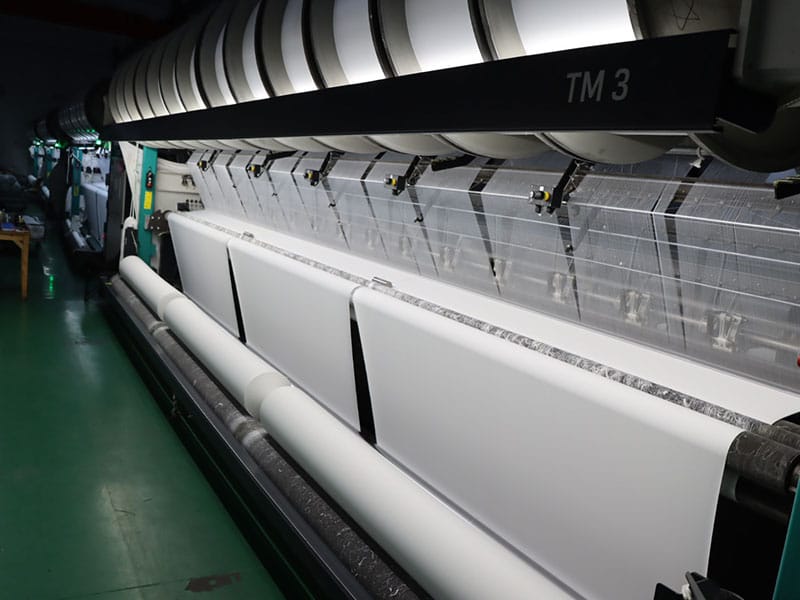
المفهوم: النسيج الداخلي الزخرفي والوظيفي
يستخدم البوليستر على نطاق واسع في الستائر وملاءات السرير والوسائد والأقمشة المزخرفة بسبب ثباته والاحتفاظ بالألوان.
فوائد الأداء
- مقاومة الأشعة فوق البنفسجية تمنع التلاشي في الداخل
- يحافظ على الملمس بعد غسلات متعددة
- مقاومة للعفن الفطري في البيئات الرطبة
رؤية اتجاه السوق
يستمر الطلب على المنسوجات المنزلية للبوليستر في الارتفاع بسبب:
- التوسع السكني الحضري
- تفضيل المستهلك منخفض الصيانة
- حلول الديكور الداخلي فعالة من حيث التكلفة
4. 100 نسيج بوليستر في صناعة التنجيد والأثاث
المفهوم: مادة السطح الهيكلي
يستخدم نسيج البوليستر بشكل شائع في تنجيد الأثاث لأنه يتحمل الضغط الميكانيكي والضغط طويل الأمد.
المزايا الميكانيكية
- مقاومة عالية للتآكل (اختبار مارتنديل: ما يصل إلى 50،000+ دورة)
- يحافظ على سلامة السطح تحت الحمل
- مقاومة للتمدد والتشوه
رؤية التطبيق في العالم الحقيقي
في الأثاث التجاري مثل أرائك الفنادق ومقاعد المكاتب، يُفضل البوليستر نظرًا لدورة حياته الطويلة ومتطلبات الصيانة السهلة.
5. 100 نسيج بوليستر في تطبيقات النسيج الصناعي
المفهوم: مادة الأداء الفني
إلى جانب المنتجات الاستهلاكية، يستخدم البوليستر على نطاق واسع في التطبيقات الصناعية مثل المرشحات والأحزمة الناقلة ومنسوجات السلامة.
خصائص صناعية
- قوة شد عالية مناسبة للتطبيقات الحاملة
- المقاومة الكيميائية للأحماض والقلويات
- أداء مستقر تحت الضغط الميكانيكي
المنظور الهندسي
غالبًا ما يتم تصميم أقمشة البوليستر الصناعية بطبقات أو صفائح متخصصة لتعزيز مقاومة درجات الحرارة والتعرض للمواد الكيميائية.
6. 100 نسيج بوليستر في المنتجات الخارجية والمقاومة للطقس
المفهوم: نسيج المقاومة البيئية
يعمل البوليستر بشكل جيد في الظروف الخارجية بسبب طبيعته الكارهة للماء ومقاومته للأشعة فوق البنفسجية.
ميزات الأداء في الهواء الطلق
- معدل امتصاص الماء: منخفض للغاية
- مقاومة تدهور الأشعة فوق البنفسجية تصل إلى التعرض لمدة 1000+ ساعة في الأقمشة المعالجة
- تجفيف سريع في البيئات الرطبة
أمثلة التطبيق
- خيام خارجية
- أقمشة المظلات
- معدات التخييم
- الأغطية البحرية
7. 100 نسيج بوليستر في الزي الرسمي وملابس العمل
المفهوم: النسيج المهني الوظيفي
يستخدم البوليستر على نطاق واسع في الزي الرسمي بسبب متانته وسهولة صيانته.
المزايا الوظيفية الرئيسية
- مظهر مقاوم للتجاعيد للحصول على مظهر احترافي
- تجفيف سريع بعد الغسيل الصناعي
- متانة عالية تحت الاستخدام المتكرر
رؤية استخدام الصناعة
تعتمد صناعات مثل الضيافة والرعاية الصحية والتصنيع بشكل كبير على الزي الرسمي المصنوع من البوليستر بسبب متطلبات النظافة وكفاءة التكلفة.
الفهم الفني المتقدم لنسيج البوليستر 100
المفهوم: استقرار البنية الجزيئية
تتكون ألياف البوليستر من بوليمرات طويلة السلسلة توفر مقاومة عالية للتشوه الميكانيكي. يضمن هذا الهيكل استقرار الأبعاد على المدى الطويل.
المفهوم: سلوك الأداء الحراري
البوليستر لديه نقطة انصهار تقريبا 250° مئوية, مما يجعلها مناسبة للبيئات الحرارية المعتدلة ولكن ليس التعرض الحراري الشديد.
المفهوم: مبدأ الطبيعة الكارهة للماء
يرجع انخفاض معدل امتصاص الرطوبة إلى سلاسل البوليمر الكارهة للماء، والتي تطرد جزيئات الماء وتعزز أداء التجفيف السريع.
مقارنة: 100 نسيج بوليستر مقابل مواد النسيج الأخرى
| ملكية | 100 نسيج بوليستر | قطن | نايلون | نسيج مخلوط |
|---|---|---|---|---|
| متانة | عالي جدا | متوسط | عالي | عالي |
| التهوية | متوسط | عالي | متوسط | متوسط |
| امتصاص الرطوبة | منخفض | عالي | منخفض | متوسط |
| سرعة التجفيف | سريع جدا | بطيء | سريع | متوسط |
| مقاومة التجاعيد | ممتاز | منخفض | متوسط | متوسط |
| كفاءة التكلفة | عالي | متوسط | متوسط | متوسط |
اتجاهات السوق العالمية وبيانات الصناعة
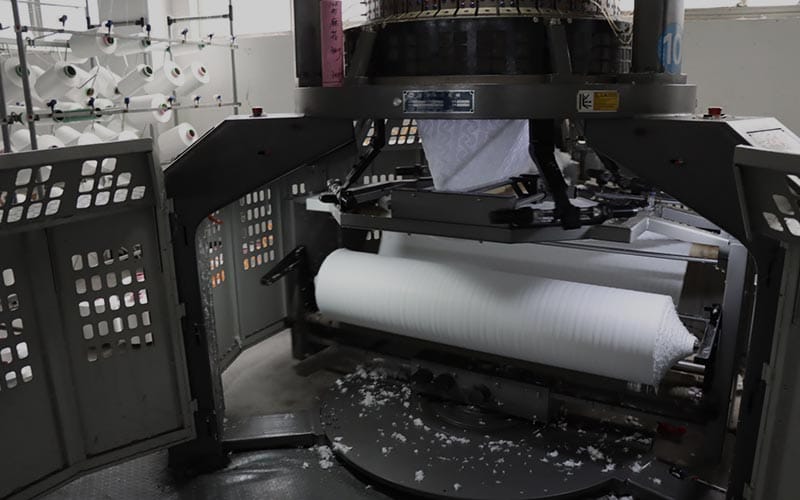
نمو إنتاج البوليستر
- الإنتاج العالمي لألياف البوليستر: أكثر من 60 مليون طن سنويا
- معدل النمو السنوي المتوقع: 4.5% سنويًا
- تهيمن منطقة آسيا والمحيط الهادئ على حصة الإنتاج العالمية
تحول الاستدامة
صناعة النسيج تتحول بسرعة نحو:
- اعتماد البوليستر المعاد تدويره (rPET)
- أنظمة إعادة التدوير ذات الحلقة المغلقة
- طرق إنتاج البصمة الكربونية المخفضة
رؤية الكتاب الأبيض
وفقا لتقارير استدامة النسيج:
- يمكن للبوليستر المعاد تدويره تقليل انبعاثات الكربون بنسبة تصل إلى 3050% مقارنة بالبوليستر البكر
- يتزايد الطلب على البوليستر البيئي في أسواق أوروبا وأمريكا الشمالية
الأسئلة الشائعة
ما هو 100 نسيج بوليستر تستخدم أساسا ل؟
يتم استخدامه في الملابس والملابس الرياضية والمفروشات والمنسوجات المنزلية والتطبيقات الصناعية نظرًا لمتانته وتعدد استخداماته.
هل نسيج 100 بوليستر ذو نوعية جيدة؟
نعم، فهو يوفر متانة قوية، ومقاومة للتجاعيد، وأداء طويل الأمد، على الرغم من أن الراحة تختلف حسب التطبيق.
هل يتقلص أو يتمدد نسيج البوليستر 100؟
لا، البوليستر مستقر للغاية من حيث الأبعاد ومقاوم للانكماش أو التمدد.
هل البوليستر أفضل من القطن؟
ذلك يعتمد على الاستخدام. البوليستر أكثر متانة ومنخفض الصيانة، في حين أن القطن أكثر مسامية وراحة.
هل نسيج البوليستر 100 صديق للبيئة؟
البوليستر التقليدي غير قابل للتحلل، لكن البوليستر المعاد تدويره يحسن الاستدامة البيئية بشكل كبير.
خاتمة
استمرار هيمنة 100 نسيج بوليستر في صناعة النسيج العالمية، تعتمد صناعة النسيج على مزيج لا مثيل له من المتانة والقدرة على تحمل التكاليف والتنوع الوظيفي. من الأزياء والملابس الرياضية إلى التطبيقات الصناعية والتقنية، يظل البوليستر مادة أساسية في التصنيع الحديث.
ومع ظهور البوليستر المعاد تدويره وتقنيات الإنتاج المستدام، من المتوقع أن يتوسع دورها بشكل أكبر في السنوات القادمة، مما يعزز مكانتها كواحدة من أهم المواد النسيجية في العالم.