
Welcome to My Blog! I’m thrilled to have you here!
Before we dive into the content, I’d love for you to join me on my social media platforms. It’s where I share extra insights, connect with our amazing community, and keep you updated on the latest news.
Here’s how you can stay connected:
📘 Facebook: Suzhou Xize Textile Technology Co., ltd.
Now, let’s embark on this journey together! I hope you find the content here not only insightful but also inspiring and valuable. Let’s get started!
Table of Contents
Introduction
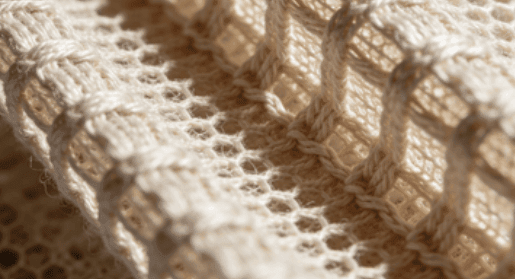
In a world where textile performance meets innovation, warp knitted fabric has quietly transformed from a specialized material to a mainstream choice across industries. From high‑performance activewear and medical textiles to automotive interiors and even construction materials, warp knitted fabric is being reimagined for its strength, versatility, and future‑ready properties. This guide goes beyond basic explanations to uncover the technical benefits, real‑world applications, market dynamics, and expert insights that make warp knitted fabric one of the most intriguing textile technologies of the 21st century.
If you’ve ever wondered what sets warp knitted fabric apart, how it compares with other textile structures, or why global demand keeps rising, you’re in the right place.
Key Takeaways of This Blog:
- Understand the three core advantages of warp knitted fabric.
- Explore how warp knitted fabric compares with other fabrics like weft knits and woven materials.
- Discover real industry applications from fashion to automotive and industrial sectors.
- Learn about global market trends and sustainability directions.
- Get practical FAQs written in a way that mirrors real Google search behavior.
- Review data‑backed tables and detailed expert explanations for better decision‑making.
The Fundamentals: What Is Warp Knitted Fabric?
Warp knitted fabric is created using a specialized textile process in which multiple yarns are fed vertically into the knitting machine and looped simultaneously to form interlocking loops along the length of the fabric. This differs from weft knitting, where loops are made horizontally one at a time.
The vertical structure gives warp knitted fabrics unique properties that are not just different from other fabrics in name — they perform differently in strength, stretch, stability, and breathability. These distinct structural traits make warp knitted fabrics ideal for both fashion and technical applications.
In addition to apparel, warp knitting technology is now being adopted in high‑end industrial, medical, and construction textiles — a clear sign that this fabric category is evolving to meet modern performance and sustainability demands.
Advantage 1: Exceptional Strength and Dimensional Stability

What Dimensional Stability Means
Dimensional stability refers to a fabric’s ability to maintain its shape and size under stress — whether it’s stretching, washing, or everyday wear and tear. Warp knitted fabric excels in this area due to the way its yarns are looped vertically and tightly locked into place.
- This means less sagging and deformation compared to weft knits.
- Garments and products hold their original shape longer, enhancing longevity and user satisfaction.
Real‑World Benefits
For activewear brands, this translates into leggings and sports tops that don’t bag out after repeated use. In upholstery and industrial uses, this means wallpapers, conveyor backs, and seat covers that remain intact without distortion.
Strength Under Stress
Warp knitted fabrics also resist longitudinal stretching and tearing, which makes them ideal for more demanding environments. This strength has made warp knits a top choice in geotextiles and protective textiles.
Advantage 2: Breathability, Comfort, and Moisture Management
Why Breathability Matters
The natural loop structure of warp knitted fabric allows air to circulate more freely compared to many woven textiles. This enhances comfort in activewear and summer garments, where regulating body temperature is key.
Warp knitted fabrics also handle moisture effectively — wicking sweat away from the skin and aiding evaporation. This capability is especially valued in sportswear, outdoor gear, and performance textiles.
- Moisture management: Helps keep wearers dry and comfortable.
- Heat regulation: Breathable loops allow heat to escape, improving comfort during intense activity or in hot weather.
Enhanced Comfort in Wearable Textiles
Whether it’s yoga pants, running shirts, or athletic compression wear, warp knitted fabric now underpins many performance garments. Its performance contributes directly to wearer comfort and endurance.
Advantage 3: Versatile Design and Wide Range of Applications
Warp knitted fabrics are adaptable — with properties that can be custom engineered by altering yarn types, patterns, stitch density, and finishes. This ability to tailor performance characteristics gives designers remarkable flexibility.
Fashion and Apparel
Warp knitted fabrics are widely used in:
- Sportswear & activewear for flexibility and breathability.
- Swimwear and lingerie for shape retention and comfort.
- Mesh, lace, and textured fabrics for fashion elements that require both aesthetic detail and structural integrity.
Industrial and Technical Textiles
Warp knitted fabrics appear in many industrial products due to their performance reliability:
- Filtration materials with controlled porosity.
- Geotextiles and construction reinforcement for soil stability and erosion control.
- Automotive textiles like seat covers and headliners with sturdy wear resistance.
Medical and Hygiene Uses
Owing to precise dimensional control and sterilization stability, warp knitted textiles are used in compression garments, surgical supports, wound dressings, and other medical textiles where consistent performance matters.
Comparative Overview: Warp Knitted Fabric vs Other Textile Types
| Feature | Warp Knitted Fabric | Weft Knitted Fabric | Woven Fabric |
|---|---|---|---|
| Dimensional Stability | Excellent | Moderate | High |
| Strength | High | Moderate | Very High |
| Breathability | High | High | Low |
| Moisture Management | Good | Very Good | Fair |
| Stretch Characteristics | Controlled (directional) | High (multi‑directional) | Low |
| Design Versatility | Very High | Moderate | Moderate |
| Production Efficiency | High | Moderate | Moderate |
| Environmental Customization | Increasing (recycled/eco) | Variable | Variable |
This table highlights how warp knitted fabric maintains balance across multiple performance metrics — making it a technical and design‑friendly choice compared to alternatives.
Global Trends and Market Data: Why Warp Knitted Fabric Is Trending
Growing Market Demand
The global knitted fabric market — which includes warp knitted textiles — is projected to expand from roughly $174 billion in 2024 to around $294 billion by 2035, at a roughly 4.87% CAGR. This growth is driven by consumer preferences for comfort, performance, and sustainability, with warp knitted fabric playing a major role in these segments.
Sports and Activewear Growth
With the global sports apparel market expected to grow steadily, warp knitted fabric adoption in activewear continues to increase due to its performance and comfort benefits.
Sustainability Movement and Eco‑Innovation
Sustainability is a key driver in textiles. In recent years, manufacturers have embraced recycled yarns and biodegradable fibers in warp knitted fabric production. Warp knits made from ocean‑recovered plastics and other recycled inputs are attracting attention, aligning the textile industry with environmental goals.
Technological Advancements
Emerging technologies like 3D warp knitting and automated production systems have increased design precision and structural complexity, allowing for tailor‑made performance fabrics with minimal material waste — connecting textile innovation directly to industry needs.
Practical Fabric Selection Insights
Choosing the Right Warp Knitted Fabric
When considering warp knitted fabric for a project, ask:
- What performance properties are needed? Strength, elasticity, breathability?
- What industry standards must be met? Medical, automotive, sport, or decorative?
- Is sustainability a priority? Eco materials and recycled fibers are becoming mainstream.
By aligning your selection with technical requirements and end‑use expectations, you’ll maximize both performance and consumer satisfaction.
Specialized Real‑World Applications
Warp knitted fabrics have evolved from niche technical textiles to essential materials across multiple industries. Their unique combination of strength, flexibility, and breathability enables diverse applications that balance performance, comfort, and longevity. Let’s explore their specialized uses in detail.
Automotive Industry
Warp knitted fabrics are increasingly adopted in the automotive sector due to their abrasion resistance, flexibility, and lightweight nature, which contribute directly to both safety and fuel efficiency.
- Seat covers: Warp knits provide durability against daily wear and tear while offering a soft touch for passenger comfort. They resist pilling and tearing, extending the life of the upholstery.
- Headliners: Lightweight warp knitted fabrics help reduce vehicle weight without sacrificing strength, improving fuel efficiency.
- Insulation materials: Warp knitted structures allow thermal and acoustic insulation layers to be both strong and breathable, enhancing interior comfort.
Real-World Insight: Some premium automakers are now integrating warp knitted fabrics reinforced with polyester and nylon blends to achieve higher tear strength while maintaining flexibility, allowing for thinner materials that still meet stringent safety standards.
Medical and Healthcare Textiles
Hospitals and medical suppliers adopt warp knitted fabrics for compression garments and surgical supports due to reproducible tension performance and sterilization stability.
Construction and Technical Uses
In construction, specially engineered warp knit textiles are used for soil stabilization geotextiles, architectural meshes, and even concrete reinforcement. Their strength and customizable properties help improve load distribution and durability in infrastructure projects.
Challenges and Considerations
While warp knitted fabric excels in many areas, it is important to consider its limitations:
Elasticity Limitations
Compared to weft knitted fabrics, warp knits typically have less multi‑directional stretch, which may limit their use in certain high‑stretch apparel unless elastomeric yarns like spandex are added.
Production Complexity
High‑performance warp knitting machines require specialized settings and expertise, which can raise production costs — although large‑scale output still remains efficient.
Environmental Impact
Synthetic warp knitted fabrics can shed microplastics during washing, posing ecological challenges. Water and energy consumption during dyeing and finishing must be managed for sustainable outcomes.
Summary and Final Thoughts
Warp knitted fabric is much more than a technical textile — it’s a dynamic material category that bridges comfort, durability, design flexibility, and performance. Its growing prominence in markets like activewear, medical textiles, automotive interiors, and industrial applications reflects a broad shift toward fabrics that deliver measurable benefits while aligning with customer expectations for sustainability and innovation.
By understanding the three must‑know advantages — superior stability and strength, breathable comfort, and versatile design — manufacturers, designers, and consumers can fully appreciate why warp knitted fabric continues to expand its influence across the textile landscape.
Whether you are selecting materials for next‑generation sportswear, reliable protective gear, or advanced industrial solutions, warp knitted fabric offers a compelling balance of performance, versatility, and future‑focused potential.
FAQ
What makes warp knitted fabric better than weft knitted fabric?
Warp knitted fabric has superior dimensional stability and strength due to its vertical loop structure, while weft knits offer greater multi‑directional stretch.
Is warp knitted fabric good for activewear?
Yes — its breathability, moisture management, and controlled elasticity make it ideal for sportswear and performance clothing.
Can warp knitted fabrics be made sustainably?
Absolutely — many manufacturers now use recycled polyester, biodegradable yarns, and eco‑friendly processes to reduce environmental impact.
Where is warp knitted fabric used outside fashion?
In industrial filtration, automotive interiors, medical support textiles, and construction reinforcement materials.
Does warp knitting cost more than other knitting methods?
Warp knitting machines and setups have higher initial costs, but they produce fabric quickly with minimal waste — making production efficient at scale.