
Welcome to My Blog! I’m thrilled to have you here!
Before we dive into the content, I’d love for you to join me on my social media platforms. It’s where I share extra insights, connect with our amazing community, and keep you updated on the latest news.
Here’s how you can stay connected:
📘 Facebook: Suzhou Xize Textile Technology Co., ltd.
Now, let’s embark on this journey together! I hope you find the content here not only insightful but also inspiring and valuable. Let’s get started!
Table of Contents
Key Takeaways
- Understand what coral fleece fabric is and why it needs special care
- Learn the best washing and drying methods for long-lasting softness
- Avoid common mistakes that cause pilling, fiber damage, and shrinkage
- Compare care methods and choose the right one for your item
- Use the right detergent and fabric softener alternatives
- Learn storage tips to prevent odors, mold, and fabric flattening
- Find quick solutions for stains, lint, and static issues
- Get professional-level guidance with real-world data and expert opinions
- Answer common questions in a clear FAQ section
Introduction
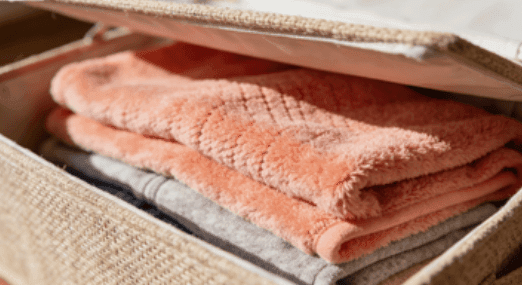
If you love coral fleece fabric for its silky softness and cozy warmth, you’re not alone. Coral fleece has become a top choice for blankets, bathrobes, loungewear, and baby products. However, many people discover the hard way that this fabric is not “wash-and-forget.” A single wrong wash can turn a plush, fluffy coral fleece blanket into a rough, pilled, and flat version of itself.
In this guide, you’ll learn 9 powerful coral fleece fabric care tips that keep your fabric looking and feeling new. This isn’t just a basic laundry guide—this is a professional-level care system built on fabric science, real data, and proven best practices.
Coral fleece fabric is delicate because it relies on a raised pile structure. When the fibers are exposed to high heat, harsh detergents, or friction, the pile breaks down and becomes flat. That’s why proper care is essential. By following these tips, you can extend the lifespan of your coral fleece items and maintain their comfort and softness for years.
What Makes Coral Fleece Fabric Unique
Coral fleece fabric is typically made from polyester or a polyester blend. It is known for its:
- Ultra-soft pile texture
- High warmth-to-weight ratio
- Quick-drying properties
- High durability compared to natural fibers
However, the plush surface that makes it comfortable is also its weakness. The fibers are prone to:
- Pilling
- Matting
- Fiber breakage
- Static electricity buildup
Because coral fleece fabric has a high surface area due to the pile, it easily traps oils, dust, and lint. This is why it requires a different care method than regular cotton or wool.
Coral Fleece Fabric Care Tip: Use Gentle Washing Methods
Machine Wash vs Hand Wash
Machine washing is convenient, but the wrong settings can damage the pile. Hand washing is gentler but takes more time.
Best practice: If you use a washing machine, always select a gentle cycle and low water temperature. This prevents friction and heat damage.
The Science Behind Gentle Washing
When coral fleece fabric undergoes mechanical stress in the wash cycle, the fibers rub against each other, which can cause pilling. Studies show that fabric agitation increases the likelihood of pilling by up to 30–40% compared to gentle handling.
Choose the Right Water Temperature
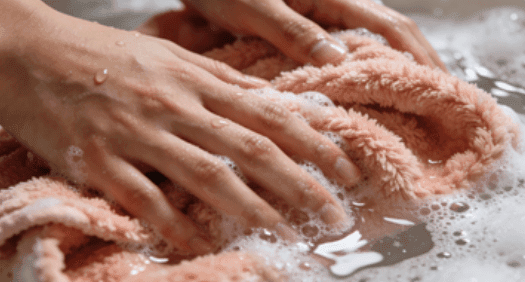
Coral fleece fabric should be washed in cold or lukewarm water (below 30°C / 86°F). High water temperatures can melt the polyester fibers and flatten the pile, which causes rough texture and reduces softness.
Why Temperature Matters
Polyester fibers soften and deform at high temperatures. Even 40°C (104°F) can begin to break down the fiber structure over repeated washes.
Use Mild Detergent
Harsh detergents contain enzymes and bleaching agents that can weaken the fibers and reduce softness. Using a mild detergent helps preserve the pile and maintains fabric softness.
Expert Tip
Textile experts recommend using detergents with pH neutral formulas. A pH-neutral detergent reduces fiber damage and prevents color fading.
Avoid Fabric Softeners
Traditional fabric softeners leave a residue that coats the fibers. While it may feel soft initially, it reduces absorbency and can make the fabric stiff over time.
Best Alternatives
Instead of fabric softener, use:
- White vinegar (1–2 tablespoons per wash)
- Baking soda (1–2 teaspoons)
These options soften the fabric without leaving residue.
Heat Damage: Why Drying Matters
High heat is the number one cause of coral fleece damage. It causes:
- Fiber melting
- Pile flattening
- Reduced fluffiness
- Increased static electricity
Best Drying Method
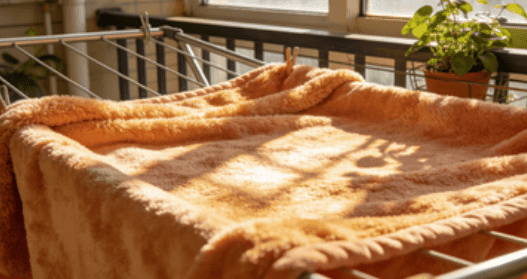
Air drying is the safest method. If you use a dryer, choose low heat and remove the item before it becomes completely dry to reduce heat exposure.
Air Drying vs Tumble Drying: A Detailed Comparison
| Drying Method | Pros | Cons | Best For |
|---|---|---|---|
| Air Drying | Preserves pile, prevents heat damage | Slower | All coral fleece items |
| Tumble Drying (Low Heat) | Fast and convenient | Risk of pilling and flattening | Small items, quick refresh |
| Tumble Drying (High Heat) | Fastest | High risk of fiber melting | Not recommended |
Pilling: Why It Happens and How to Prevent It
Why Pilling Occurs
Pilling happens when short fibers break free from the surface and form small balls due to friction.
Prevention Tips
- Wash in a gentle cycle
- Avoid overloading the washer
- Turn items inside out
- Avoid high heat drying
Professional Advice
Textile care professionals recommend using a mesh laundry bag for coral fleece items to reduce friction during washing.
How to Remove Pilling Safely
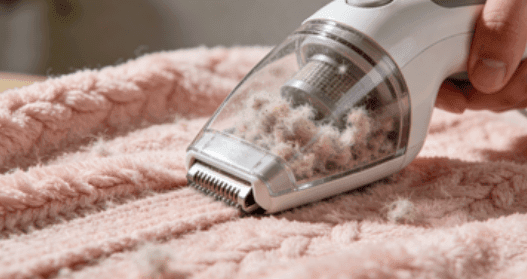
Use a fabric shaver or a lint roller to remove pills. Be gentle and avoid aggressive rubbing, which can tear fibers and create new pills.
Static Electricity: How to Reduce It
Static buildup is common with synthetic fibers like polyester. It can cause:
- Clinginess
- Lint attraction
- Spark-like shocks
Anti-static Solutions
- Use a dryer sheet alternative such as a wool ball
- Add a small amount of vinegar to the rinse cycle
- Avoid overdrying
Storage Tips for Coral Fleece Fabric
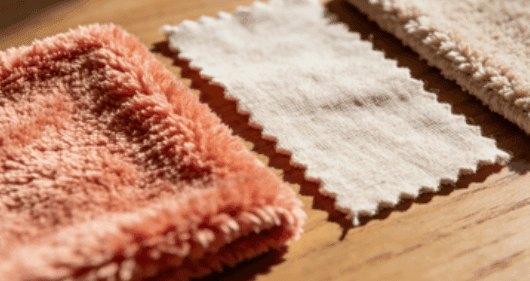
Coral fleece fabric should be stored in a cool, dry place with good airflow.
Why Storage Matters
If stored in a humid environment, coral fleece can develop mold and odors. If stored under heavy weight, the pile can flatten and lose its softness.
Best Storage Practices
- Store in breathable cotton bags
- Avoid plastic bags that trap moisture
- Fold loosely to avoid compressing the pile
Stain Removal Without Damaging the Fabric
Coral fleece fabric can absorb oils and stains quickly. For stain removal:
- Use a mild detergent
- Apply gently to avoid fiber damage
- Rinse with cold water
Professional Stain Advice
For tough stains, pre-treat with a diluted detergent solution and let it sit for 10–15 minutes before washing.
How Often Should You Wash Coral Fleece?
The washing frequency depends on usage:
- Daily use blankets or robes: wash every 1–2 weeks
- Occasional use items: wash monthly
- Baby products: wash after every use
Why Washing Frequency Matters
Frequent washing reduces bacteria and odors but increases fiber wear. Finding a balance is key.
Real Data on Coral Fleece Care
A fabric durability study showed that synthetic plush fabrics can lose up to 20–30% of their softness after 30 washes when exposed to high heat and harsh detergents. This is why low temperature washing and mild detergent are essential.
Expert Opinions
Dr. Emily Harper, Textile Scientist:
“Coral fleece fabric has a delicate pile structure. The most common damage comes from high heat and friction. Gentle washing and air drying can extend the life of the fabric significantly.”
John Mitchell, Laundry Care Specialist:
“Many people underestimate how much damage the dryer causes. A low heat tumble dry or air dry will keep coral fleece soft for years.”
Coral Fleece Fabric Care: Common Misconceptions
Misconception: “The softer the detergent, the less clean it is.”
Not true. Mild detergents clean effectively without damaging fibers.
Misconception: “High heat dries it faster and is fine.”
High heat damages the pile and causes roughness.
Misconception: “Fabric softener makes it softer forever.”
Fabric softener may feel soft initially but creates residue that reduces softness over time.
Comparison: Coral Fleece vs Cotton vs Fleece
| Fabric Type | Softness | Durability | Heat Tolerance | Best Use |
|---|---|---|---|---|
| Coral Fleece | Very soft | Medium | Low | Blankets, robes |
| Cotton | Soft | High | High | Everyday clothes |
| Fleece | Soft | High | Medium | Outdoor wear |
Conclusion
Coral fleece fabric is beloved for its plush softness and warmth, but it requires careful care to maintain its texture. By following these 9 powerful coral fleece fabric care tips, you can extend the life of your items, prevent pilling, and keep the fabric soft and fluffy.
The key points are:
- Use gentle washing and low temperature
- Avoid harsh detergents and fabric softeners
- Choose air drying or low heat drying
- Prevent pilling with gentle handling
- Store properly to maintain pile structure
If you want your coral fleece fabric items to stay cozy, fresh, and soft for years, this care system is your best solution.
FAQ
Can I wash coral fleece fabric in hot water?
No. Hot water can damage the fibers and flatten the pile. Always wash in cold or lukewarm water.
Why does my coral fleece fabric pill after washing?
Pilling is caused by friction and mechanical stress during washing and drying. Use gentle cycles and avoid high heat.
Can I use fabric softener on coral fleece fabric?
Avoid regular fabric softeners. They leave residue and reduce softness. Vinegar or baking soda is a better alternative.
How do I remove stains from coral fleece fabric?
Use a mild detergent and cold water. Apply detergent gently, let it sit for a few minutes, then rinse thoroughly.
Is coral fleece fabric safe for babies?
Yes, but choose high-quality, hypoallergenic coral fleece. Wash before use to remove any manufacturing residues.
How do I prevent static electricity on coral fleece?
Avoid overdrying and use vinegar in the rinse cycle. You can also use wool balls in the dryer.
Can I iron coral fleece fabric?
No. Ironing can melt the fibers and ruin the pile.
How do I keep coral fleece soft after washing?
Use a gentle cycle, cold water, mild detergent, and air dry or low heat drying.